
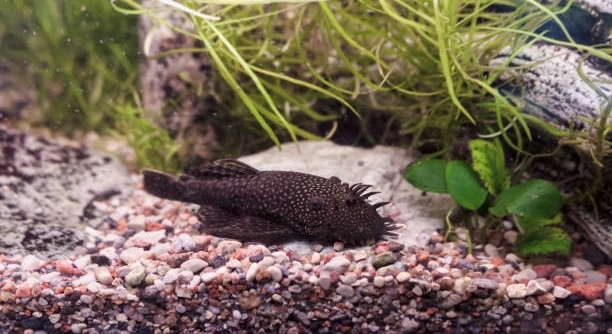
Are your plecos showing signs of damaged skin or missing scales? Plecos are delicate fish, and even small mistakes in their care can affect their health. Understanding potential risks can help maintain their well-being.
Several factors can harm pleco skin or scales, including poor water quality, inappropriate tank conditions, rough decorations, aggressive tankmates, improper diet, bacterial or fungal infections, and physical injuries. Monitoring these elements is essential to prevent stress and long-term damage.
Knowing the causes of skin and scale problems helps protect your pleco’s health. This article will guide you through key risks and practical solutions.
Poor Water Quality
Poor water quality is one of the main reasons plecos develop skin or scale issues. High levels of ammonia, nitrites, or nitrates can irritate their skin, causing redness, lesions, or even scale loss. Tap water often contains chlorine or chloramine, which can further harm delicate fish. Regular water testing is crucial to maintain safe levels. Changing 20–30% of the water weekly helps remove waste and toxins. Overfeeding can worsen water conditions, as leftover food decomposes and raises harmful compounds. Filtration should match the tank size and fish load, and filters need routine cleaning to work effectively. Temperature fluctuations and pH swings also stress plecos, making their skin more vulnerable. Consistency in water parameters is key to preventing recurring issues. Using dechlorinators and carefully monitoring chemical levels ensures a stable environment. A clean tank supports healthy skin and encourages normal behavior, making your pleco more active and resilient to minor stressors.
Maintaining clean water protects pleco skin and reduces disease risk. Consistent care is essential for long-term health and vitality.
Even small lapses in water quality can accumulate over time. Plecos are sensitive to toxins that may not immediately show effects. Persistent poor conditions can cause chronic stress, weakening their immune system and leaving them susceptible to infections. Skin abrasions, cloudy patches, or missing scales often indicate environmental stress. Keeping a regular cleaning schedule, avoiding overfeeding, and using quality filtration minimizes these risks. Observing your pleco daily helps catch problems early. Stable temperature, proper pH, and clean water contribute to overall health, allowing scales to remain intact and skin to stay vibrant. Proactive water maintenance prevents minor issues from escalating into severe infections or long-term damage, ensuring your pleco thrives in its aquarium habitat.
Rough Tank Decorations
Sharp or rough decorations can injure plecos as they explore or hide. Rocks with jagged edges, unfinished driftwood, or poorly cut ornaments can scratch their skin. Even small abrasions can become infected if not addressed. Plecos naturally scrape surfaces and may rub against objects when stressed or searching for food. Selecting smooth surfaces, sanded wood, or rounded rocks reduces the risk of scale loss and open wounds. Avoid placing items that could topple or shift, as falling objects may injure your fish. Observing how your pleco interacts with the tank helps identify potential hazards. Ensuring decorations are securely positioned and safe contributes to a calmer, injury-free environment. Over time, maintaining smooth surfaces supports skin health and reduces the likelihood of disease outbreaks, keeping your pleco comfortable and thriving in its habitat.
Tank decorations play a vital role in pleco health. Thoughtful choices protect skin, prevent injuries, and enhance their environment for natural behavior.
Aggressive Tankmates
Aggressive tankmates can cause physical injuries to plecos. Nipping, chasing, or territorial disputes often result in torn fins, missing scales, or skin lesions. Plecos need calm, compatible fish to reduce stress and avoid injuries.
Plecos are generally peaceful but can become targets in a mixed tank with aggressive species. Fish that constantly chase or nip at fins create a stressful environment, which can lead to frequent rubbing against surfaces. This behavior increases the chance of scale damage or open wounds. Stress weakens their immune system, making infections more likely. Observing interactions and separating aggressive fish is crucial to maintain skin health.
Even seemingly minor skirmishes can have lasting effects. Repeated harassment leaves plecos anxious, reducing feeding efficiency and increasing susceptibility to bacterial or fungal infections. Providing hiding spots, smooth decorations, and appropriate tankmates encourages safer behavior and helps plecos recover from minor injuries. Consistency in monitoring interactions ensures a more stable, injury-free environment for their long-term well-being.
Improper Diet
A poor diet affects pleco skin and scales directly. Lack of essential nutrients can make scales brittle, dull, or prone to falling off. Vegetables, algae, and protein should be balanced for optimal health.
Deficiencies in vitamins like A, C, or essential fatty acids reduce the body’s ability to repair tissue and maintain scale integrity. Overfeeding protein or relying only on pellets can create imbalances, causing internal stress and weaker skin. Including fresh vegetables, algae wafers, and occasional protein sources ensures plecos get what they need. Monitoring their eating habits helps prevent both underfeeding and overfeeding, which could impact skin condition.
Supplementing with nutrient-rich foods supports natural immunity and regenerative abilities. Plecos require fiber from vegetables and algae to maintain digestive health, which indirectly contributes to skin resilience. A well-rounded diet prevents discoloration, lesions, or brittle scales. Adjusting portions and variety over time ensures consistent health, improving both appearance and overall vitality of your pleco.
Bacterial and Fungal Infections
Bacterial and fungal infections can quickly damage pleco skin and scales. Open wounds, poor water quality, or stress increase susceptibility. Early detection and treatment are essential to prevent serious health problems.
Symptoms include redness, white patches, and frayed fins. Prompt isolation and proper medication reduce the risk of spreading infections to other tank inhabitants.
Physical Injuries
Physical injuries often result from collisions with tank decorations, rough handling, or aggressive tankmates. Even small scrapes can become infected if untreated. Observing your pleco’s behavior and maintaining a safe environment helps minimize accidental damage to their skin and scales.
Stress
Stress significantly affects pleco skin health. Constant disturbances, overcrowding, or sudden environmental changes weaken immunity, making plecos more prone to scale loss and skin irritation. Identifying stressors early and maintaining stable conditions supports their recovery and overall well-being.
FAQ
How can I tell if my pleco’s skin or scales are damaged?
Damaged skin or missing scales often appear as red patches, frayed fins, or white spots. Plecos may rub against tank surfaces more than usual, showing signs of irritation. Observing changes in color, behavior, or appetite can also indicate underlying problems. Regular checks help catch issues early before they worsen.
What are the most common causes of skin or scale problems?
Poor water quality, aggressive tankmates, rough decorations, improper diet, physical injuries, and bacterial or fungal infections are the primary causes. Stress from overcrowding or sudden environmental changes also makes plecos more susceptible to damage. Understanding these factors allows you to take preventive measures.
How often should I change my pleco’s water to prevent damage?
Partial water changes of 20–30% weekly are recommended. Frequent changes help remove toxins like ammonia, nitrites, and nitrates that irritate skin. Testing water regularly ensures parameters remain safe. Using dechlorinators and stable temperature helps reduce stress, keeping scales and skin healthy.
Can diet really affect pleco skin health?
Yes, a balanced diet is critical. Plecos need vegetables, algae, and occasional protein for strong, healthy scales. Vitamin deficiencies, particularly A, C, and fatty acids, weaken tissue repair. Overfeeding protein or relying solely on pellets can lead to imbalances, making skin more fragile and prone to infections.
What should I do if my pleco has open wounds?
Isolate the fish to prevent infection and treat with an appropriate antibacterial or antifungal solution. Clean water and gentle handling are essential during recovery. Avoid using harsh chemicals that could further irritate the skin. Observing the healing process ensures the wounds close without complications.
How can I prevent infections in my pleco?
Maintain clean water, stable conditions, and a balanced diet. Avoid overcrowding and remove aggressive tankmates. Quarantine new fish before adding them to the tank. Providing smooth surfaces and hiding spots minimizes injury risk, reducing opportunities for bacteria and fungi to enter damaged skin.
Are some tank decorations safer than others?
Yes. Smooth rocks, sanded wood, and rounded ornaments prevent accidental scratches. Avoid jagged edges or unstable objects that can topple and harm your pleco. Observing how your fish interacts with decorations helps identify potential hazards early, keeping the environment safe and stress-free.
How do I reduce stress for my pleco?
Provide hiding spots, stable water conditions, and compatible tankmates. Avoid overcrowding and sudden changes in temperature, pH, or lighting. Stress weakens the immune system, increasing susceptibility to scale loss, skin lesions, and infections. A calm environment encourages natural behavior and improves overall health.
Can plecos recover from scale loss?
Yes, scales can regrow if the underlying tissue remains healthy. Recovery depends on proper water quality, nutrition, and reduced stress. Treating infections promptly and preventing repeated injuries ensures scales can heal properly. Observation and patience are key during the healing process.
When should I consult a veterinarian?
If skin lesions persist, scales fail to regrow, or infections worsen despite proper care, consult an aquatic veterinarian. Persistent lethargy, loss of appetite, or unusual behavior also warrants professional attention. Early intervention improves recovery and prevents long-term health issues.
How do I monitor my pleco’s environment effectively?
Regularly test water for ammonia, nitrites, nitrates, and pH. Keep temperature stable and observe interactions with tankmates. Check decorations for rough edges and monitor feeding habits. Consistent maintenance and careful observation help prevent scale damage and ensure overall health.
Are some pleco species more prone to skin or scale issues?
Certain species with thinner skin or smaller scales may be more sensitive to poor water quality, stress, or injuries. Researching species-specific care requirements allows you to provide appropriate diet, habitat, and tank conditions to minimize risks.
Can stress alone cause scale loss?
Yes, stress weakens the immune system and reduces the skin’s ability to repair itself. Environmental factors like overcrowding, aggressive fish, or sudden changes in water conditions contribute to stress. Reducing these triggers helps maintain healthy skin and scales.
What is the best way to introduce new fish without harming plecos?
Quarantine new fish for at least two weeks to check for diseases. Introduce them gradually and monitor interactions closely. Ensuring sufficient space and hiding spots reduces aggression, minimizing injury risk and protecting your pleco’s skin and scales.
How can I treat minor abrasions at home?
Keep water clean and provide stress-free conditions. Use mild antibacterial treatments if necessary. Avoid excessive handling and maintain a balanced diet to support healing. Monitoring the wound ensures it does not worsen or become infected, allowing the fish to recover naturally.
Are there signs that indicate serious underlying health issues?
Persistent red patches, white fungal growth, missing scales, or lethargy can indicate bacterial, fungal, or systemic health problems. Recurrent injuries despite safe conditions may also signal immune deficiencies or chronic stress. Prompt action prevents further damage and supports recovery.
How important is hiding space for plecos?
Hiding space is critical to reduce stress and prevent injuries. Plecos naturally seek shelter and retreat when threatened. Providing caves, driftwood, and smooth decorations allows them to feel secure, minimizing rubbing or collisions that damage scales and skin.
Can overcrowding affect pleco skin?
Overcrowding increases stress and competition for resources, leading to aggression and physical injuries. High fish density also compromises water quality, further irritating skin. Maintaining appropriate tank size and population ensures plecos remain healthy, calm, and less prone to scale damage.
How do I know if an infection is improving?
Improvement is seen when redness fades, wounds close, and scales begin to regrow. Behavior returns to normal, and appetite stabilizes. Continued monitoring ensures recovery continues, while persistent symptoms may require adjusting treatment or consulting a veterinarian.
What preventive measures can I take long-term?
Regular water changes, balanced nutrition, safe decorations, stress reduction, compatible tankmates, and observation are key. Addressing minor issues promptly prevents major skin and scale damage. Long-term care ensures your pleco remains healthy, vibrant, and active for years.
Final Thoughts
Maintaining the health of your pleco’s skin and scales requires consistent attention to several key aspects of care. Water quality is one of the most important factors. Regular water changes, proper filtration, and consistent testing help prevent harmful chemical buildup that can irritate skin or cause scale loss. Even small amounts of ammonia, nitrites, or nitrates can accumulate over time, leading to stress and vulnerability to infections. Paying attention to temperature and pH stability also contributes to overall skin health. A clean and stable environment allows plecos to remain active and resilient, reducing the likelihood of skin or scale problems developing in the first place.
Diet plays an equally important role in maintaining strong and healthy skin. Plecos require a combination of vegetables, algae, and occasional protein to ensure proper nutrition. Vitamin deficiencies or an unbalanced diet weaken the body’s ability to repair tissue, leaving scales brittle and prone to damage. Feeding a variety of foods not only provides necessary nutrients but also supports digestive health, which indirectly influences skin quality. Overfeeding or relying only on commercial pellets can create nutritional imbalances, so careful monitoring of portion sizes and food types is essential. By providing a consistent and well-rounded diet, you give your pleco the foundation to recover from minor injuries and maintain long-term health.
Tank setup and social conditions also affect skin and scale integrity. Rough or sharp decorations can injure plecos, while aggressive or incompatible tankmates increase stress and the risk of scale loss. Providing smooth surfaces, secure hiding spots, and compatible companions helps minimize accidental injuries. Stress from overcrowding or sudden changes in the environment weakens the immune system, making plecos more susceptible to infections. Observing behavior daily and addressing potential hazards quickly allows you to prevent problems before they become severe. Paying attention to these details, combined with proper diet and clean water, creates a safe and supportive environment where plecos can thrive. Consistent care and observation are key to keeping skin and scales healthy and maintaining overall well-being.

Hello,
If you enjoy the content that we create, please consider saying a "Thank You!" by leaving a tip.
Every little bit helps us continue crafting quality advice that supports the health, happiness, and well-being of pets around the world, for pets of all shapes, sizes, and species.
We really appreciate the kindness and support that you show us!