
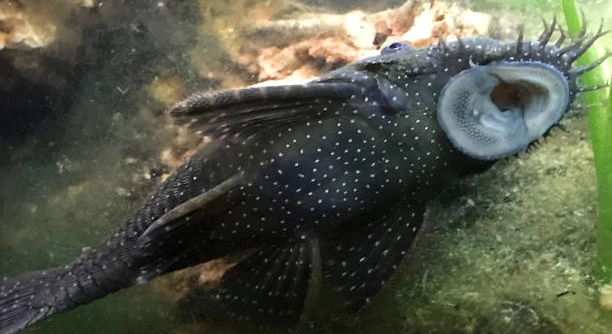
Is your pleco sitting quietly at the bottom of the tank while its food floats untouched? Many owners notice this behavior and worry about their fish’s health and eating habits. Understanding why it happens can ease concerns.
Plecos often ignore food due to stress, water conditions, or improper diet. Factors such as tank size, water temperature, pH balance, and the type of food offered directly influence their willingness to eat. Addressing these variables can restore regular feeding.
Learning about these feeding patterns can improve your pleco’s health. Exploring tank setup, diet choices, and daily care will reveal practical steps for a happier fish.
Stress and Environmental Factors
Stress is a common reason plecos may refuse to eat. Loud noises, excessive tank activity, or sudden changes in lighting can make them feel unsafe. Overcrowding with other fish can also increase stress, limiting their willingness to feed. Water quality is equally important; poor filtration or high ammonia and nitrate levels can harm their appetite. Maintaining consistent water temperature and pH within recommended ranges helps create a stable environment. Hiding spots and decorations allow plecos to feel secure. Observing your fish’s behavior can reveal signs of stress, such as hiding, erratic swimming, or lethargy. Adjusting environmental conditions gradually can improve comfort levels. Avoid sudden water changes or new decorations that might alarm the fish. Ensuring stress-free surroundings encourages natural feeding behavior and overall health. Proper tank setup and attention to water quality are simple yet effective ways to keep plecos eating regularly and comfortably.
Plecos under stress may eat less or stop entirely. Reducing disturbances and providing hiding spaces improves their feeding habits.
Consistency in tank care is essential. Regular monitoring of water parameters, gradual adjustments, and gentle handling help plecos adapt. Observing interactions between tank mates can prevent bullying or overcrowding, which often affects appetite. Simple improvements like adding driftwood or caves provide security and encourage natural grazing behavior. Over time, these measures create a calm environment where plecos feel safe to feed.
Diet and Feeding Habits
Plecos often ignore food that does not match their natural preferences. Offering the correct diet is crucial for maintaining appetite and health.
Plecos are primarily herbivores and require a mix of algae, vegetables, and occasional protein. Fresh vegetables like zucchini, cucumber, and spinach are ideal. Sinking pellets formulated for plecos provide necessary nutrients. Avoid overfeeding, as uneaten food can pollute the tank and reduce water quality. Feeding in the evening aligns with their natural nocturnal habits, increasing the likelihood they will eat. Introducing new foods slowly allows plecos to adjust and recognize them as edible. Observation helps determine preferences, and rotating vegetables and algae wafers can maintain interest. Additionally, supplementing with occasional protein, such as shrimp pellets, supports growth without overwhelming their system. Maintaining variety and consistency ensures that plecos receive balanced nutrition while minimizing the risk of refusal. Proper feeding techniques and attention to natural habits are essential to encourage regular consumption and overall well-being.
Water Quality and Tank Maintenance
Clean water is essential for plecos to eat regularly. Dirty tanks or sudden changes in water chemistry can cause them to stop feeding. Regular monitoring of ammonia, nitrite, and nitrate levels keeps conditions stable.
Maintaining water quality involves consistent testing and timely water changes. Ammonia and nitrite should always read zero, while nitrates should remain low. Using a reliable filter helps remove waste and prevents buildup of harmful toxins. Overfeeding can quickly pollute the tank, so uneaten food must be removed promptly. Substrates can trap debris, so occasional vacuuming is necessary. Temperature should match the species’ natural range to reduce stress and maintain metabolism. Proper lighting schedules also help regulate activity. Tanks with plants benefit from trimming dead leaves to prevent decay. By keeping water clean and stable, plecos remain healthy and more willing to eat consistently.
Plecos are sensitive to sudden water changes. Gradual adjustments in temperature and pH prevent stress that affects appetite.
Observing the tank for early signs of imbalance, such as cloudy water or unusual odors, is key. Small, regular maintenance tasks prevent problems before they escalate. Filters must be cleaned without removing all beneficial bacteria. Partial water changes are safer than full replacements. Avoid harsh chemicals or soaps that can harm fish. Introducing new fish requires quarantine to prevent disease and contamination. Maintaining consistent routines and paying attention to subtle changes ensures plecos remain comfortable. When water conditions are stable, feeding behavior typically returns to normal, supporting overall health and longevity.
Feeding Schedules and Timing
Feeding plecos at consistent times encourages regular eating. Irregular schedules can confuse them and reduce appetite. Maintaining a routine ensures they recognize feeding periods.
Plecos are naturally nocturnal and tend to eat more in the evening. Feeding during their active hours increases consumption and reduces leftover food. Offering small portions prevents water pollution and helps track how much your pleco eats. Some plecos prefer grazing throughout the night, so adding food before lights out works well. Observation helps adjust portion sizes and timing for individual preferences. Consistent schedules build trust and familiarity, reducing hesitation at mealtimes. Supplementing natural grazing with vegetables or algae wafers maintains variety and ensures balanced nutrition. Over time, plecos respond positively to predictable feeding routines, improving both appetite and health.
Adjusting feeding schedules to match natural habits improves eating consistency. Small, measured portions prevent waste and water contamination, making mealtimes easier to manage.
Tracking your pleco’s appetite helps identify issues early. If they skip meals, check water quality, stress levels, and diet. Adjust feeding times to match active periods and remove uneaten food promptly. Using a mix of vegetables, algae wafers, and occasional protein keeps interest high. Avoid sudden changes in diet that can trigger refusal. Observing behavior over several days provides insight into preferences and ensures they receive enough nutrition. By combining routine feeding with attentive care, plecos remain healthy, active, and willing to eat regularly, minimizing the risk of nutritional deficiencies.
Tank Mates and Compatibility
Aggressive or overly active tank mates can intimidate plecos, causing them to avoid food. Peaceful species reduce competition and stress, encouraging regular eating.
Observing interactions is essential. If plecos are chased or bullied, they may retreat and skip meals. Providing hiding spots and territories helps balance behavior and ensures all fish access food safely.
Health and Disease
Illness can reduce a pleco’s appetite. Signs include lethargy, unusual spots, or frayed fins. Early detection improves treatment success and encourages feeding once recovery begins.
Seasonal and Environmental Changes
Temperature fluctuations or seasonal shifts can impact metabolism and appetite. Plecos may eat less during cooler periods. Maintaining stable conditions helps sustain normal feeding patterns and overall health.
Observation and Adjustment
Careful observation allows detection of subtle changes in eating habits. Adjusting feeding times, portions, or diet based on behavior supports consistent consumption and well-being.
FAQ
Why is my pleco ignoring food even though the water looks fine?
Even if the water appears clean, subtle imbalances can affect appetite. Temperature fluctuations, pH changes, or hidden ammonia spikes can stress plecos. They are sensitive to minor water quality issues. Ensuring consistent parameters and performing regular tests often restores normal feeding behavior.
Can stress from tank mates make my pleco stop eating?
Yes. Aggressive or overly active tank mates can intimidate plecos. Even peaceful fish that compete for food may reduce their appetite. Providing hiding spots, separating overly dominant fish, or rearranging decorations can make plecos feel safer and more willing to eat.
Does the type of food matter for plecos?
Absolutely. Plecos prefer a mix of vegetables, algae, and specialized sinking pellets. Fresh vegetables like zucchini or cucumber and algae wafers meet their dietary needs. Introducing new foods slowly helps them accept changes and prevents refusal caused by unfamiliar items.
How often should I feed my pleco?
Feeding should align with their nocturnal habits. Offering small portions in the evening encourages natural grazing. Some plecos may feed intermittently overnight. Avoid overfeeding, as leftover food can pollute the tank and reduce appetite for future meals. Consistent schedules promote regular consumption.
Could illness be causing my pleco to ignore food?
Illness is a common reason for decreased appetite. Lethargy, frayed fins, white spots, or unusual swimming patterns may indicate disease. Identifying the problem early and treating it promptly increases the chances of recovery and restores normal feeding behavior.
Does temperature affect my pleco’s eating habits?
Yes. Plecos are ectothermic, meaning their metabolism changes with water temperature. Cooler water can slow digestion and appetite, while stable temperatures within their preferred range encourage regular feeding. Sudden changes should be avoided to prevent stress.
Should I adjust feeding if my pleco is hiding a lot?
Hiding is natural, but prolonged hiding combined with food refusal may signal stress or environmental discomfort. Feeding in areas near their hiding spots or adding more hiding spaces can help them feel secure enough to eat. Observation is key.
How long can a pleco go without eating?
Healthy plecos can survive several days without food, especially if they have algae in the tank to graze on. However, prolonged refusal may indicate illness, poor water quality, or stress. Prompt action is important to prevent malnutrition and health issues.
Can overfeeding cause my pleco to ignore food?
Yes. Overfeeding can lead to uneaten food polluting the tank, which stresses plecos. Excess nutrients may also change water quality. Feeding small, measured portions encourages consumption and prevents water contamination. Observing leftovers ensures appropriate portion sizes.
Does lighting affect feeding behavior?
Plecos are nocturnal and prefer dim or low-light conditions during feeding. Bright lights can make them hesitant to eat. Adjusting light schedules to simulate natural day and night cycles helps regulate activity and appetite, making mealtimes more successful.
Is it normal for plecos to skip meals occasionally?
Occasional skipped meals are normal, especially during minor stress or environmental changes. However, consistent refusal over several days warrants checking water quality, tank mates, diet, or health. Monitoring patterns helps determine if action is needed.
How can I encourage a picky pleco to eat?
Offering a variety of foods, feeding during their active hours, and providing safe spaces encourages eating. Slowly introducing new vegetables or algae wafers and observing their preferences makes them more likely to accept food consistently.
What signs show my pleco is finally eating again?
Signs include reduced hiding, active grazing, and emptying food portions. Improved energy and normal swimming behavior also indicate recovery. Regular monitoring ensures they continue eating and remain healthy.
This FAQ covers the most common reasons plecos might ignore food and offers practical steps to encourage regular feeding while maintaining their overall health.
Final Thoughts
Understanding why your pleco might be ignoring its food comes down to observing its behavior and maintaining a consistent environment. Plecos are sensitive fish that rely heavily on stable water conditions, proper tank setup, and a balanced diet. Even small changes in water temperature, pH levels, or tank cleanliness can affect their appetite. Overcrowding or aggressive tank mates can also create stress, causing plecos to hide and skip meals. Paying attention to these details can prevent feeding problems before they become serious. By monitoring water quality regularly, providing hiding spots, and ensuring peace in the tank, you create a safe space where your pleco feels comfortable and confident enough to eat. These adjustments may seem small, but they have a meaningful impact on your fish’s overall well-being.
Diet plays a crucial role in encouraging plecos to eat consistently. These fish are primarily herbivores and need a combination of vegetables, algae, and occasional protein to stay healthy. Fresh vegetables like zucchini, cucumber, and spinach are well-suited to their diet, while sinking pellets or algae wafers provide essential nutrients. Gradually introducing new foods helps plecos adjust without causing refusal due to unfamiliar items. Feeding them at the right time, typically during their natural nocturnal activity, improves the chances they will eat. Avoiding overfeeding is equally important, as leftover food can pollute the tank and discourage feeding. Tracking how much your pleco consumes each day allows you to fine-tune portion sizes and feeding routines. Maintaining variety and balance in their diet ensures they get the nutrition they need and keeps mealtimes predictable and stress-free.
Observation and patience are essential components of successful pleco care. These fish often communicate discomfort through subtle changes in behavior, such as hiding, reduced activity, or refusal to eat. By paying close attention to these signs, you can adjust the environment, feeding schedule, or diet before problems worsen. Regular maintenance, careful monitoring of water parameters, and attention to tank mates all contribute to a stable habitat. When plecos feel secure and are offered appropriate food in a consistent routine, they are much more likely to eat regularly. Over time, these efforts build a healthier, more predictable feeding pattern, reducing stress and supporting long-term well-being. Understanding their natural habits and responding thoughtfully to their needs ensures that your pleco remains active, healthy, and comfortable in its aquatic home.

Hello,
If you enjoy the content that we create, please consider saying a "Thank You!" by leaving a tip.
Every little bit helps us continue crafting quality advice that supports the health, happiness, and well-being of pets around the world, for pets of all shapes, sizes, and species.
We really appreciate the kindness and support that you show us!