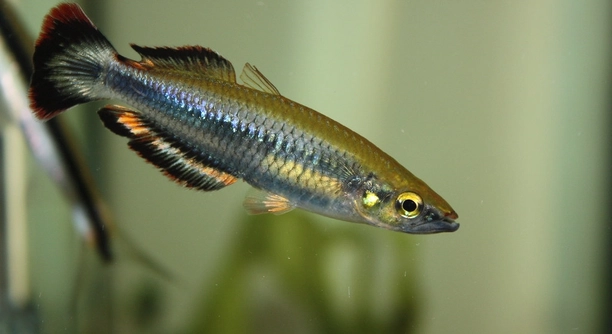
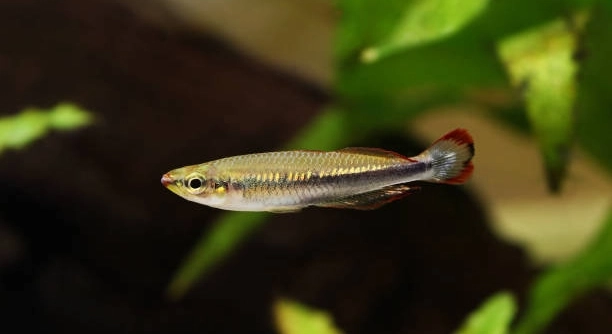
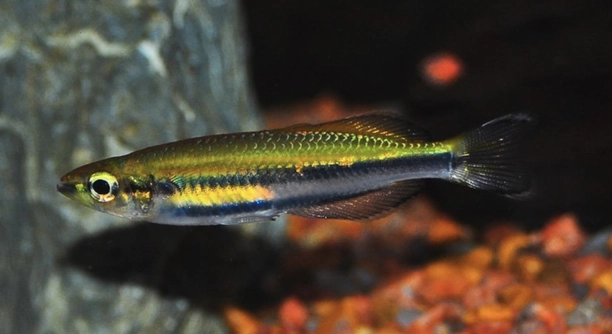
7 Tricks to Get Rainbowfish to Eat New Food
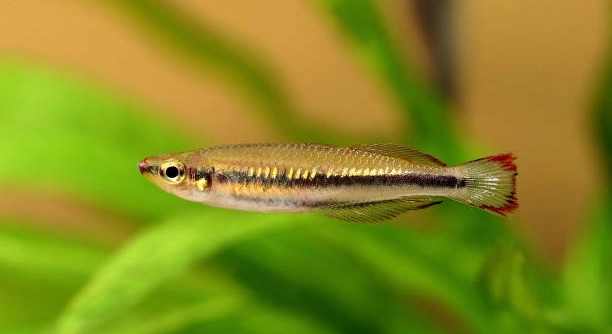
Do you ever notice your rainbowfish ignoring the new flakes or pellets you offer? It can be frustrating when your efforts to provide variety are met with hesitation or complete refusal from your colorful pets. Getting rainbowfish to eat new food often requires gradual introduction and consistency. Offering small amounts mixed with familiar food, maintaining … Read more
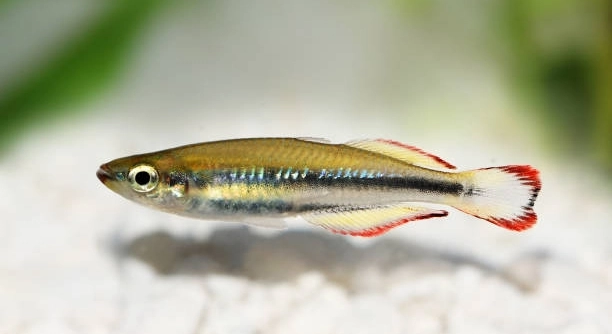
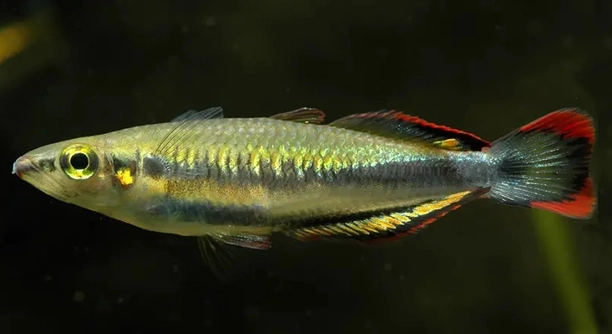
7 Reasons Your Rainbowfish Stays at the Top

Have you ever noticed your rainbowfish lingering near the waters surface for long periods, creating a scene that feels unusual and leaves you wanting to understand what might be influencing its behavior in your tank The primary reason a rainbowfish remains at the top of its tank is often linked to oxygen availability, as reduced … Read more

Can Rainbowfish Adapt to New Tanks Easily?

Rainbowfish are popular among aquarium enthusiasts for their vibrant colors and active nature. Moving them to a new tank can feel intimidating, but understanding their needs helps create a smooth transition for both fish and owner. Rainbowfish generally adapt well to new tanks when introduced gradually and provided with stable water conditions, proper diet, and … Read more

How to Spot a Confident Rainbowfish

Rainbowfish are small, colorful fish that often brighten up any aquarium. Observing their behavior can be enjoyable, especially when they move confidently and interact with their environment without hesitation or fear of other fish. A confident rainbowfish typically swims with steady movements, maintains an upright posture, and explores its surroundings actively. Bright, vivid colors, social … Read more

Can Rainbowfish Adapt to Different Owners?

Rainbowfish are colorful and lively pets that can brighten any home aquarium. Many owners enjoy watching their playful movements and shimmering scales as they swim gracefully through their environment each day. Rainbowfish can adapt to different owners over time, though their adjustment depends on consistent care, feeding routines, and gentle handling. Establishing a predictable environment … Read more

7 Things to Add for a Happy Rainbowfish Tank

Keeping a rainbowfish tank can be both calming and rewarding. These small, colorful fish thrive in environments that are carefully set up and maintained. Creating a space where they feel safe improves their health and longevity. To maintain a happy rainbowfish tank, it is essential to provide clean water, appropriate plants, hiding spots, balanced nutrition, … Read more

7 Tricks to Spot Early Health Issues

Are your daily routines keeping you healthy, or are small warning signs being overlooked? Many of us go about our days without noticing subtle changes that can indicate the early stages of health issues. Identifying health issues early involves observing consistent patterns in your body, including fatigue, changes in appetite, sleep, skin, and digestion. Early … Read more

Do Rainbowfish Adjust to a Routine Fast?

Have you ever set up a tank for your rainbowfish and noticed how they react to daily feeding times? Observing their small movements and routines can be both relaxing and surprisingly informative. Watching them closely reveals subtle patterns. Rainbowfish adjust to a routine relatively quickly, often showing predictable behavior within a few days. Consistent feeding … Read more

Why Rainbowfish Prefer Group Environments

Have you ever watched a group of rainbowfish glide through the water and noticed how calm and connected they seem in each other’s presence, creating a gentle flow that feels natural to their active nature. Rainbowfish prefer group environments because social structures reduce stress, improve foraging efficiency, and enhance survival through coordinated movement and shared … Read more

7 Unexpected Behaviors When Introducing New Fish

Introducing new fish to your aquarium can feel exciting but also a little stressful. Even experienced fish keepers notice surprising reactions when fish meet their new tank mates for the first time. These behaviors can vary widely. Newly introduced fish often display unexpected behaviors such as hiding, increased aggression, changes in feeding habits, or altered … Read more