
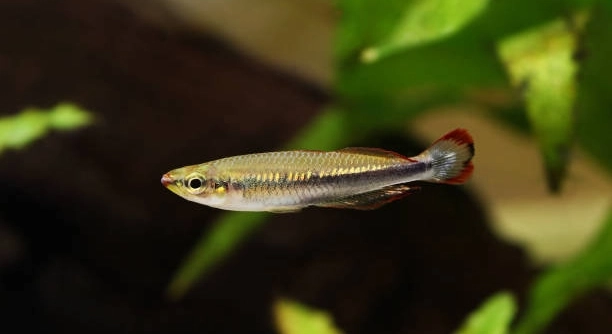
Rainbowfish are colorful and lively pets that can brighten any home aquarium. Many owners enjoy watching their playful movements and shimmering scales as they swim gracefully through their environment each day.
Rainbowfish can adapt to different owners over time, though their adjustment depends on consistent care, feeding routines, and gentle handling. Establishing a predictable environment and interacting calmly allows them to become accustomed to new caregivers.
Observing how your rainbowfish responds to changes can reveal a lot about their comfort and behavior patterns in a new home.
Understanding Rainbowfish Behavior
Rainbowfish are naturally social and active, which makes them engaging to watch. They communicate through movement, color changes, and subtle interactions with their environment. Observing their swimming patterns and how they respond to stimuli can give insight into their comfort level. When introduced to a new owner, they may initially hide or swim cautiously. Over time, consistent feeding and gentle presence help them feel secure. Their ability to adapt is linked to their recognition of routine and the predictability of their surroundings. Clear boundaries in handling, combined with patience, encourage trust. Adjusting water temperature, tank setup, and diet gradually can make transitions smoother. Rainbowfish also respond to visual cues, so maintaining a calm and quiet space supports their adjustment. Small interactions, like approaching the tank slowly or offering food, can reinforce positive associations with the new caregiver. Each fish may vary in how quickly they acclimate, so attentiveness to their behavior is key to fostering comfort.
Adapting to a new owner takes time, but patience and consistency make a significant difference in their behavior.
Monitoring their swimming, feeding, and color changes will indicate how well they are adjusting, helping owners refine care techniques for better adaptation.
Creating a Comfortable Environment
Providing a stable and enriched tank environment helps rainbowfish settle more easily. Minimal disruptions, regular feeding schedules, and hiding spots reduce stress.
Tank setup is crucial for rainbowfish comfort. They thrive in clean, well-oxygenated water with stable temperature and pH levels. Plants and decorations offer hiding spaces and simulate natural habitats, promoting confidence. Lighting should mimic natural cycles, and avoiding sudden loud noises keeps them calm. Gradual introductions of new tankmates prevent aggressive encounters. Regular water changes maintain optimal conditions and prevent illness, supporting overall well-being. Feeding a balanced diet with high-quality flakes, frozen, or live foods encourages healthy growth and reinforces positive interactions with the owner. Observing their reactions to changes allows timely adjustments. Consistency in care routines establishes familiarity, which accelerates adaptation to a new owner. Each rainbowfish may respond differently, but with attention to environment, nutrition, and gentle interaction, most adjust successfully. Creating a calm, structured, and engaging space fosters trust, health, and longevity for these colorful pets.
Building Trust with Rainbowfish
Consistency is key when interacting with rainbowfish. Regular feeding, gentle movements, and predictable routines help them recognize and feel comfortable around you.
Patience during feeding times encourages rainbowfish to approach without fear. Offering food at the same time each day, avoiding sudden hand movements, and speaking softly near the tank can create positive associations. Over time, they begin to associate your presence with safety and nourishment. Avoid tapping the glass or startling them, as sudden changes can trigger stress responses. Spending short periods near the tank daily reinforces familiarity and reduces anxiety. Visual cues, like hand placement or gestures, also help them learn that interaction is safe. These small steps gradually build trust.
Observing their behavior during interactions provides valuable insight into their comfort level. Signs such as swimming closer, displaying bright colors, or responding to food indicate successful adaptation. Adjusting interaction methods based on these cues ensures the rainbowfish feel secure and willing to engage, strengthening the bond with their new owner.
Handling Changes in Care
Rainbowfish respond better to gradual adjustments rather than abrupt changes in their care. Consistent routines maintain stability and reduce stress.
When changing water conditions, diet, or tankmates, it is important to introduce alterations slowly. Sudden shifts in temperature, pH, or feeding schedules can trigger avoidance behaviors or illness. Start with minor changes and monitor reactions carefully, adjusting at a pace that the fish can tolerate. Incorporating familiar elements, such as previous decorations or preferred foods, eases transitions. Consistent observation allows owners to detect early signs of discomfort or stress. Maintaining a calm environment, avoiding loud noises, and providing hiding spots further supports adaptation. By approaching changes methodically, rainbowfish remain healthy, confident, and responsive to their surroundings, ultimately thriving under new care conditions.
Recognizing Stress Signals
Rainbowfish show stress through changes in behavior, color, and activity. Rapid swimming, hiding frequently, or dull coloration are common indicators.
Stress can also appear during feeding or when new objects are added to the tank. Recognizing these signs early helps prevent health issues and supports quicker adaptation.
Gradual Socialization Techniques
Introducing rainbowfish to a new owner or tankmates should be slow and steady. Allow them to observe the environment and other fish without forcing interaction. Controlled exposure and positive reinforcement, like feeding in presence of others, encourages confidence. Over time, rainbowfish learn to navigate social situations while remaining calm, reducing anxiety and improving overall well-being.
Maintaining Long-Term Comfort
Routine maintenance, including water changes and monitoring diet, ensures rainbowfish remain comfortable. Stability in their environment promotes trust and reduces stress.
FAQ
Can rainbowfish remember their owners?
Rainbowfish have the ability to recognize regular caretakers over time. Through consistent feeding and gentle presence, they begin to associate certain people with safety and food. While their memory is not as advanced as mammals, repetition helps them identify familiar caregivers. Frequent interaction and calm handling strengthen this recognition. Rainbowfish may swim closer during feeding or respond to hand movements they’ve seen before. Signs like following your hand along the tank or showing brighter coloration when you are near indicate recognition. Establishing a daily routine is the most effective way to reinforce this familiarity, allowing them to feel comfortable in your presence and reducing stress during care.
How long does it take for rainbowfish to adapt to a new owner?
Adaptation varies depending on the individual fish and the stability of the tank environment. Some rainbowfish may adjust within a few days if handled gently and introduced gradually, while others may take several weeks. Consistency in feeding times, calm presence, and predictable water conditions accelerates the adjustment process. Avoid sudden changes in water temperature, diet, or tank layout during this period, as disruptions can prolong stress. Offering familiar foods and maintaining a steady routine gives the fish confidence. Observation is important; noticing whether they swim freely, explore the tank, and display natural colors helps gauge adaptation progress.
What behaviors indicate rainbowfish are comfortable with their new owner?
Comfortable rainbowfish show curiosity and reduced fear. They may swim closer to the front of the tank, display vibrant colors, and interact with objects or tankmates without hiding. Approaching your hand during feeding, following movements, or gently nibbling food offered indicates trust. Calm, steady swimming patterns also suggest that the fish feels secure. In contrast, darting, hiding, or staying in corners signals stress or discomfort. These behavioral cues allow owners to adjust their approach and create a calmer, more familiar environment. Monitoring responses over time ensures they gradually feel at ease with you as their new caregiver.
Can rainbowfish adapt to multiple caretakers?
Rainbowfish can become familiar with more than one person if each caretaker follows a similar routine and approach. Consistent feeding schedules, calm movements, and gentle interactions across caretakers help fish recognize and trust multiple individuals. Sudden differences in handling style or feeding practices can cause confusion, so coordination among caretakers is key. Sharing techniques for hand positioning, timing, and food presentation ensures rainbowfish maintain comfort. Over time, they may respond positively to several people, swimming toward anyone providing familiar cues. Maintaining clear, consistent routines is crucial for multi-caretaker adaptation.
Do rainbowfish prefer a single owner over multiple people?
While rainbowfish can adapt to multiple people, many show stronger recognition of a single primary caregiver due to repeated interactions. Regular feeding, calm handling, and consistent environmental care strengthen the bond with one person. If multiple individuals interact with the fish, uniformity in approach helps prevent stress. Rainbowfish tend to feel more secure with someone who consistently provides food and gentle presence. They may approach the primary caregiver first but eventually accept others as they recognize consistent behavior patterns. Building trust is gradual and requires patience from each person involved.
What steps help rainbowfish adjust faster to a new owner?
Gradual introduction, consistent feeding, and minimal disruption to the tank setup are essential. Avoid sudden changes in water conditions or moving decorations too quickly. Daily short interactions allow the fish to observe the new caretaker and associate them with positive experiences. Offering high-quality foods during these sessions reinforces trust. Providing hiding spots helps the fish feel secure while adjusting. Visual cues, such as hand placement during feeding, create familiarity. Monitoring swimming patterns, color, and activity levels gives insight into their comfort. Adjusting care based on these observations ensures smoother adaptation.
Is it normal for rainbowfish to hide at first?
Yes, hiding is a natural response to a new environment or unfamiliar person. It is a protective behavior while they assess safety. As they recognize routines and gain confidence, they begin exploring and swimming more openly. Avoid forcing interaction during this period, and provide spaces where they feel secure. Gradually, with calm presence and predictable care, hiding decreases, and fish display natural behaviors like schooling, feeding, and displaying vibrant colors. Patience is essential, as forcing contact can increase stress and slow the adaptation process.
Can rainbowfish change behavior with a new owner?
Rainbowfish may become more cautious or shy when introduced to a new caretaker. Their behavior reflects adjustment to new routines, handling, and environmental cues. Over time, consistent feeding, gentle presence, and a stable environment encourage them to regain normal activity levels. Watching their swimming patterns, color changes, and interactions with tankmates provides feedback on how well they are adapting. Adjusting care based on these observations ensures that rainbowfish feel secure and respond positively, gradually returning to confident and active behavior.
Are there any signs that rainbowfish are stressed with a new owner?
Stress can appear through rapid swimming, hiding, loss of color, or reduced appetite. Increased aggression toward tankmates or constant cornering are also indicators. Recognizing these signs early allows owners to adjust their approach, reduce disturbances, and maintain consistent routines. Stress can impact health, so monitoring water quality, diet, and environmental conditions is equally important. Reducing noise, providing hiding spots, and approaching calmly during feeding helps alleviate tension. Early intervention ensures smoother adaptation, promoting trust and long-term well-being for the fish.
How important is tank environment for adaptation?
The tank setup directly influences how quickly rainbowfish adjust. Stable water temperature, proper filtration, and sufficient oxygen levels create a safe space. Plants, decorations, and hiding spots simulate natural habitat, reducing stress and encouraging exploration. Lighting and minimal disturbances further support comfort. Consistency in care routines reinforces familiarity, helping rainbowfish recognize and trust their owner. Gradual changes in the environment, like adding new tankmates or rearranging decorations, should be carefully monitored. A well-maintained, structured environment promotes healthy behavior, proper adaptation, and reduces stress during the transition to a new caretaker.
Final Thoughts
Rainbowfish are colorful and active pets that can bring a lot of life to any aquarium. Their adaptation to new owners largely depends on consistency, patience, and a calm approach. Observing their behavior closely allows caretakers to understand their comfort level and respond accordingly. Small, predictable routines help rainbowfish feel secure in a new environment. Feeding them at the same times each day, offering familiar foods, and interacting gently encourages trust and reduces stress. Over time, these actions make rainbowfish more confident and responsive to their new owner, which creates a positive and rewarding experience for both the fish and the caretaker.
Providing a stable and supportive environment is just as important as gentle handling. Water quality, temperature, and tank setup play a major role in how well rainbowfish adjust. Plants, hiding spots, and decorations simulate their natural habitat, giving them safe spaces to explore and retreat when needed. Minimizing sudden changes in lighting, tank layout, or feeding practices prevents unnecessary stress. Even small details, like avoiding loud noises or sudden movements near the tank, can make a big difference in how comfortable they feel. By maintaining a consistent and calm environment, caretakers can help their rainbowfish adapt more quickly and develop healthy routines that support long-term well-being.
Building trust with rainbowfish takes time, but it is a gradual and manageable process. Each fish may respond differently, so patience and careful observation are key. Recognizing signs of stress, such as hiding or color dulling, allows owners to make adjustments and provide reassurance. Over time, consistent care, gentle presence, and a stable environment lead to noticeable improvements in behavior. Rainbowfish begin to display normal activity, swim confidently, and respond positively to interactions with their new owner. By understanding their needs and responding thoughtfully, caretakers can ensure that rainbowfish thrive, feel safe, and form a sense of familiarity with the people caring for them.

Hello,
If you enjoy the content that we create, please consider saying a "Thank You!" by leaving a tip.
Every little bit helps us continue crafting quality advice that supports the health, happiness, and well-being of pets around the world, for pets of all shapes, sizes, and species.
We really appreciate the kindness and support that you show us!