
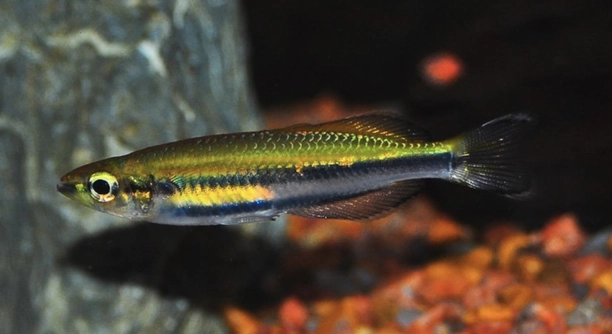
Keeping a rainbowfish tank can be both calming and rewarding. These small, colorful fish thrive in environments that are carefully set up and maintained. Creating a space where they feel safe improves their health and longevity.
To maintain a happy rainbowfish tank, it is essential to provide clean water, appropriate plants, hiding spots, balanced nutrition, proper lighting, gentle filtration, and occasional decorations. Each factor contributes to reducing stress and promoting natural behaviors, resulting in healthier, more active fish.
Adding these elements thoughtfully will make your tank more vibrant and enjoyable, ensuring your rainbowfish live comfortably in their aquatic environment.
Clean and Stable Water
Maintaining clean and stable water is the foundation of a healthy rainbowfish tank. Rainbowfish are sensitive to changes in water quality, and fluctuations can stress them quickly. Regular water changes, at least 25% weekly, help remove waste and toxins that accumulate over time. Using a reliable water test kit allows monitoring of ammonia, nitrite, nitrate, and pH levels. Keeping the water temperature consistent between 74°F and 78°F supports their active behavior. Avoid sudden changes in temperature or chemical treatments, as these can shock the fish. A good filtration system helps circulate the water and keep it oxygenated, but it’s important to balance flow so it’s not too strong for the fish. Observing your rainbowfish daily gives early signs of illness or stress. Small adjustments can prevent major health problems. With proper attention, your tank will remain clear, safe, and comfortable for your rainbowfish.
Consistent water maintenance ensures a healthy, low-stress environment. This prevents disease and keeps fish lively and colorful.
Investing time in water stability benefits both you and your rainbowfish. It reduces stress, encourages natural swimming patterns, and enhances color vibrancy. Clean water also allows plants and beneficial bacteria to thrive, creating a balanced ecosystem. Regular monitoring of water chemistry prevents toxic buildup and promotes long-term health. Even minor issues, like leftover food or decaying plant matter, can change water quality quickly, so attention to detail is important. Over time, maintaining water consistency becomes routine, making the tank easier to manage. Rainbowfish are more interactive and active when their environment is stable, allowing for natural schooling behavior. In addition, stable water reduces the likelihood of disease outbreaks, which can be costly and stressful. By prioritizing water cleanliness and stability, you create a space where both fish and plants flourish, giving the tank a lively, harmonious feel that is rewarding to watch.
Live Plants and Hiding Spots
Live plants provide oxygen and help reduce harmful chemicals, while hiding spots offer shelter and comfort. Rainbowfish feel secure when they have areas to retreat.
Adding plants and decorations should be done carefully. Use smooth rocks, driftwood, or caves that do not have sharp edges. Select plants that thrive in your tank conditions, such as Java fern or Anubias, which tolerate various lighting and water parameters. Arrange them to create layers, giving fish space to swim and hide. Hiding spots reduce stress and encourage natural behaviors, especially during feeding or when new fish are introduced. The combination of plants and shelters also enhances the visual appeal of the tank, creating a more natural and engaging environment. Observing rainbowfish interact with these elements shows they feel safer and more confident. By planning plant placement and choosing suitable decorations, your aquarium becomes a dynamic space that supports the health and activity of your rainbowfish while adding aesthetic value to your home.
Balanced Nutrition
Rainbowfish need a varied diet to stay healthy and colorful. Feeding them high-quality flakes, frozen, or live foods ensures they get essential nutrients for growth and energy.
Providing a mix of protein-rich foods like brine shrimp or daphnia along with vegetable-based options supports overall health. Avoid overfeeding, as leftover food can foul the water and harm fish. Feed small amounts two to three times a day, allowing them to consume everything within a few minutes. Rotating food types keeps their diet interesting and encourages natural foraging behavior. Supplements like spirulina or occasional treats can enhance color and vitality. Paying attention to their eating habits also helps detect early signs of illness.
A consistent feeding routine and diet balance prevent nutritional deficiencies and promote bright coloration. Rainbowfish thrive when their diet mimics natural food sources, encouraging active swimming and social interaction. Balanced nutrition supports longevity and resilience, making your aquarium a more lively and vibrant environment.
Proper Lighting
Lighting affects fish behavior and plant growth. Providing 8-10 hours of moderate light per day maintains a natural day-night cycle.
Use a timer to ensure consistency. Too much light can stress fish and encourage algae growth, while too little affects plant health and water quality. Proper lighting also helps rainbowfish display their full color, especially during active periods. Consider LED lights that simulate daylight, enhancing both the tank’s aesthetics and fish wellbeing. Monitoring light intensity and duration ensures fish remain comfortable, while plants flourish.
Balanced lighting contributes to a stable tank ecosystem. It regulates feeding, swimming, and resting patterns, supporting the overall health of rainbowfish. Proper illumination prevents stress-related behavior, such as hiding or lethargy. Plants respond positively, producing oxygen and providing shelter. Avoid sudden changes in lighting, as abrupt shifts can startle fish and affect their immune system. Light placement matters too; ensure even coverage without creating overly bright spots or dark corners. Maintaining a natural rhythm through consistent lighting helps your rainbowfish stay active, colorful, and healthy, complementing other tank elements like filtration, nutrition, and decor.
Gentle Filtration
A gentle filter keeps water clean without creating strong currents that stress rainbowfish. Sponge filters or adjustable flow filters work well in most tanks.
Regular filter maintenance is important. Rinse media in tank water to avoid killing beneficial bacteria. Check flow rate and remove debris to ensure water moves smoothly, keeping the environment healthy and stable.
Occasional Decorations
Adding occasional decorations, like smooth stones or driftwood, provides visual interest and extra hiding spots. Avoid sharp edges that could harm fish.
Decorations create a more natural setting, encouraging exploration. Rotate or rearrange them occasionally to keep the tank stimulating, allowing rainbowfish to feel comfortable while exploring different areas.
Monitoring Behavior
Observe your rainbowfish daily for changes in swimming, feeding, or social interactions. These signs indicate their comfort and health in the tank.
Consistent observation helps detect early stress or illness. Acting promptly ensures your rainbowfish remain active, healthy, and display their natural vibrant colors in a balanced environment.
FAQ
How often should I change the water in my rainbowfish tank?
Water changes should be done at least once a week, replacing about 25% of the tank water. This helps remove waste, toxins, and excess nutrients that can harm fish. Frequent partial changes maintain stable water chemistry without shocking the rainbowfish, keeping them active and healthy.
What types of food are best for rainbowfish?
A balanced diet includes high-quality flakes, frozen or live foods like brine shrimp, daphnia, and bloodworms. Supplementing with vegetable-based foods, such as spirulina or blanched greens, ensures they get essential vitamins and minerals. Rotating foods encourages natural foraging and keeps the fish engaged and vibrant.
How many rainbowfish should I keep in a tank?
Rainbowfish are schooling fish and feel most comfortable in groups. A minimum of six is recommended for small tanks, with larger groups in bigger aquariums. Keeping them in proper numbers reduces stress, promotes natural behaviors, and encourages social interaction.
What water parameters are ideal for rainbowfish?
Rainbowfish prefer a temperature range of 74°F to 78°F, pH between 6.5 and 7.5, and moderate hardness. Stability is more important than exact numbers. Regular testing ensures that ammonia and nitrite levels remain at zero, and nitrate stays below 40 ppm for a healthy tank.
Do rainbowfish need live plants?
Live plants are highly recommended as they provide oxygen, absorb toxins, and offer hiding spots. Hardy plants like Anubias, Java fern, and Cryptocoryne thrive in typical tank conditions. Plants also create natural territories, reduce stress, and encourage fish to explore their environment actively.
How can I prevent algae growth?
Algae can be controlled by maintaining consistent lighting, avoiding overfeeding, and keeping nutrient levels balanced. Adding live plants competes for nutrients, reducing algae opportunities. Regular cleaning of glass and decorations, combined with a proper filtration system, helps keep algae under control.
What is the best tank setup for rainbowfish?
A tank should provide open swimming space, planted areas, and hiding spots. Smooth rocks, driftwood, and caves are ideal. A gentle filter, stable temperature, and moderate lighting complete the setup. A mix of planted and open areas encourages active schooling while providing security when needed.
How can I tell if my rainbowfish is stressed?
Signs of stress include hiding excessively, loss of appetite, faded colors, or erratic swimming. Stress often results from poor water quality, aggressive tankmates, or sudden changes in the environment. Monitoring daily behavior and maintaining optimal conditions prevents prolonged stress and promotes well-being.
Can rainbowfish live with other fish?
Rainbowfish are generally peaceful and can coexist with other non-aggressive species of similar size. Avoid fin-nipping or overly aggressive fish. Schooling behavior is crucial, so ensuring compatible companions reduces stress and allows all fish to display natural activity patterns.
Do decorations affect fish health?
Yes, decorations influence comfort and safety. Smooth, non-toxic materials prevent injury, while plants and hiding spots reduce stress. Overcrowding decorations can restrict swimming, so balance is essential. Observing how fish interact with their environment ensures both aesthetics and health are maintained.
How do I encourage natural colors in rainbowfish?
Bright, consistent colors come from proper nutrition, stable water conditions, and low stress. A mix of live or high-quality frozen foods, regular water changes, and minimal disturbances enhances their natural hues. Group schooling behavior also contributes to showing off their best colors.
How important is monitoring tank conditions?
Daily observation of behavior, water clarity, and equipment function is critical. Early detection of issues like temperature fluctuations, filter problems, or illness prevents long-term health problems. Keeping records or notes helps track patterns and ensures rainbowfish thrive over time.
What is the ideal tank size for rainbowfish?
Tank size depends on the number of fish. A minimum of 20 gallons is recommended for small groups, but larger tanks provide better swimming space and stable conditions. More space reduces territorial conflicts, allows for natural schooling, and improves overall health and activity.
How do I introduce new rainbowfish to an established tank?
Quarantine new fish for at least two weeks to prevent disease. Introduce them gradually, monitoring behavior closely. Rearranging decorations before adding new fish helps reduce territorial aggression and makes the new rainbowfish feel more secure in their environment.
What maintenance tasks should I do weekly?
Weekly tasks include partial water changes, testing water parameters, checking filter function, and observing fish behavior. Remove uneaten food and debris, trim plants if necessary, and ensure all equipment runs smoothly. Consistency in maintenance prevents stress, illness, and poor water quality.
How long do rainbowfish typically live?
With proper care, rainbowfish can live 5 to 8 years, sometimes longer. Lifespan depends on diet, water quality, tank environment, and stress levels. Consistent care, balanced nutrition, and a stable, enriched environment contribute significantly to their longevity.
What are common health issues in rainbowfish?
Rainbowfish can suffer from parasitic infections, fungal issues, or fin damage. Poor water quality and overcrowding increase risks. Quarantining new fish, maintaining clean water, and providing a balanced diet help prevent health problems. Early detection and treatment are essential for recovery.
Can I breed rainbowfish at home?
Breeding is possible in a separate tank with slightly cooler water and fine-leaved plants for egg-laying. Pair healthy, mature fish and feed them high-quality food. Remove adults after eggs are laid to prevent predation. Fry require small live or powdered foods to grow successfully.
Is it necessary to use a heater in the tank?
Yes, maintaining a stable temperature between 74°F and 78°F is important. A heater ensures consistency, especially in cooler climates or rooms with fluctuating temperatures. Sudden drops in temperature can stress rainbowfish, weaken their immune system, and reduce activity.
How do I keep rainbowfish active and social?
Provide open swimming areas, maintain a proper group size, and include plants and decorations for exploration. Balanced nutrition and stable water conditions encourage natural schooling and playful behavior. Avoid overcrowding and aggressive tankmates, as these can reduce activity and social interaction.
Can I keep rainbowfish in a community tank with tropical fish?
Yes, rainbowfish generally coexist well with peaceful tropical species of similar size. Ensure compatible water parameters and avoid fin-nippers or overly aggressive fish. Proper group size, hiding spots, and consistent care support harmonious interactions.
How important is water testing for rainbowfish?
Regular testing for ammonia, nitrite, nitrate, and pH is crucial. Rainbowfish are sensitive to fluctuations, and monitoring ensures early detection of imbalances. Maintaining stable water conditions reduces stress, prevents illness, and promotes long-term health and vibrant coloration.
Do rainbowfish need a special type of substrate?
Substrate choice affects plant growth and fish comfort. Fine gravel or sand works well, allowing root plants to thrive. Smooth substrates prevent injury during foraging and add to the tank’s natural appearance. Avoid sharp or rough materials that could damage fins.
How can I prevent aggression among rainbowfish?
Maintaining proper group size, providing hiding spots, and ensuring enough swimming space reduces stress and aggression. Avoid overcrowding and monitor for bullying. Rearranging plants and decorations periodically helps establish new territories and keeps interactions peaceful.
Are there signs of illness I should watch for?
Symptoms include faded colors, clamped fins, lethargy, loss of appetite, rapid breathing, or unusual spots. Early detection is essential for treatment and recovery. Regular observation and maintaining optimal tank conditions help prevent most common illnesses.
How do I clean the tank without stressing rainbowfish?
Perform partial water changes, gently vacuum substrate, and clean decorations carefully. Avoid drastic changes in temperature or water chemistry. Remove debris and maintain equipment with minimal disturbance. Slow, consistent cleaning helps rainbowfish remain comfortable.
Can rainbowfish tolerate different water hardness?
Rainbowfish adapt to moderate hardness but prefer stable conditions. Rapid changes in hardness can stress them. Test water regularly and make gradual adjustments when needed. Consistent parameters promote health, vibrant coloration, and normal behavior.
What is the best way to acclimate new fish?
Float the bag in the tank for temperature equalization, then gradually mix tank water over 20-30 minutes. This reduces stress and helps fish adjust to pH, hardness, and other parameters. Careful acclimation improves survival and comfort in the new environment.
How important is aeration in a rainbowfish tank?
Aeration maintains oxygen levels, especially in densely planted or heavily stocked tanks. Gentle bubbles or a properly functioning filter ensures healthy respiration. Adequate oxygen supports active swimming, feeding, and overall fish health.
Can rainbowfish live alone?
Rainbowfish are social and thrive in groups. Keeping a single fish can cause stress, reduced activity, and dull coloration. A small school of at least six allows natural behaviors and promotes overall wellbeing.
How do I reduce nitrate buildup?
Regular water changes, not overfeeding, and adding live plants help reduce nitrates. Efficient filtration and vacuuming the substrate remove debris. Keeping nitrate levels low supports long-term fish health and prevents algae overgrowth.
Do rainbowfish need a specific pH range?
Yes, they prefer slightly acidic to neutral water, around 6.5-7.5. Sudden shifts outside this range can cause stress and health issues. Stable pH, along with temperature and hardness control, is key for a thriving tank.
What temperature fluctuations are safe for rainbowfish?
Minimal fluctuations, within 2-3°F, are generally safe. Sudden drops or spikes can stress fish and weaken their immune system. A reliable heater and monitoring ensure consistent temperature and fish comfort.
How often should I trim plants in the tank?
Trim plants as needed to prevent overgrowth, remove dead leaves, and maintain swimming space. Healthy plants support water quality, provide hiding spots, and contribute to a stable, low-stress environment.
Is it necessary to quarantine plants before adding them?
Yes, new plants can carry pests or algae. Rinsing, inspecting, or quarantining helps prevent introducing problems to the tank. Proper preparation keeps the environment safe for rainbowfish and other inhabitants.
Can I use artificial plants instead of live ones?
Artificial plants provide hiding spots but don’t offer oxygen or nutrient absorption. Live plants enhance water quality, reduce algae, and encourage natural behaviors. Combining both types can create a visually appealing and functional tank.
How do I encourage breeding in rainbowfish?
Provide a separate tank with fine-leaved plants for egg-laying, maintain slightly cooler water, and feed high-quality foods. Remove adults after eggs are laid. Fry require small live or powdered foods to grow successfully. Consistency and care improve breeding success.
What should I do if a fish becomes sick?
Isolate the affected fish in a quarantine tank and identify the illness. Treat promptly with appropriate medication or methods. Maintain clean water and monitor other fish closely to prevent spread and ensure full recovery.
How can I prevent fin damage?
Avoid sharp decorations, aggressive tankmates, and overcrowding. Gentle filtration and smooth substrates reduce risk. Healthy water and proper nutrition also support strong fins and overall resilience.
Are rainbowfish sensitive to chemicals?
Yes, they are highly sensitive to chlorine, heavy metals, and medications. Always treat tap water and follow dosage instructions carefully. Avoid introducing unknown substances that could harm the fish.
Can I use a cover or hood on the tank?
Yes, a cover prevents fish from jumping out and reduces evaporation. Ensure adequate ventilation to maintain oxygen levels. Covers also help maintain temperature stability and protect the tank from debris.
How long should rainbowfish be observed each day?
Daily observation, even for a few minutes, is enough to detect stress, illness, or abnormal behavior. Monitoring ensures problems are addressed early, keeping the fish active, healthy, and displaying their natural colors.
What is the most important factor for rainbowfish happiness?
Stable water, proper nutrition, adequate space, and social interaction are key. A balanced environment with plants, hiding spots, and gentle filtration promotes low stress and natural behavior, ensuring vibrant, healthy, and content rainbowfish.
How do I introduce new tankmates safely?
Quarantine new fish, monitor behavior, and add them gradually. Rearrange decorations to reduce territorial disputes. Compatible species, proper group sizes, and observation ensure a peaceful, harmonious tank environment.
Can rainbowfish tolerate lower temperatures temporarily?
Short, minor drops of 2-3°F are generally tolerated, but prolonged exposure to cooler water can stress fish and weaken immunity. Consistent temperatures are best for health, activity, and coloration.
Are rainbowfish compatible with shrimp or snails?
Yes, peaceful shrimp and snails can coexist, adding interest and helping with algae control. Avoid aggressive shrimp species or overcrowding to maintain harmony. Observing interactions ensures all tank inhabitants thrive.
How do I maintain color vibrancy in rainbowfish?
Balanced diet, low stress, stable water parameters, and proper lighting enhance natural coloration. Healthy social groups and an enriched environment encourage active, colorful displays, making the aquarium visually appealing.
Is it necessary to use a water conditioner?
Yes, conditioning tap water removes chlorine, chloramines, and heavy metals. It makes water safe for rainbowfish, preventing stress and supporting long-term health. Proper treatment is essential before each water change.
Can rainbowfish live in brackish water?
No, they are strictly freshwater fish. Even slight salinity can stress them, affect health, and reduce lifespan. Stick to clean, stable freshwater conditions for optimal wellbeing.
How do I know if my tank is overstocked?
Signs include overcrowding, aggressive behavior, poor water quality, or stressed fish. Follow recommended group sizes and tank volumes. Overstocking increases disease risk, reduces activity, and negatively impacts fish health.
Are rainbowfish nocturnal or diurnal?
Rainbowfish are diurnal, active during the day and resting at night. Providing a consistent light cycle supports natural behavior, feeding patterns, and overall wellbeing.
How do I reduce stress when cleaning the tank?
Clean gradually, avoid sudden water changes, and move decorations carefully. Maintain stable water temperature and parameters. Minimizing disturbances keeps rainbowfish comfortable and healthy.
Can rainbowfish adapt to new environments quickly?
They adapt best with gradual acclimation, stable water parameters, and proper hiding spots. Sudden changes can stress them, affecting color, appetite, and activity levels. Proper preparation ensures a smooth transition.
Do rainbowfish require social interaction to thrive?
Yes, schooling behavior is essential. Isolation causes stress, dull coloration, and reduced activity. Keeping groups allows natural interaction, swimming patterns, and comfort.
What is the best way to clean decorations?
Rinse them in tank water during water changes. Avoid soaps or chemicals. Clean surfaces gently to remove debris, maintaining safety and hygiene without harming beneficial bacteria.
How do I handle sudden illness outbreaks?
Quarantine affected fish, identify the issue, and treat promptly. Maintain excellent water quality and monitor other fish closely. Rapid response limits spread and improves recovery chances.
Can rainbowfish live with bettas?
It depends on the betta’s temperament. Peaceful bettas may coexist, but aggressive individuals can stress or injure rainbowfish. Observe interactions carefully and provide hiding spots.
Are rainbowfish suitable for beginners?
Yes, they are relatively hardy, colorful, and active. With proper care, stable water, balanced diet, and attention to group dynamics, beginners can successfully maintain rainbowfish aquariums.
Do rainbowfish need supplemental vitamins?
Occasional supplements like spirulina or vitamin-enriched foods can enhance coloration and health. A varied diet usually provides most necessary nutrients without over-reliance on supplements.
How long should new fish be quarantined?
At least two weeks is recommended. Quarantine prevents disease introduction and allows observation for health issues before adding fish to the main tank.
Can rainbowfish jump out of the tank?
Yes, they can leap unexpectedly. A secure lid or cover prevents escape, ensuring safety and maintaining stable tank conditions.
What is the ideal group size for rainbowfish?
A minimum of six fish is recommended. Larger groups in spacious tanks reduce stress, promote schooling, and encourage natural behaviors.
How do I prevent bullying in a rainbowfish tank?
Provide ample swimming space, hiding spots, and maintain proper group sizes. Rearranging decorations and monitoring behavior reduces aggression and maintains harmony.
Can I use tap water without treatment?
No, tap water usually contains chlorine, chloramines, or metals. Always condition water before adding it to the tank to prevent stress and health issues.
What temperature is too high for rainbowfish?
Temperatures above 80°F can cause stress, reduce oxygen levels, and increase disease risk. Maintain 74°F–78°F for optimal activity and longevity.
How do I remove uneaten food safely?
Use a siphon or net to remove leftover food after feeding. This prevents water contamination, reduces algae growth, and keeps the tank environment healthy.
Are rainbowfish sensitive to noise or vibrations?
Yes, excessive noise or vibrations can stress them. Place the tank in a quiet, stable area to promote comfort, activity, and healthy behavior.
Can I keep different rainbowfish species together?
Yes, most species are compatible if similar in size and temperament. Monitor interactions, provide enough space, and ensure consistent water conditions.
Do rainbowfish need a dark period at night?
Yes, 12 hours of darkness simulates natural cycles, allowing rest and supporting health, feeding patterns, and natural behavior.
How do I prevent disease from new fish?
Quarantine for two weeks, monitor closely, and avoid adding sick or stressed fish. Proper acclimation, water stability, and hygiene reduce disease risk.
Is feeding live food necessary?
Not required, but live food improves nutrition, stimulates natural hunting behavior, and enhances color. Frozen or high-quality flake food can provide a complete diet.
Can rainbowfish tolerate slightly acidic water?
Yes, they prefer pH 6.5–7.5. Minor variations within this range are tolerated if consistent. Sudden shifts outside the range cause stress.
How do I prevent overfeeding?
Feed small amounts two to three times daily, ensuring all food is eaten in a few minutes. Remove leftovers promptly to maintain water quality and reduce stress.
Are rainbowfish compatible with goldfish?
No, goldfish prefer cooler water and produce high waste levels. Mixing can stress rainbowfish and affect water quality. Separate tanks are recommended.
Do rainbowfish need a specific water flow?
Moderate, gentle flow is ideal. Strong currents stress fish and reduce comfort. Proper filtration ensures water movement without overwhelming them.
Can rainbowfish survive in unheated rooms?
They may tolerate slightly cooler water temporarily, but prolonged exposure below 74°F causes stress, weakened immunity, and reduced activity. Heating is recommended.
**How
Keeping a rainbowfish tank can be very rewarding when you focus on the basics. Clean water, proper nutrition, and stable conditions make the fish healthier and more active. Rainbowfish respond well to consistency, and small changes in their environment can make a noticeable difference in their behavior and color. Paying attention to water temperature, pH, and hardness ensures they remain comfortable and reduces the chance of illness. A regular schedule of water changes, tank maintenance, and observation helps you catch small problems before they become serious. When the tank is stable, rainbowfish swim confidently, school together naturally, and show off their vibrant colors.
Adding live plants, hiding spots, and gentle decorations creates a more natural environment for rainbowfish. Plants provide oxygen and absorb excess nutrients, while caves or driftwood offer shelter and reduce stress. This combination encourages fish to explore and interact with their surroundings in healthy ways. Decorations should be placed carefully to allow enough swimming space while still providing cover. Overcrowding the tank with too many items can make the fish feel confined and stressed, so balance is important. A well-planned layout supports natural behavior and makes the tank visually appealing. Watching rainbowfish move through plants, investigate hiding spots, and interact socially can be calming and enjoyable, showing that the right setup benefits both the fish and the aquarium keeper.
Proper lighting, gentle filtration, and regular monitoring complete the care routine. Moderate lighting highlights colors without stressing the fish or encouraging excessive algae growth. A filter with a gentle flow keeps water clean while maintaining oxygen levels. Daily observation of fish behavior and water conditions allows early detection of issues and ensures long-term health. Feeding a varied diet with high-quality flakes, frozen or live foods, and occasional supplements supports growth, coloration, and energy. Maintaining all these elements together—stable water, proper diet, safe decorations, and appropriate lighting—creates a harmonious tank environment. A rainbowfish tank that follows these principles is easier to maintain, healthier for the fish, and more enjoyable to watch over time, giving you a balanced and vibrant aquarium.

Hello,
If you enjoy the content that we create, please consider saying a "Thank You!" by leaving a tip.
Every little bit helps us continue crafting quality advice that supports the health, happiness, and well-being of pets around the world, for pets of all shapes, sizes, and species.
We really appreciate the kindness and support that you show us!