
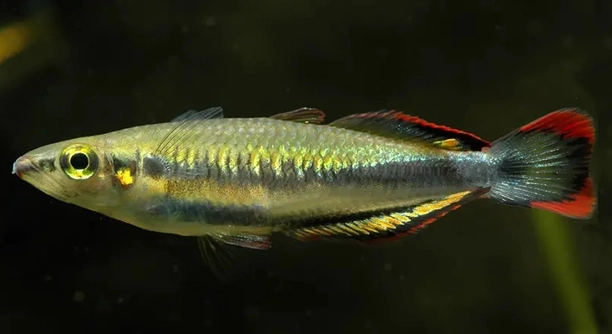
Introducing new fish to your aquarium can feel exciting but also a little stressful. Even experienced fish keepers notice surprising reactions when fish meet their new tank mates for the first time. These behaviors can vary widely.
Newly introduced fish often display unexpected behaviors such as hiding, increased aggression, changes in feeding habits, or altered swimming patterns. These responses are natural stress reactions to new environments and social dynamics, requiring careful observation and management to maintain aquarium stability.
Observing these reactions closely helps you ensure your fish adjust safely. Small changes in behavior often reveal important insights about their health and comfort.
Loss of Appetite
When new fish are introduced, it is common for them to stop eating for a short period. Stress, changes in water conditions, and unfamiliar surroundings can cause them to refuse food. This behavior is temporary but can be concerning. Offering small, frequent meals rather than large portions helps encourage feeding. Sometimes, switching to softer or more familiar food can also help. Watching closely for signs of illness is important during this period, as lack of appetite can make fish more vulnerable. Over time, most fish regain their normal feeding habits once they feel comfortable and safe in the tank. Patience and careful observation allow you to support them without causing additional stress. Avoid overfeeding, which can worsen water quality and increase stress. Small adjustments to feeding routines and maintaining clean water are effective ways to help fish resume eating.
Temporary appetite loss in new fish is common due to stress and adjustment. Offering familiar or softer foods encourages eating gradually.
Seeing fish slowly start feeding again shows they are adapting. This recovery signals that their stress is decreasing and their health is stabilizing, making the tank safer for everyone.
Altered Swimming Patterns
New fish may swim erratically, dart quickly, or stay near the surface when first introduced. This behavior is a sign of stress and disorientation. Water temperature, current, and the presence of other fish influence swimming patterns. Overcrowding or poor tank setup can also cause unusual movements. Correcting environmental factors, such as adjusting flow or adding hiding spots, can reduce erratic swimming. Observing fish movement helps identify discomfort or potential health issues early. Some species naturally explore the tank cautiously, while others may freeze or hover in place for long periods. Tracking these behaviors over several days is essential to determine if changes are temporary or if intervention is needed. Maintaining stable water conditions and minimizing sudden disturbances helps fish normalize their swimming patterns. Patience and careful observation are key to ensuring a smooth transition.
Erratic swimming usually decreases as fish acclimate to their new surroundings. Monitoring closely ensures early detection of stress or environmental problems.
Most fish begin to swim normally after several days, once they understand their new territory. Providing consistent water conditions, sufficient space, and hiding spots allows them to explore confidently. Fish that continue unusual swimming may need further assessment for water quality, disease, or social stress. Observing interactions between fish helps identify dominant or stressed individuals, allowing adjustments to tank layout or temporary separation if needed. By maintaining a calm environment and offering a predictable routine, fish gradually settle into regular patterns. Adjusting lighting or adding gentle currents can also improve comfort. Over time, consistent care reduces stress, promotes healthy swimming, and ensures the aquarium remains a balanced and safe environment for all fish.
Strange Hiding Spots
New fish often choose unusual hiding spots in the tank. They may squeeze behind decorations, rest under filters, or stay near the water surface. These spots help them feel safe while they adjust to new surroundings.
Hiding in odd places is normal and usually temporary. It reduces stress and allows fish to observe the environment before exploring freely. Providing multiple safe areas prevents overcrowding and aggression. It’s important not to force them out or rearrange the tank too often, as this can increase anxiety. Watching their gradual movement toward open areas shows they are becoming comfortable.
Sometimes fish pick spots that seem inconvenient, like between rocks or behind plants, making feeding a challenge. Ensuring easy access to food and unobstructed swimming paths helps them regain confidence. Over time, they usually start exploring more visible areas as stress decreases. Monitoring their hiding behavior helps detect ongoing tension or social issues with other tank mates, allowing small adjustments to improve comfort and safety.
Temporary Color Changes
Newly introduced fish can display faded or darker colors. Stress and adjustment to water conditions cause this change.
Color shifts are often short-lived and return once fish acclimate. Lighting, diet, and water quality influence how quickly colors normalize. Stress can intensify color changes if fish feel threatened or insecure.
Maintaining stable water parameters and reducing disturbances helps fish regain natural colors. Providing a calm environment with proper nutrition supports recovery. Observing interactions with other fish ensures no bullying is affecting them. Gradually, their vibrant hues return as they settle in. Proper tank maintenance and balanced diet play a significant role in stabilizing coloration. Stress-free introduction methods and adequate hiding spots also contribute to restoring natural appearance. By paying attention to these factors, you can help fish regain their healthy, bright colors while keeping the tank peaceful.
Excessive Surface Breathing
New fish sometimes stay near the water surface, taking rapid breaths. This is often a stress response or reaction to low oxygen levels in the tank.
Surface breathing can indicate temporary adjustment issues. Ensuring proper aeration and monitoring water quality helps fish regain normal breathing patterns.
Unusual Social Interactions
Some fish may act overly timid or overly bold around established tank mates. This can include constant following, sudden chasing, or avoiding certain areas entirely. These behaviors reflect their attempts to understand social hierarchies. Monitoring these interactions is crucial to prevent injuries and reduce prolonged stress.
Resting in Odd Positions
Fish may rest tilted, sideways, or near the tank bottom when first introduced. This unusual posture usually resolves as stress decreases and they acclimate to their environment.
FAQ
Why is my new fish hiding so much?
Hiding is a natural response to stress and unfamiliar surroundings. New fish need time to feel safe. Providing plants, caves, and decorations gives them secure areas. Over time, most fish gradually explore the tank as they become comfortable. Avoid frequent disturbances, as this slows their adjustment.
How long does it take for fish to stop hiding?
It can take anywhere from a few hours to several days, depending on the species and individual temperament. Consistent water conditions, minimal stress, and adequate hiding spots help fish feel secure faster. Gradual acclimation allows them to build confidence in their new environment.
Why are my fish acting aggressive toward each other?
Aggression usually occurs as fish establish territories and social hierarchies. New fish can trigger chasing, nipping, or cornering behaviors. Temporary aggression is normal, but prolonged fighting may require rearranging decorations, adding hiding spots, or separating fish temporarily. Ensuring compatible species reduces conflicts.
Why did my fish stop eating after being introduced?
Stress, unfamiliar food, or water changes can cause temporary appetite loss. Offering small, familiar meals or softer food encourages feeding. Maintaining clean water and avoiding overfeeding supports their recovery. Appetite usually returns within a few days as fish acclimate.
Why is my fish swimming erratically?
Erratic swimming is often a stress response or reaction to changes in water conditions. Sudden movements, darting, or hovering near the surface indicate adjustment issues. Stable water parameters, gentle tank flow, and minimal disturbances help fish regain normal swimming patterns.
Why is my fish changing colors?
Color fading or darkening occurs under stress or environmental changes. Lighting, water quality, and diet influence color recovery. With stable conditions, proper nutrition, and calm surroundings, fish usually regain natural colors as they settle in.
Why is my fish staying near the surface?
Surface breathing can result from stress, low oxygen, or water quality issues. Increasing aeration, checking filtration, and monitoring temperature ensures adequate oxygen levels. This behavior typically decreases once fish feel secure and the tank environment is stable.
Is it normal for fish to rest in odd positions?
Yes, new fish may rest tilted, sideways, or near the bottom. This behavior reflects stress or adjustment to the new tank. Most fish correct their posture as they acclimate. Observing them for extended periods ensures no underlying illness is present.
How can I reduce stress for new fish?
Provide hiding spots, maintain stable water parameters, avoid overcrowding, and limit sudden disturbances. Feeding familiar foods and observing interactions without interference also reduces stress. Gradual introduction and careful monitoring support faster adaptation.
When should I be concerned about my new fish?
Persistent hiding, prolonged aggression, refusal to eat beyond a week, rapid breathing, or unusual swimming may indicate illness or poor water conditions. Testing water parameters and consulting a veterinarian or experienced aquarist can prevent serious issues.
Can I introduce multiple fish at once?
Introducing multiple fish simultaneously can reduce territorial aggression since no single fish is already established. Ensure sufficient space, hiding spots, and compatible species. Monitoring interactions during the first few days is essential to prevent stress and injury.
How do I encourage shy fish to explore?
Keep disturbances minimal, provide various hiding spots, and place food near open areas. Gradual exposure to tank mates and consistent routines help shy fish build confidence. Patience is key; forcing exploration can increase stress.
Why do some fish follow others constantly?
Following behavior can indicate curiosity, establishing social bonds, or testing hierarchy. While usually harmless, watch for chasing that causes stress or injury. Adjusting tank layout or adding more hiding places can reduce tension and balance interactions.
What should I do if aggression persists?
Separate aggressive fish temporarily, rearrange decorations, or provide additional shelters. Avoid overstocking, and introduce fish of similar size and temperament. Careful observation and intervention prevent injury and help establish a stable, peaceful tank environment.
How important is water quality for new fish?
Water quality is critical. New fish are highly sensitive to ammonia, nitrites, and nitrates. Frequent testing, proper filtration, and partial water changes keep parameters safe. Clean water reduces stress, prevents disease, and supports healthy adjustment to the new tank.
Can diet affect adjustment?
Yes, offering familiar or softer food helps stressed fish start eating. Balanced nutrition supports immunity and recovery. Sudden diet changes can increase stress, so gradual introduction of new food is recommended. Observing eating behavior ensures fish regain strength quickly.
How long do these adjustment behaviors last?
Adjustment periods vary, typically a few days to a week. Some fish may take longer depending on species, tank setup, and temperament. With stable conditions, careful monitoring, and adequate shelter, most fish settle into normal behavior patterns within this period.
Is it normal for fish to ignore each other at first?
Yes, some fish may avoid interaction while assessing their environment and other tank mates. Gradual social engagement occurs as they feel secure. Avoid forcing interactions, as it can increase stress and aggression. Patience allows them to develop natural social behaviors safely.
How can I tell if hiding is excessive?
If fish never come out to eat, interact, or explore after several days, hiding may indicate stress, illness, or bullying. Check water parameters, tank layout, and social dynamics to ensure safety. Intervention may include temporary separation, improved shelter, or environmental adjustments.
What role do tank decorations play in behavior?
Decorations provide hiding spots, reduce aggression, and give fish a sense of security. Plants, rocks, and caves allow territorial fish to establish boundaries and help shy fish acclimate. Thoughtful arrangement supports a calmer, healthier tank.
Can lighting affect fish behavior?
Yes, bright or fluctuating light can stress new fish, causing hiding or erratic swimming. Gradually adjusting light intensity or using shaded areas encourages comfort. Consistent lighting cycles also support normal activity and feeding patterns.
How do I monitor fish without stressing them?
Observe from a distance and avoid tapping the glass or sudden movements. Quiet, gentle monitoring lets you see behaviors accurately while minimizing stress. Tracking patterns over time helps detect changes and potential problems early.
Are certain species more sensitive than others?
Yes, some species are naturally shy or stress-prone. Researching species-specific behavior helps set realistic expectations and ensures proper tank setup. Sensitive fish benefit from more hiding spots, stable water, and calm tank mates.
What signs indicate social hierarchy is settling?
Reduced chasing, balanced interactions, and fish exploring openly indicate social hierarchy stabilization. Once dominance is established, aggression usually decreases, and overall tank behavior becomes calmer. Observing consistent behavior patterns confirms adaptation.
Can water temperature changes affect new fish behavior?
Yes, sudden shifts can stress fish, causing hiding, erratic swimming, or loss of appetite. Keeping temperature stable and appropriate for species ensures comfort and supports normal behavior during the adjustment period.
How important is quarantine for new fish?
Quarantine prevents the spread of disease and allows observation of behavior before introducing fish to the main tank. Monitoring during quarantine ensures only healthy, stress-free fish join the community, reducing problems later.
What if my fish never fully acclimates?
Persistent stress, illness, or incompatibility may prevent full adjustment. Reassessing tank conditions, providing more hiding spaces, or separating incompatible species can help. Consulting experienced aquarists or veterinarians may be necessary for long-term care solutions.
How do I handle multiple stress behaviors at once?
Address water quality first, provide adequate shelter, monitor interactions, and ensure proper feeding. Gradually, each behavior—hiding, aggression, loss of appetite—usually improves as fish adapt. Consistent care and patience are essential for recovery and stable tank dynamics.
Can stress behaviors lead to illness?
Yes, prolonged stress weakens immunity, making fish more susceptible to infections and disease. Early detection and correction of environmental or social stressors prevent serious health problems. Maintaining clean water, proper diet, and safe interactions is key.
How can I encourage healthy exploration?
Provide open swimming areas with gradual exposure to decorations and other fish. Consistent feeding and gentle observation encourage curiosity while minimizing stress. Over time, fish explore naturally, improving confidence and overall well-being in the tank.
Is it normal for fish to react differently at night?
Some fish become more cautious or hide at night. Others are nocturnal and may be more active. Understanding species-specific behavior helps set realistic expectations and provides a calm, suitable environment for all fish.
What long-term habits help prevent adjustment problems?
Maintaining stable water conditions, providing hiding spots, feeding consistent diets, and introducing compatible species gradually supports long-term adaptation. Regular observation helps detect issues early, ensuring healthy, balanced behavior in the tank.
How can I reduce aggression among new and existing fish?
Introducing fish in small groups, adding hiding spots, and rearranging the tank layout reduces territorial disputes. Observing interactions and separating aggressive individuals when necessary helps maintain a peaceful environment and ensures all fish feel safe.
Can certain decorations increase stress?
Sharp or overcrowded decorations can trap fish or block swimming paths, increasing stress. Choosing smooth surfaces, spacing items properly, and offering multiple hiding spots supports comfort and natural behavior.
How do I know if water quality is affecting behavior?
Erratic swimming, surface breathing, loss of appetite, or color changes often indicate water quality problems. Testing parameters regularly and performing water changes keeps fish healthy and supports smooth acclimation.
Why do some fish ignore food at first?
Stress and unfamiliar surroundings often make fish hesitant to eat. Offering familiar, small meals and feeding near hiding spots encourages gradual feeding while reducing anxiety. Patience ensures they regain appetite without added pressure.
Can tank size influence adjustment behaviors?
Yes, small tanks increase stress, aggression, and hiding due to limited space. Larger tanks allow fish to establish territories, find hiding spots, and explore freely, supporting smoother adaptation and healthier interactions.
How do I track behavior changes effectively?
Keep a simple log of feeding, swimming, and social behaviors daily. Noting unusual actions helps identify stress, illness, or environmental issues early, allowing timely adjustments for better fish health and well-being.
Is it normal for fish to interact differently with different tank mates?
Yes, some species are territorial, shy, or social. Observing interactions ensures compatibility and helps prevent bullying or stress. Adjusting tank layout or providing additional shelters can improve social dynamics.
Can I speed up adaptation safely?
Gradual introduction, stable water conditions, adequate hiding spots, and proper feeding encourage safe adaptation. Forcing exploration or rapid social integration can increase stress, so patience remains the most effective approach.
What is the most common mistake when introducing new fish?
Rushing the process, poor water quality, overcrowding, or incompatible species are frequent issues. Careful planning, observation, and maintaining stable conditions prevent adjustment problems and support healthier fish behavior.
How do I know when new fish are fully settled?
Fully settled fish eat regularly, explore openly, interact calmly, and display normal colors and swimming patterns. Consistent behavior over several days indicates successful adaptation to the tank environment.
Can tank maintenance influence stress behaviors?
Yes, frequent water changes, proper filtration, and careful cleaning reduce stress. Avoid abrupt changes or excessive disturbance, as stability is key to helping fish acclimate and maintain healthy behavior.
How important is monitoring during the first week?
The first week is critical for detecting stress, aggression, or health issues. Daily observation ensures early intervention and prevents long-term problems, supporting smooth adaptation and well-being.
Are some fish more prone to hiding than others?
Yes, shy or nocturnal species often hide more. Understanding species-specific tendencies helps provide appropriate hiding spots and reduces stress during the adjustment period.
What is the best way to introduce new fish?
Acclimate them gradually using drip or float methods, provide hiding spots, monitor water quality, and introduce compatible species. Observing behavior closely ensures a smooth transition and minimizes stress-related problems.
Can stress behaviors affect long-term health?
Yes, prolonged stress weakens immunity, reduces appetite, and can cause disease. Maintaining stable conditions, proper nutrition, and safe social dynamics supports overall health and reduces long-term risks.
How can I tell if hiding is normal or excessive?
Short-term hiding is normal, but prolonged avoidance of feeding, interaction, or swimming may indicate stress, illness, or bullying. Evaluating water quality, tank setup, and social interactions helps determine if intervention is needed.
Can adding plants help reduce stress?
Yes, plants provide shelter, visual barriers, and a sense of security. They reduce aggression, offer hiding spots, and encourage natural behaviors, supporting a calmer and healthier tank environment.
How do I support aggressive fish without harming others?
Monitor interactions, provide hiding spots, separate if needed, and rearrange decorations to reduce territorial disputes. Ensuring proper space and compatible species prevents injuries and helps maintain a balanced environment.
Is it normal for fish to behave differently during feeding?
Yes, stress, hierarchy, and fear can affect feeding behavior. Some fish may hesitate, hide, or let dominant fish eat first. Gradual exposure and small, frequent meals encourage all fish to feed safely.
How can I prevent stress-related disease?
Maintain stable water conditions, provide hiding spots, avoid overcrowding, and ensure proper nutrition. Observing interactions and responding to unusual behavior reduces stress and minimizes the risk of disease.
Can lighting schedules affect stress?
Yes, sudden or inconsistent lighting increases stress. Gradual light changes and consistent day-night cycles help fish feel secure and reduce hiding, erratic swimming, and aggression.
Should I quarantine new fish even if they seem healthy?
Yes, quarantine prevents disease spread and allows observation of stress behaviors. This ensures only healthy fish join the main tank, minimizing problems after introduction.
Can stress behaviors return after initial adjustment?
Yes, changes in water quality, new tank mates, or rearrangements can trigger temporary stress behaviors. Maintaining stability and monitoring fish behavior helps manage these situations effectively.
How do I know if aggression is normal or problematic?
Short-term chasing and displays are normal as hierarchies form. Persistent attacks causing injury, stress, or hiding indicate problematic aggression. Adjusting tank setup or separating fish may be necessary.
What is the role of tank layout in stress behaviors?
Adequate hiding spots, open swimming areas, and visual barriers reduce aggression, promote exploration, and allow fish to establish territory safely. Thoughtful layout supports calmer, healthier behaviors.
Can temperature fluctuations cause hiding or erratic swimming?
Yes, sudden changes increase stress, affecting appetite and activity. Keeping a stable temperature appropriate for the species helps fish acclimate and maintain normal behavior.
How can I help fish regain appetite quickly?
Offer familiar or softer foods, feed in calm areas, maintain water quality, and minimize disturbances. Gradual encouragement helps stressed fish start eating again without added anxiety.
Are some stress behaviors linked to specific species?
Yes, timid, nocturnal, or territorial species display hiding, surface breathing, or aggression more than others. Understanding species behavior helps set realistic expectations and plan tank setup.
How do I prevent long-term hiding?
Provide adequate shelter, reduce disturbances, maintain water quality, and monitor interactions. Gradual exposure to open areas encourages confident exploration without forcing fish to leave hiding spots.
Can stress behaviors affect breeding?
Yes, stress can delay or prevent breeding. Calm, stable conditions, proper nutrition, and low aggression levels support healthy reproductive behavior.
How do I track progress in adaptation?
Observe feeding, swimming, interaction, color, and hiding behavior daily. Note improvements or concerns. Tracking patterns helps identify ongoing issues and ensures timely interventions for healthier fish.
Is it normal for fish to ignore some tank mates?
Yes, some fish avoid others while assessing social hierarchy. Avoid forcing interactions, as this increases stress. Gradual exposure helps them develop normal social behavior over time.
Can stress behaviors indicate water parameter issues?
Yes, unusual hiding, surface breathing, loss of appetite, or erratic swimming often signal poor water quality. Regular testing and maintenance prevent stress and support healthy fish behavior.
How important is gradual introduction for sensitive species?
Very important. Slowly acclimating sensitive fish reduces stress, prevents disease, and supports proper social behavior. Rushing introduction often leads to hiding, aggression, and loss of appetite.
What are the signs of recovery from stress?
Regular feeding, normal swimming, social interaction, color restoration, and reduced hiding indicate adaptation. Consistent observation confirms successful adjustment and improved well-being.
How can I maintain a calm environment for new fish?
Stable water conditions, minimal disturbances, proper tank layout, compatible tank mates, and gentle feeding routines help reduce stress and encourage healthy behavior.
What should I do if a fish never settles?
Persistent hiding, refusal to eat, or extreme aggression may require separate housing, reassessment of tank conditions, or expert consultation. Long-term care adjustments may be needed to ensure health and safety.
Can overcrowding worsen stress behaviors?
Yes, too many fish increase aggression, hiding, and erratic swimming. Proper stocking levels allow territory establishment, reduce competition, and support calmer, healthier fish behavior.
How do I know if hiding is related to bullying?
If one fish constantly chases or corners another, hiding is likely a response to bullying. Adjust tank layout, add hiding spots, or separate aggressive fish to prevent harm.
Can diet changes reduce stress?
Yes, familiar or high-quality foods improve appetite and energy, helping fish cope with stress. Avoid sudden changes in diet, which can worsen anxiety and affect adaptation.
How long should I monitor new fish closely?
Daily monitoring is crucial for the first week, with continued observation for several weeks. Early detection of stress behaviors ensures prompt interventions and prevents long-term problems.
Are some behaviors permanent?
Most stress behaviors are temporary. Persistent hiding, color changes, or aggression may indicate underlying health issues or incompatibility. Correcting environmental factors and monitoring social dynamics usually restores normal behavior.
Can fish communicate stress to each other?
Yes, stressed fish can trigger anxiety in tank mates, causing hiding, erratic swimming, or reduced feeding. Minimizing stress and providing shelters helps maintain calm among all fish.
What is the best way to observe fish behavior?
Watch quietly from a distance without tapping glass or sudden movements. Record feeding, swimming, hiding, and social interactions to track adaptation and detect potential problems early.
How do I maintain long-term tank stability?
Stable water parameters, consistent feeding, proper tank layout, compatible species, and regular observation support healthy fish behavior and reduce recurring stress.
How can I prevent future stress behaviors?
Introduce new fish gradually, maintain water quality, provide hiding spots, avoid overcrowding, and monitor social interactions. Consistent care promotes calm, confident, and healthy fish.
What role does patience play in fish adjustment?
Patience is essential. Fish need time to acclimate to new environments, tank mates, and routines. Rushing interventions can worsen stress, while careful observation and slow adjustments encourage smooth adaptation and long
Introducing new fish into an aquarium often comes with a range of unexpected behaviors. These behaviors, such as hiding, erratic swimming, aggression, or changes in appetite, are natural responses to stress and new surroundings. Understanding that these reactions are normal helps you approach the situation calmly. Fish are sensitive to changes in their environment, and their initial behavior is a reflection of their adjustment process. By observing them closely and making small adjustments to their tank setup, feeding routine, and interactions, you can help them feel more secure. Patience is essential because each fish adapts at its own pace. Some may explore the tank quickly, while others may take several days or even a week to show confidence. Recognizing these differences allows you to provide the right support without causing additional stress.
Maintaining stable water conditions is one of the most important factors in helping new fish adjust. Proper filtration, regular water testing, and attention to temperature and oxygen levels create an environment where fish can feel comfortable and healthy. Adding hiding spots and decorations gives fish the ability to find security, which reduces stress and allows them to explore when they feel safe. Feeding routines also play a role in adaptation. Offering familiar foods in small, frequent portions encourages eating and helps fish regain strength after the stress of being introduced to a new tank. Observing interactions between fish is equally important. Aggression, chasing, or bullying should be monitored and managed carefully. Adjusting the layout of the tank or temporarily separating aggressive fish can prevent injuries and help the entire aquarium settle into a calmer state. These careful steps contribute to the long-term well-being of all fish in the tank.
Ultimately, understanding fish behavior and providing a supportive environment ensures a smoother transition for new arrivals. Even small changes, like rearranging decorations or adjusting lighting, can significantly reduce stress. While some behaviors may seem concerning at first, most are temporary and resolve as fish adapt to their surroundings. Paying attention to feeding habits, swimming patterns, coloration, and social interactions helps you detect any ongoing issues early. Over time, fish become more confident, explore their environment fully, and interact more naturally with tank mates. By remaining observant and patient, you create an aquarium where fish feel safe and thrive. Supporting fish during this adjustment period not only helps them settle in but also promotes long-term health and a balanced, peaceful tank environment. Consistency, care, and understanding are the keys to successfully introducing new fish and enjoying a healthy, harmonious aquarium.

Hello,
If you enjoy the content that we create, please consider saying a "Thank You!" by leaving a tip.
Every little bit helps us continue crafting quality advice that supports the health, happiness, and well-being of pets around the world, for pets of all shapes, sizes, and species.
We really appreciate the kindness and support that you show us!