
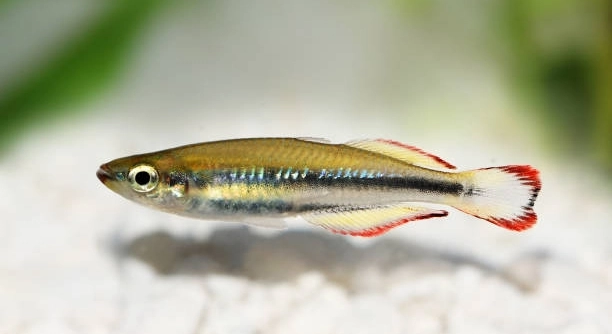
Have you ever noticed your rainbowfish lingering near the waters surface for long periods, creating a scene that feels unusual and leaves you wanting to understand what might be influencing its behavior in your tank
The primary reason a rainbowfish remains at the top of its tank is often linked to oxygen availability, as reduced oxygen levels near the bottom can prompt the fish to seek areas with higher concentration, ensuring its needs are met.
Understanding these patterns offers a clearer view of your rainbowfishs needs, helping you support a healthier and balanced aquatic environment.
Reason 1 Low Oxygen Levels
When your rainbowfish spends a lot of time at the top, low oxygen levels in the tank are often the first thing to consider. Fish naturally move toward areas where breathing feels easier, and the highest oxygen concentration is usually near the surface. Warm water, overcrowding, and limited surface agitation can all reduce oxygen deeper in the tank, making your fish feel more comfortable staying near the top. I know how stressful it can feel when a small change in your tank creates behavior that seems unusual, but this reason is one of the most common and easiest to address. Adjusting your filters flow, adding an air stone, or lowering the temperature can help your fish feel more at ease. Once the oxygen levels balance out, your rainbowfish usually returns to its normal patterns without much hesitation, bringing the tank back to a calm and stable state again.
A slight shift in oxygen can influence your rainbowfish more than expected, so giving attention to aeration helps restore a steady and comfortable rhythm for your tank.
Keeping oxygen in balance supports relaxed swimming patterns, a stable mood, and overall comfort for your rainbowfish, especially when the tank has been running warm or lacks enough movement at the surface.
Reason 2 High Water Temperature
Warm water makes it harder for your rainbowfish to breathe comfortably, pushing it toward the surface where the oxygen concentration is higher and easier to access.
When the tank temperature rises beyond a comfortable range, the water holds less oxygen, and your rainbowfish reacts by adjusting its position. This simple shift is its natural attempt to cope with the stress of overheated water. If the issue continues, it may lead to restlessness or reduced energy, making it important to address the temperature quickly. A slightly cooler tank encourages more movement throughout the entire space, giving your rainbowfish a sense of ease. You can support this by checking your heater settings, improving room airflow, or adding small fans designed for aquarium use. Gradually lowering the temperature works best, keeping the change gentle and preventing added stress. With consistent care, your rainbowfish will return to exploring every part of the tank with steady confidence and comfort.
Reason 3 Poor Water Quality
Dirty or unbalanced water can make your rainbowfish uncomfortable, encouraging it to stay near the surface where breathing feels easier. Ammonia, nitrite, or nitrate spikes often trigger this behavior, especially when regular maintenance has been missed or the filter is not working effectively.
When waste builds up, your rainbowfish senses the change quickly, reacting by moving toward fresher water near the top. Maintaining a steady cleaning schedule helps prevent these spikes and keeps your fish calm. I know how easy it is for small tasks to slip by, but keeping an eye on your parameters makes a big difference. A simple test kit, a reliable filter, and weekly water changes help create a cleaner and healthier tank. With a little consistency, your rainbowfish will feel more comfortable exploring the entire tank instead of lingering at the top.
A clean tank supports stable breathing, smoother swimming, and a relaxed mood for your rainbowfish. Balanced parameters also keep stress levels low, giving your fish a better chance to stay active and comfortable. Taking the time to filter properly, remove debris, and check chemical levels builds a safer home for your rainbowfish. When the water stays within a healthy range, your fish responds with steady movement and renewed confidence.
Reason 4 Stress or Overstimulation
Too much activity around the tank can unsettle your rainbowfish, pushing it to the top as a way to feel safer. Sudden movements, loud noises, bright lights, or frequent tapping on the glass all create an environment that feels overwhelming. Keeping things calm helps your rainbowfish settle.
Stress can change your fishs behavior more than expected, especially when it happens repeatedly. Making small adjustments brings comfort back into its daily routine. Soft lighting, gentle tank maintenance, and reducing traffic around the aquarium help restore a sense of security. Covering part of the tank or adding tall plants can create peaceful hiding spots your rainbowfish will appreciate. Over time, these changes encourage relaxed swimming, better feeding habits, and a more natural pattern of movement throughout the tank. Supporting a calmer environment helps your rainbowfish feel steady and confident again.
Reason 5 Surface Feeding Habits
Some rainbowfish naturally stay near the surface because they are used to finding food there. When feeding routines encourage this pattern, they often linger at the top, waiting for their next meal and keeping an eye out for anything that resembles food.
If floating foods are used often, your rainbowfish may spend even more time near the top. This habit becomes stronger over time, especially when feeding schedules are consistent. Adjusting the type of food or offering sinking options can gently shift its behavior back to a more balanced swimming pattern.
Reason 6 Illness or Discomfort
When your rainbowfish feels unwell, staying at the top may be its way of coping with discomfort. Illness can affect breathing, movement, and energy, making the upper area feel easier to manage. Watching for symptoms helps you respond quickly and keep your fish safe.
Reason 7 Lack of Water Movement
Limited water flow can cause oxygen to settle near the surface, leading your rainbowfish to stay there more often. Increasing circulation with a gentle filter adjustment or an air stone makes the entire tank feel more comfortable and encourages natural movement.
FAQ
Why does my rainbowfish suddenly stay at the top even after water changes
A sudden shift toward the top can still happen after a water change, especially if the new water differs in temperature or chemicals. Even small changes feel noticeable to rainbowfish, and they may move upward to feel more at ease. Giving the tank time to settle helps smooth out these adjustments. If the behavior continues after a day or two, checking the oxygen level, temperature, and filter flow can offer more clarity. Sometimes the water change improves conditions, but the fish still needs time to adjust before returning to normal patterns. Keeping changes gentle and consistent usually helps your rainbowfish feel steady again.
Can rainbowfish stay at the top because of tankmates
Yes, rainbowfish can shift toward the surface if another fish behaves aggressively or takes over the middle and lower areas. Even small chases can cause your rainbowfish to seek a safer space higher up. Watching how the fish interact helps you understand what might be happening. If tension seems frequent, rearranging decorations or adding more hiding spots can give each fish its own space. Sometimes introducing new plants or driftwood helps break up sightlines, reducing stress and giving your rainbowfish a more comfortable place to move around.
Is it normal for rainbowfish to rest near the top at night
Some rainbowfish become calmer in the evening and may rest closer to the surface. This can be normal as long as they still swim through the rest of the tank during the day. If they remain at the top all the time, it may point to oxygen levels, temperature issues, or stress signals. Observing patterns across a full day gives you a clearer picture of what is normal for your fish.
Can lighting affect how often my rainbowfish stays near the top
Lighting plays a bigger role than many people realize. Bright lights or sudden light changes can cause rainbowfish to feel uneasy. When the tank lights switch on quickly or stay too bright, your rainbowfish may retreat to the top because it feels like a calmer space. Softening the lighting or using gradual transitions can make your fish feel more comfortable. Adjusting the light level also helps prevent overstimulation, which supports more natural swimming patterns throughout the tank.
What should I check first if my rainbowfish will not leave the surface
The best place to start is oxygen, temperature, and water quality. These three areas influence your rainbowfish more than anything else. A quick test of ammonia, nitrite, and nitrate levels gives you helpful information. Checking the temperature ensures the water is not warmer than intended. Looking at the filter flow also helps you see whether enough movement is happening. Starting with these checks can help you solve the issue faster and bring calmer behavior back to the tank.
Should I separate a rainbowfish that stays at the top for too long
Separation is usually not needed unless you see signs of aggression or illness. If your rainbowfish looks weak, pale, or struggles to swim, moving it to a quiet hospital tank may help it recover. If it looks healthy but prefers the top, adjusting the environment is often enough. A few gentle changes can help your rainbowfish feel more secure without removing it from the main tank.
Can feeding routines cause my rainbowfish to stay near the top
Yes, frequent surface feeding teaches rainbowfish to expect food near the top. When they learn this pattern, they wait there even when nothing is wrong. Mixing in sinking pellets or spreading food across the tank encourages more balanced movement. Small adjustments to feeding habits help your rainbowfish return to exploring every area of the tank with more confidence.
Final Thoughts
Keeping a rainbowfish comfortable in its tank often comes down to understanding the small details that shape its behavior each day. When a rainbowfish lingers at the top, it is usually responding to something in its environment, and those signals can help you understand what it needs. Each factor, whether it is oxygen levels, temperature, stress, or feeding habits, plays a part in shaping how your fish chooses to move around. I know it can feel a little worrying when something changes suddenly, especially when you care about giving your fish a safe and stable home. Paying attention to these shifts can guide you toward simple adjustments that make a real difference. With a calm approach, you can keep your tank balanced and support your rainbowfish in feeling more at ease, even when challenges appear unexpectedly.
As you continue caring for your rainbowfish, taking the time to observe patterns and reactions helps you understand its comfort level more clearly. Your tank does not need complicated solutions to stay healthy. Small habits, such as steady water changes, watching your feeding routine, and maintaining gentle water flow, build a strong foundation. When issues come up, checking basic parameters often gives you most of the answers you need. Your rainbowfish will continue to show what it prefers through its movement, appetite, and energy levels, and these clues help you respond with care. Giving your tank consistency also helps your fish recover faster when something goes off balance. Over time, you will notice how these simple habits support smoother swimming, steady breathing, and a calmer presence in your tank.
Caring for a rainbowfish becomes easier when you trust the process and make adjustments with patience. Every tank has its own rhythm, and finding that balance takes time and observation. Even when your rainbowfish heads to the surface more often than usual, most causes can be corrected with gentle changes. You do not need to rush or overhaul everything. Instead, focus on realistic steps that keep the environment clean, comfortable, and stable. When your fish feels secure, its behavior naturally falls back into place, giving your tank a peaceful and steady energy. Creating this sense of balance brings confidence to both you and your rainbowfish, helping you feel more connected to the care you provide. With consistent attention and a calm approach, your rainbowfish can enjoy a safe and healthy environment, and you can feel assured that you are supporting its well being in the best way you can.

Hello,
If you enjoy the content that we create, please consider saying a "Thank You!" by leaving a tip.
Every little bit helps us continue crafting quality advice that supports the health, happiness, and well-being of pets around the world, for pets of all shapes, sizes, and species.
We really appreciate the kindness and support that you show us!