
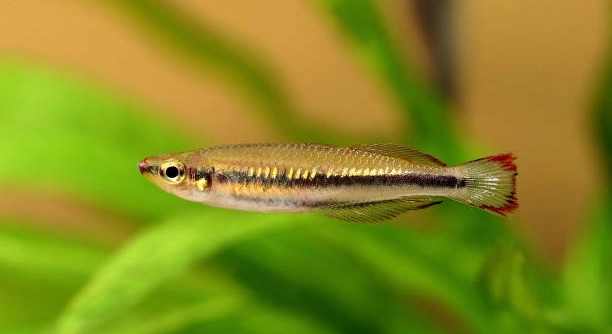
Do you ever notice your rainbowfish ignoring the new flakes or pellets you offer? It can be frustrating when your efforts to provide variety are met with hesitation or complete refusal from your colorful pets.
Getting rainbowfish to eat new food often requires gradual introduction and consistency. Offering small amounts mixed with familiar food, maintaining a regular feeding schedule, and ensuring water quality can significantly increase acceptance of different food types in these fish.
These simple steps can make feeding time easier and help your rainbowfish enjoy a more varied and nutritious diet.
Start Slowly with New Food
Introducing new food to rainbowfish works best when done gradually. Begin by mixing a tiny amount of the new flakes or pellets with the food your fish already eat. Over several days, slowly increase the proportion of the new food while reducing the old. This approach helps reduce stress and encourages acceptance. Rainbowfish can be wary of sudden changes, so patience is key. Keep an eye on their behavior and feeding patterns to make adjustments. Feeding small amounts multiple times a day can also make them more willing to try new options. Avoid overfeeding, as uneaten food can pollute the water and affect your fish’s health. By taking small steps and observing your rainbowfish, you can make the transition smoother. The goal is consistency and gentle encouragement without forcing the change, which can lead to refusal or stress.
Gradual introduction with familiar food increases the likelihood that rainbowfish will accept new types over time.
Taking notes on how each fish responds helps you tailor the feeding approach. Some rainbowfish adapt quickly, while others need extra time. Adjusting feeding times and observing their reactions can ensure the process remains effective. Small, consistent steps make new food a normal part of their diet.
Maintain Water Quality
Healthy water is essential for rainbowfish to eat consistently. Poor water conditions can reduce appetite and cause stress, making them reluctant to try new foods. Keep the tank clean by performing regular water changes and monitoring key parameters like pH, temperature, and ammonia levels. Use a filter suited to the tank size and avoid overcrowding. Clean decorations and substrate help prevent leftover food buildup that can affect water quality. Stress from sudden changes in water parameters can cause your rainbowfish to hide or refuse food, so maintain stable conditions. Watching your fish daily allows you to notice any changes in behavior that might indicate water problems. Proper lighting and hiding spots also contribute to a comfortable environment.
Maintaining optimal water conditions ensures rainbowfish remain healthy and more willing to accept new food. Clear water and stable parameters support normal feeding behavior and reduce stress, creating a positive environment for dietary changes. Regular checks, cleaning, and monitoring help catch potential issues early, preventing long-term effects. Water quality influences not only appetite but also growth, coloration, and overall vitality. Avoid sudden chemical changes or abrupt temperature shifts, as these can disrupt feeding habits. Consistency and careful observation are critical for success. A stable environment paired with patient introduction of new food increases acceptance and supports well-being. By keeping conditions steady, rainbowfish are more comfortable and receptive, making dietary adjustments easier. Over time, this approach can lead to a balanced diet that benefits their health.
Offer Variety in Texture
Rainbowfish often respond differently to flakes, pellets, and frozen foods. Changing textures can make new food more appealing. Small portions of each type let them explore without overwhelming them. Consistency in offering variety encourages acceptance over time.
Introducing multiple textures slowly helps rainbowfish adapt without stress. Start by combining a few flakes with finely crushed pellets, or add a small piece of frozen or freeze-dried food alongside their usual diet. This method allows them to become familiar with the taste and feel of the new options. Avoid mixing too much at once, as this can confuse or discourage them. Observe which textures they prefer and adjust portions accordingly. Some rainbowfish may favor soft, flaky foods, while others are more inclined toward firmer pellets or frozen options. Tracking their reactions helps you create a feeding routine that balances variety and acceptance, making dietary changes smoother.
Over time, using different textures can improve nutrition and engagement during feeding. Rainbowfish may explore food more eagerly when they encounter varying consistencies. Small, repeated exposures build familiarity, leading to more consistent eating habits. Rotate textures to maintain interest and prevent boredom. Monitoring behavior ensures that all fish receive adequate nutrition and that new foods are accepted gradually.
Feed at the Right Time
Feeding at consistent times helps rainbowfish recognize when to eat. Skipping or changing feeding schedules can lead to hesitation with new foods. Stick to a routine.
Rainbowfish are more likely to try new foods when they are hungry but not starving. Observe their natural eating rhythm and choose times when they are active and alert. Feeding once or twice daily at similar times creates predictability, reducing stress and encouraging experimentation with unfamiliar foods. Avoid overfeeding at any session, as leftover food can affect water quality and decrease interest in new offerings. Smaller, more frequent portions often work better than one large meal. By maintaining a steady schedule, you increase the chance that rainbowfish will sample new foods willingly and establish healthy eating habits.
Consistency in timing reinforces behavior and helps your fish associate new food with positive experiences. By feeding when they are most receptive, you increase the likelihood of acceptance. Gradual adjustments to the schedule can be made if needed, but abrupt changes should be avoided. Predictable feeding reduces stress and encourages natural foraging behavior, making new foods more attractive. This approach also allows you to monitor consumption and ensure each fish is eating adequately, supporting overall health and growth.
Use Lightly Scented Food
Rainbowfish can be attracted to foods with mild scents. Gently rubbing new pellets or flakes with a little familiar food can make them more appealing. Avoid strong additives that might overwhelm their senses.
Combining scent with small portions encourages exploration. Familiar smells provide comfort, while introducing a subtle new scent helps them accept changes gradually.
Try Live or Frozen Foods
Live or frozen options, like brine shrimp or daphnia, can stimulate feeding behavior. These foods often appeal to rainbowfish more than dry options, making them easier to introduce. Regularly offering small amounts alongside normal meals encourages experimentation and gradual acceptance of variety.
Maintain a Calm Environment
Excess noise or sudden movements near the tank can stress rainbowfish. A calm, consistent environment helps them feel safe during feeding and more willing to try new foods.
Why won’t my rainbowfish eat new food?
Rainbowfish may refuse new food due to stress, sudden changes, or unfamiliar textures and flavors. Their appetite is influenced by water quality, lighting, and the presence of other fish. Gradual introduction and consistency are essential to encourage acceptance. Observing their behavior can reveal patterns that affect feeding.
How long does it take for rainbowfish to accept new food?
The timeline varies depending on the fish’s personality, age, and previous diet. Some may try new food within a few days, while others may take several weeks. Patience and small, repeated exposures increase success. Avoid forcing food, which can cause stress and rejection.
Can I mix new food with their old food?
Yes, mixing is one of the most effective methods. Start with a small amount of new food combined with familiar food, gradually increasing the new portion over days or weeks. This approach helps rainbowfish associate the new food with positive experiences.
Is it better to feed flakes, pellets, or frozen food first?
Each type has its advantages. Flakes are easy to digest, pellets provide concentrated nutrients, and frozen or live foods can stimulate natural hunting behavior. Introducing small portions of each type allows fish to explore textures and flavors without overwhelming them. Observing their preference helps guide future feeding.
Does water temperature affect feeding habits?
Yes, rainbowfish are sensitive to temperature changes. Water that is too cold or too warm can reduce appetite. Maintaining stable, appropriate temperatures promotes regular feeding patterns and encourages them to try new foods without stress.
How often should I offer new food?
New food should be offered in small portions once or twice daily alongside familiar food. Avoid overfeeding, as leftover food can degrade water quality and discourage experimentation. Consistent timing reinforces routine and builds comfort with dietary changes.
Can stress prevent rainbowfish from eating?
Absolutely. Sudden movements, loud noises, overcrowding, or poor water quality can all cause stress. A calm environment with stable parameters is essential to encourage feeding and acceptance of new foods. Minimizing disturbances during meal times improves success.
Should I try live food if my fish refuse flakes or pellets?
Yes, live or frozen foods often trigger natural feeding instincts and can help hesitant fish start eating. Offer small amounts alongside regular meals to gradually expand their diet. Over time, this can make the transition to other types of food easier.
What if only some fish accept the new food?
Introduce new food in small, manageable portions and monitor each fish. Some may adapt faster, while others need more time. Adjust quantities based on consumption, and continue to offer familiar food to ensure all fish maintain proper nutrition. Patience is key.
Can rainbowfish get bored with the same food?
Yes, they can lose interest in repetitive diets. Offering variety in textures, flavors, and presentation keeps them engaged. Rotating foods gradually maintains curiosity and encourages a balanced diet without forcing sudden changes that might cause stress.
Is it safe to use supplements or flavor enhancers?
Mild supplements or natural flavor enhancers can help encourage new food acceptance, but avoid strong additives. Overuse can affect water quality and may harm sensitive fish. Use sparingly and observe how your rainbowfish respond.
How do I know if they are eating enough?
Observe their behavior and body condition. Healthy rainbowfish are active, colorful, and maintain steady growth. Uneaten food can indicate disinterest or overfeeding, while weight loss or dull colors may signal insufficient intake. Adjust feeding portions and schedules accordingly.
Can young and adult rainbowfish accept new foods differently?
Yes, younger fish are often more adaptable, while adults may be more hesitant. Gradual introduction and consistent routines are important for both, but adults may require extra time, smaller portions, and repeated exposure to accept changes in diet.
Are there any signs that new food is harmful?
Yes, watch for bloating, lethargy, or unusual swimming patterns. Remove uneaten food promptly and monitor water quality. Introduce one type of new food at a time to detect any adverse reactions and ensure the health of your rainbowfish.
How important is observation during feeding?
Observation is critical. It allows you to notice preferences, stress signs, and eating patterns. Adjusting feeding techniques based on what you see ensures a smoother transition to new foods and helps maintain overall fish health.
Can I train rainbowfish to accept food at certain spots?
Yes, feeding in a consistent location helps establish routine and encourages exploration of new foods. They learn to associate the area with positive experiences, making them more willing to try unfamiliar options over time.
Does lighting affect their willingness to eat?
Yes, adequate lighting helps fish see and recognize food. Bright but not harsh lighting encourages feeding. Shadows or dim light may make them hesitant, while consistent lighting cycles support routine and normal appetite.
What should I do if one fish dominates the food?
Feed in multiple spots or offer smaller portions to prevent aggressive behavior. Ensuring all fish have access reduces stress and increases the likelihood that each will try new foods without competition interfering.
Can seasonal changes affect feeding?
Yes, temperature fluctuations and daylight variations can influence appetite. Monitor water parameters and maintain a stable environment to encourage regular feeding patterns and smooth introduction of new foods.
How do I combine all these tricks effectively?
Introduce new foods gradually, maintain water quality, offer variety in texture and scent, stick to consistent feeding times, and observe your fish closely. Combining these strategies ensures a balanced diet and helps rainbowfish accept new foods with minimal stress.
This FAQ provides detailed guidance for introducing new foods, addressing common concerns, and helping rainbowfish develop healthy and varied feeding habits. By following these approaches carefully, you increase the chances of a smooth transition.
Introducing new food to rainbowfish can take time, patience, and careful observation. Each fish has its own personality and preferences, which means some will adapt quickly, while others may resist changes for longer periods. Gradually mixing new food with familiar options, offering small portions, and keeping a consistent feeding routine are key steps. Rainbowfish respond better when the change is slow, and forcing food too quickly can create stress and rejection. Observing their behavior during feeding helps identify what works best for each fish, allowing adjustments to be made without causing harm. It is important to remember that even small improvements in acceptance of new food count as progress.
Water quality plays a critical role in feeding habits and overall health. Rainbowfish are more willing to try new food when their environment is stable, clean, and well-maintained. Regular water changes, proper filtration, and monitoring temperature, pH, and ammonia levels keep the tank conditions optimal. Stress from poor water quality or overcrowding can make fish hesitant or entirely refuse food. A calm and comfortable environment allows rainbowfish to focus on eating rather than hiding or reacting to disturbances. By maintaining consistent conditions, you also prevent illness and encourage natural feeding behavior, which makes introducing new foods easier over time.
Variety in food is beneficial not only for nutrition but also for maintaining interest during feeding. Offering different textures, flavors, and even live or frozen options can stimulate curiosity and natural hunting instincts. Mixing foods slowly and observing which types your rainbowfish respond to ensures a smoother transition. It is also important to note that some fish may prefer certain textures over others, so rotating options gradually can prevent boredom and promote a balanced diet. Consistency, patience, and careful observation remain the foundation for success. By combining these approaches—gradual introduction, water maintenance, and variety—you can help your rainbowfish enjoy a healthier, more varied diet while reducing stress and ensuring their overall well-being.

Hello,
If you enjoy the content that we create, please consider saying a "Thank You!" by leaving a tip.
Every little bit helps us continue crafting quality advice that supports the health, happiness, and well-being of pets around the world, for pets of all shapes, sizes, and species.
We really appreciate the kindness and support that you show us!