
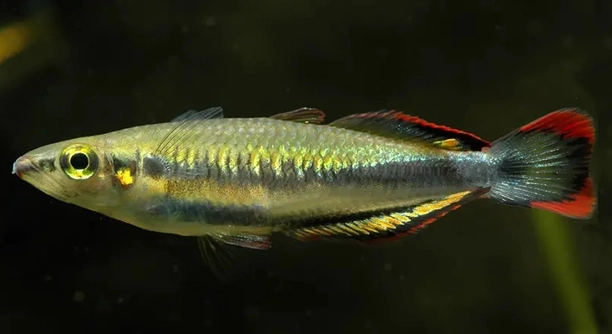
Rainbowfish are popular among aquarium enthusiasts for their vibrant colors and active nature. Moving them to a new tank can feel intimidating, but understanding their needs helps create a smooth transition for both fish and owner.
Rainbowfish generally adapt well to new tanks when introduced gradually and provided with stable water conditions, proper diet, and minimal stress. Consistency in temperature, pH, and hiding spaces significantly improves their adjustment and overall health.
Learning the right steps for acclimating rainbowfish ensures their colors remain bright and their behavior stays lively in a new environment.
Preparing the New Tank
Before introducing rainbowfish to a new tank, it’s essential to set up a stable environment. Clean the tank thoroughly, rinse all decorations, and make sure the substrate is suitable for their movement. Adding plants and hiding spots helps reduce stress and provides a sense of security. Water temperature should match their previous tank, ideally between 75–82°F, and the pH should stay around 6.5–7.5. Installing a reliable filter and heater ensures consistent water quality. Introduce the tank light gradually to prevent sudden changes in brightness, which can startle the fish. Prepare their food in advance and monitor feeding behavior during the first few days. Avoid overcrowding and allow adequate space for swimming, as rainbowfish are active swimmers. Gentle handling during transfer reduces shock and helps them settle faster. Observing their initial behavior is key to catching any signs of stress early.
Taking time to prepare the tank carefully makes the adaptation smoother for the fish and reduces risk of illness.
A well-prepared tank creates an environment where rainbowfish can thrive. Stable water conditions, hiding spots, and compatible tank mates reduce stress and encourage natural behavior. Regular monitoring during the first week ensures any issues are addressed quickly, keeping the fish healthy. Proper preparation also supports their vibrant colors and active swimming patterns, giving them a comfortable and secure space.
Acclimating Rainbowfish
Acclimation should be slow and controlled. Float the bag in the new tank for about 15–20 minutes to equalize temperature.
After temperature equalization, gradually add small amounts of tank water to the bag every 10 minutes over an hour. This helps the fish adjust to the new water chemistry without shock. Avoid pouring the bag water directly into the tank to reduce the risk of contamination. Gently net the rainbowfish and release them into the tank, allowing them to explore at their own pace. Monitor their swimming patterns and feeding habits closely. Provide minimal disturbance during the first few hours, keeping lights dim if needed. Observing their behavior in this period helps identify any signs of stress early. Continue feeding regular meals and ensure the filter runs smoothly. Over the first week, rainbowfish typically begin to show normal activity and color, indicating successful acclimation.
Gradual acclimation minimizes stress and supports healthy adaptation in a new tank. Proper monitoring ensures they settle quickly.
Feeding and Nutrition
Rainbowfish need a balanced diet to stay healthy in a new tank. Offer high-quality flakes, pellets, and occasional live or frozen foods to maintain their vibrant colors and energy levels.
Providing variety in their diet prevents nutritional deficiencies. Flake and pellet foods should be the staple, but supplementing with brine shrimp, daphnia, or bloodworms encourages natural hunting behavior and keeps them active. Feed small amounts two to three times daily, ensuring they consume all food within a few minutes to prevent water contamination. Observe which foods they prefer and adjust portions accordingly. Overfeeding can lead to poor water quality and health problems, so careful portion control is essential. Fresh vegetables like blanched spinach or zucchini can be offered occasionally to add fiber.
Consistency in feeding times helps rainbowfish settle into a routine. Sudden changes in diet may stress them, so introduce new foods gradually. Healthy nutrition supports their growth, immune system, and overall behavior, making adaptation smoother.
Monitoring Health
Regular health checks are crucial for rainbowfish in a new tank. Look for changes in color, appetite, or swimming behavior to catch potential issues early.
Parasites, fungal infections, and bacterial problems can develop if water conditions fluctuate or fish experience stress. Keep the tank clean, perform regular water tests, and change 20–25% of the water weekly. Watch for clamped fins, pale coloring, or rapid gill movement, which are signs of illness. Quarantining new additions before introducing them to the main tank reduces the risk of disease. Proper nutrition and maintaining stable conditions strengthen their immune system. Keep a record of observations to notice subtle changes over time.
Prompt intervention when health issues arise prevents them from worsening. Ensuring proper water quality, a balanced diet, and minimal stress allows rainbowfish to thrive. Observing behavior closely, removing sick fish if needed, and following treatment guidelines helps maintain a healthy and active community in the tank.
Tank Mates
Rainbowfish do best with peaceful tank mates. Avoid aggressive or overly territorial fish that may stress them.
Compatible species include tetras, guppies, and small gouramis. A well-chosen community helps rainbowfish feel secure and maintain active, natural behavior in the tank.
Water Quality
Maintaining consistent water parameters is essential. Temperature, pH, and hardness should remain stable to prevent stress and illness. Regular testing and partial water changes keep the environment healthy. Monitoring ammonia, nitrite, and nitrate levels prevents harmful spikes that could negatively affect rainbowfish.
Lighting
Moderate lighting supports their coloration and plant growth. Avoid sudden brightness changes to prevent stress and encourage natural activity in the tank.
FAQ
How long does it take for rainbowfish to adjust to a new tank?
Rainbowfish typically begin to settle within a few days, but full adaptation can take one to two weeks. Gradual acclimation, stable water conditions, and minimal disturbance help them adjust more quickly. Observing their behavior and color during this period shows whether they are comfortable.
Can rainbowfish live with other species?
Yes, rainbowfish are generally peaceful and thrive with other non-aggressive species. Tetras, guppies, and small gouramis are good options. Avoid large, territorial, or fin-nipping fish, as they may stress rainbowfish and affect their health and coloration. Proper tank size and hiding spaces improve compatibility.
What should I feed rainbowfish in a new tank?
Provide a mix of high-quality flakes or pellets as the staple diet. Supplement with frozen or live foods like brine shrimp, daphnia, or bloodworms for protein and stimulation. Occasionally offering blanched vegetables such as spinach or zucchini adds fiber. Feed small amounts multiple times a day.
How often should I change the water?
Partial water changes of 20–25% once a week are ideal. This keeps nitrate levels low and water chemistry stable. Always use dechlorinated water at the correct temperature to avoid shocking the fish. Monitoring water parameters regularly helps prevent stress and health problems.
Why are my rainbowfish hiding after being moved?
Hiding is normal during the first few days as they adjust. It helps reduce stress and allows them to explore the tank safely. Ensure there are plants or decorations to provide shelter. If hiding continues beyond a week, check water quality, temperature, and potential tank mate aggression.
What signs show rainbowfish are stressed?
Stress indicators include clamped fins, pale coloration, rapid gill movement, or erratic swimming. Loss of appetite and lethargy are also common signs. Address stress by checking water quality, maintaining proper temperature and pH, and ensuring they have enough space and hiding spots.
Can rainbowfish tolerate small fluctuations in water parameters?
They can handle minor changes, but sudden shifts in temperature, pH, or hardness can be harmful. Consistency is key for their health and coloration. Using a reliable heater, filter, and regular water testing helps maintain stable conditions. Gradual adjustments are safer if parameters need correction.
Is it necessary to quarantine new fish before adding them to the tank?
Yes, quarantining for at least two weeks helps prevent introducing diseases or parasites to the main tank. Observe new fish for abnormal behavior, spots, or injuries during this period. Treat any issues before mixing them with existing rainbowfish to protect the community’s health.
How do I know if my rainbowfish are healthy?
Healthy rainbowfish are active, swim evenly, display vibrant colors, and eat regularly. Their fins should be fully spread, and they should interact with other fish without aggression. Regular observation helps detect subtle changes early, allowing prompt action to prevent illness.
Can rainbowfish adapt to different tank sizes?
Yes, they adapt well to various tank sizes if space allows for swimming and hiding. A minimum of 20 gallons is recommended for small groups, with more space needed for larger schools. Overcrowding can cause stress, so ensure adequate room for movement and water circulation.
Do rainbowfish require specific lighting?
Moderate lighting is sufficient for their health and color display. Too much light can stress them, while too little can dull colors. Maintain a consistent day-night cycle, and avoid sudden brightness changes to help them adjust naturally. Plants and decorations also benefit from balanced lighting.
How can I reduce stress during tank transfers?
Float the bag in the new tank to equalize temperature, and gradually mix in small amounts of tank water over an hour. Avoid sudden movements or loud noises, and provide hiding spots immediately. Minimal handling and stable water conditions support a smooth transition.
What are common health issues in new tanks?
Ammonia or nitrite spikes, fungal infections, and parasites are most common. Poor water quality or stress can trigger these problems. Regular testing, partial water changes, proper diet, and quarantine measures reduce the risk. Prompt treatment is essential to prevent serious illness.
How do I maintain vibrant colors in rainbowfish?
A balanced diet, stable water conditions, and minimal stress are key. High-quality food, occasional live or frozen treats, and consistent lighting enhance their natural coloration. Healthy fish also exhibit active swimming and schooling behavior, which contributes to bright, even coloring.
Can rainbowfish adapt if tank conditions change gradually?
Yes, gradual changes in temperature, pH, or tank setup are generally well tolerated. Sudden changes are stressful and can affect health. Introduce alterations slowly while monitoring behavior and appetite to ensure adaptation without harm.
Is it normal for rainbowfish to explore slowly at first?
Yes, cautious exploration is typical in a new environment. They may hide initially but will gradually swim freely as they gain confidence. Providing plants, rocks, and other hiding spots helps them feel secure and reduces stress during this adjustment period.
What should I do if my rainbowfish stop eating?
Check water quality and temperature first. Stress, illness, or changes in diet can cause temporary loss of appetite. Offer small amounts of preferred foods and monitor for improvement. If eating does not resume within a few days, consider consulting a veterinarian or aquatic specialist.
How many rainbowfish should be kept together?
They are schooling fish and thrive in groups of at least six. Smaller numbers may lead to stress or shy behavior. A larger school encourages natural swimming patterns, reduces aggression, and helps them feel secure in the tank environment.
Do rainbowfish need plants in their tank?
Plants provide hiding spots and improve water quality. They also encourage natural behavior and reduce stress. Live plants are preferred, but artificial plants can also offer shelter. Ensure there is enough open space for swimming while including shaded areas for security.
How can I tell if my rainbowfish are comfortable in the tank?
Comfortable rainbowfish swim actively, display bright colors, and interact with tank mates. They explore the environment without hiding excessively and accept food regularly. Stable behavior and consistent activity indicate successful adaptation and a healthy tank setup.
Rainbowfish are lively and colorful fish that can bring energy and beauty to any tank. Their adaptability makes them a popular choice for aquarists who want a peaceful community species. While moving them to a new tank can seem challenging, proper preparation, patience, and attention to their needs make the process smoother. Ensuring that water conditions are stable, the tank is clean, and hiding spots are available helps reduce stress. Gradual acclimation, where the fish are introduced slowly to the new water, temperature, and environment, allows them to adjust without shock. Observing their initial behavior closely during the first few days is important, as it shows how comfortable they are and whether any adjustments are needed. Rainbowfish respond well to consistent care, and small changes in their environment should always be introduced gradually to prevent unnecessary stress.
Feeding plays a significant role in helping rainbowfish adapt to a new tank. Providing a balanced diet with high-quality flakes or pellets as the staple, along with occasional live or frozen foods like brine shrimp or daphnia, keeps them healthy and active. Adding fresh vegetables like blanched spinach or zucchini occasionally ensures they get enough fiber. Feeding small amounts two to three times a day helps maintain water quality while supporting their nutritional needs. Watching their behavior during feeding times also gives insight into their adjustment; rainbowfish that are eating regularly and exploring the tank actively are typically comfortable in their new environment. Maintaining consistent feeding schedules and avoiding sudden changes in diet reduces stress and encourages natural behavior. Nutrition, along with stable water parameters, is essential to supporting vibrant colors, strong immune systems, and active swimming patterns.
Monitoring health and observing behavior are key elements in keeping rainbowfish thriving. Signs of stress, such as clamped fins, pale coloration, rapid gill movement, or hiding for extended periods, should be addressed quickly. Regular partial water changes, maintaining proper temperature and pH, and ensuring a well-oxygenated environment help prevent illness. Quarantining new fish before adding them to the main tank reduces the risk of introducing diseases. Additionally, selecting compatible tank mates and avoiding aggressive species supports a calm, healthy environment. Over time, rainbowfish will display confident swimming, vibrant coloration, and active interaction with their surroundings. With attention to water quality, diet, and careful acclimation, rainbowfish can settle comfortably, flourish in a new tank, and provide an enjoyable, lively addition to the aquarium.

Hello,
If you enjoy the content that we create, please consider saying a "Thank You!" by leaving a tip.
Every little bit helps us continue crafting quality advice that supports the health, happiness, and well-being of pets around the world, for pets of all shapes, sizes, and species.
We really appreciate the kindness and support that you show us!