
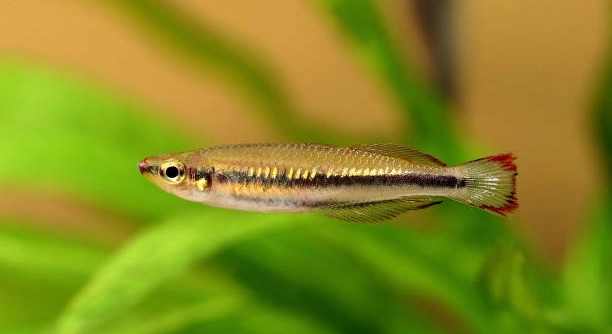
Have you ever watched a group of rainbowfish glide through the water and noticed how calm and connected they seem in each other’s presence, creating a gentle flow that feels natural to their active nature.
Rainbowfish prefer group environments because social structures reduce stress, improve foraging efficiency, and enhance survival through coordinated movement and shared environmental awareness. Stable group dynamics support natural behaviors that help maintain overall health in both captive conditions and natural habitats.
As you read on, you will see how group living shapes their behavior and helps them thrive in an aquarium.
Understanding Group Behavior
Rainbowfish rely on steady group movement to feel secure, and this becomes clear when you watch how they react to one another in shared space. Their bright colors and quick turns gain meaning when supported by the presence of several companions who help set the pace. In smaller groups, they may appear tense or overly cautious, but larger groups allow them to slip into calmer patterns that match their natural instincts. I tend to picture how their need for coordination shapes every shift in direction, giving them the confidence to explore without hesitation. Group living helps them read subtle cues, adjust their paths, and stay aware of their surroundings without feeling overwhelmed. This shared flow supports their feeding routines, their rest, and the gentle interactions that keep them steady throughout the day in their daily underwater routine life.
Strong group structure helps rainbowfish maintain stability by giving them reliable cues from surrounding companions. This sense of coordination reduces stress and keeps their behavior steady. When they move together, they share awareness, react quicker, and maintain comfort that supports healthier patterns in aquariums and natural habitats through each day.
Watching rainbowfish interact in larger groups reveals how much their comfort depends on shared activity. Their confidence grows when they can match their pace to others around them, making every movement feel smoother. This harmony also encourages natural curiosity, letting them explore without fear. When you keep them in well-sized groups, you support healthier behavior and gentler interactions that shape their quality of life. A balanced group gives them room to form loose patterns, shift positions without stress, and maintain a steady rhythm that keeps them active and calm. These conditions help them feel grounded and supported in their environment.
Social Needs in Captivity
In aquariums, rainbowfish rely on group size to maintain comfort and stability, and keeping them in suitable numbers allows their natural behaviors to surface easily. Their alertness softens, their movements synchronize, and their overall health improves when they experience dependable interaction with others through consistent shared movement in their space.
Meeting the social needs of rainbowfish starts with recognizing how strongly they depend on coordinated group movement. When kept in appropriate numbers, they follow natural patterns that reduce stress and support healthier behavior. Their alert nature becomes easier to manage because they can rely on visual signals from nearby companions. This steady interaction helps them interpret changes in their surroundings without becoming overwhelmed. It also encourages smoother feeding habits, since they move calmly and read cues from others during each meal. Over time, these routines shape a balanced atmosphere that keeps them safe, active, and comfortable. This support helps them adjust smoothly, stay alert without stress, and follow patterns that keep their daily activity stable and comfortable everywhere.
Environmental Factors That Influence Group Comfort
Rainbowfish respond strongly to space, lighting, and water movement, and these factors shape how well they connect with one another. Stable conditions help them settle into smooth patterns, letting them form steady groups that support their comfort throughout the day.
Their interactions grow more natural when the environment offers enough open swimming space. Clear areas help them maintain gentle coordination without feeling pressured by tight corners. Soft lighting keeps their colors steady and reduces tension, while moderate water flow encourages the active swimming they rely on. When these conditions come together, they settle into calmer behavior and follow predictable group rhythms. This balance helps them feel safe and keeps stress low, especially when they share the space with a proper number of companions.
Consistent water quality is another key factor that shapes their comfort. Clean water with stable temperature and gentle flow supports both their energy and their social behavior. When these elements stay balanced, rainbowfish can move freely without reacting to sudden shifts in their environment. This steadiness encourages more natural group patterns, letting them focus on each other instead of environmental changes. Over time, they build familiarity within the group, which strengthens their confidence and helps them maintain calm interactions across the entire tank.
How Group Size Affects Their Behavior
Smaller groups often leave rainbowfish feeling exposed, causing them to swim erratically or pull back from open areas. Larger groups help them relax, follow smoother paths, and rely on shared signals that keep their behavior steady from moment to moment.
The right group size encourages natural activity by giving them a steady sense of structure. When they move with several companions, they read each other’s cues with ease, making it simpler for them to maintain balance and react smoothly. This reduces unnecessary stress and helps them stay active without becoming overly alert. Larger groups also minimize aggression, since visual distractions are spread out and each fish can find its place without tension. Over time, this arrangement shapes a more peaceful environment that keeps them comfortable, coordinated, and confident in their daily behavior.
Behavioral Signals Within the Group
Rainbowfish communicate through small shifts in movement and body angle, relying on these signals to stay aware of each other’s intentions. These subtle actions help them maintain order and prevent sudden reactions that could disrupt the stability of the group.
Their colors also play a role in keeping interactions smooth. Bright tones often appear more vibrant when they feel secure, helping them express confidence within their group. When they sense consistent support around them, they display steadier patterns that reinforce calm behavior across the entire tank.
Feeding Behavior in Group Settings
Rainbowfish eat more naturally when they feed beside several companions, because group activity encourages steady movement and reduces hesitation. They follow visual cues from others, which helps them stay focused during meals instead of becoming distracted or stressed. When they feel supported, they maintain a healthier pace and show less frantic behavior. Their feeding routine becomes smoother as they gain confidence from surrounding companions. This balance allows them to explore food calmly, read the environment with less tension, and maintain steady habits that support their overall well-being in a shared space.
How Stress Levels Influence Group Dynamics
Rainbowfish become noticeably calmer when stress stays low, allowing them to follow predictable patterns within the group. Stable surroundings and consistent companionship help them avoid sudden bursts of alertness that could unsettle their natural rhythm.
How many rainbowfish should I keep together?
Rainbowfish feel most secure in groups of at least six, though larger numbers are better when space allows. Smaller groups can lead to stress, shyness, or erratic swimming. I have noticed that keeping a good-sized group creates a steady rhythm in their tank, making daily activity smoother and calmer. Their natural schooling instinct becomes visible, and it’s easier to maintain balance and harmony in the aquarium. If the tank is large enough, groups of ten or more allow them to spread out, reducing tension while still staying connected.
Can rainbowfish live alone?
Rainbowfish can survive alone, but they rarely thrive in solitary conditions. Alone, they become more cautious and less active, which can affect feeding patterns and overall health. I’ve seen solo fish hide more often and appear less confident in their swimming. Their social instincts are strong, and group companionship encourages natural movement and behavior. Keeping at least a small group allows them to communicate visually and react to subtle cues from others, which helps reduce stress and encourages active swimming. Group living supports stronger immune responses and steadier energy levels.
What tank size is best for a group of rainbowfish?
A tank of at least 30 gallons is recommended for smaller groups, with larger tanks being ideal for bigger schools. More space allows them to move freely without feeling crowded, which helps maintain a calm environment. I’ve noticed that in tighter tanks, rainbowfish can become tense, swim erratically, and sometimes even compete for territory. Open swimming areas encourage coordinated patterns, letting them glide together smoothly. A larger tank also supports better water quality, which is essential for their health. Decorations and plants should provide shelter without overcrowding, helping the group feel secure while preserving space for their natural movement.
How does group size affect aggression?
Larger groups reduce aggression by spreading interactions among more individuals. Smaller groups or solitary fish can become territorial or show chasing behavior. I’ve observed that when rainbowfish are in well-sized schools, any tension is quickly balanced by the group’s movement, preventing prolonged conflicts. Social structures form naturally, and subordinate fish have more space to avoid dominant individuals. This dynamic helps everyone maintain calmer behavior, reducing stress and injury risks. By keeping groups appropriately sized, the aquarium becomes a smoother, more predictable environment where each fish can feel secure and active.
Do rainbowfish communicate with each other?
Yes, rainbowfish communicate through subtle body movements, swimming direction changes, and color display. I find it fascinating to watch how they signal each other during feeding or when adjusting positions in the tank. Their bright colors often shift slightly depending on stress or excitement, which acts as a visual cue to others. These signals help maintain coordination, reduce collisions, and create a sense of safety within the group. When they are in the right environment with sufficient space and companions, their communication strengthens natural schooling behavior and encourages calm, synchronized movement throughout the day.
How do environmental changes affect group behavior?
Sudden changes in temperature, lighting, or water flow can disrupt group cohesion. Rainbowfish react quickly to unfamiliar conditions, which can lead to erratic swimming or hiding. I’ve seen groups regain stability once the environment returns to normal, but repeated fluctuations create stress. Stable conditions allow predictable patterns, letting them maintain calm movement and social interactions. Even minor adjustments, like rearranging plants or decorations, can temporarily affect coordination. A gradual approach to changes supports smoother adaptation, helping them stay confident and active. Consistent care ensures that group dynamics remain stable and stress levels low.
Are certain species of rainbowfish more social than others?
Some species, like Boesemani and Turquoise Rainbowfish, show stronger schooling instincts, while others may tolerate smaller groups. I’ve noticed that more social species rely heavily on visual and movement cues, needing companions to feel secure. Less social species can adapt to smaller groups but still benefit from companionship. Understanding the specific needs of each species helps in planning group size and tank layout. Social species thrive in medium to large schools, while more reserved types may do well in smaller groups, provided they have space and environmental stability. This knowledge ensures healthier, more balanced behavior for all types.
Can group living improve health in rainbowfish?
Yes, living in groups reduces stress, encourages activity, and helps maintain immune function. I’ve observed that well-socialized rainbowfish are more active, feed consistently, and show brighter colors compared with isolated fish. Interaction with companions supports mental stimulation, reducing boredom and promoting natural behavior patterns. Groups also allow fish to share environmental awareness, reacting quickly to any changes while maintaining calm. Overall, social living contributes to a longer, healthier life in captivity, making it a key factor for anyone keeping rainbowfish. Healthy, confident fish tend to thrive in well-planned groups.
What is the best way to introduce new rainbowfish to an existing group?
Introduce newcomers slowly, using quarantine or separate tank acclimation before full integration. I’ve found that gradual introduction prevents aggressive reactions and stress. Floating a bag with new fish in the existing tank for a few hours helps them adjust to water conditions. After acclimation, adding them during low activity periods reduces tension. Observing their interactions and being ready to separate individuals if needed ensures smoother integration. Patience during introductions allows the group to maintain stability, helping both new and existing rainbowfish adjust confidently and continue thriving together.
How do I know if my rainbowfish are happy in their group?
Signs include steady, coordinated swimming, bright coloration, and active feeding. I often watch for synchronized movement and gentle turns that show comfort within the group. When stress is low, fish explore their tank naturally and interact without chasing or hiding excessively. Happiness is also reflected in energy levels and consistent daily behavior. Groups that feel secure display curiosity without panic, follow smooth schooling patterns, and maintain calm but alert responses to changes in environment. These visible behaviors make it easier to understand their social needs and provide the conditions they require to thrive.
Keeping rainbowfish in group environments makes a significant difference in how they behave and feel in an aquarium. These fish are naturally social, and they rely on the presence of companions to feel secure and confident. When they are in a well-sized group, their movements become smoother, their reactions more coordinated, and their daily routines calmer. I have noticed that even small groups, if managed properly, can reduce stress and encourage healthier activity. Group living supports natural behaviors like schooling, exploration, and feeding patterns, which are all important for maintaining overall well-being. Without these social interactions, rainbowfish can appear shy, hesitant, or overly cautious, which may affect their energy and overall health. Providing an environment that encourages interaction allows them to express themselves naturally and feel safe in their surroundings.
Environmental factors also play a key role in supporting group behavior. Space, lighting, and water flow all affect how rainbowfish interact with one another. Open swimming areas give them room to coordinate movements without crowding or stress. Soft, consistent lighting helps them feel secure, while moderate water flow encourages active swimming. Stable water quality and temperature are equally important because sudden changes can disrupt their patterns and cause tension in the group. I have seen how careful attention to these details allows rainbowfish to settle into a calm rhythm, reducing stress and promoting healthier behavior. Decorations and plants are beneficial when they provide shelter without limiting swimming space. A well-balanced environment encourages smoother schooling patterns and reinforces confidence within the group, helping every fish feel included and supported.
Group size remains one of the most important factors for maintaining happiness and stability. Smaller groups or solitary fish often display anxious or erratic behavior, while larger schools provide the security and social cues they need. Each rainbowfish benefits from visual and movement signals from its companions, which helps reduce aggression, improves feeding behavior, and maintains overall calm. Introducing new fish gradually ensures the group remains stable and minimizes tension. In my experience, observing the group regularly helps to understand their social dynamics and respond to any issues early. When rainbowfish are kept in an appropriate group size with stable environmental conditions, they thrive naturally, displaying confidence, coordination, and healthier daily behavior, making the aquarium a balanced and peaceful habitat for all.

Hello,
If you enjoy the content that we create, please consider saying a "Thank You!" by leaving a tip.
Every little bit helps us continue crafting quality advice that supports the health, happiness, and well-being of pets around the world, for pets of all shapes, sizes, and species.
We really appreciate the kindness and support that you show us!