
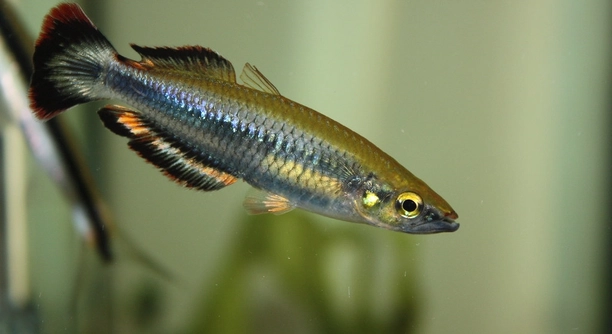
Rainbowfish are small, colorful fish that often brighten up any aquarium. Observing their behavior can be enjoyable, especially when they move confidently and interact with their environment without hesitation or fear of other fish.
A confident rainbowfish typically swims with steady movements, maintains an upright posture, and explores its surroundings actively. Bright, vivid colors, social interaction with other fish, and minimal hiding are key indicators of confidence in these species.
Recognizing these signs will help you create a supportive environment for your rainbowfish and understand their behavior more clearly.
Understanding Rainbowfish Body Language
Rainbowfish show confidence through their posture and movements. A fish that holds itself upright and swims steadily across the tank signals it feels safe. They often glide smoothly instead of darting suddenly. Confident fish explore open areas without hesitation and may investigate new objects, plants, or decorations in their environment. Their fins are fully extended, and they do not flatten against their body or hide behind decorations. Watching how they interact with other fish also reveals their comfort level. Dominant but not aggressive behavior often appears in confident individuals, such as gently nudging or swimming near others without causing distress. Color intensity can also indicate confidence. Healthy, vibrant colors usually reflect well-being and self-assurance, while dull or faded hues may suggest stress. Consistent observation over time helps distinguish temporary reactions from long-term confident behavior patterns in rainbowfish.
Recognizing body language early allows for adjustments in tank layout and social groupings. This ensures all fish feel secure and confident.
Confident rainbowfish interact naturally within their group. They swim near the middle or top of the tank and respond calmly to feeding. They are curious about their surroundings but avoid panic when changes occur. Social engagement is noticeable; confident rainbowfish will follow each other, circle around decorations, or gather near food without fear. In contrast, shy or stressed fish stay hidden, cling to corners, or hide in plants. Observing these patterns over several days provides insight into which fish are genuinely confident. Maintaining stable water conditions, proper diet, and appropriate tank mates supports this behavior. Over time, the confidence of rainbowfish becomes more apparent as they display predictable, healthy behaviors. Careful attention helps you identify and encourage confident fish while reducing stress in more timid individuals.
Feeding Habits and Confidence
Confident rainbowfish approach feeding areas without hesitation and compete fairly with other fish.
These fish tend to swim openly and claim food without aggression. They eat consistently, rarely hiding or waiting for others. Confidence shows in their willingness to explore different types of food and adapt to feeding schedules.
Observing feeding habits offers valuable clues about a rainbowfish’s temperament. Fish that confidently eat at various spots in the tank, adjust to new food types, and maintain steady growth reflect strong self-assurance. Shy fish often linger near plants or corners and may miss meals. Monitoring these patterns helps improve diet distribution and ensures each fish receives proper nutrition. Tank arrangement can affect feeding confidence. Open spaces encourage exploration, while overcrowded areas may suppress confident behavior. Balanced social groups prevent dominant fish from intimidating others, promoting healthy interactions during feeding. Gradually, confident rainbowfish become more active and visually striking, making the aquarium more lively and enjoyable to observe. Careful attention to their eating patterns allows you to support both confident and timid individuals in the tank.
Tank Environment and Confidence
A well-structured tank helps rainbowfish feel secure and confident. Open swimming spaces, gentle lighting, and clean water reduce stress. Plants and hiding spots give fish choices, allowing them to regulate exposure and feel safe while exploring.
A balanced environment encourages confident behavior in rainbowfish. Proper filtration, consistent temperature, and regular maintenance keep water quality stable, which supports overall health. Adequate space prevents overcrowding, reducing territorial disputes and promoting peaceful interactions. Plants, rocks, and decorations offer shelter and boundaries that let fish explore without feeling threatened. Subtle lighting prevents sudden shadows or glare, which can startle fish. Gradually introducing new decorations or tank mates allows rainbowfish to adjust without stress. Observing their reactions to changes helps gauge comfort levels and supports the development of confident behavior patterns over time.
Tank setup also affects social dynamics. Open areas encourage swimming together and displaying natural colors. Hiding spots allow shy fish to gain confidence at their own pace. Proper layout reduces stress and prevents aggressive encounters, letting confident rainbowfish thrive. Maintaining stable conditions ensures all fish feel secure and interact naturally.
Coloration and Health Indicators
Bright and even coloration reflects good health and self-assurance in rainbowfish. Dull or faded colors may indicate stress, illness, or poor diet, signaling a need for attention.
Healthy rainbowfish display vivid hues that remain consistent over time. Vibrant colors indicate proper nutrition, stress-free conditions, and a well-balanced environment. Shifts in coloration can result from disease, water quality issues, or inadequate diet. Fish that maintain bright colors while exploring, feeding, and socializing demonstrate confidence. Observing patterns across multiple individuals provides insight into overall tank health. Ensuring proper nutrition, clean water, and stable tank conditions supports both coloration and behavior. Fish with strong coloration are more likely to interact socially and navigate the tank confidently, making their presence more noticeable and enjoyable to observe.
Color changes also provide early warning signs for potential problems. Stress-induced fading often occurs when water parameters fluctuate, new tank mates are introduced too quickly, or feeding is inconsistent. By monitoring coloration carefully, adjustments can be made before serious health issues arise. This attention allows confident rainbowfish to thrive while giving shy individuals time to adapt. Consistent care, observation, and proper nutrition maintain both color intensity and natural behavior, reinforcing overall confidence in the aquarium environment.
Social Interaction Patterns
Confident rainbowfish interact actively with others in the tank. They swim in groups, follow each other, and maintain steady movements without showing fear or aggression.
These fish display gentle dominance, often leading during swimming or feeding. They rarely chase others aggressively, instead balancing curiosity with respect for tank mates.
Response to New Objects
Rainbowfish that are self-assured investigate new decorations or plants without hesitation. They approach carefully, circle around, and gradually explore each area while maintaining calm, upright posture. This behavior indicates comfort and adaptability in their environment, reflecting confidence and stability in the tank.
Swimming Behavior
Confident rainbowfish swim steadily across open areas, avoiding sudden darting or hiding. Their movements are smooth, consistent, and exploratory, showing comfort in both vertical and horizontal spaces.
FAQ
How can I tell if my rainbowfish is confident?
A confident rainbowfish swims steadily and explores the tank openly. It maintains upright posture, fully extends its fins, and interacts calmly with other fish. Bright, consistent coloration and active feeding behavior are also signs. Shy fish tend to hide, dart quickly, or stay near plants, unlike confident individuals.
Do confident rainbowfish need special tank conditions?
Yes, stable water quality, adequate space, and a balanced social group support confidence. Clean, filtered water and proper temperature reduce stress. Open swimming areas combined with plants and decorations give fish choices for exploration and hiding, helping them feel secure and act confidently.
Can diet affect a rainbowfish’s confidence?
Proper nutrition directly influences behavior. Fish that eat consistently and receive a balanced diet display steadier, more exploratory behavior. Poor diet can lead to fading colors, lethargy, and hesitation, making rainbowfish appear less confident or timid in the tank environment.
How does tank size impact confidence?
Overcrowded tanks increase stress and aggression, limiting confident behavior. Sufficient space allows rainbowfish to swim freely, interact without fear, and maintain natural social hierarchies. Tanks with open areas encourage group swimming and healthy exploration, which reinforces self-assurance in each fish.
What role do tank mates play in confidence?
Compatible tank mates are crucial. Aggressive or overly dominant fish can intimidate others, reducing confidence. Calm, similarly sized fish support positive social interactions. Observing group dynamics helps ensure all fish feel secure and maintain healthy behavior patterns.
Do confident rainbowfish react differently to changes?
Yes, confident fish adjust calmly to new objects, decorations, or slight environmental changes. They explore new areas without panic and resume normal behavior quickly. Shy fish may hide or become erratic when changes occur, showing stress or hesitation.
How can I encourage confidence in shy rainbowfish?
Gradual acclimation helps. Introduce new decorations or tank mates slowly. Provide hiding spaces to allow fish to explore at their own pace. Maintain stable water conditions and consistent feeding schedules. Over time, timid fish can gain confidence by observing and mimicking more assured tank mates.
Is coloration a reliable confidence indicator?
Bright and even coloration often signals health and confidence. Faded or dull colors may indicate stress, illness, or poor diet. Observing how colors change in different situations helps distinguish between temporary reactions and long-term behavior patterns.
Do confident rainbowfish show unique feeding behavior?
Confident individuals approach food without hesitation and compete fairly with others. They explore feeding areas openly, maintain steady movements, and adapt to new food types. Shy fish may wait at the edges or hide, missing meals. Consistent feeding routines support both health and confidence.
Can water quality fluctuations affect confidence?
Yes, sudden changes in temperature, pH, or ammonia levels can stress fish and reduce confidence. Maintaining stable, clean water prevents hiding behavior and supports steady, exploratory movements. Confident fish thrive in predictable, well-maintained tank conditions.
How do I observe confidence without stressing my fish?
Watch during normal activities such as swimming, feeding, and interacting with tank mates. Avoid sudden disturbances. Take notes over several days to recognize patterns. Confident fish display consistent upright posture, smooth swimming, and social engagement without panic.
Can confident behavior change over time?
Behavior can shift with age, health, or social dynamics. Young fish may appear shy initially but gain confidence as they grow and adapt. Changes in tank conditions or new tank mates may temporarily alter behavior, but stable care encourages recovery of confident patterns.
Are there visual signs besides color that indicate confidence?
Yes, steady fin extension, upright posture, and smooth swimming are key indicators. Confident rainbowfish explore open areas, interact socially, and respond calmly to changes, all of which complement color as signs of self-assurance.
What should I do if a confident fish becomes shy?
Check water quality, tank mates, and diet first. Reduce stressors and provide hiding spots. Gradually reintroduce stimuli and maintain stable conditions. Most rainbowfish regain confidence with consistent care, proper nutrition, and supportive social settings.
How long does it take to see confident behavior?
Confidence can develop in weeks if conditions are ideal. Consistent water quality, proper feeding, supportive tank mates, and gradual introductions allow fish to explore and interact comfortably, revealing self-assurance over time.
Final Thoughts
Observing rainbowfish over time reveals many aspects of their personality. Confident fish show steady swimming, upright posture, and calm exploration of the tank. They interact naturally with other fish, move through open spaces without hesitation, and respond to changes in the environment calmly. Watching these behaviors closely helps identify which fish feel secure and which may be shy or stressed. Understanding these differences is important because it allows adjustments to the tank environment that benefit all the fish. Confidence in rainbowfish is not just about movement but also about how they interact socially, approach feeding, and respond to new objects or decorations. A confident fish will often lead during group swimming, investigate decorations, and feed consistently without fear. Over time, these small signs become easier to recognize, making it simpler to maintain a harmonious aquarium where all fish can thrive.
Maintaining the right conditions is a major factor in supporting confident behavior. Stable water quality, consistent temperature, and proper filtration reduce stress and promote natural behavior. Providing adequate space prevents overcrowding, which can lead to aggression or hiding. Including plants, rocks, and other decorations gives fish options for exploration and hiding, allowing them to feel safe while still moving freely. Feeding routines also play a role in confidence. Fish that eat consistently and receive balanced nutrition maintain vibrant coloration and steady behavior. Paying attention to these environmental factors helps ensure fish remain healthy, confident, and active. Over time, creating this supportive setting not only improves the behavior of individual rainbowfish but also strengthens social interactions within the tank, encouraging natural group dynamics that make the aquarium more lively and visually appealing.
Confidence in rainbowfish can also be influenced by social dynamics and care practices. Introducing new fish or decorations gradually allows the tank to adapt without stress. Observing interactions between individuals can help identify dominant or timid fish and guide adjustments to groupings or tank layout. Healthy fish with bright colors, smooth swimming, and active social behavior are indicators that the aquarium is well-managed. Even small changes, such as maintaining stable feeding times or improving water quality, can make a noticeable difference in how confident the fish behave. Overall, understanding rainbowfish behavior, supporting their needs, and providing a secure environment fosters confidence and natural activity. This careful attention ensures a peaceful and engaging aquarium where all rainbowfish can display their full range of behaviors and thrive in a healthy, stress-free setting.

Hello,
If you enjoy the content that we create, please consider saying a "Thank You!" by leaving a tip.
Every little bit helps us continue crafting quality advice that supports the health, happiness, and well-being of pets around the world, for pets of all shapes, sizes, and species.
We really appreciate the kindness and support that you show us!