How to Encourage Play in Lemon Tetra

Lemon tetras are small, bright fish that bring life to any aquarium. Watching them swim is calming, but encouraging playful behavior can make their environment more engaging and vibrant. Their activity levels reflect their overall well-being and health. Encouraging play in lemon tetras involves providing a stimulating environment with plants, hiding spots, and varied decorations. … Read more
Can Lemon Tetra Recognize Reflections?

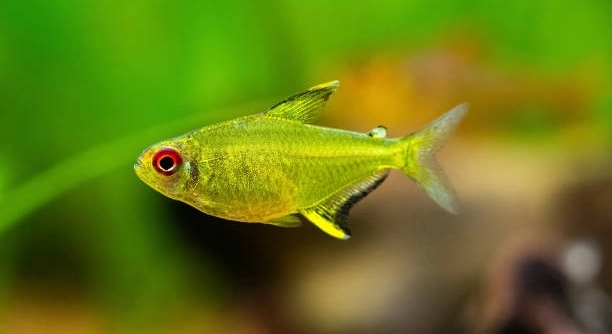
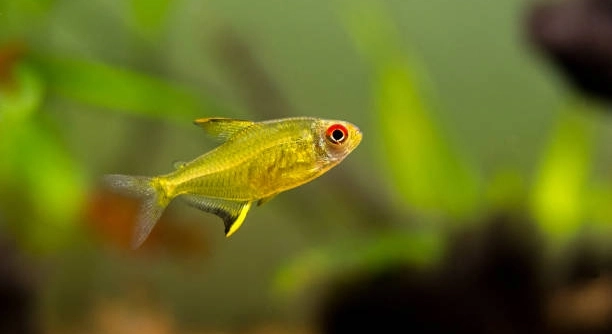
Do your lemon tetras swim close to the glass, pausing as they seem to look back at themselves? Many aquarists notice this behavior and wonder if these small, lively fish can recognize their own reflection in the tank. Lemon tetras do not possess true self-recognition abilities. They may react to their reflection as if encountering … Read more

Why Are My Lemon Tetra Always Facing the Filter?

Are your lemon tetras constantly facing the filter, swimming against the current without pause? Observing this behavior can be puzzling for any aquarist, especially when their activity seems repetitive and focused on a single spot in the tank. Lemon tetras often face the filter due to natural schooling instincts and the desire for consistent water … Read more

7 Ways to Spot Lemon Tetra Discomfort Quickly

Lemon tetras are small, lively fish that bring color to any aquarium. Watching them swim gracefully can be relaxing, but subtle signs may show when they are uncomfortable or stressed in their environment. Recognizing discomfort in lemon tetras involves observing changes in behavior, appetite, swimming patterns, and physical appearance. Rapid identification of stress indicators allows … Read more

Why Is My Arowana Suddenly Swimming Backward?

Is your arowana suddenly swimming backward and leaving you a bit concerned? Observing this unusual behavior can be unsettling, especially when your fish normally glides gracefully through the water with ease and confidence. The primary reason an arowana exhibits backward swimming is often linked to stress, water quality issues, or physical ailments. Monitoring tank conditions, … Read more

7 Subtle Signs of Lemon Tetra Mating Behavior

Do you ever notice your lemon tetras swimming in small, subtle circles around each other in the tank? Their gentle movements and small flashes of color may hint at behaviors that go beyond ordinary swimming patterns. Lemon tetras exhibit specific mating behaviors such as pairing off, flaring fins, subtle nudging, and synchronized swimming. These actions … Read more

7 Natural Additions to Improve Arowana Habitat

Keeping an Arowana healthy requires more than just clean water and a large tank. Providing natural elements in their habitat can make them feel comfortable, reduce stress, and encourage natural behaviors that support overall wellbeing. Incorporating natural additions such as live plants, driftwood, rocks, and substrate variations enhances the Arowana’s habitat. These elements improve water … Read more

Why Are My Lemon Tetra Suddenly Hiding?

Are your lemon tetras acting shy and disappearing behind plants or decorations more than usual? Many fish owners notice sudden hiding, which can feel worrying. These tiny, bright fish can be sensitive to changes in their environment. Sudden hiding in lemon tetras is often caused by stress, illness, or changes in water conditions. Factors such … Read more

What to Do If Your Lemon Tetra Stops Schooling

Lemon tetras are small, colorful fish that often brighten up a home aquarium. They are known for their lively schooling behavior, which makes them a joy to watch. A sudden change in their schooling can feel worrying. If your lemon tetra stops schooling, the most common reasons include stress, illness, or changes in water conditions. … Read more

7 Myths People Believe About Lemon Tetra

Lemon tetras are small, colorful fish that many people enjoy keeping in home aquariums. They are lively and bright, but a lot of myths and misunderstandings surround their care and behavior in tanks. Many common beliefs about lemon tetras are inaccurate and can lead to poor care decisions. Misconceptions range from their social needs to … Read more