
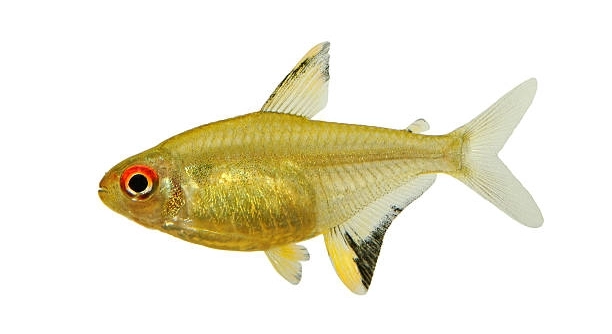
Lemon tetras are small, bright fish that bring life to any aquarium. Watching them swim is calming, but encouraging playful behavior can make their environment more engaging and vibrant. Their activity levels reflect their overall well-being and health.
Encouraging play in lemon tetras involves providing a stimulating environment with plants, hiding spots, and varied decorations. Incorporating small floating objects or gentle water currents can promote exploration and interaction, helping to support natural behaviors and enhance their daily activity.
Creating a lively tank is more than decoration; it directly impacts your tetras’ mood and health, making their behavior more dynamic and enjoyable to observe.
Setting Up a Stimulating Tank
A proper tank setup is essential for encouraging play in lemon tetras. Start with a tank of at least 20 gallons to give them room to swim freely. Incorporate live plants such as Java moss or Amazon sword to create natural hiding spaces. Add decorations like smooth rocks or driftwood to offer additional areas for exploration. Ensure the water temperature remains between 72 and 78 degrees Fahrenheit, and maintain a neutral to slightly acidic pH for optimal comfort. Gentle water flow can mimic their natural environment, helping them feel secure while encouraging movement. Providing adequate lighting helps plants grow, which in turn encourages fish activity. Avoid overcrowding, as too many fish can create stress and reduce playful behavior. Regular cleaning of the tank ensures a healthy environment that allows tetras to remain active. Observing their interactions with these elements helps you adjust the tank for maximum stimulation.
A stimulating tank gives lemon tetras both space and variety, directly promoting their natural activity and playful behavior.
By paying attention to decorations, plants, and water conditions, you create a balanced environment. Lemon tetras respond well to changes in layout, so rotating decorations occasionally keeps them curious. Floating plants or gentle water currents can simulate a more dynamic setting, prompting exploration. Feeding them small live or frozen foods near different areas of the tank encourages movement. Observing how they interact with these elements allows adjustments to better suit their personalities and preferences. Overall, a thoughtfully arranged tank fosters play while supporting overall health and social interactions among the tetras.
Interactive Feeding Techniques
Feeding time can be an opportunity to encourage play and activity in lemon tetras.
Offering small portions multiple times a day stimulates their curiosity and keeps them engaged. Varying the food type between flakes, micro pellets, and live or frozen options encourages exploration and movement. Using a feeding ring or spreading food across the tank motivates them to swim and search. Introducing food near plants or decorations can prompt interaction with their environment, blending nutrition with stimulation. Rotate the placement of food each day to maintain interest. Observing how tetras approach feeding allows you to refine techniques for maximum engagement. Overfeeding should be avoided, as it can lead to lethargy and reduce playful behavior. Interactive feeding not only enhances physical activity but also strengthens social dynamics among the fish. This method supports both mental and physical well-being, making feeding a consistent source of stimulation rather than just nutrition. By integrating these strategies, you can ensure that lemon tetras remain lively, healthy, and curious throughout their daily routine.
Encouraging Social Interaction
Lemon tetras are naturally social and thrive in small groups. Keeping at least six together encourages playful chasing and schooling behaviors, which helps them stay active and reduces stress in the tank environment.
A tank with multiple lemon tetras creates a dynamic setting where fish can interact naturally. Social interaction is crucial because solitary tetras often become inactive or stressed. Schooling provides security, allowing them to explore their environment with confidence. Providing hiding spots and open swimming areas together ensures that all fish can engage comfortably. Watching how they coordinate movements and respond to each other offers insight into their social behavior and helps you make small adjustments to tank layout for better engagement.
Introducing compatible tank mates can enhance social dynamics and increase activity. Small, peaceful fish like rasboras or guppies work well. Avoid aggressive species that might intimidate tetras. The presence of other species encourages curiosity and playful movement. Regular observation helps ensure all fish interact safely. Adjusting tank decorations, plants, and feeding locations can further support positive social behaviors. Over time, a well-planned social environment encourages healthy, consistent play and helps lemon tetras exhibit natural behaviors more frequently, making the tank lively and enjoyable.
Using Toys and Enrichment Items
Floating or lightweight toys can stimulate exploration and movement in lemon tetras, keeping them active in the tank.
Enrichment items like floating rings, small ping-pong balls, or plastic plants provide opportunities for playful investigation. Tetras may swim through, around, or under these objects, mimicking natural behaviors such as hunting and avoiding obstacles. Rotating these items periodically prevents boredom and maintains curiosity. Combining enrichment with feeding by placing food near or around these objects encourages interaction. Ensuring items are safe, smooth, and free from sharp edges prevents injury. The goal is to create a stimulating environment where tetras feel encouraged to move, explore, and interact with their surroundings, enhancing overall activity.
Variety in enrichment items is key to maintaining long-term engagement. Changing shapes, sizes, and textures of toys can inspire different types of movement and interaction. Observing how fish respond to specific objects helps identify what encourages the most play. Incorporating enrichment alongside plants, decorations, and tank layout adjustments ensures a well-rounded environment. Consistent rotation prevents the fish from becoming accustomed to objects and losing interest. Enrichment items should complement natural behaviors, offering opportunities to chase, weave, or hover, which supports physical health and mental stimulation. Regularly updating these elements keeps lemon tetras active, alert, and engaged in their tank.
Maintaining Water Quality
Clean water is essential for active lemon tetras. Regular water changes and proper filtration reduce stress and support healthy, playful behavior.
Testing water parameters weekly helps maintain stability. Ammonia, nitrite, and nitrate levels should remain low, and pH should stay consistent to prevent lethargy.
Varying the Environment
Changing decorations or rearranging plants encourages exploration and prevents boredom. Tetras respond well to small, safe changes in their surroundings.
Providing new hiding spots or swimming routes promotes activity. Alternating floating plants or adding temporary obstacles keeps their environment dynamic, fostering natural movement and playful behavior.
Gentle Light and Shade
Balanced lighting helps lemon tetras feel secure and active. Soft light combined with shaded areas encourages movement without stress.
Proper light cycles, around 10–12 hours daily, support natural rhythms and healthy activity levels. Too much brightness can cause hiding, while gentle light promotes swimming and exploration.
How many lemon tetras should I keep together?
Lemon tetras are social fish and do best in groups of at least six. Keeping fewer than six can lead to stress and inactivity, as they rely on social interactions to feel secure. A larger group encourages natural schooling behavior and more playful movement throughout the tank.
What types of plants are best for encouraging play?
Live plants such as Java moss, Amazon sword, and Java fern are ideal. These plants create hiding spots and open areas for swimming. Floating plants can also provide shade and stimulate exploration. Arranging plants in varied heights and densities encourages tetras to move and explore different layers of the tank.
Can tank decorations affect their activity?
Yes. Smooth rocks, driftwood, and safe ornaments provide obstacles and areas for exploration. Lemon tetras enjoy weaving around objects, which mimics natural behavior. Rotating decorations occasionally prevents boredom and keeps their environment engaging. Avoid sharp edges or small items that could injure them.
Is water temperature important for playfulness?
Absolutely. Lemon tetras are most active between 72 and 78 degrees Fahrenheit. Temperatures outside this range can reduce energy and play. Consistent monitoring and a reliable heater help maintain a stable environment, supporting both activity and overall health.
How does feeding encourage play?
Interactive feeding stimulates movement. Placing food near decorations or spreading it across the tank encourages swimming and exploration. Using live, frozen, or micro pellet foods provides variety. Feeding multiple small portions daily keeps tetras engaged and prevents lethargy caused by overfeeding or large, infrequent meals.
Can tank mates influence their behavior?
Yes. Peaceful, small fish like rasboras or guppies can enhance social interaction. Aggressive or larger species may intimidate tetras, reducing activity. Observing how lemon tetras interact with tank mates ensures a safe, stimulating environment. Compatible companions promote playful chasing and schooling behavior.
Are toys or enrichment items necessary?
While not essential, enrichment items like floating rings or small balls encourage exploration and play. Rotating toys and introducing new shapes or textures keeps the fish curious. Items should be smooth and safe to avoid injury, complementing natural swimming and hiding behaviors.
How often should I change the tank layout?
Small, occasional changes every few weeks are ideal. Moving plants, adding decorations, or creating new hiding spots keeps the environment dynamic. Frequent major changes may stress the fish, so adjust gradually. The goal is to promote curiosity without causing anxiety.
Does lighting affect activity?
Yes. Soft, balanced lighting encourages movement, while intense light may cause hiding. A 10–12 hour daily cycle supports natural rhythms. Floating plants or shaded areas can provide relief from bright light, promoting more comfortable exploration and play throughout the tank.
What are common signs my tetras aren’t active enough?
Signs include prolonged hiding, staying in one area, or reduced response to food. Lethargy can result from poor water quality, improper temperature, lack of stimulation, or social stress. Monitoring behavior and adjusting tank conditions, decorations, or companions can help restore normal activity levels.
How can I safely introduce new items or tank mates?
Introduce one change at a time and monitor reactions. Quarantine new fish before adding them to the main tank. Gradually add decorations or enrichment items to avoid overwhelming the tetras. Observing responses ensures changes enhance activity rather than stress the fish.
Can lemon tetras play differently at different times of the day?
Yes. They are naturally more active during daylight hours and often rest in shaded areas at night. Maintaining consistent lighting and feeding schedules encourages predictable activity patterns. Providing varied swimming paths and enrichment ensures stimulation aligns with natural rhythms.
Is water quality really that important for play?
Water quality is critical. Clean water prevents stress and disease, both of which reduce activity. Regular water changes, filtration, and monitoring of ammonia, nitrite, nitrate, and pH levels help maintain an environment that supports both play and overall health.
How do I balance safety with stimulation?
Use smooth, non-toxic decorations and enrichment items. Avoid overcrowding the tank and maintain appropriate social groups. Gradual changes in layout or items encourage curiosity without causing stress. The balance ensures lemon tetras remain active, healthy, and engaged while minimizing risk of injury or anxiety.
Can enrichment replace live plants or proper tank setup?
No. Enrichment is supplementary. Proper tank size, plants, decorations, water quality, and social groups form the foundation. Enrichment items add variety and stimulation but cannot compensate for inadequate space, poor water conditions, or lack of companions. A complete setup is necessary for sustained play and well-being.
How long does it take for lemon tetras to adapt to new enrichment?
Adaptation usually occurs within a few days. Initially, some fish may be cautious or ignore new items. Over time, curiosity encourages exploration and interaction. Monitoring behavior ensures changes are beneficial, and rotating items gradually keeps activity levels high without causing stress.
Can I encourage play without spending much on decorations or toys?
Yes. Rearranging plants, adding small natural objects like smooth stones or driftwood, and varying feeding locations can stimulate activity. Even minor changes can spark curiosity and movement. Creative use of existing tank elements often provides sufficient enrichment for playful behavior.
How do I know if enrichment is effective?
Signs of effectiveness include increased swimming, exploration, and interaction with objects or other fish. Tetras may chase or weave around items, school more actively, or investigate new areas. Monitoring these behaviors helps determine which types of enrichment work best for your tank setup.
What should I avoid when encouraging play?
Avoid overcrowding, sudden drastic changes, sharp or unsafe objects, overfeeding, and aggressive tank mates. Any of these factors can reduce activity, increase stress, or cause injury. Focusing on safe, gradual, and stimulating adjustments ensures play remains consistent and beneficial.
How often should I rotate enrichment items?
Rotation every few weeks keeps interest high. Too frequent changes may stress the fish, while infrequent updates may lead to boredom. Observing engagement helps determine the ideal rotation schedule for maintaining curiosity and active behavior.
Can play help reduce stress in lemon tetras?
Yes. Play and stimulation support natural behaviors, which reduces stress and promotes health. Active fish are generally less prone to illness, more alert, and display normal schooling and social behaviors. Maintaining a stimulating environment contributes to both mental and physical well-being.
Is there a risk of over-stimulation?
Over-stimulation can occur if too many new items or drastic changes are introduced at once. Fish may hide, freeze, or show signs of stress. Gradual adjustments and careful monitoring prevent overwhelming the tetras while still encouraging active exploration.
Do tetras play differently in planted versus bare tanks?
Yes. Planted tanks provide hiding spots, shade, and natural obstacles, encouraging more varied movement. Bare tanks may result in swimming in open spaces only, limiting natural behaviors. Even minimal planting or decorations can significantly enhance play and activity.
Can feeding schedules affect play?
Consistent, smaller feedings promote exploration and activity. Large, infrequent meals may cause lethargy. Varying food types and locations encourages movement, mimicking natural foraging and stimulating playful behavior.
What is the easiest way to encourage daily play?
Maintaining clean water, proper temperature, social groups, varied decorations, and occasional enrichment items provides a balanced environment. Combining these elements with interactive feeding and gentle lighting encourages consistent daily activity and natural behaviors.
How long does it take for tetras to show increased activity after changes?
Behavioral changes are usually noticeable within a few days to a week. Minor rearrangements, added enrichment, or improved water conditions can quickly stimulate exploration and play. Observing responses helps guide further adjustments.
Are there signs of boredom in lemon tetras?
Signs include staying in one area, reduced swimming, ignoring food, or minimal interaction with tank mates. Boredom can lead to stress or health issues. Adjusting decorations, enrichment, or social groupings can restore interest and activity.
Can older tetras still learn to play?
Yes. Even older fish benefit from stimulation. While younger tetras may be naturally more active, adults respond to enrichment, interactive feeding, and social interactions, maintaining mental and physical activity throughout life.
How does schooling behavior affect play?
Schooling encourages coordinated movement, chasing, and exploration. Being in a group reduces stress and prompts active behavior, making tetras more confident and engaged. Smaller or solitary groups may show reduced play and limited movement.
Can I combine multiple strategies to encourage play?
Yes. Combining proper tank setup, social groups, enrichment, interactive feeding, and gentle lighting creates an environment that maximizes activity. Layering these strategies ensures lemon tetras remain consistently playful, healthy, and engaged, supporting long-term well-being.
Is monitoring behavior important for maintaining play?
Absolutely. Observing daily activity helps detect stress, illness, or boredom. Adjusting tank conditions, enrichment, or social groups based on behavior ensures tetras remain active and playful, promoting both physical and mental health in the long term.
How can I make the tank more stimulating without stressing the fish?
Introduce changes gradually, rotate enrichment items slowly, and provide safe spaces for hiding. Small, incremental adjustments keep lemon tetras curious and active without overwhelming them, balancing stimulation with security.
Do tetras prefer natural or artificial enrichment?
Both can work. Live plants offer shade, hiding, and natural obstacles, while safe artificial items provide novelty and exploration opportunities. A mix ensures variety and continuous engagement.
How often should I clean the tank to support play?
Regular weekly or bi-weekly cleaning, combined with partial water changes, maintains water quality. Clean, healthy conditions prevent lethargy and support active, playful behavior while reducing stress and disease risk.
Can play reduce aggressive behavior in mixed tanks?
Yes. Active, stimulated tetras are less likely to become stressed or territorial. Enrichment, proper social groups, and interactive feeding can reduce conflict and encourage harmonious interactions with compatible species.
Is there a difference between male and female play behavior?
Males may display more chasing behavior, while females often school together. Both sexes respond to enrichment, social interaction, and stimulation, with activity levels influenced by group dynamics and environmental conditions.
Can tetras play during feeding if the tank is crowded?
Crowding can reduce play. Maintaining appropriate tank size and social groups ensures space for exploration. Even during feeding, a balanced number of tetras allows interaction without stress or competition interfering with playful behavior.
How do seasonal changes affect activity?
Stable temperature, lighting, and feeding schedules minimize seasonal effects. Drastic environmental changes may reduce activity. Maintaining consistent conditions ensures tetras remain active year-round.
Can enrichment prevent health issues?
While enrichment alone doesn’t prevent illness, it supports mental stimulation, reduces stress, and encourages activity. Combined with proper water quality, diet, and social conditions, it contributes to overall health and longevity.
Is it possible to overfeed while encouraging play?
Yes. Overfeeding can cause lethargy and reduce engagement with enrichment. Feeding small, controlled portions multiple times a day promotes movement and play without compromising health.
Do tetras need different enrichment as they age?
Minor adjustments may be beneficial. Older fish may prefer slower-moving items or more shaded areas. Observing responses allows gradual changes to maintain curiosity and activity without stressing the fish.
Can I track play behavior for improvement?
Yes. Observing swimming patterns, interaction with objects, and responses to feeding provides insight. Noting changes over time helps refine tank setup, enrichment, and social arrangements to maximize activity and well-being.
How important is water movement for stimulating activity?
Gentle water flow encourages swimming and exploration. Strong currents can stress tetras, but controlled movement mimics natural habitats, enhancing playful behavior and overall health.
Can tetras be trained to respond to enrichment?
They may learn to associate feeding or new objects with exploration. While not traditional training, consistent stimuli and placement encourage predictable interaction and increase daily activity.
What signs show enrichment is too stressful?
Hiding excessively, rapid swimming, or refusing food indicates stress. Reduce novelty, provide more cover, and reintroduce items gradually. Monitoring reactions ensures stimulation is safe and enjoyable.
Does tank size impact play significantly?
Yes. Smaller tanks restrict movement, reducing exploration and schooling. A minimum of 20 gallons is recommended for six or more tetras. Larger tanks allow diverse swimming paths and more dynamic interactions.
Can alternating lighting cycles enhance activity?
Gradual changes in light intensity or using shaded areas can stimulate movement. Consistent daily cycles support natural rhythms while subtle variations encourage exploration without stress.
Is social hierarchy a factor in play?
Yes. Dominant fish may influence movement patterns. Providing multiple hiding spots and open swimming areas ensures all tetras can engage safely, reducing conflict and promoting consistent activity.
How do I ensure enrichment remains interesting?
Rotate items, vary feeding locations, and adjust decorations periodically. Observation helps identify what encourages the most engagement. Continuous variety maintains curiosity and playful behavior over time.
What is the easiest enrichment for beginners?
Rearranging plants, adding smooth stones or driftwood, and varying feeding locations are simple, low-cost methods. These changes encourage exploration and playful behavior without complex setup or expensive equipment.
How much space do enrichment items require?
Items should leave plenty of open swimming areas. Crowding reduces movement and may stress fish. Placement should encourage exploration, weaving, and chasing without restricting natural behaviors.
Can enrichment reduce stress during water changes?
Yes. Providing hiding spots or temporary floating objects gives fish refuge during changes. Gradual water changes combined with enrichment minimize disruption, keeping activity levels more stable.
Does diet variety affect play?
Yes. Offering flakes, micro pellets, and live or frozen foods stimulates exploration and encourages movement. Variety prevents boredom, mimics natural foraging, and promotes healthy, active behavior.
How do I balance multiple enrichment strategies?
Combine decorations, plants, toys, and interactive feeding carefully. Avoid overwhelming fish with too many changes at once. Gradual integration maintains curiosity while ensuring comfort and safety.
Are there seasonal adjustments for enrichment?
Minor adjustments may be needed if temperature or light cycles change. Maintaining consistency while adding small new elements ensures tetras stay active year-round.
Can observing play improve tank setup?
Yes. Watching how tetras interact with plants, toys, and decorations helps identify areas to enhance. Observation guides adjustments in layout, enrichment, and social groupings for maximum activity and well-being.
How long should enrichment sessions last?
There’s no strict time limit. Enrichment should remain part of the daily environment, providing continuous stimulation. Avoid overwhelming fish by introducing too many items at once. Gradual, consistent exposure encourages exploration and play throughout the day.
Can enrichment help shy or timid tetras?
Yes. Gentle introduction of toys, plants, and safe hiding spots encourages cautious fish to explore. Small, incremental changes build confidence, leading to increased activity and interaction with other tank mates.
Is there a risk of overcomplicating the tank?
Yes. Too many items or rapid changes can stress fish. Simplicity combined with gradual variation ensures stimulation without creating anxiety, maintaining healthy, playful behavior.
How do I know if my tetras are happy with enrichment?
Active swimming, exploration, interaction with objects, and responsive feeding indicate satisfaction. Calm, confident behavior shows that enrichment is supporting mental and physical health effectively.
What is the best combination of strategies for daily play?
A mix of social groups, clean water, proper temperature, varied decorations, enrichment items, interactive feeding, and gentle lighting provides consistent stimulation. Observing behavior ensures adjustments maximize engagement, promoting a healthy and active tank environment.
How do I avoid repetition in enrichment?
Rotate toys, adjust plant arrangements, and vary feeding routines. Gradual changes maintain curiosity without causing stress. Continuous observation helps determine which strategies remain engaging.
Can tetras enjoy movement-based enrichment without toys?
Yes. Rearranging plants, changing swimming routes, or varying water flow encourages activity. Simple adjustments in layout create opportunities for exploration and playful behavior without additional objects.
How do I prevent dominant fish from limiting play?
Provide multiple hiding spots and open swimming areas. Observing interactions allows you to adjust layout and groupings, ensuring all tetras can explore, feed, and interact without intimidation, maintaining active, playful behavior.
Does tank location affect play?
Yes. Avoid placing tanks in high-traffic or noisy areas. Stable surroundings reduce stress, allowing fish to engage confidently with decorations, enrichment items, and companions, supporting natural activity and playful behavior.
How can I encourage consistent play over time?
Maintain clean water, proper temperature, varied enrichment, social groups, and interactive feeding. Gradually rotating items and adjusting tank layout ensures tetras remain curious, active, and healthy, sustaining playful behavior throughout their lifespan.
Can enrichment influence breeding behavior?
Yes. Stimulating, spacious, and safe environments encourage natural behaviors, including courtship and breeding activity. Enrichment supports overall health, which contributes to readiness for reproduction and increased movement within the tank.
Is it necessary to monitor all fish individually?
Monitoring individual behavior helps identify shy or stressed tetras and ensures enrichment is effective. Adjusting tank layout, feeding, or companions based on individual responses supports consistent activity and social interaction.
How do I safely introduce multiple enrichment types?
Add one new element at a time, observe responses, and gradually increase complexity. Combining plants, toys, and feeding variations carefully avoids stress while maximizing playful behavior and interaction.
Can enrichment prevent aggression in mixed tanks?
Yes. Providing adequate hiding spots, open swimming space, and interactive feeding reduces stress and territorial behavior. Well-planned enrichment encourages positive interaction and minimizes conflicts between species.
Do tetras show preferences for certain enrichment?
Yes. Some may favor hiding spots, others enjoy weaving through objects, and some respond to interactive feeding. Observing behavior helps identify preferred types and refine strategies to maintain consistent engagement and play.
How often should I reassess enrichment effectiveness?
Every few weeks is ideal. Observe swimming patterns, interaction with objects, and response to feeding. Reassessment ensures enrichment remains stimulating, supports activity, and continues to promote health and well-being.
Can enrichment replace social interaction?
No. While enrichment stimulates activity, social interaction is essential. Lemon tetras rely on group behavior for security, natural schooling, and playful chasing. Both enrichment and social dynamics are necessary for balanced, active, and healthy behavior.
How do I safely remove enrichment if needed?
Remove one item at a time and monitor responses. Gradual removal prevents stress, allowing fish to adjust while maintaining engagement with remaining elements, ensuring playful behavior continues without disruption.
Does tank maintenance affect play even with enrichment?
Yes. Regular cleaning, water changes, and monitoring of parameters ensure fish remain healthy and active. Poor maintenance can reduce energy and engagement, undermining the benefits of enrichment and social interaction.
Can I combine live and artificial plants for stimulation?
Yes. Live plants provide natural hiding and shade, while artificial plants offer novel shapes and
Keeping lemon tetras active and playful requires attention to several key aspects of their environment. A well-maintained tank with proper water quality, consistent temperature, and balanced lighting is essential. Clean water reduces stress and prevents illness, which directly impacts their energy and willingness to explore. Temperature stability between 72 and 78 degrees Fahrenheit ensures comfort, while gentle lighting with shaded areas allows them to move freely without feeling threatened. Observing daily behavior helps identify issues early, such as lethargy or hiding, which can indicate problems in the tank setup or social dynamics. Regular maintenance, including water changes and monitoring ammonia, nitrite, and nitrate levels, supports long-term health and activity, giving lemon tetras the best conditions to thrive.
Social interaction is a central part of encouraging play in lemon tetras. These fish naturally thrive in groups of six or more, and being in a proper-sized school allows them to express natural behaviors like chasing, weaving, and coordinated swimming. Introducing compatible tank mates can also enrich their environment, but care must be taken to avoid aggressive or overly large species that might cause stress. Hiding spots, plants, and open swimming areas allow each fish to interact safely while maintaining personal space. Observing how tetras respond to companions and adjusting the group or layout as needed helps ensure that all fish remain confident and engaged. A well-planned social environment encourages playful activity while supporting overall well-being, reducing the risk of stress-related behaviors.
Providing enrichment and variation within the tank adds an extra layer of stimulation. Simple adjustments like rearranging plants, adding smooth rocks or driftwood, introducing lightweight floating items, or varying feeding locations can motivate exploration and natural play. Rotating these items periodically prevents boredom and maintains curiosity. Interactive feeding, using live or frozen foods placed near objects or in different areas, encourages movement and mimics natural foraging behavior. Enrichment should complement proper tank conditions and social groupings, not replace them. Over time, these combined strategies—maintaining water quality, encouraging social interaction, and providing enrichment—create a balanced environment that supports consistent, playful behavior. Lemon tetras respond positively to careful observation and gradual adjustments, and a thoughtfully arranged tank allows them to remain lively, healthy, and curious throughout their lives, making daily care both rewarding and engaging.

Hello,
If you enjoy the content that we create, please consider saying a "Thank You!" by leaving a tip.
Every little bit helps us continue crafting quality advice that supports the health, happiness, and well-being of pets around the world, for pets of all shapes, sizes, and species.
We really appreciate the kindness and support that you show us!