
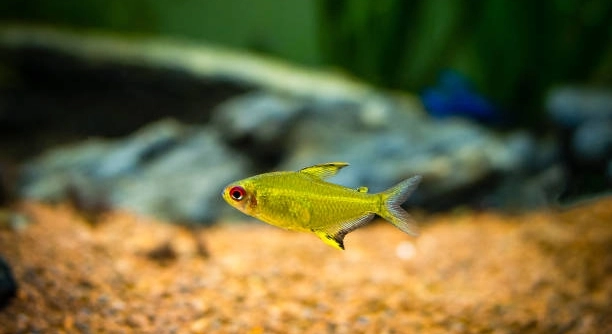
Is your arowana suddenly swimming backward and leaving you a bit concerned? Observing this unusual behavior can be unsettling, especially when your fish normally glides gracefully through the water with ease and confidence.
The primary reason an arowana exhibits backward swimming is often linked to stress, water quality issues, or physical ailments. Monitoring tank conditions, diet, and overall health can help identify the underlying cause and prevent further complications.
Recognizing these warning signs early ensures your arowana stays healthy, active, and comfortable in its aquatic environment.
Common Causes of Backward Swimming
Arowanas may start swimming backward for several reasons, most of which are linked to their environment or health. Poor water quality, such as high ammonia or nitrite levels, can irritate their gills and make normal swimming difficult. Sudden changes in temperature or pH can also stress them. Overfeeding or a sudden diet change may upset their digestive system, causing unusual movements. Infections, parasites, or injuries to fins and muscles can interfere with balance and coordination. Sometimes, backward swimming occurs during breeding behavior or as a response to new tankmates, reflecting social stress. Observing other signs like clamped fins, loss of appetite, or lethargy can help determine whether the behavior is serious. Maintaining clean water, stable temperature, and a balanced diet are essential steps. Regular observation is key because early detection of these issues prevents more serious health problems and keeps your arowana active and comfortable in its tank.
Monitoring water quality and tank conditions closely can quickly reveal the cause of this behavior.
Noticing backward swimming can be alarming, but careful attention to the arowana’s surroundings, diet, and interactions often provides clear answers. Ensuring a stress-free environment, gradual water changes, and proper feeding habits significantly reduce the likelihood of repeated backward swimming. Keeping the tank clean and observing the fish daily allows early intervention, preventing minor issues from escalating into severe health problems. Sometimes, minor injuries or temporary stress can trigger this behavior, and recovery is possible with proper care. By tracking patterns and responding promptly to changes, the fish remains comfortable, and you gain confidence in maintaining its well-being.
How to Correct Backward Swimming
Identifying the underlying cause is the first step to correcting backward swimming.
Once causes like water quality, diet, or stress are addressed, most arowanas regain normal swimming patterns. Ensuring the tank is clean and properly cycled is crucial, as ammonia or nitrite spikes are common triggers. Avoid sudden temperature fluctuations and keep water parameters consistent. Adjusting feeding habits, providing a varied diet, and removing excess food prevent digestive issues. If injury or infection is suspected, isolate the affected fish and consult an aquatic veterinarian for treatment. Creating a calm environment by limiting aggressive tankmates reduces social stress. Using high-quality filtration and performing regular water changes supports overall health. Consistent observation helps detect early warning signs, allowing timely adjustments. Recovery can take days to weeks depending on severity, but persistent care and attention usually restore normal behavior. Keeping notes on water parameters and feeding routines aids in long-term prevention and helps maintain your arowana’s comfort and vitality.
Water Quality and Tank Conditions
Poor water quality can directly affect an arowana’s swimming. High ammonia, nitrite, or nitrate levels irritate the gills, leading to backward movement. Dirty filters or infrequent water changes worsen the problem. Maintaining stable pH and temperature is essential for preventing stress-related behavior.
Regular water testing and consistent maintenance are crucial. Tanks should be cleaned weekly, and partial water changes of 20–30 percent help maintain balance. Filters need monitoring to ensure proper flow and remove debris. Arowanas are sensitive to sudden changes, so gradual adjustments are best when correcting water parameters.
Tank size and layout also matter. Overcrowded or small tanks restrict movement, causing stress and abnormal swimming. Decorations should allow free swimming without sharp edges. Consistent monitoring, clean equipment, and appropriate tank setup significantly reduce backward swimming occurrences. Proper filtration and water circulation support the arowana’s health and overall comfort.
Diet and Feeding Habits
Feeding practices greatly influence swimming behavior. Overfeeding or offering inappropriate food can cause digestive discomfort, leading to backward swimming. A balanced diet with high-protein pellets or live foods is essential. Avoid sudden diet changes that can upset the fish’s system.
Provide meals in small portions to prevent bloating. Remove uneaten food promptly to maintain water quality. Offering occasional live or frozen foods encourages natural behavior and supports digestive health. High-quality, nutrient-rich pellets prevent deficiencies that could contribute to stress.
Consistency in feeding times also matters. Irregular schedules confuse the arowana and may lead to erratic movements. Observing how your fish responds to different foods helps identify preferences and digestive tolerance. A stable, nutritious diet improves overall behavior and reduces backward swimming tendencies over time.
Stress and Environmental Factors
Stress is a common reason for backward swimming in arowanas. Sudden changes in lighting, tankmates, or decorations can make them anxious. Limiting disturbances and keeping a stable environment helps reduce stress.
Social stress from aggressive or overly active tankmates can also trigger unusual movements. Separating the arowana or providing hiding spaces allows it to regain confidence and swim normally.
Illness and Physical Injuries
Illness or injuries can directly affect swimming behavior. Parasites, bacterial infections, or fin and muscle damage often cause backward movement. Close observation of the fish’s body, fins, and gills is necessary to identify visible signs. Prompt treatment with appropriate medications or veterinary care prevents worsening conditions and supports recovery.
Observing Behavior Patterns
Tracking when and how your arowana swims backward is important. Noting patterns related to feeding, lighting, or interactions with other fish can reveal underlying triggers.
FAQ
Why is my arowana swimming backward suddenly?
Backward swimming in arowanas is usually linked to stress, water quality issues, digestive problems, or physical injuries. Sudden changes in tank conditions, overfeeding, or aggressive tankmates can trigger this behavior. Observing your fish carefully and checking water parameters often helps pinpoint the cause.
Can poor water quality make arowanas swim backward?
Yes, high levels of ammonia, nitrites, or nitrates irritate the gills and affect buoyancy. Improper pH, sudden temperature changes, or dirty filters also contribute to stress and abnormal swimming. Regular water testing and consistent maintenance are essential.
Does diet affect swimming behavior?
Absolutely. Overfeeding, inappropriate food, or sudden diet changes can cause bloating or digestive discomfort, leading to backward swimming. Providing high-protein pellets, live or frozen foods, and small, consistent portions supports digestive health and prevents abnormal movement.
Can stress from tankmates cause this behavior?
Yes, aggressive or overly active fish can intimidate an arowana, causing stress. Hiding spaces or separating the fish temporarily can reduce anxiety. Stable lighting, calm interactions, and minimal disturbances also help maintain normal swimming patterns.
Could illness or injury be the reason?
Parasites, bacterial infections, or physical injuries can impair swimming. Signs like clamped fins, redness, or lethargy often accompany backward movement. Prompt treatment with appropriate medication or veterinary care supports recovery and prevents complications.
Is backward swimming always a serious issue?
Not always. Temporary stress, minor digestive discomfort, or slight environmental changes can cause brief episodes of backward swimming. Persistent or worsening behavior, especially with other symptoms, usually indicates a more serious problem requiring intervention.
How long does it take for an arowana to recover?
Recovery depends on the cause. Stress-related episodes may resolve in a few days once conditions stabilize. Illness or injuries may require weeks of treatment and careful monitoring to restore normal swimming behavior.
What preventive measures can I take?
Regular water testing, stable tank conditions, consistent feeding routines, and providing ample space are key. Avoid sudden changes in tankmates, decorations, or lighting. Observing the fish daily helps catch problems early and maintain long-term health.
Should I consult a vet if my arowana swims backward?
If the behavior persists despite correcting water quality, diet, and stress factors, veterinary advice is recommended. A vet can diagnose infections, parasites, or internal issues that aren’t immediately visible. Early intervention improves recovery chances.
Are there any signs that indicate urgent attention?
Yes, if backward swimming is accompanied by lethargy, rapid gill movement, swelling, or loss of appetite, immediate action is needed. These signs often indicate serious illness or severe stress that requires prompt treatment to prevent fatal outcomes.
Can tank size affect swimming patterns?
Small or overcrowded tanks restrict movement and increase stress. Arowanas need ample space to swim freely. Proper tank size, decorations that allow movement, and clear swimming paths reduce abnormal behavior and support overall health.
Does temperature fluctuation influence swimming?
Yes, sudden temperature changes or unstable water conditions can stress arowanas, leading to backward swimming. Maintaining a consistent temperature and avoiding sudden adjustments helps prevent stress-induced behavior.
Can backward swimming indicate breeding behavior?
In some cases, backward swimming may occur during mating or territorial behavior. However, this is usually temporary and context-specific. Observing other behaviors, such as chasing or nest building, helps distinguish this from stress or illness.
How important is observation in preventing this issue?
Daily observation is crucial. Watching feeding habits, swimming patterns, and interactions with tankmates allows early detection of stress, illness, or injury. Early intervention prevents minor problems from escalating into serious health issues.
What role does filtration play in preventing backward swimming?
Effective filtration maintains water clarity, removes debris, and balances chemical levels. Poor filtration can create harmful conditions, leading to stress or illness. Regular cleaning and monitoring of filters are essential to maintain a healthy environment.
Are there natural remedies to reduce backward swimming?
While maintaining clean water, proper diet, and stress-free conditions are primary, certain safe additives like aquarium salts or probiotics (used correctly) can support gill health and digestion. Always follow recommended dosages and monitor the fish closely for reactions.
Can lighting affect arowana behavior?
Yes, sudden bright lights or inconsistent lighting schedules can startle arowanas and cause stress. A stable day-night cycle and gradual light adjustments help maintain normal behavior and reduce backward swimming episodes.
How can I tell if my arowana is recovering?
Signs of recovery include normal swimming patterns, active feeding, bright coloration, and relaxed fins. Observing improvements over several days after adjusting water quality, diet, or stress factors indicates that interventions are effective.
Is backward swimming more common in certain arowana species?
All arowana species can exhibit backward swimming if stressed or unwell, but sensitivity varies. Some species may be more prone to environmental stressors due to temperament or activity level. Monitoring species-specific needs ensures proper care.
When should I change my tank setup to help my arowana?
Changes should be gradual to avoid further stress. Adjustments to decorations, tankmates, or equipment are best made incrementally while observing the fish’s response. Sudden overhauls can worsen backward swimming behavior.
What is the long-term impact of repeated backward swimming?
Chronic stress, untreated illness, or poor environmental conditions can weaken the immune system, reduce growth, and shorten lifespan. Addressing causes promptly prevents long-term health problems and supports arowanas in maintaining normal, healthy behavior.
How can I improve my arowana’s overall comfort in the tank?
Stable water conditions, proper diet, ample swimming space, and minimal stressors improve comfort. Providing hiding spots, consistent lighting, and routine observation helps the fish feel secure and reduces the likelihood of backward swimming.
Are there any behavioral signs that indicate improvement?
Positive signs include swimming forward smoothly, actively exploring the tank, engaging with food, and relaxed fins. Gradual return to normal behavior signals that the interventions are working and the arowana is regaining health and confidence.
Can diet supplements help prevent backward swimming?
High-quality pellets enriched with vitamins and minerals support overall health. Occasional live or frozen foods enhance nutrition and digestive function. Supplements can help prevent stress-related or diet-induced backward swimming when used correctly as part of a balanced feeding routine.
Does tank location affect stress and swimming patterns?
Yes, placing the tank in a quiet, stable area away from heavy foot traffic, loud noises, or sudden movements reduces stress. A calm environment encourages natural behavior and prevents backward swimming triggered by external disturbances.
What role does water flow play in swimming behavior?
Strong or uneven currents can tire the fish and lead to backward swimming. Gentle, consistent water flow that mimics natural conditions allows the arowana to swim comfortably and reduces stress. Adjusting filters or adding flow diffusers can help balance currents.
Can backward swimming be prevented entirely?
While not all instances can be avoided, consistent care, proper water maintenance, a balanced diet, and a stable environment greatly reduce occurrences. Early detection and timely adjustments are key to preventing repeated episodes and ensuring long-term health.
How often should I monitor my arowana for unusual behavior?
Daily observation is ideal. Watching how the fish swims, feeds, and interacts with its environment helps catch early signs of stress, illness, or environmental problems. Regular monitoring ensures prompt action and maintains optimal health.
Is it safe to keep other fish with an arowana?
Yes, but careful selection is necessary. Aggressive or fast-moving tankmates can stress an arowana, triggering backward swimming. Choosing compatible species and providing sufficient space minimizes conflict and supports calm, natural behavior.
What should I do if my arowana continues swimming backward despite all interventions?
Persistent backward swimming despite addressing water quality, diet, and stress may indicate a serious underlying health issue. Consulting an aquatic veterinarian for diagnosis and treatment ensures the best chance for recovery and prevents further complications.
Can backward swimming affect an arowana’s growth?
Yes, chronic stress or illness from repeated backward swimming can impact appetite, metabolism, and overall growth. Addressing the root cause promptly ensures proper nutrition, development, and long-term health.
Are there environmental signs to watch for that may trigger backward swimming?
Sudden temperature shifts, strong water currents, bright lights, and overcrowding can all induce backward swimming. Observing changes in the tank environment and making gradual adjustments prevents unnecessary stress.
How do I know if my arowana is stressed rather than sick?
Stress often shows as temporary backward swimming, hiding, or mild changes in behavior without other physical symptoms. Illness usually comes with visible signs like clamped fins, discoloration, lethargy, or loss of appetite. Monitoring both behavior and physical health helps distinguish the cause.
Can backward swimming indicate aging in arowanas?
Older fish may exhibit slower movement or occasional backward swimming due to reduced strength or mild health issues. While aging can influence behavior, persistent backward swimming usually points to environmental or health factors that need attention.
How long should I wait before expecting improvement after intervention?
Minor stress or environmental changes may show improvement in a few days. Digestive or mild health issues can take one to two weeks, while infections or injuries may require longer recovery with ongoing care and observation.
Does water hardness affect swimming behavior?
Yes, extreme hardness or sudden changes in water hardness can stress arowanas, affecting buoyancy and swimming. Maintaining consistent water parameters aligned with species-specific requirements prevents abnormal behavior.
What signs indicate that my arowana is fully recovered?
Normal forward swimming, active feeding, bright coloration, relaxed fins, and interaction with the environment indicate full recovery. Observing these signs consistently over time confirms that the fish has returned to a healthy state.
Can I mix live and pellet foods safely?
Yes, combining high-quality pellets with occasional live or frozen foods supports balanced nutrition and digestion. Offering variety in appropriate portions prevents digestive issues that may contribute to backward swimming.
Are there behavioral changes after correcting water conditions?
Yes, once water parameters stabilize, stress-related backward swimming often decreases. The arowana becomes more active, swims confidently, and resumes normal feeding, indicating improved comfort and health.
Does tank decoration affect swimming behavior?
Yes, obstacles or sharp objects can restrict movement or injure the fish. Open spaces with minimal hazards allow free swimming and reduce stress-induced backward swimming. Safe, spacious tank design supports natural behavior.
Can backward swimming happen at night?
Occasionally, minor backward movement at night may occur due to reduced visibility or rest patterns. Persistent nighttime backward swimming combined with other symptoms may indicate health or environmental issues requiring attention.
Is it normal for young arowanas to swim backward?
Juveniles may occasionally swim backward during growth spurts or learning coordination. Persistent backward swimming in young fish usually signals environmental stress, diet issues, or minor health problems that need addressing.
How important is gradual change in tank conditions?
Sudden changes can trigger stress and backward swimming. Gradual adjustments in water parameters, lighting, and tankmates allow the arowana to adapt comfortably, minimizing abnormal behavior and supporting long-term health.
Are there any signs of improvement in water-stressed arowanas?
Improvement includes smoother swimming, active exploration, and normal feeding. Reduced backward movement and relaxed fins indicate that water quality corrections are effective and the fish is recovering.
How can I keep track of behavioral changes effectively?
Maintaining a journal with daily notes on swimming patterns, feeding, water parameters, and interactions helps detect trends, identify triggers, and guide interventions. Consistent tracking ensures timely and effective care for your arowana.
Does feeding frequency influence backward swimming?
Yes, irregular feeding or overfeeding can cause digestive stress and abnormal movement. Small, consistent meals support digestive health and reduce the likelihood of backward swimming.
Can temperature fluctuations during water changes cause backward swimming?
Yes, adding water that is too hot or cold can shock the fish. Using water that matches the tank temperature prevents stress and abnormal swimming.
Are there any signs that water-related interventions are working?
Yes, smoother swimming, increased activity, and calm behavior indicate that changes in water quality or tank maintenance are effective and the arowana is adjusting well.
Does tank location near windows or vents affect behavior?
Yes, direct sunlight, drafts, or temperature fluctuations from vents can stress the fish. Placing the tank in a stable environment reduces stress-induced backward swimming.
Can backward swimming be a one-time occurrence?
Yes, brief episodes may occur due to minor stress or temporary environmental changes. Persistent or repeated backward swimming is more concerning and usually indicates a need for intervention.
How do I distinguish between stress and illness as the cause?
Stress often resolves quickly after environmental adjustments and has minimal physical symptoms. Illness usually includes visible signs like fin damage, discoloration, or lethargy. Observing both behavior and physical condition helps determine the correct cause.
Are certain arowanas more sensitive to water changes?
Yes, some species are more sensitive to sudden changes in pH, temperature, or hardness. Gradual adjustments and careful monitoring are necessary to prevent backward swimming caused by stress.
How do I ensure long-term prevention of backward swimming?
Consistent water maintenance, stable tank conditions, proper diet, and stress management are key. Daily observation, safe tank setup, and gradual environmental changes help prevent recurrence and support the arowana’s health over time.
Is backward swimming reversible?
Yes, with proper care addressing stress, diet, illness, or water quality, backward swimming is usually reversible. Timely interventions and consistent monitoring allow the arowana to return to normal behavior and maintain overall well-being.
Can tankmate aggression be managed without separation?
Yes, introducing barriers, rearranging the tank, or providing hiding spots can reduce conflict. Careful observation ensures that the arowana feels safe while maintaining social balance in the tank.
Does water temperature consistency matter more than exact temperature?
Yes, a stable temperature is more important than a precise degree. Sudden fluctuations cause stress, whereas minor deviations within a safe range are generally tolerated by arowanas.
Can backward swimming affect appetite?
Yes, stress or digestive discomfort from backward swimming often reduces appetite. Correcting underlying causes usually restores normal feeding behavior and supports recovery.
What is the safest way to perform water changes?
Use dechlorinated water at the same temperature as the tank, and change 20–30 percent at a time. Gradual water replacement prevents shock and stress-related swimming issues.
Do backward swimming patterns differ between male and female arowanas?
Generally, both genders exhibit similar stress responses. Differences are minor and often influenced more by environmental conditions, diet, or health rather than gender-specific traits.
Can adding plants help reduce backward swimming?
Yes, plants provide hiding spots and reduce stress, promoting normal swimming. They also help maintain water quality by absorbing nitrates, contributing to a healthier environment.
Are live foods better than pellets for preventing backward swimming?
Both have benefits. Live foods encourage natural hunting behavior, while high-quality pellets provide consistent nutrition. A mix supports digestive health, reduces stress, and minimizes abnormal swimming.
Can sudden loud noises trigger backward swimming?
Yes, unexpected loud noises can startle an arowana, causing brief backward swimming. Reducing disturbances and providing a calm environment prevents stress-induced episodes.
Does the size of the fish affect sensitivity to stress?
Larger or older fish may tolerate minor stress better than juveniles, but all sizes are susceptible to environmental changes, diet issues, and illness that can trigger backward swimming.
Are there any signs of chronic stress I should watch for?
Persistent backward swimming, clamped fins, reduced appetite, faded coloration, and lethargy indicate chronic stress. Addressing underlying causes promptly prevents long-term health effects and supports recovery.
How often should I check water parameters to prevent backward swimming?
Weekly testing of ammonia, nitrite, nitrate, pH, and temperature is recommended. More frequent checks are advised if the fish shows stress signs or after tank adjustments.
Can backward swimming indicate neurological issues?
In rare cases, neurological problems can affect coordination and swimming. Persistent, unresponsive backward swimming with no environmental or health triggers may require veterinary assessment.
Does tank lid type influence swimming behavior?
Yes, overly bright lights, reflections, or vibrations from certain lids can stress the fish. Choosing a stable, non-intrusive lid design helps maintain calm and normal swimming.
Can backward swimming be a sign of poor social structure in the tank?
Yes, improper social dynamics or incompatible tankmates create stress. Observing interactions and adjusting the mix of fish helps reduce backward swimming caused by social tension.
Are there behavioral exercises to improve swimming?
Encouraging exploration, gentle water flow, and varied tank layouts can promote active, forward swimming. These practices strengthen muscles, reduce stress, and support natural movement.
Can medications for illness cause temporary backward swimming?
Yes, some treatments may temporarily affect balance or appetite. Monitoring the fish during treatment ensures it tolerates medication and resumes normal swimming once therapy is complete.
Is it normal for arowanas to swim backward during feeding?
Occasionally, backward movement while chasing food occurs, especially with live foods. Persistent backward swimming outside feeding times indicates stress, health, or environmental issues needing attention.
How do I balance cleaning and stability to prevent backward swimming?
Clean the tank regularly but avoid sudden, full-scale changes. Partial water changes, gradual decoration adjustments, and careful filter maintenance maintain cleanliness while minimizing stress.
Can water aeration affect swimming behavior?
Yes, insufficient oxygen can cause stress and backward swimming. Proper aeration ensures the fish remains comfortable and active, supporting overall health and normal movement.
Are there seasonal changes that affect swimming behavior?
Temperature or light changes with seasons can temporarily stress arowanas. Gradual adjustments to tank conditions help the fish maintain normal swimming patterns despite external fluctuations.
How do I know if behavioral changes are permanent?
Permanent changes are rare. Most backward swimming resolves once environmental, dietary, or health issues are corrected. Persistent or worsening patterns may require veterinary intervention for underlying conditions.
Can sudden introduction of new fish trigger backward swimming?
Yes, new tankmates can create stress. Gradual introductions, quarantine periods, and observation help the arowana adapt without triggering abnormal swimming behavior.
Does water clarity influence swimming behavior?
Yes, murky or dirty water increases stress and can cause backward swimming. Maintaining clear water supports comfort, activity, and natural swimming patterns.
Are there signs that indicate overfeeding as the cause?
Bloating, reduced activity, and backward swimming after meals suggest overfeeding. Adjusting portion sizes and feeding frequency prevents digestive stress and supports normal behavior.
Can backward swimming affect long-term health?
Chronic stress, untreated illness, or poor water conditions associated with backward swimming can weaken immunity, reduce growth, and shorten lifespan. Addressing
Final Thoughts
Observing your arowana swimming backward can be unsettling, but it is often a sign that something in its environment or health needs attention. Most cases are linked to stress, water quality, diet, or minor injuries. It is important to remain calm and systematic when addressing the behavior. Begin by checking the tank’s water parameters, including ammonia, nitrite, nitrate, pH, and temperature. Maintaining clean water and stable conditions reduces stress and supports natural swimming behavior. Regular partial water changes, filter maintenance, and proper aeration are simple yet effective steps to improve water quality. By ensuring the environment is suitable, you create the foundation for your arowana’s overall health and comfort.
Feeding practices also play a significant role in your fish’s behavior. Overfeeding or offering inappropriate food can lead to digestive discomfort, which may trigger backward swimming. Providing a balanced diet with high-quality pellets, supplemented occasionally with live or frozen foods, supports proper digestion and nutrition. Feeding smaller portions multiple times a day rather than a large meal at once can prevent bloating and help maintain energy levels. Observing how your arowana reacts to different foods helps you understand its preferences and tolerance. A consistent feeding routine not only improves digestion but also reinforces a sense of stability for the fish, reducing stress-related behaviors.
Monitoring health and behavior is key to long-term well-being. Keep an eye out for additional signs such as clamped fins, lethargy, discoloration, or loss of appetite, which may indicate illness or injury. Aggressive tankmates or overcrowded tanks can also cause stress and unusual swimming patterns. Creating a calm and spacious environment, providing hiding spots, and adjusting tankmates if necessary can help your arowana feel secure. Regular observation allows early detection of minor issues before they become serious problems. By combining careful water maintenance, balanced feeding, and consistent monitoring, you support not only the prevention of backward swimming but also the overall health, longevity, and comfort of your arowana in its aquatic home.

Hello,
If you enjoy the content that we create, please consider saying a "Thank You!" by leaving a tip.
Every little bit helps us continue crafting quality advice that supports the health, happiness, and well-being of pets around the world, for pets of all shapes, sizes, and species.
We really appreciate the kindness and support that you show us!