
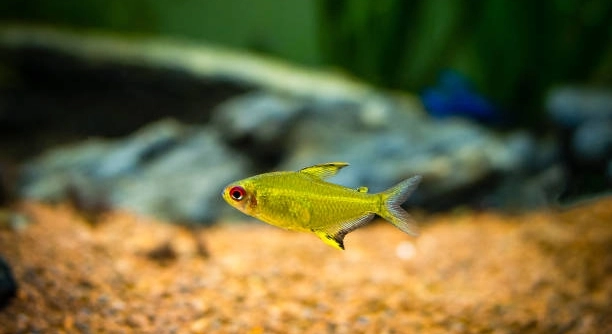
Lemon tetras are small, lively fish that bring color to any aquarium. Watching them swim gracefully can be relaxing, but subtle signs may show when they are uncomfortable or stressed in their environment.
Recognizing discomfort in lemon tetras involves observing changes in behavior, appetite, swimming patterns, and physical appearance. Rapid identification of stress indicators allows for timely intervention, ensuring the fish maintain good health, proper hydration, and a stable aquatic environment.
Noticing these signals early can help you prevent serious health issues and maintain a peaceful, thriving aquarium for your lemon tetras.
Changes in Swimming Patterns
When lemon tetras are uncomfortable, their swimming patterns often shift noticeably. They may start hovering near the bottom of the tank or dart around frantically without reason. Some may swim in circles or isolate themselves from the group. Normally active fish may become lethargic, gliding slowly and resting more than usual. These changes can indicate stress caused by poor water quality, sudden temperature shifts, or incompatible tank mates. Observing your tetras during feeding times is especially useful, as they may show avoidance or hesitation if discomfort is present. A well-maintained aquarium with proper filtration, consistent temperature, and enough hiding spots helps reduce stress. Even small changes in behavior can be significant. Regular observation allows you to notice minor shifts before they escalate into health problems. Swimming irregularities paired with color changes or loss of appetite often signal urgent attention is needed for the fish’s well-being.
Abnormal swimming is a reliable indicator of stress and discomfort in lemon tetras, alerting you to possible environmental or health issues.
Watching for subtle signs such as swimming at odd angles, avoiding group interactions, or sticking to one area of the tank helps you identify which fish need care. Early attention prevents illness and promotes a calmer, healthier tank overall. By combining observation with proper water testing and adjustments, you can ensure the fish regain their normal activity. Adjusting decorations or adding plants may also provide more security and comfort, allowing tetras to explore freely.
Loss of Appetite
A sudden decrease in appetite is often one of the first signs that a lemon tetra is uncomfortable. Even minor changes in feeding behavior can indicate stress or illness, which may be caused by water problems, poor diet, or internal parasites.
Loss of appetite can lead to rapid weakening, making timely intervention essential to prevent long-term damage.
If your lemon tetras stop eating or only pick at food, this should not be ignored. Check water parameters such as pH, ammonia, and nitrate levels, and ensure the temperature is within the optimal range. Illness or parasites may require treatment, while changes in diet or feeding schedule can sometimes restore normal eating habits. Observing which fish are affected helps in isolating individuals if needed, reducing the spread of disease. Providing a balanced diet and high-quality flakes or frozen food encourages regular feeding. Additionally, creating a calm environment with minimal sudden disturbances can help tetras regain confidence during mealtime. Feeding small portions multiple times a day may also stimulate appetite. Regular monitoring ensures that appetite returns to normal and supports overall health.
Hiding or Avoiding Others
Hiding in corners or behind decorations is a common sign of stress in lemon tetras. They may avoid swimming with their group or seem tense, which often indicates discomfort or fear.
Frequent hiding can result from poor water quality, aggressive tank mates, or sudden changes in the environment. Lemon tetras are naturally social fish, so isolation is unusual and should not be ignored. They may cling to plants or decorations for safety, moving only when necessary. Providing ample hiding spots like plants or small caves helps them feel secure, but constant avoidance suggests underlying issues. Observing the tank daily helps identify which individuals are struggling. Adjusting water conditions, improving diet, and ensuring compatible companions can reduce stress and encourage normal behavior.
Persistent hiding may also signal illness or injury. Fish that avoid others while displaying pale colors or labored breathing require prompt attention. Treating water problems or isolating affected fish can prevent further complications and help restore comfort.
Rapid Gill Movement
Rapid gill movement is often a sign of stress or poor water conditions. Lemon tetras may breathe faster when oxygen levels are low or when they feel threatened.
Excessive gill activity can indicate ammonia buildup, high nitrate levels, or temperature fluctuations in the tank. Fish may appear restless, swimming near the surface for oxygen or staying in one area while breathing heavily. Checking water quality and performing partial water changes are crucial steps. Proper filtration and aeration also help maintain stable conditions. Sometimes rapid gill movement occurs during illness or after introducing new tank mates, requiring careful observation.
If the condition persists, it may point to infections or parasites affecting the respiratory system. Treating the tank and isolating sick fish helps reduce stress on the group. Maintaining consistent feeding and avoiding sudden disturbances ensures the tetras can recover and return to normal breathing patterns. Monitoring closely during this period is essential to prevent long-term health issues.
Faded or Dull Color
Lemon tetras with faded or dull colors often indicate stress, illness, or poor water conditions. Bright coloration reflects health, so a sudden change should not be ignored.
Color loss can result from inadequate diet, high nitrate levels, or constant stress from tank mates.
Clamped Fins
Clamped fins, where the fins stay close to the body, are a clear sign of discomfort in lemon tetras. This behavior can indicate stress, disease, or poor water quality. Fish with clamped fins may also swim less and hide more frequently, making observation critical. Regular monitoring and water maintenance can help restore normal fin position.
Scratching Against Objects
When lemon tetras scratch against tank decorations or substrate, it often signals irritation or parasites. Constant rubbing may lead to injuries if not addressed promptly.
How can I tell if my lemon tetra is stressed?
Stress in lemon tetras can show in several ways. Changes in swimming patterns, hiding more than usual, and avoiding group interaction are common signs. Color may fade, fins can clamp close to the body, and appetite may decrease. Rapid gill movement or scratching against objects also indicates discomfort. Observing your fish daily helps spot small changes before they turn into serious health problems. Maintaining stable water parameters, a balanced diet, and compatible tank mates reduces stress.
What should I do if my lemon tetra stops eating?
If a lemon tetra refuses food, check water conditions first, including temperature, pH, and ammonia levels. Illness or parasites could also affect appetite, so watch for other symptoms like pale color or clamped fins. Offering high-quality flakes, frozen, or live food in small portions several times a day may stimulate feeding. Avoid overcrowding, as this can create stress. Isolating affected fish temporarily can prevent illness from spreading. Consistent observation and gradual adjustments to water and diet usually restore normal eating habits.
Why is my lemon tetra hiding all the time?
Frequent hiding often signals stress, poor water quality, or aggressive tank mates. Lemon tetras are social, so isolation is unusual. Ensure there are enough plants or decorations for security but check for water problems. Sudden environmental changes like temperature fluctuations can also trigger hiding. Persistent avoidance may indicate illness or discomfort. Addressing the cause promptly by improving tank conditions and observing behavior helps the fish feel safe and return to normal swimming patterns.
How do I improve water quality for my lemon tetras?
Regular testing of pH, ammonia, nitrite, and nitrate levels is essential. Partial water changes of 20–25% weekly help maintain balance. Proper filtration and aeration ensure oxygen levels stay stable. Avoid overfeeding, as leftover food increases waste. Gradually adjusting new water prevents sudden stress from temperature or pH shifts. A clean tank supports healthy behavior, bright coloration, and appetite, reducing signs of discomfort. Observing fish during daily maintenance helps catch early signs of stress related to water issues.
Can clamped fins mean disease?
Yes, clamped fins often point to stress but can also indicate illness such as bacterial infections, parasites, or fungal problems. Check for additional symptoms like white spots, frayed fins, or lethargy. Isolate affected fish if necessary and treat the tank according to the condition. Maintaining clean water and minimizing sudden changes in the environment often helps prevent these issues. Early detection is key to recovery and ensuring the group remains healthy.
Why are my lemon tetras scratching against decorations?
Scratching against objects is usually caused by irritation from parasites or external infections. Check for tiny spots, redness, or unusual growths on the body. Improving water quality and treating for external parasites can stop the behavior. Avoid overcrowding and ensure smooth decorations to reduce risk of injury. Scratching is a clear sign your fish need attention before the irritation worsens.
How often should I observe my lemon tetras?
Daily observation is best. Short checks of swimming patterns, appetite, and coloration can reveal early signs of stress or illness. Note any changes in behavior like hiding, clamped fins, or rapid gill movement. Frequent monitoring helps maintain a stable environment and allows quick action if a problem arises. Consistency ensures the fish remain healthy and comfortable in their tank.
Can diet affect lemon tetra behavior?
Yes, a poor or unbalanced diet can lead to stress, faded color, and reduced activity. Providing a mix of high-quality flakes, frozen, or live food supports energy levels and overall health. Avoid overfeeding, which causes water issues. A proper diet encourages normal behavior, vibrant color, and appetite, reducing signs of discomfort.
Is tank size important for lemon tetras?
Tank size directly impacts stress levels. Lemon tetras need enough space to swim and socialize, ideally in groups of six or more. Small or overcrowded tanks increase aggression, hiding, and discomfort. A well-planned tank with adequate plants, hiding spots, and open swimming areas supports natural behavior, reduces stress, and encourages vibrant coloration.
What are early signs of illness in lemon tetras?
Early signs include faded colors, clamped fins, reduced appetite, erratic swimming, rapid gill movement, hiding, or scratching against objects. Catching these signs early allows for faster intervention, whether it’s water adjustment, isolation, or treatment. Daily observation is essential for maintaining health and preventing serious problems from developing.
This FAQ covers the most common concerns about lemon tetra discomfort and behavior, helping you identify problems quickly and maintain a healthy, comfortable tank environment.
Lemon tetras are small, lively fish that bring color and movement to any aquarium. Keeping them healthy requires paying attention to their behavior and environment. Even subtle signs like faded color, clamped fins, hiding, or rapid gill movement can indicate stress or discomfort. Observing your fish daily helps catch these problems early, allowing you to make adjustments before they become serious. Stress can come from many sources, including poor water quality, overcrowding, aggressive tank mates, or sudden changes in temperature. A stable, clean tank and consistent care are essential for keeping lemon tetras comfortable and healthy.
Proper water maintenance is one of the most important steps in ensuring your tetras’ well-being. Testing for pH, ammonia, nitrite, and nitrate levels regularly helps prevent conditions that can harm the fish. Partial water changes, a reliable filtration system, and gentle aeration all contribute to a balanced environment. Overfeeding should be avoided because leftover food increases waste and affects water quality. Providing hiding spots and plants allows fish to feel secure, reducing stress and encouraging normal swimming and feeding behavior. Consistent feeding with high-quality flakes, frozen, or live foods supports their energy levels, coloration, and overall health.
Behavioral changes are often the first indicators that something is wrong. If a fish isolates itself, scratches against objects, or loses its appetite, immediate attention is needed. Addressing the root cause, whether it is water quality, diet, or illness, will help restore comfort. Early intervention can prevent minor problems from turning into serious health issues. Spending time observing your lemon tetras not only improves their well-being but also enhances the enjoyment of the aquarium. Healthy fish display vibrant colors, active swimming, and normal social interaction, making the tank a more peaceful and lively space. Regular monitoring and thoughtful care create an environment where lemon tetras can thrive for years.

Hello,
If you enjoy the content that we create, please consider saying a "Thank You!" by leaving a tip.
Every little bit helps us continue crafting quality advice that supports the health, happiness, and well-being of pets around the world, for pets of all shapes, sizes, and species.
We really appreciate the kindness and support that you show us!