
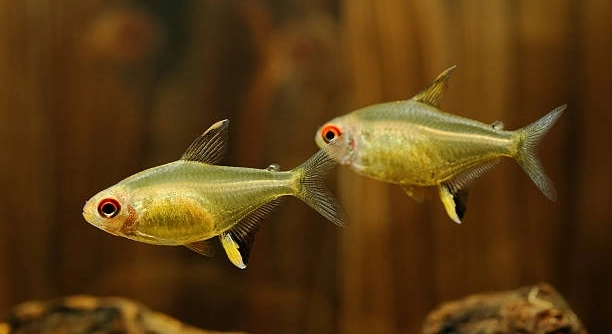
Lemon tetras are small, colorful fish that many people enjoy keeping in home aquariums. They are lively and bright, but a lot of myths and misunderstandings surround their care and behavior in tanks.
Many common beliefs about lemon tetras are inaccurate and can lead to poor care decisions. Misconceptions range from their social needs to dietary habits, and understanding the truth is essential for maintaining a healthy and thriving aquarium environment.
Learning the facts behind these myths can help you provide better care. There are simple ways to ensure your lemon tetras stay happy and healthy.
Lemon Tetras Are Fragile Fish
Many people believe that lemon tetras are extremely delicate and require constant attention. While they are small and sensitive to poor water conditions, they are not as fragile as some think. With a proper tank setup, stable water parameters, and a consistent feeding schedule, these fish can thrive for several years. Lemon tetras benefit from a well-maintained aquarium with regular water changes and gentle filtration. Overcrowding and sudden temperature changes are more harmful than minor fluctuations in feeding or routine care. They are hardy enough to tolerate minor mistakes if the overall environment is stable. Observing their behavior daily helps spot issues early, such as signs of stress or illness. Creating hiding spots and adding plants can reduce stress and mimic their natural environment. Social interaction with other tetras also keeps them active and healthy. With knowledge and patience, lemon tetras are resilient and rewarding to keep in an aquarium.
Proper care and stable conditions allow lemon tetras to thrive, and they are not as fragile as many assume. Consistency is key.
Understanding their needs makes it easier to avoid mistakes. Regular maintenance and careful observation improve their health and happiness.
Lemon Tetras Need Live Food
Some people think lemon tetras require only live food to stay healthy. While live foods like brine shrimp or daphnia are beneficial, they are not strictly necessary. High-quality flake or frozen foods can provide all essential nutrients. It is important to offer a balanced diet that includes proteins, vitamins, and occasional plant matter. Feeding a variety of foods prevents deficiencies and keeps the fish active. Overfeeding or relying solely on live food can lead to water quality issues. Lemon tetras will eat flakes, pellets, and frozen foods without issue. Their diet should be portioned to prevent uneaten food from decomposing in the tank. Live foods are excellent for stimulation and breeding, but they are not mandatory for a healthy, thriving school. Consistency and moderation are more important than the type of food alone.
Offering a balanced diet ensures that lemon tetras remain vibrant, active, and healthy in their aquarium.
A diverse feeding routine is key to longevity. Flakes, pellets, frozen, and occasional live foods create variety and meet nutritional needs. Feeding twice daily in small amounts prevents waste buildup and keeps water clean. Introducing foods gradually helps them adjust without stress. Breeding tetras benefit from live foods, but this is optional for regular care. Observing feeding habits allows adjustments to portions and ensures all fish receive nutrition. Too much live food can disrupt water quality and cause stress. Combining different types of food supports growth, vibrant colors, and overall health. Lemon tetras appreciate variety and will show increased activity when their diet is interesting. Regularly rotating food types is a practical approach that avoids monotony. Creating a feeding schedule with controlled amounts reduces the risk of obesity and maintains the aquarium environment. Proper nutrition is foundational to a happy and thriving school of lemon tetras.
Lemon Tetras Can Live Alone
Lemon tetras are schooling fish, and keeping just one can cause stress. They feel safer and behave naturally in groups of at least six, which supports their social needs and reduces anxiety.
In a small group, lemon tetras may become shy and hide frequently. Their colors can dull, and they may show less activity when alone. They rely on social interaction for normal swimming patterns and feeding behavior. Observing a single fish often shows signs of stress, like erratic swimming or staying in corners. Keeping a proper school helps them feel secure and active. A group also encourages natural behavior, making the tank livelier and more visually appealing. Providing plants and hiding spots further reduces stress, but the presence of other tetras is critical. Even small tanks benefit from multiple lemon tetras, as they thrive in numbers. Their wellbeing is closely linked to having companions.
Schooling keeps lemon tetras healthy, active, and displays their vibrant colors. Groups reduce stress and improve overall behavior.
Lemon Tetras Require Constant Heat
Lemon tetras do well in stable, warm water but do not need constant high temperatures. A range of 72-78°F is suitable, with minor fluctuations tolerated.
Water temperature stability is important, but lemon tetras can adjust to small daily variations. Sudden drops or spikes can stress them, so heaters should maintain moderate consistency. They are adaptable and do not require tropical heat year-round. Monitoring temperature regularly prevents stress-related illnesses. Proper filtration and regular water changes complement temperature control, ensuring a healthy tank environment. Stress from extreme temperature shifts is more dangerous than minor, natural fluctuations. Avoid placing tanks near drafts or heating vents to maintain steady conditions. They thrive in environments that mimic their natural streams, which experience gentle seasonal variations. Using a reliable thermometer helps track temperature and avoid surprises. Lemon tetras prefer warmth but not extremes, and moderate care keeps them comfortable.
Moderate warmth is enough for lemon tetras. They do not need constant high temperatures but require stable conditions for health.
Lemon Tetras Are Always Peaceful
Lemon tetras are generally peaceful, but they can become slightly nippy when stressed or overcrowded. Proper tank size and a calm environment reduce aggressive behavior and keep them harmonious with other community fish.
Providing enough swimming space and hiding spots helps maintain their calm nature. They usually get along well with other small, non-aggressive fish.
Lemon Tetras Can Eat Anything
Lemon tetras should not be fed randomly. A balanced diet is essential, including flakes, frozen foods, and occasional live food. Overfeeding or feeding unsuitable foods can cause health problems, obesity, and poor water quality. Careful portioning and variety maintain their growth and vibrant colors.
Lemon Tetras Grow Quickly
Lemon tetras grow steadily when provided proper nutrition and tank conditions. They reach their adult size within several months, showing brighter colors and active behavior as they mature. Monitoring growth and health ensures the aquarium supports their development properly.
Lemon Tetras Do Not Need Plants
Plants are not strictly required, but they improve water quality and provide hiding spaces. Adding plants helps reduce stress, encourages natural behavior, and enhances the tank’s visual appeal.
FAQ
How many lemon tetras should I keep together?
Lemon tetras are schooling fish and do best in groups of six or more. Keeping fewer can stress them, cause dull colors, and lead to unusual behavior. A proper group helps them feel secure, swim actively, and display natural social interactions.
What is the ideal tank size for lemon tetras?
A tank of at least 20 gallons is recommended for a small school. More space allows free swimming, reduces aggression, and keeps water quality more stable. Overcrowding can cause stress, health issues, and unpredictable behavior. Proper filtration and regular water changes are also essential.
Do lemon tetras need live food?
Live food is optional. They will eat high-quality flakes or frozen foods and remain healthy. Live food can be offered occasionally for stimulation and to encourage breeding, but a balanced diet of prepared foods is sufficient for everyday care. Variety helps maintain their health and vibrant colors.
How often should I feed lemon tetras?
Feeding small portions twice daily is ideal. Overfeeding can lead to water pollution and health problems. Uneaten food should be removed promptly. Maintaining a consistent feeding schedule helps them stay healthy and active while preventing obesity or digestive issues.
What water conditions are best for lemon tetras?
They thrive in slightly acidic to neutral water, with a pH around 6.5 to 7.5. Temperature should range between 72-78°F. Minor fluctuations are tolerated, but sudden changes can cause stress or illness. Regular monitoring and water changes help maintain stability.
Can lemon tetras live with other fish?
Yes, they are compatible with small, peaceful community fish like guppies, rasboras, and small tetras. Avoid large, aggressive species that may bully or eat them. Proper tank mates reduce stress and create a harmonious environment, encouraging natural behavior.
Do lemon tetras require plants?
Plants are not strictly necessary but are highly beneficial. They provide hiding spots, reduce stress, improve water quality, and encourage natural swimming patterns. Floating plants or dense foliage also offer shelter, making the tank feel safer for a school of tetras.
How long do lemon tetras live?
With proper care, lemon tetras can live 5 to 7 years. Consistent water quality, balanced nutrition, and a peaceful environment contribute to longevity. Observing them regularly helps catch health issues early and ensures they remain active and colorful throughout their lives.
How can I tell if my lemon tetras are stressed?
Signs include hiding frequently, erratic swimming, dull colors, or loss of appetite. Stress is usually caused by poor water quality, overcrowding, or incompatible tank mates. Providing a stable environment with proper care minimizes stress and supports healthy behavior.
Are lemon tetras easy to breed?
Yes, they can breed in a well-prepared tank with slightly acidic water and fine-leaved plants for egg-laying. Separate males and females to encourage spawning and remove adults after eggs are laid to prevent predation. Feeding live or frozen foods can stimulate breeding behavior.
Do lemon tetras change color as they age?
Yes, juveniles are often less vibrant. As they mature, colors intensify, and their yellow hues become more pronounced. Good nutrition, clean water, and a stress-free environment help enhance their natural coloration.
Can lemon tetras survive in a bare tank?
They can survive, but a bare tank can increase stress. Adding plants, rocks, or decorations provides shelter and reduces anxiety. Even minimal decorations improve their comfort, natural behavior, and overall well-being.
Is a heater necessary for lemon tetras?
A heater helps maintain a stable temperature, especially in cooler climates. They tolerate minor fluctuations, but sudden drops can harm them. A reliable heater keeps water within the ideal 72-78°F range and supports consistent activity and health.
Do lemon tetras need special lighting?
Standard aquarium lighting is enough. Bright or natural light can enhance their colors and promote plant growth if the tank has live plants. Avoid intense lighting that stresses the fish or encourages excessive algae growth.
What diseases are common in lemon tetras?
They can be susceptible to ich, fin rot, or bacterial infections if water quality is poor. Regular water changes, maintaining stable conditions, and observing behavior early help prevent illness. Quarantining new fish also reduces the risk of disease spreading.
Can lemon tetras coexist with shrimp or snails?
Yes, peaceful invertebrates like small shrimp or snails usually coexist well. They help clean the tank and add interest without stressing the tetras. Avoid large or aggressive species that might disturb or eat them.
How often should I clean the tank?
Partial water changes of 20-25% weekly or biweekly maintain water quality. Remove uneaten food, clean the substrate, and check filters. Regular maintenance prevents disease and ensures lemon tetras remain healthy, active, and colorful.
Are lemon tetras sensitive to water hardness?
They prefer soft to moderately hard water but tolerate a range. Extreme hardness or sudden changes can stress them. Regular testing and gradual adjustments keep water suitable for their comfort and long-term health.
Do lemon tetras recognize their owners?
They do not recognize humans like pets but can become accustomed to feeding routines. They may swim near the glass during feeding times, showing anticipation and familiarity with regular care patterns.
Can lemon tetras survive without filtration?
They might survive briefly, but filtration is important to maintain stable water quality. Filters remove waste, circulate water, and support oxygenation. A well-filtered tank reduces stress and disease risk, ensuring a healthy environment for the fish.
What is the best substrate for lemon tetras?
Fine gravel or sand works well. Substrate should allow plants to root and prevent injuries. Light-colored substrates enhance their yellow coloring, while dark substrates can make them appear less vibrant. Proper substrate also helps maintain water cleanliness and tank aesthetics.
Can lemon tetras jump out of the tank?
Yes, they can jump if startled or stressed. A secure lid or cover prevents escapes, especially in smaller or shallow tanks. Keeping a calm environment reduces the likelihood of jumping incidents.
Do lemon tetras need hiding spots?
Yes, even though they are schooling fish, hiding spots reduce stress. Plants, decorations, and rocks give them places to retreat, feel safe, and display natural behavior. Hiding spots are particularly important for juveniles or during breeding periods.
Are lemon tetras aggressive during breeding?
They may show mild territorial behavior while spawning, but it is usually not severe. Providing plants for egg-laying and sufficient space helps reduce tension. Adults generally return to peaceful behavior after spawning.
Can lemon tetras live in cold water tanks?
They are tropical fish and do poorly in cold water. Prolonged exposure below 70°F can weaken their immune system, increase stress, and lead to illness. Maintaining consistent warmth ensures they stay healthy and active.
Do lemon tetras need vitamins or supplements?
High-quality foods usually provide all necessary nutrients. Supplements are optional and only needed if deficiencies are noticed. A varied diet of flakes, frozen, and occasional live foods supports growth, coloration, and overall health.
Can lemon tetras live with bettas?
It depends on the betta’s temperament. Peaceful bettas may coexist, but aggressive ones can stress or injure tetras. Monitoring behavior and providing hiding spots can improve chances of peaceful cohabitation. Avoid high-stress pairings in smaller tanks.
Do lemon tetras recognize their tank mates?
They recognize the presence and patterns of their school but do not form bonds like mammals. Stable groups reduce stress, encourage natural behavior, and allow them to interact comfortably with other compatible species.
How do I know when lemon tetras are happy?
Active swimming, vibrant colors, schooling together, and regular feeding are good indicators. They explore the tank, use hiding spots naturally, and show little sign of stress. Observing behavior consistently helps gauge their well-being.
Can lemon tetras survive in tap water?
Tap water can be used if treated to remove chlorine and heavy metals. Water conditioners and testing ensure safety. Untreated tap water can harm them, so preparation is important before introducing them to the tank.
Are lemon tetras prone to fin damage?
Occasionally, fins can tear if decorations are sharp or if tank mates nip. Maintaining smooth surfaces, proper tank size, and peaceful cohabitants reduces the risk of fin injuries. Regular observation ensures prompt treatment if needed.
Do lemon tetras need a breeding tank?
Breeding is easier in a separate tank with fine-leaved plants and soft water. Removing adults after eggs are laid prevents predation. A controlled environment increases survival rates of fry and supports successful reproduction.
Can lemon tetras eat plant matter?
They may nibble on soft plant leaves, but it is not required for nutrition. Plants mainly serve as shelter and natural habitat. Choosing hardy plants reduces damage while keeping the tank attractive and functional.
Are lemon tetras easy to catch in the tank?
They are small and fast, making them tricky to net. Using a gentle, slow approach or a small container works best. Minimizing stress during capture prevents injury and maintains their health.
Do lemon tetras sleep?
Yes, they rest at night, often near plants or decorations. They reduce activity and become less responsive, but this is normal and essential for health. Observing their resting patterns helps ensure a comfortable environment.
Can lemon tetras tolerate tap water with high pH?
They prefer slightly acidic to neutral water. High pH may cause stress or reduce breeding success. Regular testing and adjustments ensure water conditions remain suitable for long-term health.
Is a dark tank better for lemon tetras?
A dark substrate or background enhances their yellow coloring, but overall tank brightness should be moderate. Too little light can reduce activity, while too much can cause stress and algae problems.
Do lemon tetras need frequent tank rearrangements?
No, frequent changes can stress them. Stable decorations, plants, and hiding spots support normal behavior. Minor adjustments are fine, but maintaining consistency helps them feel secure and active.
Can lemon tetras tolerate other tetra species?
Yes, they often coexist well with other small tetras like neon or glowlight tetras. Compatibility depends on tank size, temperament, and numbers. Proper planning reduces stress and aggression.
How fast do lemon tetras reproduce?
They reach sexual maturity in a few months. Breeding depends on water quality, diet, and tank conditions. Providing ideal conditions accelerates reproduction while ensuring fry survival.
Do lemon tetras require special cleaning tools?
Standard aquarium maintenance tools are sufficient. Gravel vacuums, soft brushes, and algae scrapers keep the tank clean. Overcomplicated tools are unnecessary, but routine care is essential for healthy fish.
Can lemon tetras live in low-light tanks?
They tolerate low light but show brighter colors and more natural behavior with moderate lighting. Plants may struggle in low light, so artificial light can support both fish and greenery.
Are lemon tetras sensitive to chemicals?
Yes, they are sensitive to chlorine, ammonia, nitrites, and pesticides. Treating water, testing regularly, and avoiding contaminants protect their health. Stability is more important than frequent drastic changes.
Do lemon tetras react to music or sounds?
They may sense vibrations but do not respond like pets. Loud or sudden noises can stress them, while gentle ambient sound usually has little effect. A calm environment is best.
Can lemon tetras live in small bowls?
Small bowls are not suitable. Limited space, poor oxygenation, and unstable water conditions harm their health. A proper aquarium with filtration and room to swim is necessary.
How do I prevent disease in lemon tetras?
Maintain stable water parameters, provide a balanced diet, quarantine new fish, and perform regular water changes. Avoid overcrowding and stress to reduce susceptibility to common illnesses like ich or fin rot.
Do lemon tetras need vitamins in water?
No, high-quality food provides sufficient nutrition. Vitamins in water are unnecessary and may affect water quality if overused. Focus on diet and water stability for optimal health.
Can lemon tetras tolerate strong currents?
Moderate water movement is fine, but strong currents can stress them. Gentle filtration and hiding spots help them swim comfortably without exhaustion or injury.
Are lemon tetras nocturnal?
No, they are diurnal. They are active during the day, schooling, exploring, and feeding. Nighttime is their resting period, usually near plants or decorations.
Do lemon tetras require water softeners?
They tolerate soft to moderately hard water. Water softeners are only needed if tap water is extremely hard. Maintaining consistent water quality is more important than absolute softness.
Can lemon tetras live with goldfish?
No, goldfish are too large and produce excessive waste, which can stress or harm lemon tetras. They are better suited with small, peaceful tropical species.
How do I know if my lemon tetras are sick?
Signs include lethargy, faded colors, clamped fins, labored breathing, or loss of appetite. Prompt action, quarantine, and treatment improve recovery chances and prevent spread of disease.
Can lemon tetras tolerate fluctuating pH?
Minor fluctuations are tolerated, but large swings cause stress. Maintaining a stable, slightly acidic to neutral pH supports health, reproduction, and longevity.
Do lemon tetras require special tank shapes?
No, a standard rectangular tank works well. Sufficient swimming space and horizontal swimming areas are more important than shape. Proper tank dimensions support schooling and activity.
Can lemon tetras tolerate other invertebrates besides shrimp?
Yes, small snails or non-aggressive crustaceans are compatible. Avoid larger or predatory invertebrates that may stress or harm the tetras. Proper planning ensures peaceful coexistence.
How do I acclimate new lemon tetras?
Float the bag in the tank to match temperature, then gradually mix tank water. Slowly adjusting them prevents shock and stress, supporting a smooth transition to their new environment.
Do lemon tetras need water aeration?
Aeration is helpful but not mandatory if filtration provides adequate oxygen. Good water circulation supports respiration, keeps waste suspended, and promotes healthy fish activity.
Can lemon tetras tolerate aquarium chemicals?
They are sensitive to medications or additives. Only use treatments as directed, and always monitor water quality to prevent stress or accidental harm. Stable water conditions are key to their health.
Do lemon tetras enjoy hiding during the day?
They may seek shelter occasionally, but constant hiding often signals stress. Plants and decorations offer safe spots without restricting normal activity. Observing their balance of exploration and hiding indicates comfort.
Are lemon tetras noisy?
They are silent. Any perceived noise comes from water movement or tank equipment, not the fish themselves. Ensuring gentle filtration prevents stress from vibrations or strong currents.
Can lemon tetras live in brackish water?
No, they are freshwater fish. Exposure to brackish or salty water can cause stress, illness, or death. Maintaining appropriate freshwater conditions is essential.
Do lemon tetras need frequent monitoring?
Regular observation is important to catch early signs of illness, stress, or environmental changes. Daily or every-other-day checks help maintain a healthy and vibrant school.
Can lemon tetras adapt to new tank mates quickly?
Adaptation depends on temperament and tank conditions. Gradual introductions and proper space reduce aggression and stress. Close monitoring during the first days ensures safety and harmony.
Do lemon tetras require special breeding conditions?
Breeding success improves with slightly acidic water, live or frozen foods, and fine-leaved plants. Controlling adult access to eggs increases fry survival. Standard care supports general health, but minor adjustments encourage reproduction.
Can lemon tetras survive in low-oxygen water?
They tolerate moderate oxygen levels but do poorly in low-oxygen environments. Proper filtration, aeration, and avoiding overcrowding are essential to prevent stress and maintain health.
Are lemon tetras easy to transport?
Yes, with proper water preparation, aeration, and temperature control. Minimize stress by limiting movement time, avoiding sudden temperature changes, and gently handling them.
Do lemon tetras need regular health checkups?
Observation is sufficient for most owners. Watching behavior, appetite, and appearance daily helps detect problems early. Quarantine new arrivals and respond promptly to signs of illness.
Can lemon tetras live in a community tank with cichlids?
No, most cichlids are aggressive and can harm or stress lemon tetras. Choose peaceful, small tropical fish instead to maintain harmony.
Do lemon tetras require special water filters?
No, standard aquarium filters are sufficient. They need gentle water flow and effective mechanical and biological filtration to keep water clean and oxygenated.
How do I prevent aggression in lemon tetras?
Provide enough space, hiding spots, and compatible tank mates. Maintaining a proper school size reduces stress and the chance of nipping or territorial behavior.
Can lemon tetras survive without regular feeding?
No, skipping meals regularly affects health, growth, and coloration. Consistent feeding of small, balanced portions twice daily supports vitality and natural behavior.
Do lemon tetras need quarantine for new plants?
Yes, new plants can introduce pests, snails, or pathogens. Rinsing and optionally dipping plants in safe treatments reduces the risk of introducing harmful organisms to the tank.
Are lemon tetras active at night?
They are mostly inactive at night, resting near plants or decorations. Darkness signals rest, which is necessary for overall health and recovery from daily activity.
Can lemon tetras tolerate hard water?
Moderate hardness is fine, but extreme hardness can stress them. Gradual acclimation and regular testing maintain safe conditions for long-term health.
Do lemon tetras need frequent water testing?
Testing weekly is sufficient for most tanks. Monitor pH, ammonia, nitrite, and nitrate to ensure stability. Prompt action maintains a safe, healthy environment.
Can lemon tetras live with larger schooling fish?
Compatibility depends on temperament. Aggressive or large fish may stress or injure lemon tetras. Choose small, peaceful species to coexist safely.
Do lemon tetras recognize their feeding routine?
They can anticipate feeding times and gather near the surface or tank walls. Routine encourages healthy eating behavior and reduces stress during feeding.
Are lemon tetras affected by tank vibrations?
Strong vibrations can stress them, causing hiding or erratic swimming. Keep tanks stable, away from heavy traffic or loud machinery, to maintain comfort.
Can lemon tetras tolerate low temperatures temporarily?
Brief exposure may be tolerated, but prolonged low temperatures weaken immunity and increase susceptibility to disease. Maintaining moderate warmth ensures health.
Do lemon tetras require frequent water changes?
Regular partial water changes of 20-25% weekly or biweekly support water quality and fish health. This prevents buildup of waste, toxins, and stress.
**Are lemon tetras sensitive to sunlight?
Lemon tetras are small, vibrant fish that can bring life and movement to any home aquarium. They are not as delicate as some people believe, but they do have specific needs that should be met for them to thrive. Providing a stable environment with proper water temperature, clean water, and a suitable diet is essential. These fish do best in schools, as social interaction helps reduce stress and encourages natural behavior. Observing them regularly allows you to notice changes in activity, appetite, or appearance, which can indicate potential health issues. Small adjustments, like adding plants or decorations, can improve their environment and make them feel secure, while also creating a visually appealing tank. Understanding their basic needs is the first step in ensuring that lemon tetras remain healthy, active, and colorful for years.
Diet is another critical factor in the care of lemon tetras. They do not require live food to survive, though offering it occasionally can encourage natural behaviors and add variety to their meals. High-quality flake foods, frozen options, and occasional live treats provide the nutrients necessary for growth, coloration, and overall health. Overfeeding or offering inappropriate foods can lead to water quality problems and health concerns, so portion control is important. A balanced feeding routine ensures that all fish in a school receive proper nutrition without leaving excess food to decompose. When paired with regular water maintenance, these dietary practices support their energy, activity levels, and long-term well-being. In combination with a stable environment, proper nutrition helps lemon tetras display their natural beauty and interact happily with other peaceful tank mates.
Maintaining a healthy aquarium for lemon tetras also involves planning for their long-term needs. Regular water changes, proper filtration, and monitoring of water parameters such as pH, temperature, and hardness all contribute to a stable habitat. Including plants, hiding spaces, and sufficient swimming areas reduces stress and encourages natural behavior. While they are resilient fish, avoiding overcrowding and aggressive tank mates is essential. Breeding can be achieved with some preparation, but it is optional for casual keepers. Overall, lemon tetras are a rewarding species to care for when their environment is thoughtfully maintained. By meeting their social, dietary, and habitat needs, you create a tank where they can flourish, displaying vibrant colors and lively activity while providing a peaceful and attractive addition to your home.

Hello,
If you enjoy the content that we create, please consider saying a "Thank You!" by leaving a tip.
Every little bit helps us continue crafting quality advice that supports the health, happiness, and well-being of pets around the world, for pets of all shapes, sizes, and species.
We really appreciate the kindness and support that you show us!