
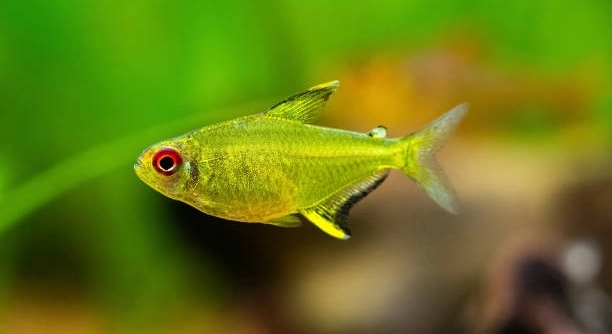
Do your lemon tetras swim close to the glass, pausing as they seem to look back at themselves? Many aquarists notice this behavior and wonder if these small, lively fish can recognize their own reflection in the tank.
Lemon tetras do not possess true self-recognition abilities. They may react to their reflection as if encountering another fish, displaying curiosity or territorial behavior. This response is instinctual and does not indicate awareness of self.
Observing these tiny fish can reveal more than just playful behavior. Their reflections provide insight into their natural instincts and how they interact with their surroundings.
Why Lemon Tetras React to Reflections
When lemon tetras see their reflection, they often act as though it is another fish in their tank. They may dart around, flare fins, or swim closely to the glass. This behavior is instinctual, rooted in their natural territorial responses. In the wild, these small fish need to protect themselves and claim space in their environment. A reflection in a tank can trigger these same reactions, even though no other fish is actually present. Observing them can be fascinating because each fish may react differently. Some appear aggressive, while others are more curious or cautious. Over time, they may seem to recognize that their reflection is harmless, but this is not true self-recognition. Their behavior is shaped by visual cues, movement, and instinct. Tank conditions, such as lighting and the presence of plants or hiding spots, can influence how frequently they interact with their reflections.
Reflections can provide stimulation for lemon tetras, helping them stay active. It can also reduce boredom in smaller tanks.
Lemon tetras respond to reflections primarily due to social instincts. They rely heavily on sight to navigate and communicate with other fish. In their natural habitats, these signals help them detect rivals or potential mates. Tank owners often notice that certain times of day provoke more reflection interaction, particularly when light hits the water at certain angles. While it may look like the fish is interacting with itself, it is actually interpreting the reflection as another member of its species. This behavior can help them maintain alertness, exercise, and practice social responses. However, excessive interaction with reflections can sometimes cause stress or fatigue. Providing a well-structured tank with plants, hiding spots, and other visual barriers can moderate this behavior, keeping the fish healthy and active. Understanding these instincts allows aquarists to better meet the needs of their tetras, ensuring a balanced and enriched environment.
How to Safely Observe Their Behavior
Observing lemon tetras’ reflections can be informative and enjoyable for tank owners. Limiting bright lights reduces stress and encourages natural behavior.
To properly watch your tetras, consider the placement of your tank. Avoid positioning it directly opposite mirrors or reflective surfaces that could create prolonged exposure to reflections. Monitor their reactions for signs of stress, such as rapid gill movement, hiding, or aggressive chasing. Incorporating plants, rocks, and decorations can break up reflections while providing enrichment. Rotating objects or occasionally changing tank layout can also stimulate activity without overwhelming them. Feeding schedules, water temperature, and tank maintenance all influence how active and responsive they are. By maintaining a stable environment, owners can enjoy observing natural behaviors without compromising the fish’s wellbeing. Lemon tetras may never truly recognize themselves, but watching how they interpret their reflections provides insight into their instincts, alertness, and social tendencies, making careful observation both rewarding and educational.
Signs of Stress from Reflections
Lemon tetras may become stressed if they constantly see their reflection. Signs include frantic swimming, hiding, or fin clamping. Persistent stress can affect their appetite and overall health, making it important to monitor and adjust tank conditions when reflections provoke these behaviors.
Stress from reflections can accumulate over time. If the tank is positioned near windows or bright lights, reflections become more frequent and intense. Fish may interpret this as a rival invading their territory, leading to repeated displays of aggression or anxiety. Providing plants, driftwood, or background images can reduce the intensity of reflections and offer visual breaks. Some tetras adapt, but others remain highly reactive, which can affect growth, energy levels, and long-term health. Observing patterns of behavior can help owners identify which fish need extra consideration to maintain a stable environment.
Monitoring stress involves careful observation of both physical and behavioral cues. Look for changes in swimming patterns, appetite, or interactions with other fish. Introducing enrichment or rearranging the tank can mitigate the effects. A consistent routine for feeding, light exposure, and water maintenance reduces stress. Over time, understanding each fish’s temperament allows you to balance stimulation and calm, keeping lemon tetras healthy while minimizing reflection-induced anxiety.
Ways to Minimize Reflection Stress
Using plants, backgrounds, and proper lighting can reduce reflection exposure for lemon tetras. Limiting reflective surfaces helps them remain calmer and healthier.
To minimize stress, consider tank placement away from direct sunlight and reflective walls. Using dark or patterned backgrounds can absorb light and prevent strong reflections. Floating plants or strategically placed decorations break up visual stimuli, giving fish spaces to retreat. Adjusting lighting intensity and duration ensures that reflections are less likely to dominate their environment. Monitoring fish behavior during these changes helps determine what works best. By implementing these strategies, lemon tetras experience fewer stress triggers, remain active, and display more natural behaviors consistently.
Reflection and Social Behavior
Lemon tetras often interpret reflections as other fish. This can lead to chasing, fin flaring, or other social displays. Their reactions are instinctive, reflecting natural territorial and social behaviors.
Repeated exposure to reflections may encourage interaction practice but can also cause mild stress. Balancing stimulation is key to healthy social behavior in the tank.
Observing Interaction Patterns
Tracking how lemon tetras respond to reflections over time reveals differences in personality and social hierarchy. Some are bold and confrontational, while others remain cautious or avoidant. Recognizing these patterns helps maintain harmony in community tanks.
Environmental Adjustments
Adding plants, rocks, or background patterns reduces reflection exposure and gives fish areas to retreat and feel secure.
Do lemon tetras recognize themselves in the mirror?
Lemon tetras do not have self-recognition abilities. They may interact with a mirror as if another fish is present, showing curiosity, aggression, or playful behavior. These reactions are instinctive and based on visual cues rather than awareness of self. Observing these behaviors helps understand their social instincts in a controlled environment.
Why do my lemon tetras chase their reflection?
Chasing reflections is usually a territorial or social response. In the wild, lemon tetras need to establish space and interact with other fish. When they see their reflection, they perceive it as a rival or companion. This can lead to repeated chasing or flaring of fins.
Can repeated exposure to reflections harm my fish?
Prolonged exposure to reflections may cause stress in some lemon tetras. Stress indicators include hiding, fin clamping, reduced appetite, or erratic swimming. While occasional interaction is harmless, continuous exposure can impact health. Using plants, decorations, and proper lighting helps reduce excessive reflection exposure and promotes calmer behavior.
How can I tell if my lemon tetras are stressed?
Signs of stress include unusual swimming patterns, hiding frequently, clamped fins, and reduced feeding. Some tetras may become more aggressive toward other fish. Monitoring daily behavior and adjusting tank conditions accordingly ensures they remain healthy and active. Environmental enrichment and stable routines reduce stress effectively.
Does tank size affect reflection behavior?
Smaller tanks can amplify reflection responses because fish encounter mirrored surfaces more frequently. Larger tanks provide space to explore and reduce constant interaction with reflections. Adding hiding spots, plants, and decorations breaks up visual stimuli and helps tetras feel secure.
Are all lemon tetras equally reactive to reflections?
Individual temperaments vary. Some tetras are bold and interact with their reflection often, while others are shy and avoid it. Observing each fish’s behavior allows owners to provide tailored environments that minimize stress and support natural instincts. Social dynamics within groups also influence how fish respond to reflections.
Can reflections provide enrichment for lemon tetras?
Controlled exposure to reflections can stimulate activity and encourage social behaviors, offering mild enrichment. Watching how they respond may help keep them active, especially in smaller tanks. However, enrichment should be balanced with adequate hiding spaces and decorations to prevent stress.
How should I adjust lighting to reduce reflection stress?
Bright, direct lighting increases reflection visibility, often causing repeated interaction. Using softer lighting or positioning the tank away from windows and reflective surfaces reduces constant visual triggers. Adjusting light duration and intensity supports calm behavior while maintaining a natural day-night cycle.
Is it necessary to cover the tank at night?
Covering the tank or dimming lights at night helps reduce exposure to reflections. This allows lemon tetras to rest naturally and lowers stress levels. Consistent lighting schedules improve overall health and mimic their natural environment.
Do decorations influence reflection behavior?
Yes, adding plants, rocks, or background images breaks up reflective surfaces. These decorations provide visual barriers and hiding spots, reducing repeated interaction with reflections. A well-decorated tank supports natural behavior, promotes calmness, and encourages healthy exploration.
Can group size impact how they react to mirrors?
Group size influences reflection responses. In larger groups, tetras may focus more on each other than their reflection, while smaller groups or solitary fish interact more with mirrored surfaces. Maintaining adequate group numbers can reduce reflection fixation.
Is it safe to use mirrors for short-term observation?
Short-term mirror exposure can be safe if closely monitored. It may reveal natural behaviors and social responses. However, prolonged use without breaks can induce stress, so it’s best to limit sessions and provide enrichment or visual barriers afterward.
How do I know if my adjustments are working?
Improvement is seen through calmer behavior, normal swimming, and regular feeding. Reduced chasing of reflections and balanced social interactions indicate a successful environment. Observation over time is key to ensuring the tank remains comfortable and stress-free.
Can stress from reflections affect growth or health?
Chronic stress can impact growth, immunity, and overall health. Lemon tetras exposed to constant reflections may show slower growth, lower appetite, and increased vulnerability to disease. Proper tank management, environmental enrichment, and reduced reflection exposure help maintain healthy development.
Are there other ways to enrich their environment besides mirrors?
Yes, live or artificial plants, varied substrates, decorations, and hiding spots all provide enrichment. Floating plants or gentle water currents encourage natural swimming patterns and exploration. These options stimulate activity without the risk of stress caused by repeated reflection exposure.
Can lemon tetras eventually ignore their reflection?
Some may become accustomed to reflections over time, showing less aggressive or anxious behavior. However, this does not indicate self-recognition. Habituation reduces stress but should be supported by proper tank conditions, enrichment, and sufficient space to ensure ongoing wellbeing.
Do reflections affect all species of tetras similarly?
Responses vary between species. Lemon tetras react based on social and territorial instincts, but other tetras may be more or less sensitive. Knowing the specific species’ behavior patterns helps owners manage reflections and interactions effectively.
What is the best long-term strategy for minimizing reflection stress?
Provide a balanced tank environment with plants, decorations, and hiding spaces. Control lighting, position the tank away from reflective surfaces, and maintain consistent routines. Monitoring behavior ensures that stress is minimized and fish remain active, healthy, and engaged without overexposure to reflections.
Can reflections be used as a training tool?
Short, controlled exposure may encourage activity and natural behaviors but should never replace proper enrichment. Observing interactions can provide insights into social hierarchy, alertness, and individual temperament. Always balance with hiding spots and enrichment to avoid stress.
How do seasonal changes in light affect reflection behavior?
Longer daylight or brighter sunlight can increase reflection interactions. Seasonal variations may lead to more frequent chasing or flaring. Adjusting artificial lighting and using blinds or shades helps maintain stable exposure and reduce stress throughout the year.
Are there signs that my tank setup is worsening reflection stress?
Persistent frantic swimming, fin clamping, hiding, reduced feeding, or increased aggression indicates that reflection exposure is affecting health. Immediate adjustments to lighting, decorations, and tank positioning are necessary to restore a calm, balanced environment for the tetras.
Can multiple tanks in the same room influence reflection behavior?
Yes, reflections from nearby tanks can trigger similar responses if glass surfaces are aligned. Positioning tanks carefully and using backgrounds or curtains reduces cross-reflection and minimizes additional stress triggers.
How frequently should I check for reflection-induced stress?
Daily observation is ideal, especially after changes in lighting, tank layout, or group size. Monitoring ensures early detection of stress signs, allowing timely interventions to keep lemon tetras healthy and active.
Does water clarity affect how tetras see reflections?
Yes, clear water enhances reflection visibility, potentially increasing interaction. Maintaining proper filtration and regular water changes keeps water clean while reducing intense reflection exposure that could provoke repeated reactions.
Are there differences in reflection behavior between males and females?
Males may display more aggressive responses due to territorial instincts, while females may be more cautious. Observing gender-specific behaviors helps in planning tank layouts, group composition, and enrichment to reduce stress across the entire school.
How important is hiding space in managing reflection stress?
Hiding spaces are crucial. They provide refuge from perceived rivals, reduce repeated interaction with reflections, and support natural behaviors. Adequate cover improves overall wellbeing, keeps activity levels balanced, and minimizes stress-related health issues.
Can stress from reflections be reversed?
Yes, adjusting tank conditions, adding enrichment, and managing light exposure often reduces stress. Fish that were previously anxious can return to normal behavior over time, demonstrating resilience when their environment is carefully managed.
Is reflection behavior consistent as tetras age?
Young tetras may be more reactive and curious, while older fish may habituate slightly. However, responses vary individually, so continuous observation and environmental adjustments remain important throughout their lifespan.
Do reflections influence feeding behavior?
Excessive reflection exposure may distract or stress tetras, leading to reduced appetite. Providing calm, well-structured feeding times and minimizing visual disturbances ensures consistent nutrition and healthy growth.
Can I use decorations to simulate social interaction instead of reflections?
Yes, using plants, rocks, or safe ornaments can create visual complexity and mild stimulation without inducing stress. This encourages natural swimming and social behaviors while avoiding the negative impacts of constant mirrored interaction.
How long can short-term mirror exposure be safely allowed?
A few minutes per session is generally safe. Continuous or extended exposure may stress the fish. Always monitor reactions and provide breaks with enrichment or hiding spaces to maintain calm and healthy activity.
Are there natural triggers that mimic reflection stress?
Yes, sudden movement outside the tank, bright light changes, or shadows can provoke similar territorial responses. Being mindful of these triggers helps maintain a stable and low-stress environment for lemon tetras.
Do reflections influence breeding behavior?
Interactions with reflections may temporarily increase display behaviors, but they do not directly trigger successful breeding. Providing proper tank mates, water conditions, and privacy is essential for encouraging natural spawning and mating behaviors.
Can reflection stress cause long-term behavioral changes?
Prolonged stress may lead to chronic anxiety, aggression, or reduced activity. Consistently managing exposure, providing enrichment, and monitoring health helps prevent long-term behavioral issues and supports overall wellbeing in lemon tetras.
How do I combine multiple strategies to reduce reflection stress?
Use backgrounds, plants, hiding spots, controlled lighting, and group management together. Monitor behavior regularly and adjust based on fish responses. Combining strategies ensures a balanced environment that minimizes stress and encourages natural, healthy activity.
Are reflections more stressful for certain tank layouts?
Yes, minimal decoration, small tanks, or highly reflective surfaces increase stress risk. Adding plants, backgrounds, and visual barriers helps break up reflections, providing calmer spaces for tetras to explore and interact naturally.
Can reflection exposure ever be completely eliminated?
It may be difficult to remove all reflections, but careful tank positioning, backgrounds, decorations, and lighting control can minimize exposure. Reducing intense and constant reflections is sufficient to maintain fish health and wellbeing.
How can I track improvement after making adjustments?
Observe swimming patterns, fin positioning, feeding, and social behavior. Reduced chasing, calmer responses, and balanced activity indicate successful management of reflection-induced stress. Keeping notes over time helps evaluate which adjustments are most effective.
Are there alternative ways to stimulate activity without reflections?
Yes, providing varied plants, decorations, gentle currents, and occasional enrichment items encourages natural movement and social behaviors safely. These methods maintain engagement and exercise without triggering stress from mirrored surfaces.
How often should decorations or layouts be changed to reduce reflection stress?
Periodic minor changes can refresh the environment and reduce fixation on reflections. Avoid drastic frequent changes, which can cause additional stress. Gradual adjustments maintain interest while keeping fish calm and active.
Do reflections affect juvenile lemon tetras differently than adults?
Juveniles tend to be more curious and reactive, potentially chasing reflections more frequently. Adults may habituate slightly but still respond instinctively. Careful observation and gradual environmental adjustments help both age groups remain healthy and active.
Can reflection interactions indicate personality traits?
Yes, bold fish may confront reflections aggressively, while timid fish may avoid them. Recognizing these traits helps plan tank layout, enrichment, and social groupings to support all individuals’ wellbeing.
Are there specific tank decorations that work best to reduce reflections?
Tall plants, rocks, driftwood, and dark or patterned backgrounds are effective. They break up reflective surfaces, create hiding spots, and provide enrichment, ensuring lemon tetras remain active without unnecessary stress.
How quickly do tetras react to new reflections?
Reactions are often immediate, triggered by movement and visual cues. Fish may approach, chase, or display fins within seconds. Observing initial responses helps determine individual tolerance and need for environmental adjustments.
Is it safe to use mirrored surfaces for brief observation in scientific studies?
Yes, short, controlled exposures are generally safe for research. Limiting duration, monitoring stress, and providing recovery periods ensures fish wellbeing while allowing observation of social and territorial behaviors.
Do reflections influence schooling behavior?
Reflections may disrupt normal schooling temporarily, as fish focus on the mirrored image. Ensuring adequate space, group size, and hiding spots helps maintain proper schooling patterns while reducing stress.
Can reflection exposure affect lifespan?
Chronic stress from repeated reflection interactions can negatively impact health, potentially reducing lifespan. Managing tank conditions, enrichment, and lighting mitigates this risk and supports longevity in lemon tetras.
Are some tank materials better for minimizing reflections?
Frosted glass, non-reflective backgrounds, and matte surfaces reduce mirrored images. These materials prevent repeated visual triggers and promote a calmer, healthier environment for the fish.
Can behavioral differences caused by reflections be reversed?
Yes, with proper environmental adjustments, enrichment, and reduced exposure, fish can return to natural behavior patterns. Careful observation ensures long-term recovery and ongoing wellbeing.
How do I balance stimulation and stress reduction?
Provide visual complexity and mild enrichment without creating constant mirrored exposure. Monitor behavior and adjust lighting, decoration, and layout to maintain engagement while minimizing stress.
Lemon tetras are small, lively fish that react strongly to visual stimuli, including reflections. Their behavior around mirrors is driven by instinct rather than awareness of self. When they see a reflection, they may dart, flare fins, or swim closely to the glass, interpreting it as another fish. This reaction is natural and reflects their territorial and social instincts, which help them survive and interact in their environment. While it can be fascinating to watch, it is important to remember that these behaviors are not signs of self-recognition. They are responding to movement, shape, and the perception of another fish in their space. For tank owners, understanding this distinction helps set realistic expectations for observing these small, colorful fish.
Stress from reflections is a key factor to consider in caring for lemon tetras. Constant exposure to mirrored surfaces can trigger anxiety or repetitive behaviors, which may affect feeding, activity levels, and overall health. Fish may hide more often, swim erratically, or display clamped fins when stressed. Tank setup plays a major role in reducing these responses. Providing plants, rocks, and decorations offers visual barriers that help break up reflections and give fish safe spaces to retreat. Adjusting lighting, both in intensity and placement, also reduces reflection triggers. Monitoring behavior regularly is crucial to ensuring a balanced environment where lemon tetras can display natural behaviors without undue stress. Observing changes over time allows owners to identify which environmental factors are most effective for maintaining calm and healthy fish.
Creating a well-balanced tank environment goes beyond minimizing reflections. Group size, social dynamics, and enrichment all contribute to healthy behavior and overall wellbeing. Lemon tetras are naturally social, and providing a school of sufficient size helps distribute attention and reduces excessive focus on reflections. Enrichment, such as plants, safe decorations, and gentle currents, encourages exploration and activity, offering stimulation without stress. Maintaining consistent feeding schedules, water quality, and lighting routines further supports their health. By carefully managing these factors, tank owners can create a stable, engaging environment where lemon tetras thrive. Observing their interactions, reactions, and personalities provides valuable insight into their natural instincts, helping maintain a healthy, enriched tank over time. With attention and careful management, these small fish can live active, stress-free lives while providing ongoing enjoyment to those who care for them.

Hello,
If you enjoy the content that we create, please consider saying a "Thank You!" by leaving a tip.
Every little bit helps us continue crafting quality advice that supports the health, happiness, and well-being of pets around the world, for pets of all shapes, sizes, and species.
We really appreciate the kindness and support that you show us!