
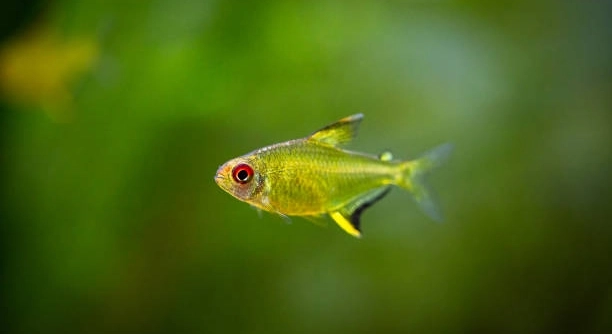
Lemon tetras are small, colorful fish that often brighten up a home aquarium. They are known for their lively schooling behavior, which makes them a joy to watch. A sudden change in their schooling can feel worrying.
If your lemon tetra stops schooling, the most common reasons include stress, illness, or changes in water conditions. Ensuring stable water parameters, providing hiding spots, and monitoring for signs of disease are key steps to help restore natural schooling behavior.
Observing these small fish carefully can reveal subtle hints about their health and environment. Adjustments in care can make a noticeable difference in their behavior and well-being.
Common Reasons Lemon Tetras Stop Schooling
Lemon tetras are sensitive to their environment, and changes can affect their behavior. Poor water quality is often a major factor. Sudden fluctuations in temperature, pH, or ammonia levels can stress them, causing them to break from the school. Overcrowding in the tank can also create tension and trigger unusual behavior. Even adding new fish without proper acclimation can make them feel threatened. Another reason could be illness. Parasites, bacterial infections, or swim bladder issues may reduce their energy or cause discomfort, leading them to isolate themselves. Stress from strong lighting or lack of hiding spaces can also make them feel unsafe. Observing their behavior closely can help identify patterns. Tracking water parameters, tank mates, and daily activity can reveal small changes that affect schooling. Adjusting these factors often restores normal behavior within a few days, ensuring they feel secure again.
Monitoring water quality and tank conditions regularly keeps tetras healthy and encourages natural schooling.
Regular observation and small adjustments prevent long-term problems and help maintain a stable, calm environment for all tank inhabitants, supporting their overall well-being.
How to Restore Schooling Behavior
Creating a safe environment is the first step. Lemon tetras feel comfortable with plants and hiding spots.
Improving water conditions and reducing stressors are critical. Begin by testing water parameters like temperature, pH, and ammonia levels. Aim for a stable range suitable for lemon tetras. Partial water changes can remove harmful chemicals and refresh the tank. Avoid sudden changes, as tetras react poorly to abrupt shifts. Introducing hiding places, like dense plants or decorations, gives them security and encourages group behavior. Ensure tank mates are peaceful, as aggressive fish can disrupt schooling. Observing their behavior daily helps catch issues early, allowing quick corrections. Proper feeding routines and high-quality food support their energy levels and overall health. Over time, these adjustments help lemon tetras feel safe and return to normal schooling, enhancing the visual appeal and balance of the tank. Consistency in care is key, as tetras respond well to stable, calm conditions that mirror their natural habitat.
Observing Behavior Closely
Paying attention to your lemon tetras can reveal why they stop schooling. Watch for changes in movement, appetite, or interactions with other fish. Subtle signs often indicate stress or illness before it becomes serious.
Small changes in behavior can be linked to water quality, diet, or tank conditions. If a tetra isolates itself, swims erratically, or rests near the bottom, it may be stressed or unwell. Observing feeding patterns is also helpful. A fish that suddenly refuses food or eats less may need medical attention. Keeping a daily log of behavior and tank parameters can make patterns clearer, allowing you to pinpoint possible causes of disruption in schooling. Early detection helps address problems before they worsen.
Interactions with other fish provide clues about the tank environment. Aggressive tank mates or overcrowding can disrupt schooling, while peaceful companions encourage it. Minor adjustments like rearranging decorations or adding plants can make fish feel more secure. Consistent feeding schedules and stable lighting further reduce stress. Over time, these small observations and adjustments can restore group behavior and improve overall health, helping tetras feel safe and return to schooling naturally.
Feeding and Diet Considerations
Proper nutrition affects lemon tetra behavior and energy levels. High-quality food supports natural activity and schooling patterns.
A balanced diet including flake food, micro pellets, and occasional live or frozen foods ensures energy and overall health. Overfeeding can pollute water and stress fish, while underfeeding can reduce activity. Feeding small amounts multiple times a day works best. Watching how fish eat provides insight into their well-being. Adjusting diet based on observation can prevent lethargy or aggressive behavior.
Variety in diet improves vitality and coloration, encouraging active schooling. Some tetras prefer live foods like brine shrimp or daphnia, which stimulate natural hunting instincts and group interaction. Rotating foods maintains interest and prevents boredom. Avoid over-reliance on a single type of food, as this can lead to nutrient deficiencies. Monitoring how quickly food is consumed and whether all fish eat helps identify weaker or stressed individuals. Combined with clean water and a calm environment, proper nutrition strengthens fish health and restores natural group behavior.
Tank Environment Adjustments
Adjusting the tank layout can help lemon tetras feel secure and return to schooling. Adding plants or hiding spots reduces stress and encourages group movement.
Ensure there is enough open space for swimming. Rearranging decorations occasionally can stimulate exploration and reduce boredom, which supports natural behavior.
Water Quality Maintenance
Maintaining stable water conditions is critical. Test for ammonia, nitrites, and nitrates regularly. Temperature and pH should remain consistent, as sudden changes can stress fish. Using a reliable filter and performing partial water changes helps keep the tank clean and safe, supporting healthy schooling behavior.
Introducing New Tank Mates
New tank mates should be compatible with lemon tetras. Peaceful fish reduce stress and promote natural group behavior. Avoid aggressive or overly large species that can intimidate tetras. Properly acclimating new fish ensures stability and encourages harmonious interactions within the tank.
Monitoring Health
Regularly check your tetras for signs of illness or injury. Early detection prevents problems from escalating and helps maintain normal schooling behavior.
Why has my lemon tetra stopped schooling suddenly?
A sudden change in schooling usually points to stress or environmental changes. Water temperature fluctuations, improper pH levels, or increased ammonia can unsettle them. Overcrowding or aggressive tank mates also disrupt group behavior. Illness or parasites may reduce energy, causing them to isolate. Observing daily activity and water parameters can help identify the exact reason.
Can diet affect schooling behavior?
Yes, nutrition plays a role in energy levels and overall activity. A lack of proper nutrients or inconsistent feeding may cause lethargy. Feeding small portions multiple times a day, including flake food, pellets, and occasional live or frozen food, encourages activity and helps maintain healthy schooling behavior.
How can I improve water quality to help them school?
Regular partial water changes and monitoring ammonia, nitrite, nitrate, pH, and temperature are essential. A good filtration system maintains clean water. Avoid sudden water changes or drastic adjustments, as tetras are sensitive. Stabilizing the environment gives them confidence to return to normal schooling.
Do lemon tetras need hiding spots to feel safe?
Yes, plants, decorations, and caves give tetras areas to retreat when stressed. Feeling secure reduces isolation and encourages schooling. Open swimming spaces combined with hiding spots balance their need for safety and natural group behavior.
Is tank size important for schooling?
Definitely. Lemon tetras need space to swim together comfortably. A small or overcrowded tank can create stress, disrupt schooling, and lead to aggressive interactions. Ensuring enough swimming room and proper group numbers supports their natural behavior.
Can adding new fish affect schooling?
Introducing new fish can temporarily disrupt the school. Lemon tetras need time to adjust to newcomers. Acclimating new tank mates slowly and choosing compatible, peaceful species minimizes stress and helps the school re-establish normal patterns.
How do I know if my tetra is sick?
Signs include lethargy, loss of appetite, faded colors, clamped fins, or unusual swimming. Isolation from the group is a key indicator. Early detection and treatment prevent further problems and help the fish regain normal schooling behavior.
Does lighting affect schooling behavior?
Yes, overly bright or inconsistent lighting can stress tetras, causing them to hide or break from the group. Moderate lighting with a consistent day-night cycle encourages natural behavior and promotes calm, active schooling.
How can I encourage a shy tetra to join the school?
Providing a secure environment, proper nutrition, and calm tank conditions helps timid fish integrate. Placing plants strategically and ensuring no aggressive fish are present makes it easier for them to feel safe and rejoin the group naturally.
What routine maintenance helps maintain schooling behavior?
Consistent feeding schedules, water testing, partial water changes, and observing behavior are essential. Adjusting decorations, monitoring tank mates, and maintaining stable conditions prevent stress and support healthy schooling behavior over the long term.
This FAQ section covers the most common issues related to lemon tetras breaking from their school and practical ways to restore natural behavior. Regular observation, stable conditions, proper diet, and careful attention to tank mates are key to maintaining a harmonious, active school.
Lemon tetras are small but lively fish that bring energy and color to any tank. Watching them move together in a school is one of the most enjoyable aspects of keeping them. When they stop schooling, it can be worrying because it often signals stress or changes in their environment. Understanding why they behave this way is important for their health and comfort. Common factors that affect schooling include water quality, tank setup, and diet. Even small changes in temperature, pH, or ammonia levels can make them feel unsafe and isolate themselves from the group. Overcrowding or aggressive tank mates can also disrupt their behavior. Observing their movements, feeding habits, and interactions can help identify what might be causing them to break from the school.
Maintaining a stable environment is essential for lemon tetras to feel comfortable. Regular water testing and partial water changes keep the tank clean and safe. Proper filtration helps remove harmful chemicals, and keeping the temperature and pH stable reduces stress. Providing plants, decorations, or hiding spots gives them a sense of security. A well-arranged tank with open swimming areas allows them to move freely and encourages group behavior. Monitoring their behavior daily can reveal small problems before they become serious. Diet also plays a key role. Feeding a balanced diet of flakes, pellets, and occasional live or frozen foods supports energy levels and keeps them active. Avoid overfeeding, which can pollute the water, or underfeeding, which can make them lethargic. Proper nutrition combined with a stable tank environment encourages normal schooling behavior over time.
Watching lemon tetras return to their natural schooling behavior is rewarding and shows that adjustments are working. Small, consistent actions like monitoring water, observing behavior, and providing a safe environment make a noticeable difference. Introducing new tank mates carefully and keeping stress levels low supports a peaceful tank. Each fish responds to changes differently, so patience is important. Over time, healthy tetras will regain confidence and rejoin the school. By maintaining stable conditions, a balanced diet, and a calm environment, their behavior becomes predictable and natural again. The key is paying attention, making adjustments as needed, and giving them a safe, comfortable space. Proper care ensures that lemon tetras not only look vibrant but also stay active, healthy, and social within their group, making the tank enjoyable for both the fish and the observer.

Hello,
If you enjoy the content that we create, please consider saying a "Thank You!" by leaving a tip.
Every little bit helps us continue crafting quality advice that supports the health, happiness, and well-being of pets around the world, for pets of all shapes, sizes, and species.
We really appreciate the kindness and support that you show us!