
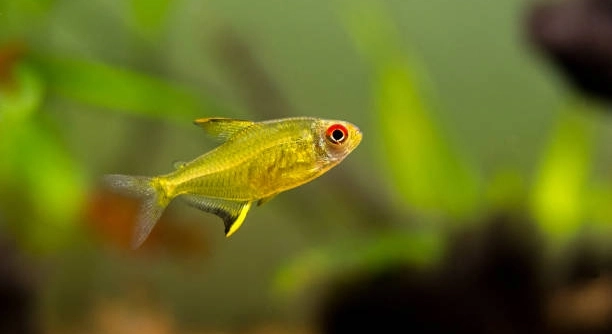
Are your lemon tetras constantly facing the filter, swimming against the current without pause? Observing this behavior can be puzzling for any aquarist, especially when their activity seems repetitive and focused on a single spot in the tank.
Lemon tetras often face the filter due to natural schooling instincts and the desire for consistent water flow. This behavior helps them feel secure, maintain oxygen intake, and engage in natural swimming patterns that mimic their wild habitat conditions.
Understanding this simple behavior can help you create a healthier environment for your tetras and reduce stress in your aquarium. It also provides insight into their natural preferences and needs.
Understanding Lemon Tetra Behavior
Lemon tetras are naturally active and social fish. Their habit of facing the filter is linked to how they interact with their environment. The flowing water from the filter provides a gentle current that encourages swimming and helps them exercise. In the wild, they swim in slow-moving streams, so the filter mimics a natural flow. Additionally, tetras are schooling fish, meaning they feel safer when aligned with a direction or group. Facing the filter may give them a sense of orientation and security. It also helps with oxygen circulation, as areas near the filter often have higher oxygen levels. Observing their behavior over time can show patterns, such as staying near the filter during rest periods or when exploring. Adjusting tank conditions, like flow rate or placement of decorations, can influence their comfort and overall activity without disrupting their natural instincts.
This behavior is common and usually indicates healthy, active fish that are responding to their environment.
By recognizing why lemon tetras favor certain spots, you can improve tank design, flow, and enrichment. Creating hiding areas and ensuring stable water conditions reduces stress while maintaining their natural swimming habits. You may notice changes when tank features are altered or when they feel secure, showing a direct connection between environment and behavior. Consistent water quality and balanced feeding also support their health. Observing subtle cues, like fin position and swimming patterns, allows you to gauge comfort levels. Their interaction with the filter is just one sign of how they adapt to their surroundings, offering insight into proper care and management. Adjusting flow, adding plants, or rearranging decorations can enhance both activity and visual enjoyment. Overall, small changes in the tank environment can have meaningful effects on how lemon tetras behave and thrive.
Common Environmental Factors
Flow rate and tank setup influence tetra behavior significantly. Filters create currents, and tetras often align with them instinctively to conserve energy.
Tank temperature, water quality, and oxygen levels also affect their positioning. Improper conditions may make tetras linger near filtered areas for comfort and security. Observing their reactions helps determine if adjustments are necessary. Ensuring consistent maintenance and stable parameters promotes normal behavior and reduces stress. A well-placed filter combined with plants and open swimming areas allows tetras to move freely while feeling safe. Understanding these environmental factors is key to supporting healthy, active fish.
Adjusting Filter Placement
Positioning the filter properly can change how lemon tetras interact with the tank. Placing it in a corner or near plants can reduce stress while still maintaining adequate water flow and oxygenation for the fish.
Filters create currents that tetras naturally swim against. By adjusting the flow strength, you can make swimming easier and more natural. If the current is too strong, they may struggle, causing fatigue or hiding behavior. Adding driftwood or tall plants near the filter helps break up the flow, giving tetras safe areas to rest while still benefiting from moving water. Observation is key; small changes in placement often produce noticeable differences in how fish behave.
Experimenting with angles and distance can enhance tank harmony. Some tetras prefer gentle flows, while others actively enjoy stronger currents. Testing different configurations while monitoring activity ensures they remain comfortable. Combining filter adjustment with stable water parameters keeps the tank healthy and minimizes stress. Over time, tetras will naturally choose preferred spots that balance comfort with water movement, reflecting their instincts in a controlled environment.
Monitoring Water Quality
Maintaining consistent water quality is essential for lemon tetra health. Regular testing and timely changes prevent stress-related behaviors like constant filter-facing.
Lemon tetras are sensitive to shifts in pH, ammonia, nitrite, and nitrate levels. Even small fluctuations can make them seek areas with better oxygen or cleaner water, such as near the filter. Consistent partial water changes, along with monitoring temperature and chemical levels, help stabilize the tank environment. High-quality filtration combined with proper maintenance keeps water parameters within safe ranges, promoting natural swimming patterns and reducing repetitive or anxious behaviors. Monitoring equipment performance is also crucial to ensure the filter operates efficiently and effectively.
Regular observation and maintenance foster a stable and comfortable habitat. Checking chemical levels, cleaning filter media as needed, and adjusting feeding routines all contribute to balanced water quality. Lemon tetras thrive in predictable environments with minimal stressors. This careful attention supports their overall health, improves coloration, and encourages normal schooling behavior. Addressing water quality proactively reduces common problems, including lethargy or overreliance on the filter area, ensuring fish remain active, vibrant, and responsive to environmental enrichment.
Tank Decorations and Hiding Spots
Adding plants and decorations can give lemon tetras safe spaces while still allowing open swimming areas. Dense areas near the filter offer shelter and reduce stress without blocking necessary water flow.
Tetras often face the filter when they feel exposed. Incorporating driftwood, rocks, or tall plants near the filter creates cover while letting them maintain natural swimming patterns.
Temperature and Comfort
Stable water temperature supports natural behavior. Lemon tetras are comfortable in a range of 72–78°F, and fluctuations may drive them toward areas with more flow or oxygen, often near the filter. Maintaining consistent warmth encourages normal activity and reduces repetitive positioning.
Feeding Influence
How and when you feed tetras affects their swimming behavior. Fish tend to gather near areas where food enters, sometimes near the filter if it disperses currents.
FAQ
Why are my lemon tetras always facing the filter?
Lemon tetras face the filter mainly because of natural schooling behavior and the preference for moving water. Filters create currents that mimic slow streams, providing exercise and oxygen. Facing the filter also helps them feel secure, as they instinctively align with water flow and maintain orientation in the tank.
Is it harmful if my tetras spend most of their time near the filter?
No, this behavior is generally harmless. It often indicates the fish are comfortable and using the flow for exercise or oxygenation. Problems arise only if water parameters are unstable, the current is too strong, or hiding areas are absent. Monitoring their activity ensures they remain healthy and stress-free.
Can adjusting the filter flow reduce this behavior?
Yes, modifying the flow can influence their positioning. Lowering flow strength or redirecting the output allows tetras to swim comfortably in different areas. Combining this with plants, driftwood, or other decorations near the filter provides shelter while keeping water movement adequate.
Do tank size and layout affect their behavior?
Absolutely. Smaller tanks with limited hiding spots may make tetras linger near the filter. A well-structured tank with open swimming space and areas to hide helps distribute activity evenly and prevents repetitive positioning solely near the filter.
Could water quality be causing them to face the filter?
Yes, poor water conditions can drive fish to areas with higher oxygen or cleaner water. Monitoring ammonia, nitrite, nitrate, and pH levels, along with regular water changes, ensures tetras are not seeking relief near the filter due to stress or poor conditions.
Does schooling behavior influence filter-facing?
Lemon tetras naturally swim in coordinated groups. Aligning with the flow near the filter helps them maintain a school structure and feel safe. Observing their swimming patterns can show how the group interacts with currents and chooses preferred areas in the tank.
Will adding plants or decorations help?
Yes, adding decorations near the filter creates cover while maintaining access to water flow. Driftwood, tall plants, and rocks break up strong currents, giving tetras rest areas and reducing repetitive positioning while still encouraging natural swimming behaviors.
Does temperature affect their tendency to face the filter?
Stable temperatures between 72–78°F support comfort and normal activity. Fluctuations may drive tetras toward the filter, where currents and oxygen levels are higher. Consistent heating and monitoring help maintain even swimming patterns and reduce stress-driven behavior.
How does feeding influence this behavior?
Tetras often associate areas near the filter with food, especially if currents carry flakes or pellets there. Observing feeding routines and spreading food evenly can encourage exploration of the entire tank rather than congregating only near the filter.
When should I be concerned about their behavior?
Concern is warranted if tetras appear lethargic, show abnormal swimming patterns, or consistently hide without using other areas. These signs may indicate poor water quality, illness, or stress. Proper maintenance, observation, and environmental adjustments can prevent issues and maintain healthy behavior.
Can filter noise affect them?
Some tetras may react to loud filters or irregular vibrations by staying near calmer edges or behind plants. Ensuring smooth, consistent operation and adding cover can reduce stress caused by noise or turbulence.
Are there signs my tetras are stressed despite facing the filter?
Yes, clamped fins, rapid gill movement, or loss of color indicate stress. Facing the filter alone is usually normal, but combined with these signs, it suggests environmental or health issues that need attention.
Do all tetras behave this way?
Not all tetras face the filter constantly. Individual personality, group dynamics, tank layout, and flow strength influence how much time each fish spends in this behavior. Observing the group over time provides insight into normal patterns versus stress-driven habits.
Can rearranging the tank reduce filter-focused behavior?
Yes, changing tank layout, adding plants, or repositioning the filter can distribute activity more evenly. Tetras will explore new areas if currents are comfortable and shelter is available, reducing the need to congregate near the filter.
Is this behavior seasonal or constant?
This behavior tends to be consistent as it is linked to natural instincts. However, sudden changes in water parameters, temperature, or tank environment may temporarily increase filter-facing behavior until stability is restored.
How can I encourage natural swimming throughout the tank?
Provide gentle currents, balanced water parameters, and strategically placed plants and decorations. Feeding in multiple spots and ensuring open swimming areas help tetras explore the tank while maintaining comfort near the filter.
Does overcrowding influence this behavior?
Yes, too many fish can make tetras stay near the filter where flow and oxygen are better. Maintaining appropriate stocking levels ensures swimming freedom and reduces stress-driven congregating.
Can this behavior indicate illness?
Usually not, but combined with lethargy, loss of appetite, or discoloration, it could suggest health issues. Observing other signs alongside filter-facing behavior helps determine if intervention is needed.
Will tetras eventually stop facing the filter?
They may spend less time near the filter once the tank environment is comfortable, currents are manageable, and hiding spots are available. Some may always prefer the flow due to instinct, which is completely normal.
Does lighting affect this behavior?
Bright or inconsistent lighting can influence movement. Lemon tetras may face the filter to stay in shaded or sheltered areas. Adjusting light intensity and creating shaded spots can encourage balanced swimming throughout the tank.
Are there long-term impacts if they always face the filter?
No significant long-term harm occurs if water quality, oxygen levels, and tank conditions are stable. Continuous exercise in mild currents can actually benefit their health, supporting normal muscle activity and schooling behavior.
How can I tell if they are comfortable?
Comfort is indicated by smooth, coordinated swimming, vibrant coloration, active schooling, and regular feeding. Occasional filter-facing is normal, but overall activity should reflect health and curiosity within the tank.
Can tank mates influence this behavior?
Yes, other fish can affect flow preferences and positioning. Aggressive or dominant species may push tetras toward the filter. Choosing compatible species helps maintain calm schooling behavior and reduces stress-induced positioning near the filter.
Is filter-facing behavior unique to lemon tetras?
No, other small schooling fish also show similar tendencies. Species with comparable instincts often align with currents, seek oxygen-rich areas, or use water flow for exercise, demonstrating this is a natural adaptation rather than unusual behavior.
Should I adjust my filter maintenance based on this behavior?
Routine maintenance should continue as usual. Observing tetras during cleaning ensures minimal stress. Avoid sudden changes in flow or placement that might disrupt their swimming patterns, maintaining consistency supports natural behavior.
How important is observation for understanding this behavior?
Careful observation is crucial. Tracking where tetras spend time, their schooling patterns, and reactions to changes informs proper tank adjustments. Observation helps identify stress, environmental preferences, and ensures overall well-being.
Can enrichment activities help reduce constant filter-facing?
Yes, adding plants, tunnels, floating elements, or varying feeding routines encourages exploration. Enrichment supports natural behavior and reduces repetitive positioning, while still allowing fish to use the filter area comfortably when desired.
Is this behavior more common in certain ages or sizes of tetras?
Younger tetras may explore more, while adults may settle near preferred currents. Size and age affect swimming strength, schooling tendencies, and comfort in different flow areas of the tank.
Does water flow from other equipment affect this behavior?
Yes, heaters, pumps, or air stones creating currents may influence positioning. Tetras adjust swimming based on combined flow from all sources, often preferring stable, oxygen-rich areas near the filter.
Are there signs that indicate they enjoy the current?
Active swimming, smooth coordination with the flow, and interaction with tank mates near the filter suggest enjoyment. Healthy tetras will use currents for exercise without signs of fatigue or stress.
Can changing diet influence this behavior?
Providing balanced food encourages exploration throughout the tank. Fish may reduce time near the filter if they associate feeding with other areas, helping distribute activity evenly.
Does this behavior affect tank aesthetics or enjoyment?
Not negatively. Observing tetras aligned with currents can be visually appealing. Understanding why they behave this way enhances appreciation for their natural instincts and schooling patterns.
What steps ensure healthy filter-facing behavior?
Maintain water quality, stable temperature, proper flow, hiding spots, compatible tank mates, and enrichment. Observation and small adjustments keep tetras active, comfortable, and thriving in their environment.
How long should I monitor them before making changes?
Monitoring for several days to a week provides insight into patterns. Consistent behavior indicates normal adaptation, while sudden changes may signal environmental issues requiring attention.
Does tank lighting schedule matter?
Yes, a consistent light-dark cycle supports natural activity. Irregular lighting can increase stress or push fish toward shaded areas near the filter for comfort.
Can seasonal temperature changes affect behavior?
Gradual seasonal changes within the recommended range are usually fine. Sudden drops or spikes may cause tetras to seek stable, oxygen-rich flow near the filter.
Are there behavioral differences between males and females?
Differences are subtle. Both sexes exhibit filter-facing for flow alignment and schooling behavior, though slight variations in activity or position may appear depending on group dynamics.
Do tetras prefer a specific filter type?
Not strictly. Sponge, hang-on-back, or canister filters all work if flow is gentle and oxygenation is sufficient. Placement and adjustment are more important than type.
Can regular interaction or observation affect behavior?
Yes, calm observation may make tetras feel secure, reducing stress-driven positioning near the filter. Sudden movements or tapping the glass can increase repetitive filter-facing behavior.
Are there any long-term benefits to swimming near a filter?
Swimming in gentle currents supports exercise, enhances muscle tone, and mimics natural behavior. Occasional filter-facing is beneficial when combined with open swimming areas and a balanced environment.
Is there a point where filter-facing becomes abnormal?
It becomes abnormal only if paired with lethargy, clamped fins, loss of appetite, or erratic swimming. Healthy tetras showing consistent activity and vibrant color are exhibiting normal behavior.
How can I balance flow and comfort for my tetras?
Adjust flow strength, redirect filter output, and add plants or decorations to create shelter. Maintain water quality and observe schooling patterns to ensure comfort and natural behavior.
Are there alternative ways to provide oxygen without encouraging constant filter-facing?
Yes, air stones, gentle pumps, and plant photosynthesis can supplement oxygen levels. This reduces reliance on filter currents while keeping tetras healthy and active.
Does tank noise or vibration impact filter-facing?
Loud or irregular vibrations can push tetras to calmer edges or shaded spots near the filter. Consistent, quiet equipment operation helps maintain normal swimming behavior.
Should I be concerned if only some tetras face the filter?
Individual differences are normal. Some fish may prefer stronger currents or shaded spots, while others explore the tank freely. Observation ensures all fish remain healthy and active.
Can overfeeding influence filter-facing behavior?
Yes, leftover food accumulating near the filter may attract fish consistently to that area. Balanced feeding and cleaning uneaten food prevent overreliance on the filter location.
How does water hardness affect their behavior?
Stable hardness supports comfort and normal swimming patterns. Fluctuations may drive tetras toward oxygen-rich currents near the filter as a coping mechanism.
Does frequent water changes impact behavior?
Regular, gradual water changes stabilize parameters and reduce stress, allowing fish to explore the entire tank rather than congregating near the filter for comfort.
Is filter-facing behavior observed in newly introduced fish?
Yes, new tetras often face the filter while acclimating. It provides a consistent current and oxygen-rich area, helping reduce stress during adjustment periods.
Can adding floating plants affect this behavior?
Floating plants provide shade and break up strong currents, encouraging tetras to use other areas while still allowing access to the filter flow when desired.
Are there signs that they are fully comfortable with the filter?
Balanced swimming, coordinated schooling, normal feeding, and vibrant coloration indicate comfort. Occasional filter-facing is natural and reflects instinctive alignment rather than stress.
Does water flow from multiple filters confuse tetras?
Yes, multiple currents may alter positioning. Observing behavior and adjusting flow balance ensures tetras maintain comfort while swimming naturally and engaging with the environment.
Can temperature stratification in the tank affect behavior?
Yes, uneven temperature can push tetras toward warmer or cooler areas near the filter. Ensuring consistent temperature throughout the tank reduces stress-driven positioning.
Do substrate types influence filter-facing?
Smooth, fine substrates allow comfortable resting areas away from the filter. Rough or sharp substrates may encourage tetras to stay in oxygen-rich currents near the filter.
How long does it take for tetras to adjust to a new filter?
Adjustment may take several days. Fish gradually acclimate to flow, orientation, and oxygen levels, with initial filter-facing often decreasing as comfort increases.
Are there visual cues that attract tetras to the filter?
Bright or reflective surfaces, bubbles, or areas of higher water movement near the filter may attract tetras naturally, reinforcing flow alignment and schooling instincts.
Can social hierarchy affect filter-facing?
Dominant individuals may occupy preferred positions near the filter, while less dominant tetras adapt by using alternative areas. Observation helps ensure all fish maintain access to comfortable flow.
Does the shape of the tank influence this behavior?
Yes, long or narrow tanks may concentrate currents and encourage filter-facing. Wider tanks with multiple swimming zones allow more even distribution of activity.
Are there ways to encourage tetras to explore more?
Introduce plants, tunnels, floating objects, and varied feeding spots. Gentle currents throughout the tank promote exploration while maintaining access to filter flow.
Can seasonal changes in daylight impact this behavior?
Consistent light cycles support natural swimming and reduce stress-driven congregating near the filter. Seasonal variation should be gradual and within reasonable limits.
How do I know if changes are effective?
Observe schooling, activity levels, color, and interaction with the environment. Positive changes include balanced swimming, reduced repetitive filter-facing, and overall vitality.
Do all tetras respond the same way to changes?
No, individual personalities influence reactions. Some will immediately explore new areas, while others continue favoring the filter. Patience and observation ensure successful adjustment for the group.
Are there indicators of chronic stress related to filter-facing?
Clamped fins, dull coloration, erratic swimming, or hiding indicate stress. Normal filter-facing behavior is not harmful when combined with active, healthy behavior.
Can water chemistry changes influence filter preference?
Yes, changes in pH, hardness, or chemical composition can push tetras toward areas with better flow or oxygen. Maintaining stable parameters reduces unnecessary filter-focused positioning.
Is occasional filter-facing normal for all tetras?
Yes, occasional alignment with currents is natural and reflects instinctive schooling and comfort behavior rather than abnormal habits.
How can I balance exercise and comfort?
Provide gentle currents, hiding spots, enrichment, and stable water conditions. This supports swimming activity near the filter while allowing tetras freedom to explore and rest.
Does filter type or output strength require trial and error?
Yes, adjusting strength and angle may take time. Observation helps determine what provides adequate flow without stressing tetras or forcing constant filter-facing.
Can tankmates’ behavior influence filter-facing?
Yes, aggressive or active species can push tetras toward the filter. Ensuring compatible species helps maintain calm schooling and reduces repetitive positioning.
How do I prevent boredom while maintaining natural behavior?
Adding plants, tunnels, and floating objects encourages exploration. Gentle currents and varied feeding locations keep tetras engaged without eliminating instinctive filter-facing behavior.
Does long-term observation improve tank management?
Absolutely. Consistent observation reveals behavior patterns, environmental preferences, and potential stressors. This informs proper adjustments to flow, layout, and enrichment, supporting healthy, active tetras.
Can tetras adapt to strong currents over time?
Yes, gradual exposure allows them to build stamina and adjust swimming patterns. Observation ensures they do not experience fatigue or stress during adaptation.
Are there signs they are using the filter area for exercise rather than stress?
Active swimming, coordinated schooling, and interaction with tank mates indicate exercise. Stress is more likely if behavior is paired with hiding, clamped fins, or lethargy.
Is filter-facing more common in newly set-up tanks?
Yes, new setups may concentrate currents near the filter. Tetras gradually explore as stability increases and they acclimate to the environment.
Can lighting near the filter affect behavior?
Bright or shaded areas influence positioning. Adjusting light intensity can encourage balanced swimming while maintaining access to oxygen-rich flow near the filter.
Does consistent feeding help reduce repetitive filter-facing?
Yes, regular feeding schedules in multiple tank areas encourage exploration and reduce overreliance on the filter location for food access.
Can adding driftwood or caves change their behavior?
Yes, additional shelter provides comfort away from the filter while still allowing tetras to swim in currents for exercise and oxygen.
Are there health benefits to swimming against mild currents?
Yes, mild currents enhance muscle tone, stimulate natural behavior, and improve overall vitality, contributing to the fish’s long-term health.
How do I know if my adjustments are successful?
Balanced swimming, normal schooling, healthy coloration, and reduced stress signs indicate effective changes. Observation over several days confirms the improvements.
Can tetras become too reliant on filter currents?
Occasionally, but providing alternative oxygenated areas, gentle currents, and enrichment prevents overreliance while still allowing natural alignment with flows.
Does filter-facing vary between day and night?
Yes, activity patterns change. Tetras may face the filter more during active periods and rest elsewhere at night, reflecting natural circadian behavior.
Are there ways to enrich the tank without disrupting natural behavior?
Adding plants, floating objects, tunnels, and gentle currents promotes exploration and schooling while respecting natural instincts, including occasional filter-facing.
How can I ensure all fish benefit from environmental adjustments?
Observe group dynamics, adjust flow, and provide multiple hiding spots. Ensuring balanced access to oxygenated areas and enrichment supports all tetras’ comfort.
Does water chemistry consistency outweigh tank decorations in importance?
Yes, stable water parameters are crucial for health. Decorations enhance comfort and reduce stress but cannot replace the need for proper chemical balance and oxygenation.
Can I track filter-facing patterns over time?
Yes, noting frequency, duration, and group behavior provides insight into tank conditions and fish well-being, helping guide maintenance and environmental adjustments.
Are there subtle signs that adjustments are needed?
Clamped fins, erratic swimming, or sudden congregation near the filter indicate environmental or social factors may require attention, even if fish appear generally healthy.
Do younger tetras behave differently than older ones regarding filters?
Yes, juveniles may explore more
Lemon tetras are naturally active and social fish, and their habit of facing the filter is usually normal behavior. It often reflects their instinct to swim against gentle currents, align with their school, and stay in areas with higher oxygen levels. This behavior should not automatically cause concern, as it is part of how these fish interact with their environment. Observing them over time helps determine whether they are comfortable and healthy or if adjustments in the tank are needed. Patterns such as consistent activity, smooth swimming, and vibrant coloration indicate that tetras are thriving, even if they spend significant time near the filter.
Creating a balanced tank environment is key to supporting healthy behavior. Proper filter placement, gentle water flow, and stable water parameters allow lemon tetras to swim freely without unnecessary stress. Adding plants, driftwood, and hiding spots near the filter can reduce repetitive positioning while still providing access to the current and oxygen-rich water. Feeding in multiple areas of the tank encourages exploration, helping distribute activity more evenly. Regular maintenance, including monitoring water quality, adjusting flow strength, and keeping temperature consistent, supports overall fish health. These steps not only improve the well-being of the tetras but also make the tank more visually dynamic and engaging.
Understanding the reasons behind filter-facing behavior allows for informed decisions about tank management. While the filter provides benefits such as oxygenation and exercise, creating a diverse and comfortable environment ensures that tetras can express natural behavior fully. Over time, observing responses to adjustments like flow redirection, new plants, or enrichment activities will show whether the fish are adapting positively. Filter-facing is a natural part of their instincts, and with proper care, it does not indicate distress. By focusing on water quality, appropriate flow, and environmental enrichment, lemon tetras can remain healthy, active, and stress-free, demonstrating their natural schooling patterns while enjoying a well-maintained tank.

Hello,
If you enjoy the content that we create, please consider saying a "Thank You!" by leaving a tip.
Every little bit helps us continue crafting quality advice that supports the health, happiness, and well-being of pets around the world, for pets of all shapes, sizes, and species.
We really appreciate the kindness and support that you show us!