Can Arowana Recognize Patterns in Your Movements?
Have you ever noticed your arowana following your movements across the room or tilting its head as you approach the tank? These graceful fish are known for their intelligence and seemingly attentive behavior toward their owners. Arowanas are capable of recognizing patterns in human movements. Studies indicate that these fish can learn to associate repeated … Read more
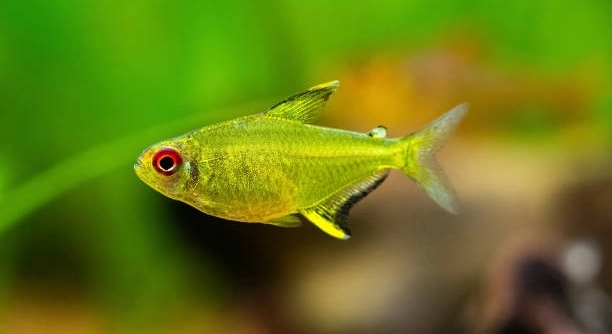
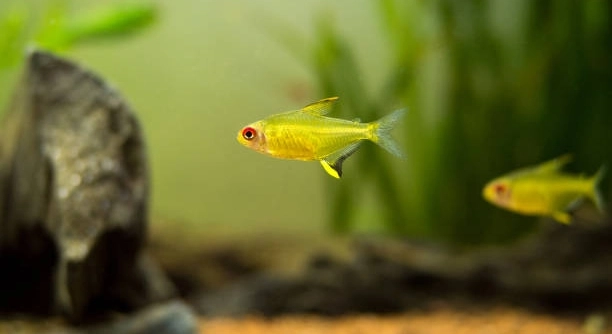
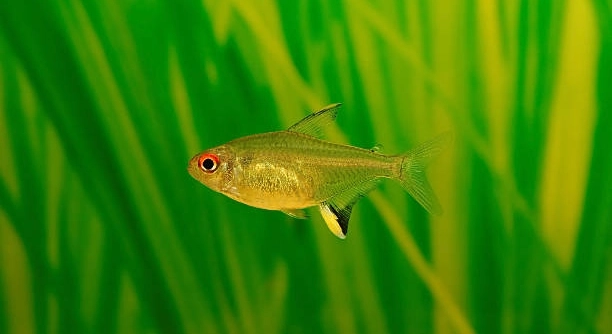
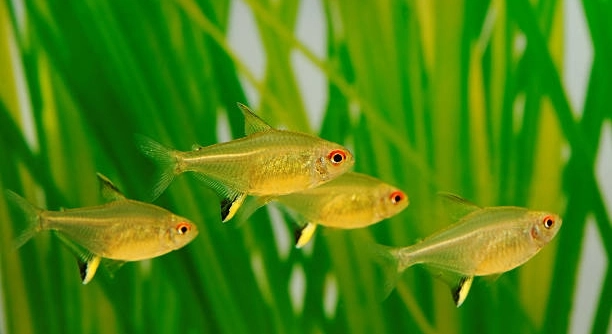
Why Do Lemon Tetra Hover Instead of Swimming?

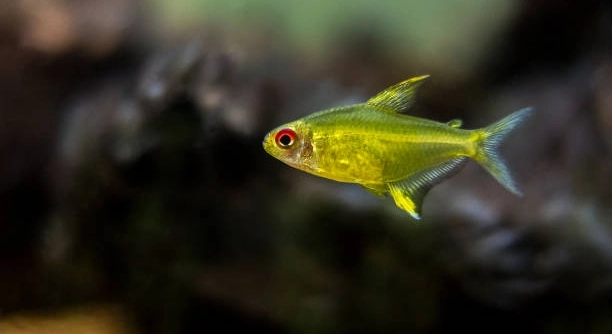
Lemon tetras are small, brightly colored freshwater fish often found in community aquariums. Many aquarium owners notice that these fish often hover in one spot instead of swimming actively around the tank. This behavior can seem unusual at first glance. Lemon tetras hover instead of swimming due to a combination of buoyancy control and social … Read more

7 Reasons Lemon Tetra Might Seem Dull Today

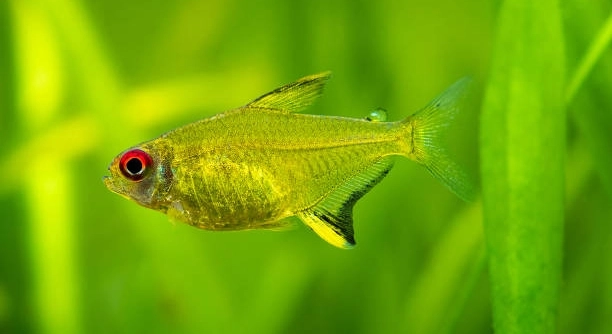
Do you ever notice your lemon tetra swimming quietly, lacking the spark it once had? Observing these small, bright fish can sometimes leave owners concerned when their lively behavior seems to fade over time. Several factors can contribute to lemon tetras appearing dull, including water quality, tank conditions, diet deficiencies, stress from overcrowding, inadequate lighting, … Read more

Should You Ever Use Tank Dividers for Tetra?

Do you ever notice your tetras swimming too close to each other, sometimes chasing or nipping fins? Watching them can be stressful when the tank feels crowded, and you may wonder if a divider could help. Tank dividers can be useful in certain situations, such as separating aggressive tetras, protecting sick or injured fish, or … Read more

7 Clues Your Lemon Tetra School Is Unhappy

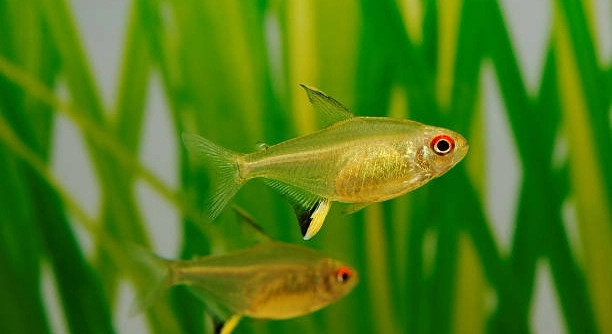
Are your lemon tetras swimming in a way that seems off or disconnected from the rest of their school? Observing subtle changes in their behavior can reveal much about their well-being. These tiny fish communicate stress in quiet ways. Lemon tetra schools display unhappiness through changes in swimming patterns, social interactions, feeding behaviors, and physical … Read more

7 Signs Your Lemon Tetra Are Ready to Spawn

Lemon tetras are small, vibrant fish that bring life to any freshwater aquarium. Watching them interact and grow can be rewarding, especially when you notice changes in their behavior indicating breeding readiness. Lemon tetras show specific physical and behavioral signs when preparing to spawn. These include increased coloration, chasing behavior, fin displays, and frequent pair … Read more

Why Do Lemon Tetra Act Strange After Water Change?

Have you ever noticed your lemon tetras swimming oddly right after a water change? They may dart around quickly, hide in corners, or seem restless for a while. This behavior can surprise even experienced aquarium owners. Lemon tetras often act strange after a water change due to sudden shifts in water parameters. Changes in temperature, … Read more

7 Problems That Start With Arowana Fin Twitching

Arowanas are elegant and powerful fish that brighten any aquarium. Observing their movements is part of the joy of keeping them, but sudden fin twitching can signal that something is off with their health or environment. Arowana fin twitching can be caused by several factors, including water quality issues, parasite infestations, nutritional deficiencies, physical injuries, … Read more

7 Differences in Behavior Between Young and Old Lemon Tetra

Have you ever noticed how lemon tetras change as they grow, showing different habits and reactions in the tank, making their behavior shift in small yet interesting ways that can catch your attention during care. The behavioral differences between young and old lemon tetras arise from developmental changes that affect activity levels, social patterns, feeding … Read more

7 Reactions Lemon Tetra Have to Different Substrates

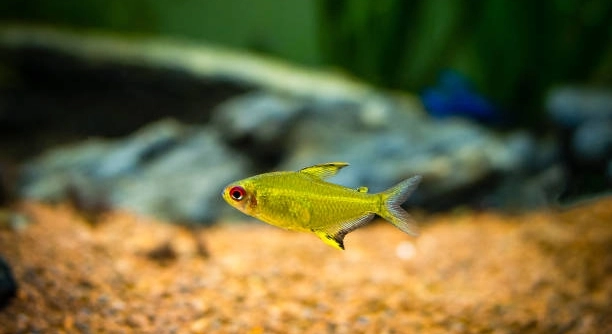
Lemon Tetras are small, colorful fish that brighten home aquariums. Their behavior often changes depending on the environment around them, including the type of substrate at the bottom of their tank. Observing these reactions can be interesting. Lemon Tetras display seven distinct responses to different substrates, including changes in swimming patterns, coloration, foraging behavior, resting … Read more