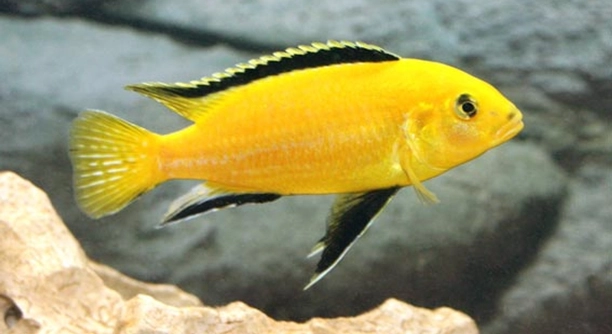
7 Events That Reset Cichlid Social Status
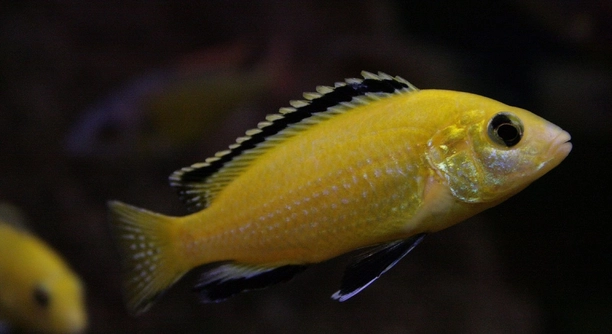
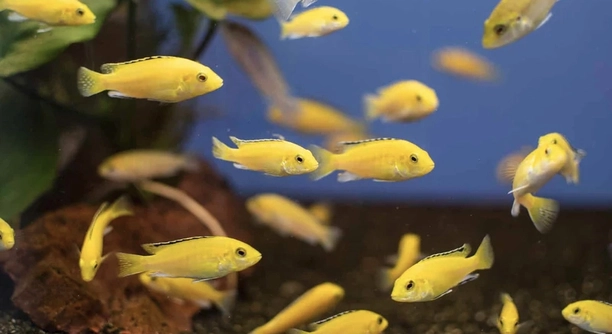
Have you ever noticed how quickly cichlids change their behavior when new fish join the tank or their environment shifts? These changes often reveal the complex social world of these vibrant, territorial fish. Watching them can be surprising. Cichlid social status can be reset by specific events such as the introduction of new fish, changes … Read more
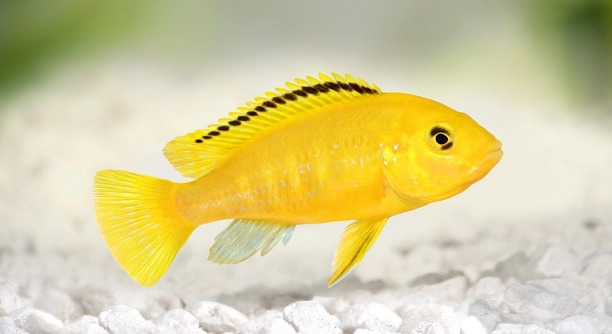
7 Mistakes That Make Electric Yellow Cichlids Stressed

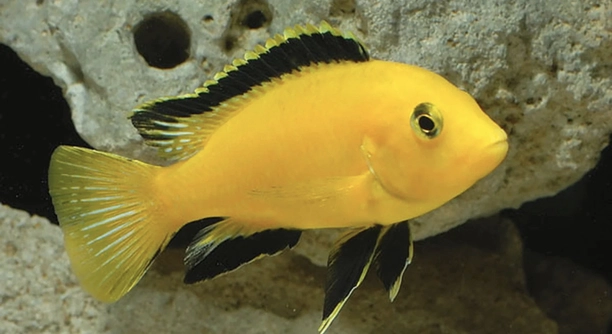
Do your electric yellow cichlids seem unusually skittish or restless in their tank? Many hobbyists enjoy these vibrant fish but often overlook subtle signs of stress that can affect their health and behavior. Electric yellow cichlids experience stress primarily due to incorrect tank conditions, poor diet, overcrowding, aggressive tank mates, sudden changes in water parameters, … Read more

7 Causes of Flicking Behavior in Electric Yellow Cichlids

Are your electric yellow cichlids showing sudden flicking motions in their tank? This behavior can be surprising, even for experienced fish keepers. Observing these movements carefully helps identify underlying causes and ensures your fish remain healthy and comfortable. Flicking behavior in electric yellow cichlids is often caused by environmental stress, parasites, water quality issues, improper … Read more

7 Things Electric Yellow Cichlids Do With Their Mouths

Electric yellow cichlids are vibrant and active fish that often catch the attention of aquarists. Their bright color and lively behavior make them a favorite for freshwater tanks. Observing their actions can reveal interesting habits. Electric yellow cichlids use their mouths for various essential activities, including feeding, cleaning their territory, building nests, showing dominance, interacting … Read more

7 Sudden Pauses That Signal Caution

Many people go about their daily lives without noticing small pauses in routines or behaviors that could indicate deeper concerns. These sudden pauses often carry subtle messages that are easy to overlook but important to recognize. Sudden pauses in behavior, speech, or movement often signal a need for caution. They can indicate hesitation, uncertainty, or … Read more

Do Electric Yellow Cichlids Need Salt in the Water?

Do you enjoy keeping vibrant fish in your home aquarium and want them to thrive in the best conditions possible? Electric Yellow Cichlids are popular for their bright colors and lively personalities. Proper care ensures they remain healthy. Electric Yellow Cichlids do not require salt in their freshwater environment under normal conditions. While small amounts … Read more

7 Reasons Electric Yellow Cichlids Prefer Specific Rocks

Are your electric yellow cichlids showing a clear preference for certain rocks in their tank? Many aquarists notice these vibrant fish gravitating toward specific textures and shapes more than others. Their choices can influence tank harmony. Electric yellow cichlids prefer specific rocks primarily due to shelter, breeding, and territorial behaviors. The rocks provide essential hiding … Read more

How to Quarantine New Electric Yellow Cichlids

Have you ever brought home electric yellow cichlids and felt unsure about protecting them during their first days in your care, especially while helping them adjust to a peaceful and healthy environment inside your aquarium. Quarantining new electric yellow cichlids involves isolating them in a separate tank to monitor for parasites, stress, and disease. This … Read more

7 Focal Points Cichlids Choose When Resting

Many aquarists enjoy watching cichlids move gracefully around their tanks, but have you ever noticed the spots they favor when resting? These focal points can reveal a lot about their comfort, safety, and natural behavior patterns. Cichlids often choose resting points based on shelter, visibility, water flow, light intensity, tank mates, substrate type, and temperature. … Read more

7 Early Symptoms of Water Chemistry Stress

Do you ever find yourself noticing small shifts in your aquarium that make you suspect the water might be stressing your aquatic pets long before major issues appear in the tank at any given moment. Early symptoms of water chemistry stress originate from shifts in pH, ammonia, nitrite, or hardness levels that interfere with normal … Read more