
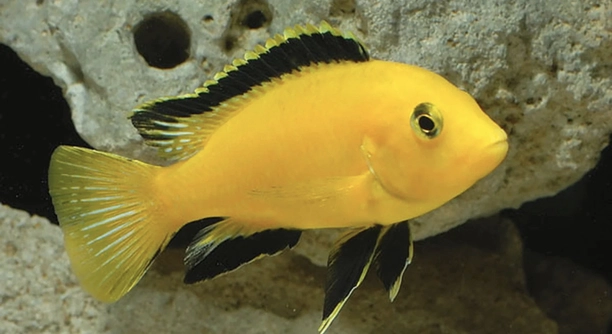
Do your electric yellow cichlids seem unusually skittish or restless in their tank? Many hobbyists enjoy these vibrant fish but often overlook subtle signs of stress that can affect their health and behavior.
Electric yellow cichlids experience stress primarily due to incorrect tank conditions, poor diet, overcrowding, aggressive tank mates, sudden changes in water parameters, lack of hiding spots, and improper handling. Each of these factors disrupts their natural comfort and well-being.
Addressing these issues can significantly improve your cichlids’ quality of life, ensuring a more vibrant, healthy, and balanced aquarium environment for your fish.
Overcrowding the Tank
Keeping too many electric yellow cichlids in a single tank can create tension and stress among the fish. When space is limited, territorial disputes become more frequent, leading to aggressive behavior. Overcrowding also reduces oxygen levels and increases waste buildup, affecting water quality. Fish may hide more often, eat less, or develop disease. A tank that is too small prevents cichlids from expressing natural behaviors, which is essential for their mental and physical health. Providing adequate space allows each fish to establish a territory, reduces stress, and promotes overall well-being. Monitoring tank population regularly ensures that your cichlids remain comfortable and healthy, preventing conflicts that arise from cramped conditions.
Maintaining appropriate fish density is essential for stable water conditions and minimizing aggressive encounters between cichlids.
Careful planning of tank size and population limits ensures your electric yellow cichlids can thrive. A spacious environment with sufficient hiding spots supports natural behaviors and reduces constant stress from other fish.
Poor Water Quality
Electric yellow cichlids are highly sensitive to water quality. High ammonia, nitrite, or nitrate levels can quickly stress fish, causing lethargy, loss of appetite, and susceptibility to disease. Regular water testing and partial water changes are critical for keeping these parameters stable. Temperature fluctuations or improper pH levels also impact stress, as cichlids need consistent conditions to feel secure. Filtration is essential for removing toxins and maintaining clarity. Even minor changes in water chemistry can trigger stress responses, so careful monitoring is necessary. Clean tanks with proper equipment and routine maintenance create a stable environment where cichlids can thrive without unnecessary stress.
Consistently testing water parameters and performing regular maintenance helps maintain a healthy tank for electric yellow cichlids.
When water quality is neglected, stress levels increase, weakening immunity and leading to disease. Sudden changes in pH, temperature, or chemical composition can shock fish, reducing appetite and altering behavior. Using a reliable filtration system, monitoring water chemistry, and performing partial water changes are simple yet effective strategies. A stable aquatic environment promotes healthy growth and vibrant coloration while reducing aggression and hiding tendencies. Tank inhabitants remain more active and less prone to illness, supporting long-term health and a visually appealing aquarium. Paying close attention to water quality is one of the most important steps in caring for electric yellow cichlids.
Aggressive Tank Mates
Choosing aggressive or incompatible tank mates can significantly stress electric yellow cichlids. They may face constant harassment, chasing, or fin-nipping, which disrupts feeding and resting patterns. Maintaining compatible species reduces conflict and supports a calmer tank environment.
Aggressive fish create a tense environment that affects cichlids’ health and behavior. Constant stress can lead to weakened immunity, slow growth, and increased vulnerability to disease. Even if your tank appears visually peaceful, subtle signs like hiding, color fading, or erratic swimming indicate ongoing stress. Monitoring interactions and separating incompatible species is crucial. Providing adequate space and hiding spots helps diffuse tension, allowing fish to feel secure. Observing behavior regularly ensures that all inhabitants coexist peacefully. Selecting peaceful tank mates is as important as maintaining water quality or diet, directly influencing overall well-being.
Proper tank layout can reduce conflicts, offering territories and visual barriers that minimize aggressive encounters. Strategic placement of rocks, plants, and caves allows cichlids to escape harassment and feel secure. Overcrowding combined with aggressive neighbors amplifies stress, so maintaining balanced population and compatibility is essential. Careful observation, timely intervention, and attention to environmental enrichment keep aggression low. Even minor adjustments, such as moving a single fish or adding a hiding spot, can drastically improve social dynamics and reduce stress levels. Consistency in monitoring ensures that electric yellow cichlids remain vibrant and active without constant threats from tank mates.
Improper Diet
Feeding electric yellow cichlids an unbalanced diet can lead to stress and poor health. Lack of essential nutrients affects growth, immunity, and energy levels. A varied diet supports physical and mental well-being.
A diet consisting mainly of flakes or a single food type may cause deficiencies in vitamins, minerals, and protein. Overfeeding or underfeeding disrupts digestive health, leading to bloating, lethargy, and reduced coloration. Including high-quality pellets, occasional live or frozen foods, and vegetable matter ensures proper nutrition. Adjusting feeding amounts and frequency to the size and age of the fish prevents overeating and water pollution. Regularly observing eating behavior helps detect stress early, as stressed cichlids may ignore food or show aggression during feeding times. Proper nutrition directly impacts stress management, coloration, and vitality, making it essential for daily care.
Maintaining a balanced feeding routine supports energy levels, reduces stress, and enhances immune function. Supplementing with natural foods like brine shrimp or spirulina encourages natural foraging behavior. Overfeeding can cloud water and promote bacterial growth, so moderation is key. Rotating food types prevents boredom and nutrient gaps while improving overall health. Monitoring individual consumption ensures weaker or smaller cichlids are not left out. Even simple adjustments like spreading food or feeding smaller portions multiple times daily can stabilize behavior. A well-planned diet strengthens resistance to disease and keeps electric yellow cichlids active and vibrant.
Sudden Changes in Environment
Rapid changes in water temperature, pH, or lighting can stress electric yellow cichlids. These fish thrive on consistency, and abrupt adjustments may trigger hiding, loss of appetite, or erratic swimming. Maintaining stable conditions prevents unnecessary stress.
Moving decorations or rearranging the tank too frequently also unsettles cichlids. They rely on familiar territories to feel secure. Gradual adjustments allow fish to adapt without anxiety, reducing aggression and improving overall comfort.
Lack of Hiding Spots
Electric yellow cichlids need caves, rocks, or plants to retreat when feeling threatened. Without adequate shelter, stress increases and fish display constant vigilance. Providing sufficient hiding places supports natural behavior and reduces conflicts.
Overhandling
Frequent netting or disturbing cichlids for cleaning or inspection causes stress. Handling should be minimized and done gently to avoid frightening or injuring the fish.
Poor Lighting
Improper lighting, whether too bright or inconsistent, can make electric yellow cichlids anxious. Stable, moderate lighting supports normal activity and helps fish feel safe in their environment.
FAQ
What are the main signs of stress in electric yellow cichlids?
Stressed electric yellow cichlids often show changes in behavior and appearance. Common signs include hiding more than usual, loss of appetite, erratic swimming, faded coloration, or aggression toward other fish. Lethargy and clamped fins are also indicators of discomfort. Monitoring these behaviors regularly helps catch stress early.
How can I reduce stress caused by tank overcrowding?
To prevent overcrowding, maintain an appropriate number of cichlids per gallon. Each fish needs space to establish its territory and move freely. Adding visual barriers or rearranging decorations can also reduce tension. Removing extra fish or increasing tank size helps maintain a calm environment.
What is the best diet to keep electric yellow cichlids healthy?
A balanced diet includes high-quality pellets or flakes, supplemented with live or frozen foods such as brine shrimp or bloodworms. Occasional vegetable matter, like spirulina or blanched spinach, ensures proper nutrients. Feed moderate amounts multiple times a day to prevent overeating and maintain water quality.
How often should I check water quality?
Water parameters should be tested at least weekly. Monitoring ammonia, nitrite, nitrate, pH, and temperature is essential to maintain stable conditions. Regular partial water changes help prevent stress caused by poor water quality. A reliable filtration system supports this process.
Can tank mates cause stress in electric yellow cichlids?
Yes, aggressive or incompatible tank mates can cause constant harassment, chasing, and fin-nipping. Selecting peaceful, compatible species and providing hiding spots reduces tension. Observing interactions and separating incompatible fish ensures all inhabitants remain healthy and less stressed.
How important is tank decoration for stress reduction?
Decorations like rocks, caves, and plants provide territories and hiding spots. Lack of shelter increases anxiety and aggression. Arranging the tank to create visual barriers allows cichlids to retreat when threatened, reducing constant stress and promoting natural behavior.
Does handling affect electric yellow cichlids?
Frequent netting or disturbing fish increases stress. Handle them only when necessary and with care. Minimizing handling and being gentle during maintenance protects their health and reduces fear responses.
How does lighting impact stress?
Bright or inconsistent lighting can make cichlids anxious. Moderate, stable lighting helps fish feel secure and supports normal activity patterns. Avoid sudden changes in intensity or duration to maintain a calm environment.
Can water changes cause stress?
Sudden or large water changes may shock cichlids. Perform partial changes gradually and ensure new water matches temperature and pH levels. This minimizes stress and keeps fish comfortable while maintaining water quality.
What should I do if my cichlids are stressed?
Identify and correct the source of stress, whether it is water quality, overcrowding, diet, or tank mates. Provide hiding spots, maintain stable conditions, and adjust feeding routines. Observing behavior closely ensures fish recover and remain healthy.
Is stress harmful long-term for electric yellow cichlids?
Yes, prolonged stress weakens the immune system, slows growth, and can lead to disease or shortened lifespan. Preventive care through proper tank management, diet, and compatible companions is essential for long-term health.
How do I prevent stress during tank maintenance?
Keep maintenance consistent and predictable. Avoid sudden movements or rearrangements. Use gentle cleaning techniques and perform tasks gradually. Maintaining a calm, stable environment during maintenance minimizes disruption and protects the well-being of your cichlids.
Can water temperature changes affect stress levels?
Yes, sudden fluctuations in temperature can shock electric yellow cichlids. Maintaining a consistent, appropriate temperature range helps them remain comfortable and reduces risk of stress-related illness. Use a reliable heater and thermometer to monitor conditions.
Are electric yellow cichlids more stressed in small tanks?
Smaller tanks limit space and increase territorial conflicts, raising stress levels. Adequate tank size, proper filtration, and hiding spots are critical for a balanced environment that supports healthy behavior and reduces tension.
How do I know if my cichlids are stressed by diet?
Signs include refusal to eat, aggression during feeding, bloating, or faded colors. Adjusting food type, portion size, and feeding frequency can alleviate stress and improve overall health. A varied, nutritious diet supports energy, immunity, and vibrant appearance.
Final Thoughts
Caring for electric yellow cichlids requires attention to detail and a consistent approach. These fish are highly sensitive to their environment, and even small changes can create stress. Ensuring proper tank size, stable water conditions, and compatible tank mates is essential. Overcrowding or introducing aggressive fish can quickly lead to tension, hiding behaviors, or aggression. Providing adequate space and visual barriers allows each cichlid to establish its own territory, reducing stress and supporting natural behaviors. Decorations such as rocks, caves, and plants not only enhance the tank aesthetically but also create safe areas for retreat, which is vital for the fish’s mental and physical well-being. Regular observation helps identify subtle changes in behavior that indicate discomfort, enabling timely intervention before issues become severe. Consistency in care is key, and maintaining predictable routines for feeding, water changes, and light cycles helps fish feel secure and reduces stress overall.
Nutrition plays a significant role in preventing stress and promoting health in electric yellow cichlids. A varied diet ensures that the fish receive the essential vitamins, minerals, and protein they need to grow strong and maintain vibrant coloration. Overfeeding or underfeeding can disrupt digestive health, cause water pollution, and lead to stress-related issues. Including high-quality pellets, occasional live or frozen foods, and some plant matter creates a balanced diet that supports both energy levels and immune function. Monitoring feeding behavior is equally important, as stressed cichlids may eat less or compete aggressively during mealtime. Adjusting feeding amounts and schedules according to the number, size, and age of the fish ensures that each cichlid receives proper nutrition without compromising water quality. By combining careful diet planning with routine water monitoring, you create a stable and healthy environment that minimizes stress and encourages natural behaviors.
Managing environmental factors is another critical aspect of maintaining calm and healthy electric yellow cichlids. Sudden changes in water parameters, temperature fluctuations, and inconsistent lighting can all trigger stress responses. Performing gradual water changes, keeping temperature and pH levels stable, and providing moderate, consistent lighting help fish adapt and feel secure in their surroundings. Even handling the fish should be minimized and done gently to avoid unnecessary fright. Over time, a consistent and thoughtful approach to tank management, diet, and overall care creates an environment where electric yellow cichlids can thrive. Attention to these details not only enhances their health and longevity but also allows their natural beauty and personality to shine. By focusing on these areas, you can reduce stress, support well-being, and enjoy a vibrant, balanced aquarium filled with active and happy electric yellow cichlids.

Hello,
If you enjoy the content that we create, please consider saying a "Thank You!" by leaving a tip.
Every little bit helps us continue crafting quality advice that supports the health, happiness, and well-being of pets around the world, for pets of all shapes, sizes, and species.
We really appreciate the kindness and support that you show us!