
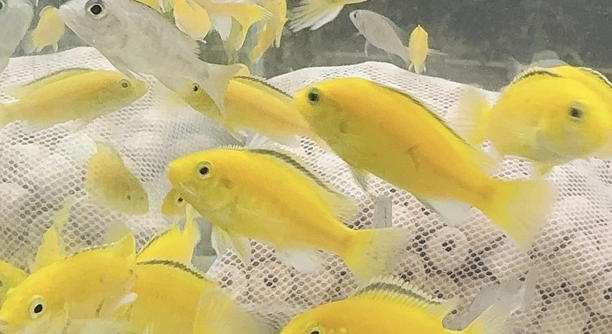
Are your electric yellow cichlids showing a clear preference for certain rocks in their tank? Many aquarists notice these vibrant fish gravitating toward specific textures and shapes more than others. Their choices can influence tank harmony.
Electric yellow cichlids prefer specific rocks primarily due to shelter, breeding, and territorial behaviors. The rocks provide essential hiding spots, surfaces for egg-laying, and boundaries that reduce stress, encouraging natural activity patterns and promoting overall health in captivity.
Understanding why these fish favor certain rocks can improve tank setups, enhance their wellbeing, and foster a more visually appealing and balanced aquatic environment.
Shelter and Hiding Spots
Electric yellow cichlids naturally seek out spaces that provide security. In the wild, they hide among rocks to escape predators and feel safe. In aquariums, rocks with crevices and small openings mimic these conditions. When these fish find comfortable hiding spots, they display calmer behavior, reduced aggression, and more natural swimming patterns. Rocks also help them establish personal territories within the tank. Providing the right type and arrangement of rocks prevents constant chasing and stress among tank mates. Smooth, stable rocks that fit together without gaps are ideal, as they reduce the risk of injury. Rounded edges and flat surfaces are particularly appreciated, as cichlids often rest on or under them. Placement should allow multiple options, so each fish has access to a private area. Observing how the fish interact with each hiding spot can guide adjustments to rock positions.
Proper shelter helps cichlids feel secure, improving their overall health and behavior in captivity.
Hiding spots are more than decoration. They support breeding, reduce stress, and let each fish feel in control of its space, which promotes natural activity and peaceful interactions.
Breeding and Territorial Needs
Rocks play a critical role in breeding and territory establishment.
Cichlids use rocks as spawning sites and territorial markers. The shape, texture, and stability of rocks influence mating behaviors and aggression levels.
During breeding, females often lay eggs on flat or slightly angled rock surfaces. Males patrol these areas, guarding both the eggs and their territory from intruders. Choosing appropriate rocks can increase breeding success. Rough surfaces are preferred for egg attachment, while stable formations prevent collapse that might disturb eggs. Territorial behavior also extends to feeding and resting zones. Fish that feel their territory is secure will spend less energy in constant chasing and more time on natural behaviors like feeding, exploring, and cleaning. Careful rock arrangement ensures each fish can claim a preferred space, reducing conflicts. Observing interactions over several days can help refine the setup. By prioritizing breeding and territorial needs, aquarists create a healthier, more balanced tank environment where electric yellow cichlids thrive naturally.
Water Chemistry and Mineral Content
Rocks influence water chemistry by slowly releasing minerals. Cichlids respond to these subtle changes, which can affect pH and hardness. Proper rock selection helps maintain stable water conditions suited for electric yellow cichlids.
Some rocks naturally release calcium and magnesium, which stabilize pH and support healthy bone and scale development. Rocks like limestone or dolomite can gradually adjust water hardness, making the environment closer to the fish’s natural habitat. Maintaining consistent water chemistry reduces stress, improves digestion, and encourages vibrant coloration. Avoid reactive or sharp rocks that could alter pH too quickly or injure fish. Observation is key: changes in behavior, appetite, or color can indicate water imbalance. Adjusting rock types carefully ensures long-term stability, contributing to overall health. Selecting the right rocks not only enhances aesthetics but also fosters a thriving ecosystem tailored to cichlid needs.
Stable water chemistry reduces sudden stress and health issues, allowing fish to focus on feeding, swimming, and breeding naturally without unnecessary strain.
Color and Camouflage
Electric yellow cichlids are influenced by the color and appearance of rocks in their environment.
Brightly colored or contrasting rocks can enhance their natural coloration, making them appear more vibrant and healthy. Rocks with subtle hues provide visual comfort, allowing fish to blend in and feel secure. In tanks, using rocks that complement the fish’s yellow tones can reduce stress and encourage active exploration. Fish often position themselves near rocks that highlight their coloration, improving visibility for mating and social interactions. The interplay of light and rock color can also reduce shadows that might otherwise make the fish feel exposed. Rock textures contribute as well, offering surfaces for resting, hiding, and grazing. Placement is crucial: ensure fish have options for both bright and shaded areas to mimic natural habitats. Properly chosen rocks support not just aesthetic appeal but behavioral and physiological well-being.
Choosing rocks with the right colors and textures promotes natural behavior, reduces stress, and enhances the visual vibrancy of electric yellow cichlids in the aquarium.
Texture and Surface
Electric yellow cichlids prefer rocks with varied textures. Rough surfaces offer better grip and resting areas, while smooth surfaces reduce injury risks.
Textured rocks also provide surfaces for algae growth, which fish may nibble on. The combination of smooth and rough areas supports natural behaviors like grazing, hiding, and territory marking.
Rock Size and Stability
Properly sized rocks prevent accidents and support natural behavior. Large, stable rocks create secure hiding spots and territory boundaries, while small rocks fill gaps without posing collapse risks. Stability is essential to prevent injuries and maintain a safe tank environment, especially during active chasing or breeding behaviors.
Light Reflection
Rocks influence how light spreads in the aquarium. Brightly reflective surfaces can enhance the fish’s colors, while darker rocks create shaded resting areas. Proper arrangement balances visibility and comfort, promoting natural behavior and reducing stress.
FAQ
Why do electric yellow cichlids prefer specific rocks over others?
These cichlids are drawn to rocks that provide security, suitable breeding sites, and comfortable resting areas. Rocks with crevices, flat surfaces, and stable placement mimic natural habitats, allowing fish to establish territories and reduce stress. The shape and texture directly influence behavior, activity, and social interactions.
Can rock type affect water quality?
Yes. Certain rocks, such as limestone or dolomite, slowly release minerals like calcium and magnesium, affecting water hardness and pH. Stable water chemistry supports healthy growth, reduces stress, and encourages natural coloration. Reactive rocks can alter pH too quickly, potentially harming fish. Regular monitoring ensures safe and consistent water conditions.
How should rocks be arranged in the tank?
Rocks should be positioned to create hiding spots, territorial boundaries, and open swimming areas. Stable, well-fitted rocks prevent collapse and injury. Mixing smooth and textured surfaces allows fish to rest, hide, and graze naturally. Observation helps refine placement, ensuring each fish has access to preferred areas.
Do electric yellow cichlids use rocks for breeding?
Absolutely. Females often lay eggs on flat or slightly angled rocks. Males guard the area and eggs, establishing territory around the chosen surface. Rocks that are stable and rough enough for egg adhesion improve breeding success and reduce the risk of eggs being dislodged.
Can rocks enhance coloration?
Yes. Rocks with certain colors can highlight or complement the fish’s yellow tones, making them appear more vibrant. Bright reflective surfaces and shaded areas help fish feel secure while enhancing their natural appearance, supporting both visual appeal and behavior.
Is there a preferred texture for grazing?
Rough surfaces are ideal because they encourage algae growth and allow cichlids to graze naturally. Smooth areas reduce risk of injury while resting or hiding. A combination of textures promotes natural feeding, resting, and social behavior.
How important is rock stability?
Very important. Unstable rocks can collapse during territorial disputes or breeding, causing injury or stress. Ensuring large, stable formations provides secure areas for hiding, resting, and spawning, while smaller filler rocks prevent gaps without creating hazards. Stability contributes to a safe, balanced tank environment.
Do all electric yellow cichlids react the same way to rocks?
Individual fish may have preferences based on temperament, age, or size. Some may favor crevices, while others prefer flat surfaces for resting or spawning. Observing interactions allows adjustment of rock arrangements to accommodate varying needs and reduce conflicts.
How often should rock arrangements be changed?
Frequent changes are not recommended. Fish need time to establish territories and become comfortable. Adjustments should be gradual and infrequent, mainly for cleaning, tank maintenance, or behavioral observation. Sudden rearrangements can increase stress and aggression.
Can rocks prevent aggressive behavior?
Yes. Proper rock placement provides hiding spaces and territorial boundaries, reducing chasing and fighting. Each fish can claim preferred spots, allowing natural hierarchy without constant conflict. The combination of shelter, texture, and size contributes to a calmer, healthier tank environment.
Are there rocks that should be avoided?
Avoid rocks with sharp edges, unstable formations, or reactive minerals that drastically alter pH. Smooth, stable rocks, with a combination of rough textures for grazing, are safest. Careful selection ensures both safety and the promotion of natural behaviors.
How can I tell if my cichlids like the rocks?
Observe behavior. Fish that frequently rest, hide, or spawn near certain rocks indicate preference. Signs of comfort include reduced aggression, active swimming, and natural grazing. Unused rocks may need repositioning or replacement to better suit their needs.
Can rocks influence feeding behavior?
Yes. Rocks with algae or surfaces suitable for grazing encourage natural feeding patterns. Fish may spend more time exploring, nibbling, and maintaining the tank environment, supporting overall health and mimicking behaviors seen in the wild.
Do rock preferences change over time?
Preferences can shift as fish grow, mature, or change social rank. Younger fish may hide more, while adults focus on breeding sites. Monitoring behavior over time allows adjustments to maintain a balanced environment that meets evolving needs.
Is there a recommended number of rocks in a tank?
There isn’t a strict number. Focus on providing sufficient hiding spots, grazing areas, and territory markers for each fish. Overcrowding can limit swimming space, while too few rocks can increase stress and aggression. Balance and observation are key for optimal placement.
How can I clean rocks without harming the fish?
Rocks should be cleaned with warm water and a soft brush, avoiding soap or chemicals. Regular cleaning prevents algae overgrowth and debris accumulation. Remove rocks temporarily if necessary, but maintain water conditions to reduce stress during maintenance.
Do rocks impact social interactions?
Yes. Rocks define territory and create safe spaces, influencing hierarchy and reducing constant conflict. Proper arrangements promote peaceful coexistence, allowing fish to focus on natural behaviors rather than defending space aggressively.
Can decorative rocks be used, or only natural ones?
Both can work if safe, stable, and non-reactive. Natural rocks are ideal for maintaining water chemistry, but decorative stones can provide suitable hiding and resting spaces if carefully selected for size, texture, and stability.
How do I choose the best rocks for my tank?
Prioritize stability, texture, size, and mineral composition. Ensure a mix of rough and smooth surfaces, flat and crevice-rich shapes, and colors that complement the fish. Observation and gradual adjustments help create a tank environment that supports health, behavior, and aesthetics.
Will changing rocks affect breeding cycles?
Yes. Sudden changes can disturb established spawning sites and territorial boundaries. Keep breeding areas stable, only adjusting when necessary. Providing ideal surfaces and secure positions encourages successful mating and egg protection.
How important is observation in selecting rocks?
Observation is crucial. Watching where fish rest, hide, and spawn informs rock placement and selection. Adjustments based on behavior ensure comfort, reduce aggression, and promote natural activity, making the tank healthier and more visually appealing.
Can rocks help with tank aesthetics?
Yes. Beyond functionality, rocks create natural-looking landscapes that enhance the visual appeal of the tank. Thoughtful selection and arrangement complement fish coloration, creating a balanced and attractive environment.
How long should I monitor fish behavior after rearranging rocks?
Monitor for several days to a week. Fish need time to adjust to changes. Watch for signs of stress, aggression, or avoidance, and make minor adjustments as needed to maintain comfort and natural behaviors.
Do electric yellow cichlids ever ignore rocks?
Some fish may show limited interaction with certain rocks. Preferences depend on size, texture, color, and placement. Unused rocks can be replaced or repositioned to better suit their needs while maintaining overall tank balance.
Can rock arrangements prevent disease?
Indirectly. By reducing stress and aggression, rocks support immune health. Proper hiding spots and territories limit injuries and exposure to harmful bacteria, contributing to healthier, more resilient fish.
What is the role of light with rocks?
Light interacts with rock color and surface, influencing fish comfort and behavior. Bright reflective areas highlight colors, while shaded areas provide rest zones. Balanced lighting enhances natural activity and reduces stress, complementing rock arrangement.
How often should I review rock placement?
Occasional review is beneficial, especially after growth, breeding, or behavioral changes. Adjust slowly to maintain security, comfort, and optimal water chemistry, ensuring a thriving tank environment.
Can rocks help new fish acclimate?
Yes. Providing multiple hiding spots and shaded areas allows new fish to explore safely. This reduces stress, supports gradual integration, and encourages natural behavior without immediate territorial conflict.
Do electric yellow cichlids rearrange rocks themselves?
Some may move smaller rocks or shift gravel slightly during digging or grazing. This behavior reflects natural instincts for territory marking, nest building, and creating comfort zones within their environment.
Are certain rock combinations better than others?
Mixing textures, sizes, and colors provides diverse hiding spots and surfaces for grazing, spawning, and resting. Carefully balanced combinations promote natural behaviors, reduce aggression, and enhance both health and visual appeal of the tank.
Can rocks affect overall tank harmony?
Yes. Rocks define space, support breeding, and provide shelter, reducing stress and aggression. Thoughtful placement creates a balanced environment where electric yellow cichlids can thrive, exhibit natural behavior, and maintain vibrant coloration.
Is it necessary to research rock types before adding them?
Absolutely. Understanding mineral content, reactivity, and stability prevents water chemistry fluctuations, injury risks, and behavioral issues. Informed selection ensures a safe, comfortable, and visually appealing habitat for electric yellow cichlids.
How do rocks influence fish activity levels?
Properly arranged rocks encourage exploration, grazing, resting, and territory establishment. Fish are more active in secure environments, exhibiting natural behaviors that support health, reduce stress, and enhance the overall aquarium ecosystem.
What signs indicate rock adjustments are needed?
Increased aggression, hiding, or avoidance can signal that rock placement isn’t optimal. Observing patterns over several days helps identify areas for repositioning to better suit fish needs and maintain tank balance.
Are there common mistakes with rocks in cichlid tanks?
Yes. Overcrowding, unstable stacks, sharp edges, and reactive minerals are frequent issues. Ignoring texture, hiding needs, and territorial behavior can increase stress. Careful planning and observation prevent these problems, supporting healthy, natural fish behavior.
How do rocks support natural feeding habits?
Rocks with algae growth or textured surfaces allow grazing, simulating wild behavior. This encourages exercise, mental stimulation, and balanced nutrition, contributing to healthier, more active fish.
Can rocks reduce tank maintenance?
Indirectly. Proper arrangement prevents excessive aggression, reduces injuries, and encourages grazing, which can limit algae buildup on other surfaces. Stable, safe rocks also minimize debris accumulation from collapsed formations.
Do fish ever prefer empty spaces over rocks?
Yes. Open swimming areas are equally important for activity, social interactions, and exploration. A balanced tank includes both rock shelters and clear areas to allow natural movement and reduce territorial stress.
Can I use synthetic rocks safely?
If non-toxic, stable, and non-reactive, synthetic rocks are safe. They should mimic natural textures and provide hiding, resting, and grazing surfaces to ensure fish comfort and promote normal behavior.
How long does it take for cichlids to adjust to new rocks?
Adjustment can take a few days to a week. Observation is essential. Fish should begin exploring, resting, and displaying normal behavior once comfortable, indicating successful integration of new rock arrangements.
Do rocks affect fish growth?
Indirectly. By providing safe hiding, territorial boundaries, and surfaces for grazing, rocks reduce stress and support natural activity, which contributes to overall health, proper growth, and development in electric yellow cichlids.
Can rocks improve social behavior?
Yes. Rocks provide space for territorial establishment, reducing constant aggression. Proper placement supports peaceful interactions, hierarchy formation, and cooperative behaviors like group grazing or shared resting spots, fostering overall tank harmony.
Is observation more important than the type of rock?
Both matter, but observation guides proper selection and placement. Watching preferences, behavior, and interactions allows adjustments to meet fish needs while maintaining safe, stable, and visually appealing environments.
What role does texture play in aggression levels?
Textured surfaces allow hiding and territory marking, reducing confrontations. Smooth areas provide safe resting spots. Balanced textures help manage aggression and promote calm, natural behavior.
How do rocks affect egg survival?
Stable, rough rocks improve egg adhesion and protection during breeding. Proper placement reduces disturbance, ensuring higher survival rates and supporting natural reproductive behavior.
Can rocks be used to separate aggressive individuals?
Yes. Strategic placement creates visual and physical barriers, giving aggressive fish private spaces. This reduces conflict, stress, and injuries, promoting peaceful coexistence in shared tanks.
Do rocks influence feeding hierarchy?
Indirectly. By establishing territories and hiding spaces, rocks allow subordinate fish safe access to food. This reduces competition and supports balanced growth and health.
How often should rocks be inspected for safety?
Regularly. Check for instability, sharp edges, or mineral degradation. Ensuring rocks remain safe prevents injuries and maintains optimal environmental conditions for electric yellow cichlids.
Can rocks impact mental stimulation?
Yes. Varied textures, hiding spots, and crevices encourage exploration, grazing, and interaction, promoting natural behaviors that reduce boredom and stress.
Are all rocks safe for cichlid tanks?
No. Avoid reactive, sharp, or unstable rocks. Select stable, textured, and non-toxic rocks suitable for hiding, grazing, and breeding to ensure fish safety and proper environmental support.
Do rocks need to match the fish size?
Yes. Appropriately sized rocks accommodate fish for hiding, resting, and territorial boundaries. Rocks too small or too large may reduce usability or create hazards, affecting behavior and safety.
Can rocks affect spawning frequency?
Yes. Suitable rocks encourage regular breeding by providing secure, flat, and stable surfaces. Improper rocks may discourage spawning or result in egg loss.
Do fish rearrange rocks intentionally?
Some may shift smaller rocks or gravel while establishing territory, creating comfort zones, or preparing breeding sites, reflecting instinctive behaviors that support natural activity.
How important is variety in rock types?
Variety provides diverse hiding spots, textures for grazing, and surfaces for spawning. A mix of colors, sizes, and textures enhances comfort, behavior, and visual appeal of the tank.
Can rocks reduce stress during water changes?
Yes. Established hiding spots and territories allow fish to retreat safely, reducing stress from sudden environmental changes. This promotes calmer responses during maintenance.
Do electric yellow cichlids ever ignore rocks completely?
Some individuals may prefer open swimming areas over certain rocks. Preferences vary by temperament, size, and social rank, making observation and flexible arrangements essential.
How do rocks influence natural activity patterns?
Rocks create secure areas, grazing surfaces, and territorial boundaries, encouraging exploration, resting, and social interactions. They allow fish to exhibit behaviors typical of wild habitats, supporting overall health and well-being.
Are there signs that rocks are improving tank conditions?
Yes. Increased activity, natural grazing, calm territorial behavior, vibrant coloration, and successful breeding indicate rocks are enhancing comfort, security, and environmental balance.
Can rocks help prevent aggressive feeding behavior?
Yes. By providing hiding spaces and territory markers, rocks reduce competition and allow subordinate fish to feed safely, promoting equitable access to food and reducing stress.
Do rocks contribute to longevity?
Indirectly. By reducing stress, promoting natural behaviors, supporting breeding, and maintaining water chemistry, rocks create a healthier, more stable environment that contributes to longer, healthier lives.
Are all rock arrangements permanent?
No. Arrangements can be adjusted as fish grow, behaviors change, or breeding needs arise. Gradual changes help maintain comfort while reducing stress and conflict.
How do rocks support overall tank balance?
Rocks provide shelter, grazing surfaces, breeding sites, and territorial boundaries, reducing stress and aggression. They stabilize water chemistry and enhance visual appeal, contributing to a healthy, balanced environment for electric yellow cichlids.
Do rocks influence coloration long-term?
Yes. Rocks that complement fish color and reduce stress support vibrant, healthy tones. Consistent exposure to favorable light and texture conditions enhances natural coloration over time.
Can rocks help during illness recovery?
Safe hiding spots and shaded areas provide comfort, allowing fish to rest and recover without stress from tank mates, supporting healing and overall well-being.
Do cichlids prefer natural or artificial rocks for long-term health?
Natural rocks often offer stable mineral content and textures, benefiting health and behavior. Safe artificial rocks can work if non-toxic and stable, providing similar shelter, grazing, and breeding surfaces.
How critical is rock maintenance?
Regular inspection and cleaning prevent instability, sharp edges, and debris buildup. Maintenance ensures safety, promotes health, and preserves natural behaviors.
Are there specific rocks for breeding success?
Flat, slightly angled, and rough-surfaced rocks are ideal for egg adhesion and male territory defense, increasing the likelihood of successful spawning.
Do rocks influence social hierarchy?
Yes. Territorial boundaries and hiding spots help establish rank and reduce conflicts, supporting peaceful coexistence and natural behavior.
Can rocks reduce boredom?
Varied textures, hiding spots, and crevices provide mental stimulation. Fish explore, graze, and interact with their environment, reducing stress and encouraging natural activity.
How often should I evaluate rock effectiveness?
Monitor fish behavior regularly. Changes in hiding, aggression, or spawning indicate whether adjustments are needed to maintain comfort, safety, and natural behaviors.
Are there signs rocks are unsafe?
Unstable formations, sharp edges, or rocks causing injury indicate danger. Immediate adjustments prevent harm and maintain a safe environment.
Can rocks influence water temperature indirectly?
Rocks themselves do not change temperature but can create shaded or sunlit areas, allowing fish to regulate exposure and comfort within the tank.
Do rocks improve feeding efficiency?
Yes. Grazing surfaces and safe territories allow natural feeding behavior, reducing stress and competition, and promoting balanced nutrition.
Are some rocks better for specific tank sizes?
Yes. Larger tanks benefit from bigger formations and multiple hiding spots, while smaller tanks require appropriately scaled rocks to provide shelter without overcrowding.
Do rocks need to be rearranged seasonally?
Not necessarily. Adjust only if fish behavior, growth, or breeding needs change. Gradual modifications help maintain comfort and stability.
How do rocks contribute to natural instincts?
They enable hiding, grazing, territory marking, and spawning, allowing electric yellow cichlids to express behaviors that would occur in their native environment.
Can rocks help reduce aggressive chasing?
Yes. Hiding spots and clear territorial boundaries reduce constant pursuit, allowing calmer interactions and more balanced social dynamics.
Are there signs that fish are unhappy with rock choices?
Frequent hiding, aggression, lethargy, or avoidance of certain rocks indicate discomfort. Adjusting placement or type improves well-being.
Do rocks affect sleep or resting patterns?
Yes. Secure, shaded areas provide safe resting spots, allowing fish to reduce activity and recover energy naturally.
Can rocks enhance observation of natural behaviors?
Yes. By providing familiar structures, rocks encourage hiding, grazing, territorial displays, and breeding behaviors, allowing aquarists to observe authentic activity.
Do electric yellow cichlids prefer certain rock arrangements for long-term comfort?
Yes. Balanced layouts with stable, varied, and secure formations allow comfort, safety, and natural behaviors, supporting health and tank harmony over time.
Can rock preferences indicate health issues?
Changes in hiding, resting, or grazing near rocks may signal stress, illness, or environmental issues. Monitoring behavior helps identify and address problems early.
Are there differences in rock preference between males and females?
Often. Males prioritize breeding sites and territorial rocks, while
Final Thoughts
Electric yellow cichlids are fascinating fish, and their preference for specific rocks plays a major role in their behavior and wellbeing. Rocks provide more than just decoration; they serve as hiding spots, resting areas, and territory markers. Choosing the right type, size, texture, and placement of rocks can reduce stress, prevent injuries, and encourage natural behavior. These fish rely on their environment to feel secure, and stable rocks with suitable surfaces allow them to establish territories without constant conflict. Watching how your cichlids interact with the rocks can reveal much about their comfort and preferences, guiding adjustments that make the tank a healthier and more balanced space. Even small changes in arrangement or rock type can influence activity levels, feeding patterns, and social interactions.
Rocks also play a key role in breeding and reproductive behavior. Female cichlids often lay eggs on flat or angled surfaces, and males defend these territories, ensuring the survival of the eggs. Selecting rocks with rough surfaces and stable placement improves the likelihood of successful spawning, while smooth and safe edges reduce the risk of injury. Proper rock arrangements can also promote natural grazing behavior by encouraging algae growth on textured surfaces. These behaviors, when supported by an environment that meets their physical and social needs, help maintain vibrant coloration, healthy growth, and overall wellbeing. Paying attention to details such as color contrast, texture variety, and secure placement ensures that both males and females feel comfortable in their territories, making breeding more predictable and less stressful.
Finally, maintaining rocks over time is just as important as selecting them. Regular inspection for stability, sharp edges, or mineral reactivity helps keep the tank safe and reduces stress on the fish. Observation is essential to ensure rocks continue to meet the fish’s needs as they grow, change social rank, or enter breeding cycles. A well-arranged and carefully maintained rocky environment supports mental stimulation, natural activity, and peaceful coexistence. While rocks may seem like simple decorations, they are integral to the health, behavior, and happiness of electric yellow cichlids. Thoughtful selection, careful placement, and ongoing attention make a noticeable difference, creating a stable and visually appealing habitat where these fish can thrive naturally.

Hello,
If you enjoy the content that we create, please consider saying a "Thank You!" by leaving a tip.
Every little bit helps us continue crafting quality advice that supports the health, happiness, and well-being of pets around the world, for pets of all shapes, sizes, and species.
We really appreciate the kindness and support that you show us!