
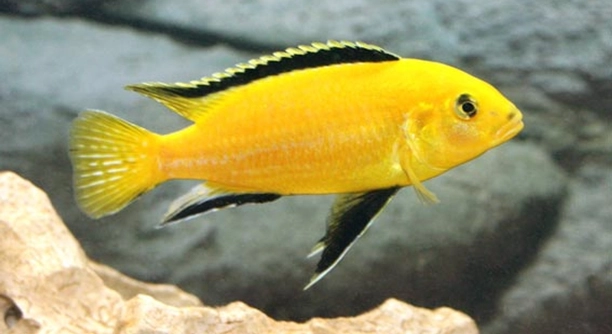
Have you ever brought home electric yellow cichlids and felt unsure about protecting them during their first days in your care, especially while helping them adjust to a peaceful and healthy environment inside your aquarium.
Quarantining new electric yellow cichlids involves isolating them in a separate tank to monitor for parasites, stress, and disease. This controlled environment helps prevent introducing health issues to established fish, supporting a smooth and safe transition into the main aquarium.
Understanding this process provides clarity, guiding you toward healthier fish and creating a stable aquarium environment that supports wellbeing overall.
Setting Up the Quarantine Tank
Preparing a proper quarantine setup for electric yellow cichlids helps protect your established aquarium by giving new fish a safe, controlled place to settle. I like keeping things simple, so I focus on creating a calm environment with only the essentials. A small tank with clean water, a heater, and a gentle filter is usually enough. I make sure the water parameters match those in my main tank, because this small detail reduces stress and helps the fish feel secure. Hiding spots like PVC pieces or small caves also help them relax. Before adding the cichlids, I let the equipment run for a day to ensure stability. Once the fish are inside, I keep feeding light and avoid sudden changes. This entire setup creates a stable space, allowing me to observe their behavior, spot any concerns early, and keep my main aquarium safe. This added care supports their overall health.
During the first few days, I watch their behavior closely to notice changes that might signal stress or illness. Calm swimming, steady appetite, and clear eyes usually show they are adapting well. Careful observation helps me react quickly and maintain a stable environment that keeps every fish comfortable and healthy.
Regular water checks are important because stable conditions reduce the risk of health problems. I monitor ammonia, nitrite, nitrate, and temperature, adjusting small details when needed. Clean water supports calm behavior, which makes it easier to observe symptoms like rapid breathing or unusual hiding. I use gentle lighting to reduce stress and keep cleaning simple to avoid sudden shifts that may disturb them. When feeding, I offer small portions and remove leftovers to maintain good water quality. These steady routines help create a peaceful quarantine period, allowing the fish to regain strength before joining the main aquarium in their home.
Monitoring Your Cichlids During Quarantine
After the cichlids settle into quarantine, monitoring their physical condition becomes the next essential step. I look for clear fins, bright coloring, and smooth movements to confirm progress. Any changes help guide how I adjust feeding, cleaning, or water parameters to maintain a steady environment that supports healthy adaptation overall.
When observing electric yellow cichlids during quarantine, I pay attention to subtle signs that reveal how well they are responding to the new environment. Healthy fish show steady breathing, bright colors, defined fin edges, and consistent interest in their surroundings. Sudden hiding, rapid gill movement, or white spots can indicate early concerns, so regular checks are important. I find it helpful to use a small flashlight to examine their bodies gently without disturbing them. This makes it easier to notice marks, swelling, or behavior changes that might not be visible in normal lighting. Feeding patterns also provide important clues. If they approach food calmly and finish small portions, it often means they are adjusting well. Refusal to eat or unusual aggression may signal stress or illness, and addressing these signs quickly protects both the fish and the main aquarium they will eventually enter. Clean water, steady temperatures, and calm surroundings always support better recovery. Maintaining these conditions helps me ensure that the cichlids stay strong and ready for introduction. By giving focused attention throughout the quarantine period, I reduce the risk of hidden issues and help create a smooth transition that keeps fish safe once moved to the main tank today.
Identifying Signs of Illness
Early signs of illness in electric yellow cichlids often appear in their behavior, so I watch for subtle changes like reduced appetite, unusual hiding, or sluggish movement. Spotting these small shifts helps me respond quickly and keep the quarantine period productive and safe.
When I monitor my cichlids closely, I look at their fins, eyes, and scales because these features usually show the first noticeable symptoms. Cloudy eyes, clamped fins, white spots, or frayed edges can indicate stress or infection. I also pay attention to how they swim. Jerky movements, rubbing against surfaces, or staying near the surface may signal discomfort. Slow breathing or rapid gill movement can also reveal health concerns. Observing these signs in a calm, consistent environment makes it easier to act early and protect both the new fish and the main tank waiting for them.
Behavior changes often give me more clues than physical symptoms. When a fish becomes unusually territorial, refuses food, or isolates itself more than usual, I take note. These shifts can appear before visible marks on the body. I limit disturbances around the tank to ensure accuracy when watching them. Feeding small amounts helps me see whether their appetite remains steady each day. If symptoms worsen, I consider starting treatments that match their condition, always keeping the water stable. This gentle approach helps me address problems without overwhelming the fish during quarantine.
Using Medications Safely
Using medications safely means choosing treatments that match the symptoms while keeping the environment stable. I start with mild options when possible and give the fish time to respond. Avoiding unnecessary products keeps stress low and helps the cichlids recover without overwhelming their system.
When treatment is necessary, I focus on following exact dosage instructions to avoid harming the cichlids. I remove chemical filtration before adding medication, since it can absorb the treatment. Stable temperatures help the fish respond better, so I monitor the heater closely. I keep lights soft because bright lighting can stress fish already dealing with illness. During medication periods, I test the water regularly to ensure ammonia and nitrite levels stay safe. Small water changes help maintain cleanliness without diluting the treatment too quickly. Once the medication cycle finishes, I reintroduce filtration slowly. This careful approach keeps fish comfortable and supports steady improvement throughout the quarantine process.
Maintaining Water Stability
Keeping the water stable in quarantine supports steady recovery, so I check temperature, pH, and ammonia levels regularly. Small shifts can stress electric yellow cichlids, so I make gentle adjustments and avoid sudden changes that might disrupt their comfort or slow their progress.
Frequent testing helps me notice early shifts in water chemistry. Clear, clean water keeps the fish calm and responsive to treatment. I avoid overfeeding to prevent waste from building up, and I perform small water changes that refresh the tank without causing instability or stressing the cichlids.
Feeding Behavior and Appetite
Feeding during quarantine is simple, and I focus on offering small portions that the cichlids can finish quickly. Their appetite shows me how well they are adapting. If they approach food calmly and eat consistently, it usually means they are settling into the environment without added stress.
Observing Social Interaction
Social behavior in quarantine reveals how comfortable the cichlids feel. Calm swimming and gentle interaction show healthy adjustment. If I notice aggression or constant hiding, I take it as a signal to review the setup and make small changes that support a more peaceful space.
FAQ
How long should electric yellow cichlids stay in quarantine
I usually keep electric yellow cichlids in quarantine for at least four weeks, since this timeframe gives me enough space to observe their behavior and rule out hidden issues. Some illnesses take time to show up, so extending the period helps protect the main tank. If any symptoms appear, I continue the quarantine until the fish look stable, active, and completely free of concerns. This slower, careful approach gives me confidence before moving them into their long-term home. A full month lets me watch their appetite, coloration, and swimming pattern, helping ensure they are truly ready.
What size quarantine tank works best
For electric yellow cichlids, a small tank between ten and twenty gallons works well. I prefer something simple and easy to manage, because smaller spaces allow me to monitor conditions without letting problems build up. The tank doesn’t need decorations beyond a few hiding spots. Keeping things minimal makes cleaning and testing easier, and it also reduces stress for the fish. As long as the water stays clean and the parameters stay steady, even a modest tank can support a healthy quarantine period. The focus stays on stability rather than size.
Should I use sand or bare bottom in the quarantine tank
I like using a bare-bottom setup, because it keeps the space clean and makes it easier to spot waste, leftover food, or early signs of illness. Sand can trap debris, which might cloud the water or affect water quality if not managed carefully. A bare-bottom tank lets me vacuum quickly, monitor cleanliness, and maintain a stable environment without extra work. It also helps me notice parasites or abnormal droppings right away. Simple setups are easier to maintain, and during quarantine, convenience plays a big role in keeping conditions consistent.
How often should I perform water changes during quarantine
I perform small water changes two or three times a week, depending on how much the fish are eating and how quickly waste builds up. Frequent but gentle changes keep the water fresh without stressing the cichlids. Since the quarantine tank is smaller, water quality can shift quickly, so staying consistent helps prevent problems. I avoid large changes because they can disrupt beneficial bacteria and cause sudden parameter swings. The goal is steady upkeep. Clean water keeps the fish calm, supports healing, and helps them respond better to any treatments if needed.
Can multiple electric yellow cichlids be quarantined together
Yes, they can be quarantined together if they are similar in size and behavior. I avoid mixing aggressive individuals with calmer ones, since stress makes illness harder to manage. Keeping compatible fish together lets me observe natural behavior and makes feeding easier. Still, I watch closely for bullying or chasing, because even small conflicts can disrupt the quarantine process. If aggression appears, I separate them into different setups. Peaceful groups usually adjust better and show clearer signs of health. Careful monitoring helps keep the environment calm and productive.
Should I feed high-protein foods during quarantine
I try to keep feeding simple, offering small portions of quality pellets or flakes. High-protein foods can be used, but I avoid overfeeding because rich diets create extra waste. During quarantine, the goal is steady digestion and clean water. I sometimes include one or two meals of frozen or live foods each week, but only in small amounts. Watching how the fish respond helps me adjust. If they eat calmly and show strong coloration afterward, I keep the routine. If they seem stressed, I return to lighter meals to maintain balance.
When is it safe to move them into the main tank
I move the cichlids only when they appear active, eat consistently, and show no physical marks or unusual behavior. Clear eyes, smooth fins, and steady breathing tell me they are ready. I also check that the water parameters of both tanks match closely. Similar temperature and pH make the transfer easier and reduce stress. Once everything aligns, I acclimate them slowly before releasing them. Taking my time helps protect both the new fish and the established community.
Final Thoughts
Caring for electric yellow cichlids during quarantine takes patience, steady routines, and a calm approach, and I have found that these small moments of attention make a noticeable difference in their health. Creating a simple setup helps remove unnecessary stress, both for the fish and for me, because fewer complications mean fewer surprises. By focusing on clean water, gentle lighting, and quiet surroundings, the fish settle more easily and show clearer signs of progress. Each day in quarantine gives me a chance to observe them without distractions, letting me understand how they behave when they feel safe. I find reassurance in knowing that this separate space protects the main tank, especially when I consider how quickly illnesses can spread if not caught early. The slow pace of quarantine helps build confidence, reminding me that steady care is more effective than rushing. Watching their colors brighten and movements become smoother makes the effort worthwhile, and these small improvements point toward a healthier transition later.
The process becomes easier when I stick to consistent habits. Testing water regularly, offering small meals, and keeping the environment predictable create stability for the cichlids as they recover from the stress of transport and acclimation. I have learned that even minor changes, like skipping a water test or feeding too much, can affect the balance in a small quarantine tank. These fish respond best when everything stays steady, so I try to make each step deliberate and calm. Monitoring their behavior also helps me notice subtle concerns before they become problems. A shift in appetite or a change in how they swim can reveal things that are not visible yet. Addressing those early signs gives them a better chance at staying healthy. This careful attention feels manageable because quarantine allows me to watch the fish closely without the distractions of a larger tank. It creates a focused environment where I can understand what they need at each stage.
Taking this approach makes the transition into the main tank smoother and safer for every fish involved. When I finally move the cichlids, I do it knowing that they have been observed, cared for, and given the time they need to adjust. The main tank benefits from this extra layer of protection, and I avoid the stress of dealing with unexpected issues later. The confidence that comes from a well managed quarantine helps me enjoy keeping these bright and active fish even more. It turns the process into something steady and reassuring rather than complicated. By keeping things simple and paying attention to the details that matter, I create an environment where the cichlids can thrive. This thoughtful approach supports their long term health and helps me maintain a stable aquarium that feels calm, organized, and ready for them to join.

Hello,
If you enjoy the content that we create, please consider saying a "Thank You!" by leaving a tip.
Every little bit helps us continue crafting quality advice that supports the health, happiness, and well-being of pets around the world, for pets of all shapes, sizes, and species.
We really appreciate the kindness and support that you show us!