
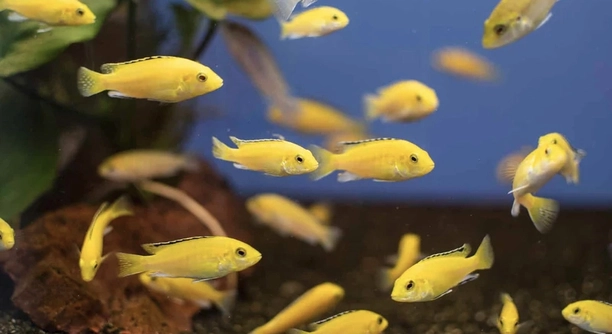
Many aquarists enjoy watching cichlids move gracefully around their tanks, but have you ever noticed the spots they favor when resting? These focal points can reveal a lot about their comfort, safety, and natural behavior patterns.
Cichlids often choose resting points based on shelter, visibility, water flow, light intensity, tank mates, substrate type, and temperature. Each factor plays a crucial role in reducing stress, maintaining security, and supporting their natural instincts while at rest.
Recognizing these resting preferences can improve tank design and fish well-being, providing a calmer, healthier environment for cichlids in any aquarium setup.
Shelter Spots in the Tank
Cichlids often seek out secure areas in their tanks where they can feel protected. Rocks, caves, and dense plants offer these shelter spots. These areas allow fish to rest without feeling exposed to threats. Even in peaceful tanks, cichlids benefit from hiding places because it reduces stress. When a cichlid chooses a sheltered area, it can rest more deeply, conserving energy and staying healthier. These spots also provide a sense of ownership within the tank. Fish may return to the same place repeatedly, showing they prefer familiar, safe locations. Providing multiple options is ideal, as it accommodates different temperaments and reduces territorial disputes. Shelter placement near moderate light and gentle water flow encourages natural behavior. Observing how your cichlids use these areas can inform adjustments, such as adding new rocks or rearranging plants to balance visibility and protection. Small changes can have a significant effect on comfort.
Providing secure spots encourages cichlids to rest more calmly and prevents unnecessary stress, leading to healthier, more stable fish.
Understanding these shelter preferences helps design a tank that respects natural behavior. By offering several hiding areas, fish can pick spots that suit their personality, tank position, and social dynamics. Rocks and plants should be arranged to allow clear paths while maintaining secluded corners. Some cichlids may prefer higher elevations, while others rest near the bottom. Placement affects water quality, as resting areas near filtration zones may feel less secure. Observing which shelters are consistently used can guide future tank improvements. Overcrowding or lack of suitable hiding spots can lead to aggression, as fish compete for secure areas. Rotating decorations or adding new caves can refresh the environment, keeping fish engaged while maintaining safety. Temperature gradients also influence resting locations, so having multiple options ensures comfort throughout the tank. Overall, creating thoughtful shelter spots supports natural instincts, stress reduction, and long-term health for cichlids.
Visibility Preferences
Cichlids tend to pick resting spots that provide a clear view of their surroundings.
Good visibility allows fish to monitor tank mates and potential disturbances while remaining relaxed. It also helps them feel confident moving between areas, maintaining social balance.
Resting in spots with visibility gives cichlids a sense of security, even when they are inactive. They can observe approaching fish without feeling threatened, which reduces sudden flight responses. These spots often have moderate lighting and are not overcrowded by decorations, allowing the fish to stay aware of both potential threats and food opportunities. Visibility also plays a role in hierarchical behavior; dominant fish prefer vantage points to assert control, while subordinate fish select areas where they can watch without direct confrontation. Observing which locations are favored for resting can inform tank layout, helping ensure that all fish have suitable options that match their behavior and comfort levels. Balancing open areas with sheltered corners creates a harmonious environment, supporting natural resting patterns.
Water Flow
Cichlids often rest in areas with gentle water flow. Strong currents can be tiring, while stagnant zones may feel unsafe. Moderate flow provides comfort, oxygenation, and a sense of security without forcing constant swimming.
Gentle water movement supports natural behavior and reduces stress. Fish often position themselves where the flow is steady but not overwhelming, allowing them to conserve energy while remaining alert. This is especially true for species that come from riverine habitats, where water is never completely still. Proper placement of filters and powerheads can create zones with varying flow, giving cichlids multiple options for resting. Observing their preferred spots can help fine-tune tank setup, ensuring resting areas are neither too turbulent nor too stagnant. Even minor adjustments, like redirecting flow or adding rocks, can make a noticeable difference in comfort.
Areas with moderate current also help prevent debris buildup around resting spots, keeping the fish clean and healthy. Fish tend to return to these zones regularly, signaling their satisfaction. Providing multiple resting zones with slight flow variations can accommodate individual preferences, especially in community tanks. Careful observation ensures that all fish have access to comfortable areas without crowding. Maintaining consistent flow encourages predictable resting patterns, supporting long-term health and natural behavior. Placement near plants or rock formations can further break currents, creating microenvironments that feel secure while allowing gentle water movement.
Light Intensity
Cichlids prefer resting spots with soft or diffused lighting rather than harsh brightness. Moderate light reduces stress and promotes calm behavior during inactive periods.
Light levels influence resting patterns and activity cycles. Fish will avoid overly bright areas and instead choose spots shaded by plants, rocks, or decorations. Gradual lighting transitions from day to night help them adjust naturally. In a well-lit tank, shaded zones can be created to mimic natural habitats, giving fish freedom to select their preferred light intensity. Consistent light conditions also support healthy circadian rhythms, improving overall behavior and immune response. Observing which areas are used for resting can guide light placement and aquarium decoration.
Providing shaded resting areas not only protects fish from excessive light but also encourages natural coloration and reduces stress. Multiple options with varying brightness allow cichlids to select spots that match their comfort. Light positioning affects how they interact with the tank, ensuring calmer social behavior during rest. Too much direct light may cause fish to hide excessively or become skittish, while balanced lighting fosters predictable patterns. Plants, rocks, and decor can diffuse illumination, creating microenvironments that simulate natural habitats. Proper light management enhances both visual appeal and fish well-being, supporting healthy, stress-free resting behavior consistently throughout the day.
Tank Mates
Cichlids choose resting spots based on the presence of other fish. They avoid areas dominated by aggressive tank mates to reduce stress and potential conflicts.
Peaceful neighbors allow cichlids to rest openly, while crowded or hostile sections push them toward sheltered corners.
Substrate Type
Cichlids often select resting spots that match their natural substrate preference. Sandy or fine gravel beds provide comfort for bottom dwellers, while rocky areas suit species that like firm footing. Substrate affects how secure and relaxed they feel, influencing energy conservation and overall well-being.
Temperature Zones
Cichlids gravitate toward areas with stable, comfortable temperatures. Warm spots encourage relaxation, while cooler zones are less frequently used during resting periods.
FAQ
Why do cichlids prefer specific resting spots?
Cichlids choose resting spots based on safety, comfort, and natural instincts. Shelter, visibility, water flow, light, and substrate all play a role in creating a secure environment. By picking familiar and comfortable spots, they reduce stress and conserve energy for daily activities like feeding and interacting.
Can the tank setup affect where cichlids rest?
Yes, tank design has a strong impact on resting behavior. Placement of rocks, caves, plants, and filters determines available hiding spots and open areas. Uneven substrate, strong currents, or overly bright lighting may push cichlids to specific zones. A well-balanced setup provides multiple options for both comfort and visibility.
Do all cichlid species have the same preferences?
Preferences vary among species. Some prefer sandy bottoms, others rocky terrain. River-dwelling species may favor gentle currents, while lake species often rest in calmer zones. Understanding the natural habitat of your cichlids helps recreate conditions that support resting behavior and overall health.
How does light intensity influence resting patterns?
Light directly affects activity cycles. Cichlids avoid harsh, bright areas during rest, choosing shaded zones instead. Gradual transitions between light and dark help maintain circadian rhythms, reducing stress and encouraging calm resting behavior. Plants and decor can provide natural shade in a tank, creating comfortable microenvironments.
Does water flow impact cichlid comfort?
Strong currents can tire fish, while stagnant water may feel unsafe. Moderate flow allows cichlids to relax without constant swimming effort. Adjusting filter output and positioning rocks or plants can create zones of gentle flow, giving multiple resting options and reducing stress for all tank inhabitants.
How do tank mates influence resting behavior?
Presence of aggressive or dominant fish can force cichlids to hide or choose less accessible spots. Peaceful neighbors encourage open resting, while crowded areas increase tension. Observing social interactions helps identify ideal resting zones and prevents stress-related health problems.
Is substrate important for resting comfort?
Yes, substrate affects both security and stability. Bottom-dwelling cichlids often prefer sand, which allows natural digging and comfortable resting. Rocky or gravel areas support species that need firm footing. Correct substrate choice ensures fish can rest naturally, reducing stress and promoting healthy behavior.
Do temperature differences in the tank affect resting locations?
Cichlids select areas with stable, comfortable temperatures. Warmer zones encourage relaxation, while cooler areas are avoided during resting. Temperature gradients in a tank can create multiple preferred spots, allowing individual fish to choose based on their comfort and activity levels.
Can observing resting behavior help improve fish care?
Absolutely. Noticing which spots are favored for rest can guide tank adjustments, such as adding shelters, adjusting light, or modifying water flow. Consistent observation ensures that all fish have access to safe, comfortable resting zones, promoting long-term health and natural behavior patterns.
How often should I adjust the tank to support resting preferences?
Adjustments should be gradual and based on observation. Frequent changes can stress cichlids. Small modifications, like adding a rock or adjusting flow, allow fish to explore new zones safely while maintaining comfort. Monitoring their responses ensures the tank meets their needs without disrupting established routines.
Do cichlids ever rest in open water?
Some species may rest in open areas if they feel secure and the tank is properly arranged. Open water resting is more common in peaceful, spacious setups with minimal aggression. Providing both open and sheltered options allows cichlids to select their preferred resting environment naturally.
Can stress affect where cichlids choose to rest?
Yes, stressed fish often hide in corners or remain in sheltered areas more than usual. Environmental stressors like overcrowding, strong currents, or poor lighting can influence resting behavior. Addressing these factors helps cichlids feel secure and maintain healthy routines.
How long do cichlids typically rest in one spot?
Resting duration varies by species, tank conditions, and individual temperament. Some fish remain in one spot for long periods, while others move between preferred zones. Observing patterns over time provides insight into comfort levels and environmental suitability.
Can adding plants improve resting behavior?
Plants provide shade, reduce currents, and create natural hiding spots. Both real and artificial plants help cichlids feel secure while resting, improving relaxation and reducing stress. Strategic placement of vegetation supports natural behavior and enhances the tank’s aesthetic simultaneously.
Is it important to offer multiple resting spots?
Yes, multiple options accommodate different temperaments, social hierarchies, and activity levels. Dominant fish may claim prime locations, so additional zones ensure all individuals can rest comfortably. Variety also prevents territorial disputes and promotes overall tank harmony.
What signs indicate a cichlid is resting comfortably?
Relaxed posture, minimal movement, and consistent use of a preferred spot indicate comfort. Fish may hover quietly near shelters or gentle currents. Avoidance of hiding in extreme corners or constantly moving signals that the environment is supportive and stress levels are low.
How can I balance all factors for optimal resting?
Consider shelter, visibility, water flow, light, substrate, temperature, and social interactions together. Small adjustments in tank layout, filtration, and decoration can create a balanced environment. Observing fish behavior regularly ensures the setup meets natural preferences and encourages healthy, consistent resting patterns.
Can resting preferences change over time?
Yes, as fish grow, interact with tank mates, or experience seasonal changes, their preferred spots may shift. Periodic observation allows adjustments to shelter, lighting, or flow to match evolving needs, ensuring ongoing comfort and reduced stress.
Does diet influence resting behavior?
Proper nutrition supports energy balance and overall health, indirectly affecting resting. Well-fed fish may rest longer and more consistently, while underfed or overfed individuals may exhibit restless or unusual patterns. Feeding schedules aligned with natural rhythms reinforce predictable resting behavior.
Are resting spots more important for certain cichlid species?
Species with territorial or shy tendencies benefit greatly from well-planned resting zones. Aggressive or dominant species may require multiple shelters to reduce conflict, while social species need safe areas for all individuals. Matching tank setup to species-specific behavior ensures comfort for everyone.
How can I track resting habits effectively?
Daily observation at different times of day is key. Note which areas are used most, how long fish rest, and how they react to light, flow, and tank mates. Maintaining a simple log helps identify patterns and guides adjustments to optimize resting conditions.
Does tank size influence resting choices?
Larger tanks provide more options, allowing fish to select areas based on comfort, light, and social dynamics. Smaller tanks require careful arrangement to create multiple zones, balancing open space with sheltered spots to support resting and reduce stress.
Can resting behavior indicate health issues?
Yes, unusual patterns such as excessive hiding, constant movement, or resting in unsafe areas may signal stress or illness. Observing resting behavior helps detect problems early, prompting timely intervention and improving overall fish welfare.
How do decorations impact resting behavior?
Rocks, caves, and plants create preferred zones by providing shelter and visual barriers. Strategic decoration placement balances visibility, water flow, and light, ensuring that resting spots meet both security and comfort needs. Adjustments can improve accessibility and encourage natural behavior.
Do cichlids prefer high or low resting spots?
Preference depends on species and temperament. Some favor elevated areas for visibility and control, while others stay near the bottom for protection. Providing a mix of levels ensures each fish can select a location that feels safe and comfortable.
Can observing resting spots improve breeding conditions?
Yes, understanding preferred resting areas can help identify suitable breeding locations. Fish that feel secure are more likely to display natural reproductive behavior. Providing multiple zones reduces stress and encourages healthy pair formation in community tanks.
Is it normal for cichlids to change resting spots frequently?
Some movement is normal, especially in response to tank activity, light changes, or social interactions. Frequent relocation can indicate discomfort, inadequate shelter, or competition. Providing multiple options helps fish settle comfortably without constant disruption.
How does water quality affect resting behavior?
Poor water conditions increase stress, causing fish to hide excessively or avoid resting. Stable parameters, regular maintenance, and proper filtration create an environment where cichlids feel safe to rest naturally, supporting overall health and activity levels.
Are resting habits different during breeding season?
Yes, breeding can alter resting behavior. Fish may claim specific shelters or increase territoriality. Observing these changes helps manage tank layout, reduce stress, and provide appropriate hiding spaces for both parents and fry.
Can observation of resting spots help new tank setups?
Yes, monitoring initial behavior guides placement of shelters, plants, and filters. Adjusting the environment based on preferred zones helps fish acclimate faster and establish comfortable resting patterns from the start.
Does noise or vibration affect where cichlids rest?
External disturbances like tapping, loud sounds, or nearby movement can push fish toward sheltered areas. Minimizing noise and vibrations ensures they feel safe and can rest consistently in preferred spots.
Is it beneficial to rotate decorations?
Occasional rearrangement can create fresh resting zones, keeping fish engaged. However, changes should be gradual to prevent stress. Observing how fish respond ensures modifications improve comfort rather than disrupt established resting habits.
How important is individual observation in a community tank?
Each fish has unique preferences. Watching individual behavior helps ensure all have access to suitable resting spots. Balancing shelter, visibility, and flow accommodates differences, reducing stress and promoting harmony among tank mates.
Can lighting schedules affect long-term resting patterns?
Consistent light cycles support predictable activity and resting behavior. Gradual transitions between day and night help maintain circadian rhythms, reducing stress and encouraging regular use of preferred resting spots. Proper lighting also enhances color and overall well-being.
Do young cichlids have different resting needs than adults?
Juveniles often require more shelter and calm zones. They are more vulnerable to aggressive tank mates and stronger currents. Providing safe, accessible resting spots supports growth and reduces stress until they reach adult size.
Can resting behavior indicate tank harmony?
Yes, consistent use of preferred spots without conflict suggests a balanced environment. Frequent hiding, aggression, or avoidance signals the need for adjustments in tank layout, decorations, or social management to maintain comfort and reduce stress.
Does observation help prevent aggression?
Monitoring resting spots can reveal territorial disputes early. Adding extra shelters, adjusting flow, or creating visual barriers can reduce tension, ensuring all fish have access to comfortable resting areas without continuous conflict.
Are artificial decorations as effective as natural ones for resting?
Artificial rocks, caves, and plants provide similar shelter and shade as natural options. They offer durability, easy cleaning, and flexibility in placement. Ensuring stability and safety makes them suitable for supporting resting behavior.
Do cichlids ever share resting spots?
Yes, peaceful species or bonded pairs may rest together. Territorial fish often claim individual zones. Providing multiple spots prevents overcrowding and supports both social and solitary resting behavior.
How can I tell if a resting spot is effective?
Regular use, calm posture, and minimal movement indicate satisfaction. Unused or avoided areas may need adjustment in flow, light, or shelter. Observing behavior ensures that all resting zones meet comfort and security needs consistently.
Does water temperature uniformity matter for resting?
Stable temperature prevents stress and encourages predictable resting behavior. Gradual gradients provide choice, while sudden fluctuations can cause fish to relocate frequently or hide excessively. Maintaining consistent temperature supports comfort and health.
Can tank depth affect resting preferences?
Yes, some species favor bottom zones for security, while others use mid or upper levels for visibility. Providing depth variety allows all fish to select comfortable locations based on species traits and personal preference.
Do resting spots influence feeding behavior?
Comfortable resting areas allow fish to conserve energy, improving alertness and response during feeding. Fish that feel secure are more likely to feed consistently and interact naturally with tank mates.
How long should I observe to understand resting habits?
Observing at different times of day over several weeks provides a clear picture. Patterns emerge gradually, showing preferred spots, duration, and social dynamics. This data helps make informed adjustments to the tank environment.
Is resting behavior linked to aggression levels?
Yes, fish that feel threatened may hide more, while confident fish rest openly. Adjusting tank layout, shelters, and flow can reduce aggression and support consistent resting behavior.
Do decorations need maintenance for effective resting spots?
Yes, clean and stable decorations maintain safety and comfort. Algae buildup, sharp edges, or instability can discourage use. Regular inspection ensures fish continue to use resting zones without risk.
Are resting patterns seasonal?
Seasonal changes in light or temperature can shift resting preferences. Adjusting conditions gradually helps maintain comfort and reduces stress, allowing fish to select appropriate spots year-round.
Does tank overcrowding affect resting?
Overcrowding limits available shelters and safe zones. Fish may hide excessively or become stressed. Providing sufficient space and multiple resting spots ensures comfort, reduces conflict, and promotes natural behavior.
Can observing resting spots help with tank rearrangement?
Yes, noting which areas are used most guides effective placement of new shelters, plants, or rocks. Strategic adjustments maintain comfort, improve visibility, and support natural resting behavior across the tank.
Do cichlids rest differently during daylight versus night?
Daylight encourages activity and alert resting, while night brings deeper, calmer rest. Providing shaded areas and stable light cycles supports both daytime vigilance and nighttime relaxation.
How does water clarity affect resting behavior?
Clear water allows fish to monitor their environment comfortably. Murky or cloudy water may increase stress, pushing cichlids to seek shelter more frequently. Maintaining water clarity supports natural resting patterns.
Do cichlids ever rest vertically?
Some species may rest at an angle or near vertical surfaces, especially in rocky habitats. This behavior reflects natural instincts and provides additional comfort options in the tank.
Are resting spots important for aging fish?
Older fish may require more sheltered or stable zones due to reduced agility. Ensuring accessible, safe areas helps maintain comfort and reduces stress, supporting longer, healthier lives.
Can resting behavior predict future territorial disputes?
Observation can reveal which areas are highly valued. Providing alternative spots can prevent aggression before conflicts escalate, ensuring all fish have safe resting zones.
Do cichlids show preference for certain caves or rocks?
Yes, they may consistently choose specific structures, reflecting a sense of security. Adjusting tank layout to reinforce favored areas enhances comfort and reduces stress.
How do I balance visibility and shelter for resting?
Providing multiple zones that combine clear lines of sight with protection ensures comfort. Fish can choose based on temperament, social hierarchy, and environmental conditions, supporting natural resting behavior.
Can resting spots influence breeding success?
Comfortable resting zones reduce stress, encourage natural behavior, and provide safe areas for egg-laying or fry protection. Thoughtful placement supports reproductive activity and overall tank harmony.
Do cichlids prefer high or low light zones when resting?
Soft, diffused lighting is generally preferred. Shaded areas reduce stress while allowing visibility, helping fish feel secure without hiding excessively.
How often should I monitor resting patterns?
Regular observation, a few times per week, is enough to identify trends. Monitoring ensures comfort, reveals environmental issues, and guides small adjustments to support healthy resting behavior.
Can resting patterns indicate water parameter issues?
Yes, sudden changes in resting spots, excessive hiding, or unusual inactivity can signal poor water quality. Monitoring behavior helps detect problems early, allowing timely corrective action.
Are certain resting spots better for social species?
Yes, spots that allow multiple fish to rest together without conflict encourage harmony. Open areas with partial shelter support group resting while maintaining safety for all individuals.
Do cichlids have favorite angles or positions within shelters?
Some may rest facing a wall, open space, or current, depending on comfort and vigilance needs. Observing preferred positions helps optimize shelter placement and tank layout.
Does seasonal lighting affect resting habits?
Gradual shifts in daylight or artificial light intensity can influence location choice. Providing shaded and open zones ensures consistent comfort regardless of seasonal changes.
How can I support shy or stressed cichlids?
Provide additional shelters, reduce strong currents, and ensure gentle lighting. Multiple resting options allow these fish to feel safe and gradually gain confidence.
Do resting patterns differ in community versus species-specific tanks?
Yes, in community tanks, fish may hide more or adjust locations due to interactions. Species-specific tanks allow more predictable resting behavior aligned with natural preferences.
Are resting preferences influenced by diet timing?
Yes, feeding schedules affect activity levels. Fish often rest more before or after meals, so consistent feeding routines support predictable resting behavior.
Can resting areas reduce aggression during feeding?
Yes, multiple resting zones allow fish to avoid conflicts while observing feeding. This reduces stress and promotes fair access to food for all individuals.
How important is observation for long-term tank health?
Regularly monitoring resting spots helps maintain balance, detect stress, and guide adjustments. Observation ensures the tank supports comfort, natural behavior, and overall fish welfare consistently.
Can resting spots be temporary or permanent favorites?
Some locations are consistently preferred, while others are seasonal or temporary. Providing variety ensures all fish have options that suit changing conditions or social dynamics.
Do cichlids use vertical space for resting?
Yes, some species rest near vertical surfaces or decorations. Vertical options increase usable space and help accommodate species with differing preferences.
How does tank noise affect resting?
Loud or frequent vibrations push fish toward sheltered areas. Minimizing disturbances allows fish to rest openly and reduces chronic stress.
Can resting patterns guide tank lighting adjustments?
Yes, observing favored zones shows if shaded areas or diffused lighting are sufficient. Adjusting light placement can improve comfort and natural behavior.
Are multiple shelters always necessary?
Yes, multiple options prevent territorial disputes and provide choices for shy or dominant fish. Variety ensures all individuals can rest safely.
Do cichlids ever rest mid-water?
Some species may hover mid-water if conditions are safe and the tank is spacious. Providing both open and sheltered zones accommodates this behavior naturally.
Can resting spots influence social hierarchy?
Preferred areas may be claimed by dominant fish, signaling control. Observing usage helps balance access and reduce conflict among tank mates.
Is it normal for fish to switch resting spots frequently?
Occasional movement is natural due to light, flow, or social changes. Persistent relocation may indicate discomfort, requiring adjustments in shelter, flow, or lighting.
Do resting spots affect coloration?
Comfortable zones reduce stress, helping fish maintain vibrant colors. Hiding excessively or resting in unsuitable areas may dull appearance over time.
Can observing resting spots predict future health issues?
Yes, unusual patterns or avoidance of certain zones can indicate stress, illness, or water quality problems, prompting early intervention.
Do resting habits change with tank size?
Yes, larger tanks allow more freedom and options. Smaller
Resting behavior is an important part of cichlid care, reflecting both comfort and overall health. Cichlids are careful about where they choose to rest, often selecting areas that offer safety, visibility, and comfort. Observing their preferred spots can give insight into how secure and content they feel in their environment. Shelter, substrate, water flow, light, and social interactions all play a role in these choices. A tank that meets these needs encourages calm, natural behavior and reduces stress, helping cichlids conserve energy for feeding, growth, and activity. Even small changes, like adding a rock or adjusting water flow, can make a noticeable difference in their comfort levels. Understanding these preferences allows for more informed decisions when designing or adjusting an aquarium.
Providing multiple resting options is essential for creating a balanced environment. Different species, or even individual fish within the same species, have unique preferences. Some may prefer elevated spots for better visibility, while others feel safer near the substrate. Peaceful fish may rest in open areas, while more timid or subordinate individuals seek out corners or caves. Tank layout should accommodate these differences, offering a mix of sheltered and visible zones. Adjusting the location of plants, rocks, and other decorations can help provide comfortable resting spots for all inhabitants. Observing where cichlids rest over time helps identify which areas are most valued and which may need improvement. By giving each fish access to a safe, comfortable resting place, stress is minimized, aggression is reduced, and natural behavior is encouraged throughout the tank.
Maintaining a suitable environment goes beyond just resting spots. Consistent water parameters, stable temperatures, proper lighting, and clean substrate all contribute to the comfort and well-being of cichlids. Even factors like water flow and tank mates influence where and how fish rest. Paying attention to these details ensures that fish can choose resting spots that meet their needs. Regular observation allows aquarists to notice changes in behavior, which can signal health issues or environmental stress. By supporting resting preferences and creating a well-planned tank, fish are more likely to display natural, calm behaviors and maintain overall health. Understanding and accommodating resting habits is a practical way to improve the daily life of cichlids, making the aquarium a more stable and harmonious environment for all species involved.

Hello,
If you enjoy the content that we create, please consider saying a "Thank You!" by leaving a tip.
Every little bit helps us continue crafting quality advice that supports the health, happiness, and well-being of pets around the world, for pets of all shapes, sizes, and species.
We really appreciate the kindness and support that you show us!