
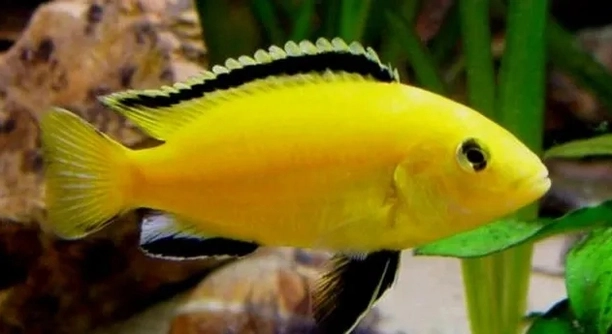
Do you enjoy keeping vibrant fish in your home aquarium and want them to thrive in the best conditions possible? Electric Yellow Cichlids are popular for their bright colors and lively personalities. Proper care ensures they remain healthy.
Electric Yellow Cichlids do not require salt in their freshwater environment under normal conditions. While small amounts of aquarium salt can be used to treat specific health issues, routine addition is unnecessary and may disrupt their natural balance.
Understanding the role of salt in their care can help you maintain a stable, healthy tank. The following guide will explain safe practices for these cichlids.
Understanding Salt Use for Electric Yellow Cichlids
Many people assume all freshwater fish benefit from salt, but Electric Yellow Cichlids are a bit different. These cichlids naturally live in Lake Malawi, which has hard, alkaline water with minimal salt content. Adding salt unnecessarily can disturb their natural environment and affect their health. Salt can help in treating certain illnesses like minor parasitic infections or fin rot, but it should never be used as a regular additive. Overuse of salt may lead to stress, dehydration, or long-term organ strain. The safest approach is to keep the water stable, clean, and within the correct pH range. Using water conditioners and maintaining proper filtration are far more effective for supporting their immune system than regular salt addition. Observing your cichlids for signs of stress or illness is the best indicator of whether intervention, including salt, is needed.
Routine salt usage is generally unnecessary for healthy Electric Yellow Cichlids.
Proper tank care, including consistent water changes and monitoring water hardness, is the key to keeping these fish thriving. Salt is only a tool for specific situations and should be used carefully. Following these guidelines ensures your cichlids remain active, vibrant, and healthy in a natural-like environment that supports their long-term well-being.
When to Use Salt in the Tank
Salt should only be added in specific situations, never as a regular treatment.
If your Electric Yellow Cichlids show signs of mild parasitic infections or minor fin damage, a small dose of aquarium salt can help reduce stress and improve healing. Salt can also be beneficial during acclimation to a new tank or when recovering from mild illness. It is important to follow exact dosing instructions and remove salt after the treatment period to avoid altering the tank chemistry permanently. Excess salt can change the water’s hardness and pH, which may harm your fish instead of helping. Careful observation is essential: only treat fish showing clear signs of illness. Using salt as a preventive measure is unnecessary and can create more problems than it solves. Water stability, proper nutrition, and attentive tank maintenance are far more important for overall fish health. Always consult a reliable aquarium guide before adding any chemicals or salt to the tank.
How to Safely Add Salt
Adding salt to your cichlid tank should be done carefully and in small amounts. Overuse can harm the fish and disrupt water balance. Always measure precisely and follow recommended dosages for the size of your aquarium.
Start by dissolving the correct amount of aquarium salt in a separate container of tank water before slowly introducing it. This helps prevent sudden changes in salinity that can stress or shock the fish. Monitor water parameters closely during treatment, including pH and hardness. Treat for only the recommended number of days, then perform a partial water change to remove excess salt and restore natural conditions.
Observe your Electric Yellow Cichlids during the treatment. Look for changes in behavior, activity level, and fin condition. Remove salt immediately if the fish show signs of distress such as rapid breathing, lethargy, or clamped fins. Salt treatment is meant to assist with minor issues, not replace proper tank care. Maintaining stable water conditions and a clean environment should always be your priority.
Alternative Methods to Support Health
Regular water changes are the most effective way to keep Electric Yellow Cichlids healthy. Changing 20-25% of the water weekly helps maintain proper chemical balance and reduces disease risk.
Providing a balanced diet rich in vitamins and proteins strengthens the fish’s immune system and overall health. High-quality cichlid pellets, occasional frozen or live foods, and supplementing with vegetables like spinach or peas can improve resilience to stress and minor infections. Maintaining a clean tank with efficient filtration prevents waste buildup that can cause illness. Observing fish behavior and appearance regularly helps detect problems early, allowing corrective action without relying on salt. Combining these practices ensures a healthier, more stable environment that supports growth, coloration, and vitality of your Electric Yellow Cichlids.
Signs Your Cichlids May Need Treatment
If you notice frayed fins, white spots, or unusual swimming patterns, your cichlids might require intervention. Stress or minor infections can be addressed with careful observation and targeted treatment.
Changes in appetite or color fading can also indicate health issues. Early detection allows you to respond promptly with water adjustments, improved diet, or short-term salt treatment when necessary.
Monitoring Water Conditions
Maintaining stable pH, hardness, and temperature is critical. Sudden changes can stress Electric Yellow Cichlids and make them more susceptible to disease. Regular testing ensures the water remains within safe ranges for their natural habitat.
Long-Term Care Tips
Avoid overstocking your tank, as crowding increases stress and disease risk. Keep a consistent feeding schedule and monitor for any unusual behaviors.
FAQ
Do Electric Yellow Cichlids need salt in their water regularly?
No, these cichlids do not require regular salt in their freshwater environment. Their natural habitat in Lake Malawi is hard and alkaline but low in salt. Routine addition of salt is unnecessary and may disrupt the tank’s chemical balance, potentially causing stress or health issues for the fish.
Can adding salt improve their coloration?
Adding salt does not enhance the natural coloration of Electric Yellow Cichlids. Vibrant colors are maintained through proper diet, clean water, and stable tank conditions. Providing high-quality cichlid pellets, occasional live or frozen foods, and vegetables supports their bright yellow hues naturally.
When should I consider using salt?
Salt can be used in targeted situations, such as minor fin rot, mild parasitic infections, or stress during acclimation to a new tank. It should always be measured carefully, dissolved in water before adding, and removed after the treatment period to avoid long-term water chemistry changes.
How do I safely add salt to the tank?
Dissolve the correct amount of aquarium salt in a separate container of tank water before slowly introducing it. Monitor the fish and water parameters, including pH and hardness. Limit treatment to a few days and perform a partial water change afterward to restore the tank’s natural conditions.
Can too much salt harm my cichlids?
Yes, overusing salt can lead to dehydration, stress, or organ strain. It can also alter water hardness and pH, creating an unstable environment. Use salt only when necessary and follow precise dosing instructions to prevent harm. Regular tank maintenance is a safer approach to overall health.
Will salt prevent disease in my cichlids?
No, routine salt use does not prevent disease. A stable tank, clean water, proper filtration, and a balanced diet are far more effective for disease prevention. Salt should only be applied in response to specific issues, not as a preventive measure.
Can salt affect other tank inhabitants?
Yes, other freshwater fish and invertebrates may react differently to salt. Some species are sensitive and can experience stress or health problems. Always research all tank inhabitants before using salt to ensure safety for every species present.
How often should I monitor water parameters?
Testing pH, hardness, and temperature weekly is recommended. Frequent monitoring helps detect small changes that could stress the cichlids. Maintaining stable water conditions reduces the likelihood of needing salt or other chemical treatments.
Are there alternatives to using salt for minor infections?
Yes, water changes, improved diet, and maintaining clean, stable conditions are more effective long-term solutions. Medicated treatments designed for freshwater fish can also be used if recommended for specific illnesses. Salt should be a short-term, situational solution.
Does salt help during transportation or acclimation?
A small amount of salt can reduce stress during transportation or acclimation. It supports osmoregulation and helps fish adjust gradually. However, it is important to remove the salt after the fish settle into their new environment to prevent chemical imbalances.
How do I know if my cichlids are stressed by salt?
Signs of stress include clamped fins, rapid breathing, lethargy, or hiding. If these appear during salt treatment, remove the salt immediately, perform a partial water change, and monitor the fish closely. Stress can weaken the immune system, making them more susceptible to illness.
Can salt be used as a routine preventive for tank problems?
No, using salt routinely is not recommended. Preventive care relies on consistent water changes, proper filtration, balanced diet, and monitoring fish behavior. Salt should be reserved for specific, short-term treatments to address minor health issues.
How long should a salt treatment last?
Salt treatments should generally last no longer than 3–7 days, depending on the issue. Always follow product instructions and observe your fish. After treatment, perform a partial water change to restore normal water chemistry and prevent long-term effects.
Is it safe to combine salt with other medications?
Some medications can react with salt, reducing effectiveness or harming fish. Always check compatibility before combining treatments. When in doubt, perform treatments separately to ensure the safety and health of your cichlids.
Can I use table salt instead of aquarium salt?
No, table salt contains additives like iodine or anti-caking agents that can be harmful to fish. Always use pure aquarium salt specifically designed for freshwater fish to avoid poisoning or water contamination.
Will salt improve breeding success?
Salt does not enhance breeding or egg viability for Electric Yellow Cichlids. Successful breeding relies on stable water conditions, proper tank setup, hiding spaces, and a balanced diet. Salt should only be used for health issues, not reproductive support.
How do I remove salt after treatment?
Perform a partial water change of 25–30% after treatment to lower salinity. Repeat if necessary to bring levels back to normal. Monitor water parameters closely to ensure a stable environment before returning the fish to routine care.
What is the best way to prevent the need for salt treatments?
Maintaining consistent water quality, proper filtration, regular feeding with balanced diets, and observing fish behavior prevents most minor health problems. Early detection of stress or disease allows for prompt action without relying on salt as a regular solution.
Can I use salt for multiple fish at once?
Yes, but ensure the tank’s total salinity is safe for all inhabitants. Avoid using salt if sensitive species are present. Measure carefully and follow proper treatment duration to prevent adverse effects on any fish in the tank.
Is there a maximum safe salt concentration for Electric Yellow Cichlids?
A concentration of 0.1–0.3% (1–3 grams per liter) is generally safe for short-term treatment. Exceeding this range can cause stress, dehydration, and organ strain. Always start with the lowest effective dose and monitor fish closely.
What should I do if salt treatment fails?
If fish do not improve, reassess water quality, diet, and tank conditions. Consider consulting a veterinarian or fish care professional. Alternative medications or treatments may be needed to address the underlying issue safely.
Can frequent small doses of salt replace proper tank maintenance?
No, frequent small doses do not substitute for consistent water changes, filtration, and balanced feeding. Salt is a temporary aid for minor issues, not a long-term maintenance solution. Regular care prevents most health problems effectively.
Do salt treatments affect breeding pairs?
Salt can temporarily stress breeding pairs if used incorrectly. Avoid salt during active breeding periods unless a specific health issue requires treatment. Maintain stable water conditions and diet to support reproduction naturally.
How do I monitor the effectiveness of salt treatment?
Observe fish behavior, fin condition, appetite, and activity. Improvement within a few days indicates success. If there is no change or symptoms worsen, stop treatment and reassess tank conditions or consult a professional.
Can I use salt in a newly set-up tank?
Only in specific situations, such as acclimating new fish or minor infections. Avoid using salt routinely in a new tank, as it can interfere with the establishment of beneficial bacteria and natural water chemistry stabilization.
Does temperature affect salt usage?
Yes, warmer water increases metabolism and stress, making fish more sensitive to salinity changes. Always consider water temperature when adding salt and monitor fish closely to prevent overexposure or stress during treatment.
Are there visual signs that salt is helping?
Improvement in fin appearance, increased activity, and normal swimming patterns indicate salt is aiding recovery. Lack of improvement or worsening symptoms suggests the treatment is ineffective or other issues need attention.
Can I reuse salt from previous treatments?
No, reuse is not recommended. Salt can accumulate impurities, debris, or residues from medications, which may harm your fish or alter water chemistry. Always use fresh, pure aquarium salt for each treatment.
How do I handle sensitive fish during salt treatment?
If sensitive species are present, isolate the affected cichlids in a separate hospital tank with carefully measured salt. This prevents stress or harm to other tank inhabitants while still treating the sick fish effectively.
Are there natural alternatives to salt for minor infections?
Yes, maintaining high water quality, using medicinal plants, and providing a nutrient-rich diet can reduce minor infections. Salt is only one method, and non-chemical approaches are often safer for long-term tank health.
How often should I review my cichlids’ health?
Daily observation is recommended. Early detection of changes in behavior, coloration, or appetite allows for quick action, reducing the need for salt or other interventions. Consistent care ensures a stable, healthy environment for Electric Yellow Cichlids.
Does salt affect the tank substrate or decorations?
Prolonged exposure to salt may cause corrosion on metal fixtures or affect certain types of rocks. Rinse and monitor decorations after treatment to prevent damage and maintain a safe environment for the fish.
Is salt effective against all freshwater diseases?
No, salt only helps with minor parasitic infections, fin rot, or mild stress. More serious bacterial or fungal infections require specific treatments. Identifying the exact issue is crucial before using salt to avoid ineffective care.
Can I combine salt treatment with heat treatment?
Some mild infections may benefit from slightly increased water temperature along with salt, but changes must be gradual. Sudden temperature shifts can stress cichlids, so monitor carefully and maintain safe ranges for their health.
How should I store aquarium salt?
Keep salt in a dry, airtight container to prevent clumping or contamination. Moisture or impurities can reduce effectiveness and introduce unwanted chemicals into your tank during treatment. Proper storage ensures consistent, safe use whenever needed.
Does salt improve water clarity?
No, salt does not clarify water. Proper filtration, regular water changes, and avoiding overfeeding are the correct methods to maintain clear, healthy water. Salt only addresses specific fish health concerns temporarily.
Can young cichlids tolerate salt?
Juvenile Electric Yellow Cichlids are more sensitive to salinity changes. Use lower concentrations and shorter treatments if needed. Close monitoring is essential to prevent stress or developmental issues in young fish.
How long after treatment should I wait before adding new fish?
Wait until water parameters return to normal and salt levels are negligible. This usually requires a partial water change and a few days of monitoring to ensure a safe environment for new inhabitants.
Can salt affect live plants in the tank?
Yes, some freshwater plants are sensitive to salt and may experience leaf damage or slowed growth. Consider removing delicate plants or using a separate hospital tank for salt treatments to protect vegetation in the main aquarium.
Are there signs that salt treatment is unnecessary?
Healthy, active fish with normal fins, appetite, and coloration do not require salt. Introducing it unnecessarily can create stress or chemical imbalances. Focus on maintaining stable water conditions rather than routine salt additions.
Is salt effective for parasites like ich?
Salt can help mild cases of ich in some freshwater fish, but it is not a guaranteed cure. Severe infestations often require specialized medications. Monitor fish closely and follow treatment instructions to ensure proper care.
Can I use sea salt instead of aquarium salt?
No, sea salt contains minerals and additives that can harm freshwater fish. Always use pure aquarium salt designed for freshwater species to ensure safety and prevent water chemistry changes.
Does salt affect filtration systems?
High concentrations of salt over time can corrode metal components in some filters. Use salt treatments only as needed and rinse equipment afterward if necessary to maintain proper function.
Can I use salt to control algae?
Salt does not control algae growth effectively. Algae management requires proper lighting, nutrient control, and regular cleaning. Salt should not be used as a substitute for proper tank maintenance.
Is salt safe for long-term use?
No, prolonged or continuous salt use can harm fish, plants, and beneficial bacteria. Salt should only be used short-term for specific health issues and removed once treatment is complete.
How does salt affect fish behavior?
Correct use of salt may reduce stress in sick or newly introduced fish. Excessive salt, however, can cause lethargy, rapid gill movement, or hiding behavior. Monitoring is essential to ensure it aids recovery rather than creating additional stress.
Can salt affect water pH?
Yes, large or repeated doses of salt can slightly alter pH. Monitor water parameters during and after treatment to maintain a stable environment for Electric Yellow Cichlids. Stable pH is more important than routine salt use for healthy fish.
Should I use salt during water changes?
No, adding salt during routine water changes is unnecessary. Focus on partial water changes, cleaning, and monitoring parameters to maintain water quality. Salt should only be used when addressing specific health concerns.
Are there risks to using salt with hard water?
Hard water reduces the effectiveness of salt slightly but does not eliminate risks. Always measure carefully and monitor fish closely, as high mineral content combined with salt can stress sensitive cichlids.
Can salt help with minor injuries from tank mates?
Salt may assist in healing small wounds by reducing the risk of infection, but it is not a substitute for proper tank care. Maintaining clean water and minimizing aggression among fish are equally important.
How do I ensure salt treatments are consistent?
Use a precise scale or measuring spoon and follow dosage guidelines based on tank volume. Record treatments to track timing and concentration, ensuring safe and effective use for every application.
Can salt replace antibiotics?
No, salt is not a substitute for antibiotics. Bacterial infections require specific medications. Salt is only effective for minor parasitic or stress-related issues and should be used accordingly.
How do I gradually acclimate fish to salt?
Dissolve the salt in water first and slowly mix treated water into the tank. This gradual introduction prevents sudden salinity changes that could stress or harm the fish.
Is there a difference between salt types for freshwater tanks?
Yes, only pure aquarium salt should be used. Table salt or sea salt may contain additives or impurities that can harm fish or alter water chemistry. Use products labeled safe for freshwater aquariums.
What if my cichlids are sensitive to salt?
Use the lowest effective concentration and shorten the treatment duration. Monitor behavior closely and perform a partial water change immediately if signs of stress appear. Sensitive individuals may require isolation in a separate hospital tank.
Does salt affect bacterial colonies in the tank?
Yes, excessive salt can harm beneficial bacteria in filters or substrate, reducing the tank’s natural ability to break down waste. Limit salt treatments and monitor water quality afterward to avoid disruption.
Can I use salt for fungal infections?
Salt may help minor fungal infections, but it is not a complete treatment. Specific antifungal medications are often more effective. Salt should be used as a supportive measure, not the primary solution.
How do I balance salt with other water conditioners?
Check compatibility before combining. Some conditioners may interact with salt, altering effectiveness or harming fish. Apply treatments sequentially if unsure, ensuring safe use of both products.
Can I use salt in a quarantine tank?
Yes, quarantine tanks are ideal for salt treatments. They isolate sick fish, prevent stress to others, and allow precise control over concentration and duration. Monitor parameters closely for the best results.
Does salt affect oxygen levels in water?
Slight increases in salinity do not significantly impact oxygen, but large doses or rapid changes can stress fish, indirectly affecting breathing. Always introduce salt gradually and monitor fish behavior.
Are there visual signs of salt overdose?
Symptoms include lethargy, rapid gill movement, clamped fins, and hiding. Immediate partial water changes and removal of salt are necessary to prevent serious health issues.
Can I use salt with live food?
Yes, but ensure live food is safe for salt exposure. Some organisms may die or carry bacteria that could affect fish health if not monitored.
Does salt affect fish growth?
Properly dosed short-term treatments do not affect growth. Chronic or excessive exposure may stress the fish and interfere with normal development, so monitor carefully.
Is salt necessary in community tanks with cichlids?
No, it is generally unnecessary. Focus on water stability, filtration, and diet to maintain health. Only use salt for specific treatments in isolated or carefully monitored situations.
Can salt prevent fin nipping?
No, fin nipping is behavioral. Adjusting tank size, hiding spots, and monitoring aggression are more effective solutions than salt treatment. Salt only addresses minor injuries after the fact.
Does salt interact with water hardness?
High water hardness slightly reduces salt’s effectiveness but does not eliminate its effects. Monitor fish closely and adjust doses carefully to avoid stress.
How often can I safely use salt?
Use sparingly for short-term treatments only. Frequent use is unnecessary and can stress fish, alter water chemistry, and disrupt beneficial bacteria. Focus on preventive care instead.
Are there long-term risks of repeated salt use?
Yes, repeated treatments can cause organ strain, stress, and water chemistry disruption. Proper tank care and diet reduce the need for salt and support long-term fish health.
Can salt treat internal parasites?
Salt may reduce stress from minor internal parasites but is not a reliable treatment. Specific medications are required for effective elimination of internal infestations.
Does salt affect breeding behavior?
High concentrations or prolonged exposure can stress breeding pairs. Avoid salt during active breeding periods unless addressing a specific health problem, as it may disrupt mating behavior.
Is it safe to use salt during molting of other invertebrates?
No, freshwater invertebrates like shrimps are highly sensitive to salt. Use a separate tank if salt treatment is required to avoid harming these species.
Can salt reduce ammonia toxicity?
Salt does not neutralize ammonia but may reduce stress slightly in fish exposed to minor fluctuations. Proper filtration and water changes are essential to control ammonia levels.
How do I measure salt for large tanks?
Use a precise scale and calculate based on total water volume. Overestimation can be harmful, while underdosing may be ineffective. Gradual introduction is key.
Can salt help with swim bladder issues?
Salt may reduce stress in mildly affected fish but does not directly treat swim bladder disorders. Stable water conditions, proper diet, and avoiding overfeeding are more effective solutions.
Is salt useful for color fading due to stress?
No, color fading should be addressed through water quality, diet, and environmental stability. Salt does not restore natural coloration in stressed fish.
Can salt treatments be done during holidays or when away?
It is not recommended. Salt treatments require monitoring. Absence during treatment risks overdosing or fish stress. Plan treatments when you can observe fish daily.
Does salt affect biofilm in the tank?
Yes, salt can reduce biofilm temporarily, but it is not a long-term solution. Proper tank cleaning and filtration are more effective for controlling biofilm growth.
Are there temperature considerations during salt treatment?
Yes, temperature affects fish metabolism and stress response. Avoid sudden changes and keep water within species-appropriate ranges during treatment.
**Can salt be combined with
Electric Yellow Cichlids are a beautiful addition to any freshwater aquarium. Their bright colors and active behavior make them enjoyable to watch. Proper care is essential to keep them healthy and vibrant. While many fishkeepers may consider adding salt to the water, it is important to understand that these cichlids do not need salt routinely. Their natural habitat in Lake Malawi is hard and alkaline but does not contain high levels of salt. Introducing salt unnecessarily can disturb their environment and create stress. The best approach is to maintain stable water conditions, a clean tank, and provide a balanced diet. Paying attention to the basics of tank maintenance will keep your fish healthy and reduce the need for chemical treatments.
Salt can be used in certain situations, but only as a short-term solution for specific issues. Minor parasitic infections, fin rot, or stress during acclimation may benefit from a carefully measured dose of aquarium salt. It is essential to follow instructions carefully and dissolve the salt in water before adding it to the tank. Treatments should be limited to a few days, and a partial water change afterward helps restore the tank to its normal balance. Observing the fish during treatment is crucial to ensure they do not show signs of stress, such as clamped fins, hiding, or rapid breathing. Salt is not a preventive measure and should never replace proper care, including regular water changes, filtration, and high-quality food. Focusing on consistent, attentive tank management is far more effective in maintaining the long-term health of your cichlids.
Long-term health of Electric Yellow Cichlids depends on maintaining a stable environment and providing proper nutrition. Water parameters like pH, hardness, and temperature should be monitored regularly. Overstocking the tank, poor filtration, and irregular feeding can all cause stress and make the fish more susceptible to disease. Providing hiding places, keeping up with partial water changes, and observing daily behavior will help you detect problems early. Diet is also important; high-quality cichlid pellets, occasional frozen or live foods, and vegetables such as spinach or peas contribute to stronger immunity and overall vitality. Salt should be reserved for temporary, situational use rather than routine care. Understanding when and how to use it, combined with consistent tank maintenance, will ensure your Electric Yellow Cichlids remain vibrant, healthy, and active in their aquarium environment for years to come.

Hello,
If you enjoy the content that we create, please consider saying a "Thank You!" by leaving a tip.
Every little bit helps us continue crafting quality advice that supports the health, happiness, and well-being of pets around the world, for pets of all shapes, sizes, and species.
We really appreciate the kindness and support that you show us!