
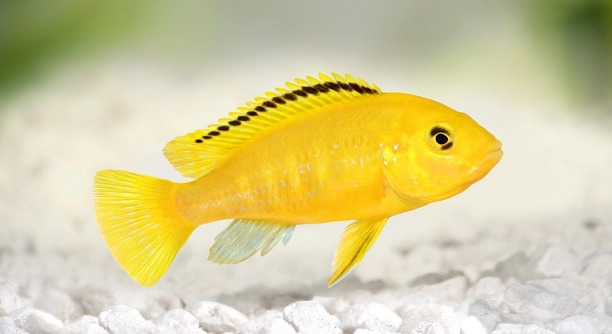
Are your electric yellow cichlids showing sudden flicking motions in their tank? This behavior can be surprising, even for experienced fish keepers. Observing these movements carefully helps identify underlying causes and ensures your fish remain healthy and comfortable.
Flicking behavior in electric yellow cichlids is often caused by environmental stress, parasites, water quality issues, improper diet, aggression from tank mates, illness, or sudden changes in habitat. Identifying the root cause is essential for maintaining their well-being and preventing further stress.
Understanding why your cichlids flick their fins can improve tank management and fish health. This guide will help you recognize common triggers and implement effective solutions.
Environmental Stress
Electric yellow cichlids are sensitive to sudden changes in their surroundings. Loud noises, constant vibrations, or frequent disturbances near the tank can cause them to flick their fins repeatedly. Crowded tanks also create stress, as these fish need enough space to swim freely. Poor lighting or inconsistent day-night cycles may disrupt their natural rhythm, making them anxious. Even the rearrangement of decorations or rocks can trigger flicking behavior, as these fish are territorial and rely on stable landmarks. Water temperature fluctuations further contribute to stress, affecting their metabolism and activity levels. Observing your tank carefully for any stressors and maintaining a calm, consistent environment can reduce these flicking behaviors. Consistent feeding times and minimal interference near the tank help them feel secure.
Maintaining a stable environment with appropriate tank size and consistent conditions can prevent flicking behavior caused by stress and ensure cichlids feel safe.
Flicking caused by environmental stress is often gradual and noticeable over time. Stress indicators include hiding, reduced appetite, or aggressive interactions with other fish. By adjusting tank decorations, avoiding sudden movements, and keeping a consistent schedule for feeding and lighting, stress levels can be minimized. Water quality, temperature, and pH must remain stable to avoid compounding stress. Providing sufficient hiding spots and open swimming areas allows cichlids to exhibit natural behaviors without feeling threatened. Observing their reactions to changes in the tank helps identify specific triggers. Addressing environmental stress not only reduces flicking but also supports overall health, boosting immunity and promoting longevity. Careful management ensures your electric yellow cichlids remain active and display natural coloration, reflecting a stable and well-maintained habitat.
Parasites
Parasites are a common reason cichlids flick their fins or rub against surfaces. Even small infestations can irritate their skin and gills, causing repeated movements.
Parasites such as protozoans, flukes, or external worms attach to the fish, leading to discomfort. Symptoms include rapid flicking, scratching against rocks or decorations, and occasional lethargy. Proper diagnosis through observation or consulting a specialist helps in selecting the correct treatment, such as medicated water or parasite-specific remedies. Quarantining affected fish prevents the spread to healthy tank mates. Maintaining clean water and avoiding contaminated live food reduces the likelihood of infestations. Treatments may involve salt baths, anti-parasitic medications, or adjusting water parameters to discourage parasite growth. Regular monitoring of all fish in the tank ensures early detection, minimizing long-term effects. By addressing parasites promptly, flicking behavior can decrease, and overall health improves. Preventive measures like proper filtration, routine cleaning, and inspecting new additions also play a critical role in keeping the tank safe and parasite-free.
Water Quality Issues
Poor water quality is a major factor causing flicking behavior in electric yellow cichlids. High ammonia, nitrite, or nitrate levels irritate their skin and gills, leading to repeated movements. Inconsistent pH or temperature can also contribute to discomfort and stress.
Maintaining stable water conditions is essential. Regular water testing ensures ammonia, nitrite, and nitrate remain at safe levels. Partial water changes help remove waste buildup and prevent toxic conditions. Temperature should remain consistent, matching the species’ natural habitat, typically around 24–28°C. Sudden pH shifts can shock the fish, so gradual adjustments are necessary if needed. Filtration systems must be adequate for tank size, removing debris and keeping the water clear. Proper aeration supports oxygen levels, which reduces stress and flicking behavior. Observing fish behavior daily allows early detection of water issues.
Water quality problems may worsen if tanks are overstocked or cleaning routines are irregular. Uneaten food and decaying plants contribute to high nitrate levels, further irritating fish. Investing in a reliable test kit, performing routine water changes, and ensuring proper filtration prevents these issues. When water parameters are kept stable, flicking reduces, and fish display healthier activity and vibrant coloration. Proper water management supports overall immune function, lowering the risk of disease and improving long-term well-being.
Improper Diet
An imbalanced diet can trigger flicking, as fish experience nutritional deficiencies or digestive discomfort. Poor-quality flakes or frozen foods may lack essential vitamins and minerals.
Feeding a varied diet is critical for electric yellow cichlids. Include high-quality pellets, occasional live or frozen foods, and plant matter for a balanced intake. Avoid overfeeding, as uneaten food can decay, worsening water quality and irritating the fish. Insufficient fiber may lead to constipation, prompting flicking or unusual movements. Rotating food types ensures all necessary nutrients are supplied. Observing the fish’s appetite and stool consistency helps identify diet-related issues. Supplementing with vitamins or high-quality protein sources supports healthy growth and reduces stress.
Consistency in diet prevents flicking caused by sudden changes or deficiencies. Introducing new foods gradually allows fish to adapt without stress. Feeding multiple small portions instead of one large meal prevents digestive upset. High-quality ingredients provide amino acids, vitamins, and minerals necessary for energy, immunity, and overall health. Diet management also supports natural coloration and activity levels. By addressing dietary imbalances and monitoring feeding habits, flicking behavior can decrease significantly, helping cichlids remain active and vibrant while minimizing stress and discomfort.
Aggression from Tank Mates
Aggression from other fish often causes electric yellow cichlids to flick their fins as a defensive reaction. Territorial disputes, especially in smaller tanks, lead to constant stress and repeated movements.
Providing enough space and hiding spots reduces conflicts. Separating aggressive individuals or keeping compatible species helps maintain peace and lowers flicking behavior.
Illness
Illness can be a significant cause of flicking. Bacterial infections, fungal growths, or viral conditions irritate the skin and fins, prompting repeated flicking movements. Prompt diagnosis and treatment are essential to prevent worsening health. Regular observation of behavior, appetite, and coloration helps detect early signs of disease. Quarantining affected fish prevents the spread, while medicated treatments target specific infections. Maintaining clean water and proper nutrition supports recovery.
Sudden Changes in Habitat
Sudden changes in water temperature, lighting, or decorations can trigger flicking behavior. Cichlids need a stable environment to feel secure and reduce stress.
Why do my electric yellow cichlids keep flicking their fins?
Flicking is usually a sign of irritation or stress. Common causes include poor water quality, parasites, aggressive tank mates, sudden environmental changes, improper diet, or illness. Observing the fish’s surroundings and daily behavior can help pinpoint the trigger.
How can I tell if flicking is due to parasites?
Parasite infestations often come with other signs, such as rubbing against rocks, rapid gill movement, or small white spots on the body. Quarantining affected fish and using anti-parasitic treatments can help manage the problem. Keeping the tank clean also prevents recurrence.
Can water quality affect flicking behavior?
Yes. High levels of ammonia, nitrites, or nitrates irritate the skin and gills. Sudden pH changes or temperature fluctuations also stress the fish. Regular testing, partial water changes, and proper filtration keep water conditions stable and reduce flicking.
What diet changes can help reduce flicking?
An imbalanced diet may cause digestive discomfort or nutrient deficiencies. Feeding high-quality pellets, frozen or live foods, and occasional plant matter provides balanced nutrition. Avoid overfeeding, and introduce new foods gradually to prevent stress. Supplements can support growth, immunity, and fin health.
Does tank size influence flicking behavior?
Yes. Overcrowded tanks lead to stress and territorial disputes. Providing sufficient space, hiding spots, and compatible species reduces aggression and allows cichlids to swim freely without frequent flicking. Adjusting stocking density is essential for a stable environment.
Can flicking indicate illness?
Certain illnesses, like bacterial or fungal infections, irritate the fins and skin, causing flicking. Watch for color changes, lethargy, or loss of appetite. Early diagnosis and treatment with appropriate medications improve recovery chances. Quarantining sick fish prevents spread to healthy tank mates.
How do sudden environmental changes affect flicking?
Electric yellow cichlids are sensitive to changes in temperature, lighting, or tank decorations. Moving rocks, adding new plants, or altering water parameters abruptly can trigger flicking. Gradual adjustments and stable conditions help maintain calm behavior.
Is flicking always a problem?
Not always. Occasional flicking can be normal during feeding or brief interactions. Persistent or intense flicking usually indicates stress, irritation, or health issues that need attention. Monitoring patterns helps distinguish normal activity from concerning behavior.
Can I prevent flicking behavior?
Prevention focuses on maintaining stable water conditions, a balanced diet, adequate tank space, and minimal disturbances. Quarantining new fish, monitoring for parasites, and providing hiding spots reduce stressors. Consistent routines for feeding and lighting help cichlids feel secure.
When should I consult a specialist?
If flicking persists despite improving water quality, adjusting diet, and managing tank conditions, it is best to consult an aquatic veterinarian or experienced fish keeper. Persistent flicking can indicate underlying illness or environmental issues that require professional guidance.
How long does it take for flicking behavior to improve?
Improvement depends on the cause. Water quality adjustments or dietary changes may show results within days. Parasite treatment or illness recovery can take longer, sometimes weeks. Regular observation ensures that interventions are effective and fish health is restored.
Are there any long-term effects of constant flicking?
Persistent flicking increases stress, which can weaken the immune system and reduce lifespan. Chronic irritation may damage fins or scales. Addressing the underlying cause promptly helps maintain overall health, coloration, and activity levels in electric yellow cichlids.
Can flicking affect other fish in the tank?
Yes. Stress from flicking or aggressive behavior can impact tank mates. It may provoke disputes or increase susceptibility to illness. Ensuring a balanced, peaceful environment benefits all fish and prevents the spread of stress-related behaviors.
What equipment helps reduce flicking caused by stress?
Adequate filtration, aeration, and stable heaters help maintain optimal water conditions. Hiding spots and smooth decorations prevent injury and territorial stress. Lighting that mimics natural cycles reduces sudden stress reactions and encourages normal behavior.
Are there specific signs to watch for besides flicking?
Look for rubbing against surfaces, rapid gill movement, lethargy, loss of appetite, color fading, or clamped fins. These signs, combined with flicking, often indicate parasites, illness, or stress. Prompt attention prevents worsening health and reduces ongoing discomfort.
Electric yellow cichlids are lively and colorful fish, but their flicking behavior can signal discomfort or stress. Observing flicking carefully is important to maintain their health. This behavior can result from multiple factors, including environmental stress, parasites, poor water quality, improper diet, aggression from tank mates, illness, or sudden changes in habitat. Each of these factors affects the fish in different ways, and addressing them promptly helps ensure a calm and healthy tank environment. Monitoring daily activity, feeding patterns, and interactions with other fish provides insight into their well-being.
Maintaining stable water conditions is one of the most effective ways to prevent flicking. Regular testing of ammonia, nitrite, nitrate, and pH levels keeps the environment safe. Temperature should remain consistent, and sudden changes should be avoided. Proper filtration and aeration improve water quality and reduce stress. Providing sufficient space, hiding spots, and compatible tank mates helps prevent aggression and territorial disputes. A balanced diet is equally important, including high-quality pellets, occasional live or frozen foods, and plant matter. Overfeeding or abrupt changes in diet can lead to digestive discomfort, which contributes to flicking behavior. Observing the fish’s response to changes in the tank and feeding schedule allows for early detection of potential issues.
Parasites and illness are also common causes of flicking. Even minor infestations or infections can irritate the skin and gills, leading to repeated flicking. Quarantining new or affected fish and using appropriate treatments help manage these problems. Prompt attention prevents the spread of disease to healthy tank mates and supports recovery. Overall, flicking behavior should never be ignored, as it reflects the fish’s physical and environmental condition. By maintaining proper water quality, providing a suitable diet, ensuring a stress-free environment, and monitoring health regularly, electric yellow cichlids can thrive. Understanding their needs and responding to their behavior promotes long-term health, vibrant coloration, and a peaceful, active aquarium.

Hello,
If you enjoy the content that we create, please consider saying a "Thank You!" by leaving a tip.
Every little bit helps us continue crafting quality advice that supports the health, happiness, and well-being of pets around the world, for pets of all shapes, sizes, and species.
We really appreciate the kindness and support that you show us!