
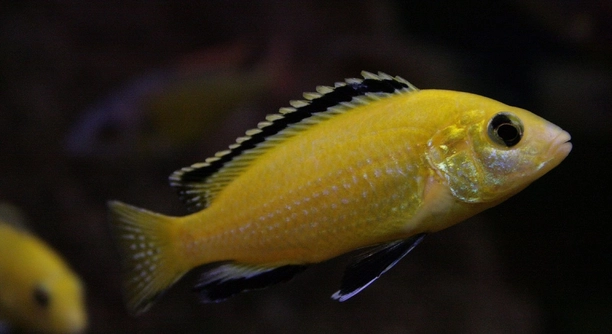
Have you ever noticed how quickly cichlids change their behavior when new fish join the tank or their environment shifts? These changes often reveal the complex social world of these vibrant, territorial fish. Watching them can be surprising.
Cichlid social status can be reset by specific events such as the introduction of new fish, changes in tank structure, breeding cycles, aggression encounters, food distribution, illness, or environmental stressors. Each factor can alter dominance hierarchies within the group.
Understanding these triggers can help you manage your tank more effectively and maintain harmony among your cichlids. Observing their interactions reveals more than just typical fish behavior.
Introduction of New Fish
Adding a new cichlid to an established tank immediately changes the dynamics. Even if the newcomer is smaller or less aggressive, existing fish may become more territorial. They will chase, display, or even isolate the new fish to reassert dominance. It’s important to monitor these interactions closely. Over time, most cichlids will settle into a new hierarchy, but temporary stress and aggression are common. Providing hiding spots and visual barriers can reduce tension. I have seen my own tank become chaotic for a few days after introducing a single fish, and it required patience to restore balance. Observing subtle behaviors like color changes, fin flaring, or chasing patterns can give insight into the pecking order. Some cichlids are naturally more adaptable, while others resist change for longer periods. Proper acclimation, careful selection of compatible species, and managing tank space can help reduce the intensity of these resets and allow fish to establish new roles without injury.
Temporary disruptions are normal and usually resolve within a week.
Cichlids adjust their positions based on size, temperament, and familiarity. The established hierarchy reshapes, often with clear winners and losers. Patience and observation are key to ensuring safety.
Changes in Tank Structure
Rearranging rocks, plants, or decorations may seem minor, but cichlids notice. They rely on specific territories and landmarks to feel secure.
When tank structures change, fish lose familiar boundaries, prompting displays of dominance or increased aggression. Territories must be reestablished, and dominant fish may reclaim preferred spots. Smaller or submissive fish may hide more frequently or move to new corners. Even adding new caves or removing driftwood can shift balance. I’ve watched shy fish suddenly gain confidence when a rock formation created a new hiding place, while a previously dominant fish struggled to assert control over its usual area. These small environmental changes encourage the cichlids to reassess their positions, sometimes leading to temporary skirmishes or shifts in feeding order. Observing these behaviors can help predict which fish are likely to take control and which will submit. Maintaining a mix of open swimming areas and secure hiding spots helps reduce prolonged stress while allowing the social hierarchy to reset naturally. Consistency in water conditions and minimal sudden changes also supports smoother transitions.
Tank rearrangements force fish to adapt quickly and often lead to temporary changes in behavior.
Environmental shifts can dramatically influence cichlid interactions. Fish reestablish territories, compete for prime locations, and adjust dominance. Providing adequate hiding spots, observing aggressive behaviors, and keeping conditions stable ensures that these resets occur safely while maintaining overall tank balance.
Breeding Behavior
Breeding triggers strong dominance shifts. Males become aggressive to protect mates and territory. Subordinate fish often retreat or show submissive behaviors.
During breeding, cichlids display vivid colors and increased aggression. Males chase rivals, guard eggs, and defend nesting areas. Females may also act territorial, especially near eggs or fry. These behaviors temporarily reset social hierarchies, with dominant fish asserting control. I’ve noticed that even previously bold fish can become cautious when a dominant pair claims a nesting site. Observing this period helps understand natural social structures. Conflicts usually settle once fry are free-swimming, but dominance can shift again if other events, like food competition or tank changes, occur. Maintaining adequate space and hiding areas reduces stress during this critical period.
Breeding causes a temporary but noticeable reordering of social ranks.
Territorial disputes during breeding are intense. Fish protect eggs, chase competitors, and display dominance, often altering feeding patterns and tank interactions.
Illness or Injury
Illness often changes a cichlid’s standing. Sick fish may be chased or ignored, losing rank.
When a fish becomes ill or injured, it cannot defend its territory or compete for resources effectively. Dominant fish may take advantage, moving into vacated areas or claiming food first. I’ve seen once-dominant fish quickly fall in hierarchy after even a minor injury. Submissive fish may take cautious opportunities to explore or occupy new territories. Stress from illness affects behavior, and social dynamics shift until recovery or removal of the affected fish. Ensuring proper treatment, isolation if necessary, and careful observation helps prevent permanent disruptions. Tank mates eventually readjust, with ranks stabilizing over time as the affected fish recovers or the situation resolves naturally.
Health issues can temporarily reshape dominance and influence feeding and social interactions.
Monitoring illness impact helps maintain balance. Rapid response, treatment, and careful observation reduce prolonged hierarchy disruptions and protect weaker fish from sustained aggression.
Aggression Encounters
Aggressive interactions can quickly shift social status. Even brief fights can establish or challenge dominance, affecting the entire group.
Minor skirmishes often determine which fish control prime territories or access to food. I’ve observed that even small displays, like fin flaring or chasing, can reorder ranks without serious injury.
Food Competition
Competition for food is a key factor in social resets. Fish that eat first often gain confidence, while others submit. Dominant fish usually assert priority, but shifts occur when smaller fish find openings. Observing feeding order reveals subtle changes in hierarchy over time, and minor adjustments can help maintain fairness.
Environmental Stress
Sudden changes in water temperature, chemistry, or lighting impact social dynamics. Stress can reduce activity, make dominant fish less aggressive, and allow previously submissive fish to gain ground.
How often do cichlid social hierarchies change?
Cichlid social hierarchies can shift frequently, depending on the tank environment, population, and individual personalities. Some tanks remain stable for weeks or months, while others experience daily adjustments. Even small events, like rearranging rocks or adding a new hiding spot, can prompt minor changes. I’ve seen tanks where a single new fish caused nearly every rank to shift within hours. Dominant fish may lose ground temporarily, while submissive fish explore new territories or feeding spots. Observing these shifts helps understand which fish are naturally assertive and which are more adaptable. Regular monitoring is key to preventing prolonged stress and ensuring a balanced community.
What is the best way to introduce a new fish?
Introducing a new cichlid carefully reduces aggression and social disruption. Quarantine the new fish for a few weeks to prevent disease spread. Use a separate tank or floating divider initially, allowing visual contact without physical interaction. Gradually allow interaction while observing behaviors like chasing, fin flaring, and hiding. I typically rearrange tank decorations before full introduction so no fish has a pre-established advantage in territory. Providing multiple hiding spots helps reduce stress and gives submissive fish space to avoid conflict. Patience is essential, as dominant fish often test limits before the hierarchy stabilizes. Frequent observation and controlled feeding can smooth the adjustment period and prevent injuries.
How does breeding affect social status?
Breeding dramatically impacts hierarchy. Males become territorial and aggressive, defending mates, eggs, and fry. Subordinate fish retreat or adopt submissive behaviors. Females also act defensively, especially near eggs. I’ve seen previously dominant males become cautious when a pair claims a nesting site. Breeding temporarily resets ranks until fry become free-swimming. Tank size and hiding spots influence how smoothly this adjustment occurs. Fish that fail to assert dominance during breeding may remain lower in rank until another opportunity arises. Observing breeding periods helps predict future social arrangements and ensures safety for all fish during these intense interactions.
Can illness permanently change a fish’s rank?
Illness or injury often temporarily lowers a fish’s social status. Sick fish cannot defend territory or compete for food effectively. I’ve noticed once-dominant fish quickly fall in rank after minor injuries. Recovery usually allows the fish to regain some position, but repeated illness or prolonged weakness may prevent full restoration. Submissive fish may take advantage of this shift to gain confidence and claim resources. Proper treatment, isolation if necessary, and minimizing stress from other tank mates are crucial for a smooth recovery. Observing social changes during illness provides insight into dominance flexibility and helps maintain tank balance.
How does tank rearrangement affect cichlids?
Rearranging rocks, plants, or hiding spots forces fish to reassess territory. Dominant fish may lose preferred areas, while others explore or claim new spots. Even minor changes, like moving a single cave, can prompt displays of aggression or submission. I’ve seen shy fish gain confidence when new hiding places appear, while dominant fish struggle temporarily to maintain control. These environmental changes often trigger short-term hierarchy resets. Providing multiple open and protected areas reduces prolonged conflict. Consistency in water parameters and careful planning of rearrangements ensures smooth adaptation and minimizes stress for all fish.
Do smaller fish ever rise in rank?
Smaller fish can rise in rank if dominant fish are weakened by age, illness, or stress. They may exploit gaps during feeding, breeding, or territorial disputes. I’ve observed timid fish slowly assert themselves when dominant individuals are distracted or recovering. Environmental enrichment and hiding spaces give smaller fish opportunities to move freely without immediate retaliation. Rank changes among smaller fish tend to be gradual, but over time, they can gain access to better territories and feeding spots. Observing these shifts provides valuable insight into social flexibility and natural behavioral strategies among cichlids.
How long does it take for social status to stabilize?
Social hierarchies usually stabilize within days to weeks after major events like new fish introduction, breeding, or tank rearrangements. Minor shifts continue but are less intense. I’ve noticed full recovery from a temporary hierarchy reset often takes about one to two weeks, depending on tank size and population density. Providing stable water conditions, hiding spaces, and regular feeding supports faster stabilization. Patience and careful observation ensure the dominant fish maintain natural roles while weaker fish adapt safely. Understanding this timeline helps reduce stress and promotes harmony within the tank.
Can multiple events reset hierarchy simultaneously?
Yes, combined events like illness, food changes, and new fish introduction can create significant upheaval. I’ve seen tanks where a single week of multiple disruptions led to nearly complete rank reshuffling. Observing interactions closely during such times is essential to prevent injuries and ensure all fish adapt safely. Managing environmental factors and spacing out changes helps minimize stress.
Are some cichlids more adaptable than others?
Certain species and individual fish handle social changes more easily. I’ve noticed that naturally less aggressive cichlids adjust faster to new tankmates, rearrangements, or feeding competition. Conversely, highly territorial species resist change longer, often requiring more hiding spaces and careful introductions. Adaptability varies within the same species, highlighting the importance of observing personality and behavior. Environmental consistency and proper tank management support smoother hierarchy adjustments.
Does food availability influence dominance?
Yes, access to food strongly impacts social status. Dominant fish usually eat first, asserting control over resources. I’ve observed smaller or submissive fish gain confidence when food is abundant or distributed in multiple areas. Adjusting feeding methods, such as scattering pellets or providing target feeding, can reduce tension and allow all fish to maintain health while preserving hierarchy.
What signs indicate a hierarchy reset is happening?
Signs include chasing, fin flaring, color changes, hiding, and changes in feeding order. I often watch subtle shifts, like a previously submissive fish exploring more or a dominant fish losing control over territory. Temporary stress behaviors are common but usually resolve once ranks stabilize.
Can hierarchy resets be prevented entirely?
Hierarchy resets cannot be fully prevented, as they are natural. However, careful management of tank introductions, breeding, feeding, and environment reduces intensity. I focus on providing hiding spots, monitoring health, and spacing out events to minimize disruption while allowing natural social behaviors to occur.
How can I support weaker fish during resets?
Provide plenty of hiding spaces, multiple feeding points, and maintain stable water conditions. I make sure submissive fish can retreat safely without losing access to food or shelter. Observation and quick response to aggression help prevent injuries and support recovery of social balance.
Are hierarchy resets stressful for all fish?
Resets are more stressful for subordinate and injured fish. Dominant fish experience short-term stress when defending territory or competing for resources. I’ve noticed that stress levels normalize once ranks settle, provided environmental conditions remain stable and aggression is controlled.
Do hierarchy changes affect breeding success?
Yes, shifts in dominance can delay or disrupt breeding. I’ve seen subordinate fish gain or lose opportunities based on hierarchy adjustments. Ensuring adequate space and hiding spots supports both breeding pairs and weaker fish, reducing conflict during sensitive periods.
Can hierarchy resets teach us about cichlid behavior?
Observing hierarchy changes offers insight into natural behaviors, social strategies, and adaptability. I often study interactions to better manage my tank and predict how future changes might affect rankings. These resets highlight the complex social intelligence of cichlids in captivity.
How should I react if a dominant fish becomes aggressive?
Monitor aggression and ensure affected fish have hiding places. I occasionally separate overly aggressive individuals temporarily to prevent injury. Controlling tank conditions, feeding distribution, and monitoring interactions helps maintain a safer environment while the hierarchy stabilizes naturally.
Is it normal for ranks to change multiple times?
Yes, ranks can fluctuate repeatedly, especially in active or densely populated tanks. I’ve seen daily adjustments following feeding, introductions, or environmental changes. Regular observation ensures the changes remain non-destructive and fish health is preserved.
How important is tank size in hierarchy stability?
Larger tanks reduce conflict by providing more territory and hiding spots. I’ve noticed that small tanks intensify aggression and accelerate status resets. Adequate space allows natural social behaviors and smoother transitions during hierarchy changes.
Can environmental enrichment reduce stress during resets?
Yes, adding rocks, plants, and caves helps fish cope with social shifts. I often use enrichment to give submissive fish safe areas, which reduces stress and allows natural hierarchy adjustments without prolonged aggression.
Do dominant fish always remain dominant?
Not always. Age, illness, or environmental changes can lower a dominant fish’s rank. I’ve seen previously dominant males become subordinate temporarily during stress or breeding events. Monitoring these shifts ensures the tank remains balanced.
Is observation enough to maintain hierarchy?
Observation is critical but not always sufficient. I combine monitoring with proper tank management, feeding strategies, and environmental control to support healthy social dynamics. Watching fish behavior daily allows quick responses to prevent injury and stress.
Can hierarchy resets affect long-term behavior?
Yes, repeated resets may alter confidence, feeding habits, or territorial tendencies. I’ve noticed fish that repeatedly lose rank become more cautious, while others gain boldness after taking advantage of openings. Understanding these patterns helps anticipate behavior and maintain tank harmony.
What role does personality play in hierarchy?
Individual personality heavily influences outcomes. Bold or aggressive fish tend to climb ranks faster, while shy fish may avoid conflict but adapt gradually. I watch each fish’s behavior to predict how events will affect social structure and ensure weaker fish remain safe.
How can I minimize injuries during resets?
Provide hiding spots, multiple feeding areas, and monitor interactions closely. I intervene only when necessary, as most resets resolve naturally. Quick action prevents serious injuries while allowing natural hierarchy adjustments.
Do all cichlids react the same way to hierarchy changes?
No, reactions vary by species and individual. Some tolerate new fish or environmental changes better, while others resist any disruption. I adjust tank management based on species temperament to reduce prolonged stress.
Can hierarchy resets affect health?
Stress from resets can temporarily impact appetite or immunity. I’ve observed minor weight loss in subordinate fish during intense shifts. Maintaining stable water conditions, adequate food, and hiding spots helps reduce negative health effects.
How long should I monitor after major changes?
Observe daily for at least one to two weeks after new fish introduction, breeding, illness, or tank rearrangement. I keep notes on aggression, feeding order, and territory use to ensure hierarchy stabilizes safely.
Are hierarchy resets more common in certain species?
Yes, highly territorial or social species experience more frequent resets. I notice more activity in African cichlids compared to peaceful species. Understanding species tendencies helps anticipate social changes.
Can environmental consistency reduce frequency of resets?
Maintaining stable temperature, pH, and lighting reduces unnecessary stress, helping fish focus on natural social interactions rather than coping with constant environmental change. I prioritize stability to keep ranks predictable.
Is it normal for hierarchy resets to repeat after weeks?
Yes, new events like breeding, illness, or rearrangements can trigger repeated resets. I consider these normal, as social dynamics are fluid and ongoing in a healthy tank.
How does tank population density affect hierarchy?
Higher density increases competition, causing more frequent status shifts. I find that slightly lower populations allow smoother transitions and fewer injuries during resets. Proper planning prevents chronic stress and maintains balance.
What immediate actions help after a hierarchy reset?
Ensure hiding spots, scattered food, and stable conditions. I intervene only if aggression becomes harmful. These steps help fish settle naturally while preventing injuries and long-term stress.
Can subordinate fish recover after repeated losses?
Yes, subordinate fish can regain confidence and status over time. I’ve observed shy fish gradually asserting themselves when dominant fish are distracted or weakened, showing social flexibility in cichlids.
Do hierarchy resets influence future breeding?
Temporary shifts can delay breeding or affect mate selection. I provide adequate space and stable conditions to support breeding pairs while weaker fish adapt safely.
Are visual barriers useful during resets?
Yes, barriers like rocks or plants reduce line-of-sight conflicts, giving stressed fish a break. I often place these strategically to minimize aggression and allow ranks to settle naturally.
How important is patience during hierarchy resets?
Patience is critical. I’ve learned that forcing resolution can worsen stress. Observing, managing the environment, and allowing natural interactions help maintain long-term tank harmony.
Can hierarchy resets be completely stress-free?
No, some stress is inevitable. Careful management, hiding spots, and proper feeding reduce it, but minor tension is part of normal social adjustment. I focus on minimizing harm rather than eliminating stress entirely.
How do I know when the hierarchy is stable again?
Stable behavior includes fewer chases, reduced flaring, and consistent feeding order. I watch interactions closely and note when fish resume normal patterns, signaling hierarchy has settled.
Does age affect dominance?
Older, larger, or more experienced fish tend to maintain or regain dominance more easily. I’ve noticed younger fish sometimes rise in rank temporarily, but age often dictates long-term control.
Can hierarchy resets impact tank harmony long-term?
Yes, repeated intense resets can alter confidence and behavior, but with proper management, fish usually adapt. I ensure hiding spots, food distribution, and environmental consistency to maintain overall balance.
Are some resets predictable?
Yes, new introductions, breeding, illness, and tank changes almost always cause shifts. I prepare the tank and observe carefully during these predictable events to reduce stress.
How do I manage multiple resets at once?
Space out changes, provide hiding spots, and maintain feeding routines. I prioritize observation and intervene only if aggression threatens safety. This approach allows ranks to adjust naturally while reducing injury risk.
Do hierarchy resets affect feeding behavior permanently?
Usually temporarily. Fish may eat more cautiously or aggressively depending on recent interactions. I adjust feeding practices during and after resets to maintain health and reduce conflict.
Can enrichment prevent all aggressive behavior during resets?
Not entirely, but enrichment reduces stress and provides alternatives for exploration and hiding. I often add plants, rocks, and caves to give fish options during tense periods.
Is it normal for dominant fish to become submissive temporarily?
Yes, temporary reversals happen during illness, breeding, or environmental changes. I’ve seen dominant fish retreat while maintaining long-term rank once conditions normalize.
How do I track subtle social changes?
Watch color changes, chasing patterns, hiding, and feeding order. I keep notes on interactions, helping identify trends before serious conflicts occur.
Do hierarchy resets affect juvenile fish differently?
Yes, juveniles are often more cautious, learning boundaries from older fish. I provide extra hiding areas to support safe exploration and gradual rank establishment.
Can water quality influence hierarchy resets?
Poor water conditions increase stress, making fish more aggressive or withdrawn. I maintain stable parameters to reduce unnecessary disruptions during hierarchy shifts.
Are visual observations enough to understand resets?
Yes, careful observation reveals rank changes, aggression, and submission. I combine visual monitoring with environmental control for effective management.
Can sudden light changes trigger resets?
Yes, abrupt lighting shifts can cause confusion and aggression. I gradually adjust lighting and maintain a consistent day-night cycle to minimize stress.
Do resets always involve physical fights?
No, many involve displays like fin flaring, chasing, or color changes without actual injury. I intervene only when aggression becomes harmful.
How do I help fish regain confidence after a reset?
Provide safe spaces, stable conditions, and multiple feeding areas. I let fish explore at their own pace while ensuring dominant fish do not monopolize resources.
Can resets affect breeding timing?
Yes, social instability may delay mating. I maintain adequate space, hiding spots, and minimal stress to support breeding pairs.
Do environmental enrichments change social rank outcomes?
Yes, adding caves, plants, and rocks can shift opportunities for subordinate fish to assert themselves. I place these strategically to balance dominance and reduce aggression.
Are hierarchy resets predictable by behavior cues?
Often, yes. Increased chasing, flaring, or hiding signals upcoming shifts. I monitor these cues to prepare and manage tank dynamics effectively.
Do resets affect all fish equally?
No, dominant and subordinate fish experience different stress levels. Submissive fish face more risk but can gain opportunities, while dominant fish may temporarily lose control. I balance conditions to protect weaker fish.
How do I prevent serious injury during resets?
Provide hiding spots, scatter food, and monitor aggression. I intervene selectively only when needed, allowing natural hierarchy adjustments while minimizing harm.
Can social rank affect overall health?
Yes, chronic stress in subordinate fish may reduce appetite or immunity. I focus on tank stability, adequate food, and hiding areas to support overall health.
Do resets end naturally without intervention?
Usually, yes. I only intervene for safety. Most rank shifts stabilize on their own with proper tank conditions and monitoring.
Can hierarchy resets teach me about fish behavior?
Absolutely. Observing rank changes provides insight into dominance, social strategies, adaptability, and natural instincts. I use these observations to manage tanks effectively and anticipate future interactions.
How often should I check the tank during resets?
Daily observation is ideal. I watch for aggression, feeding patterns, and hiding behaviors to ensure hierarchy stabilizes safely without prolonged stress.
Are resets more intense in crowded tanks?
Yes, higher density increases competition and aggression. I maintain adequate space to allow smoother transitions and minimize injury during status shifts.
Do resets ever stabilize completely?
Yes, but minor adjustments continue as fish adapt to small changes. I consider stabilization achieved when aggression, chasing, and hiding decrease consistently.
Can I predict which fish will dominate?
Generally, larger, bolder, and experienced fish tend to dominate. I observe personality and behavior to anticipate outcomes during hierarchy resets.
Do resets affect tank harmony long-term?
Repeated intense resets may influence confidence and behavior, but careful management ensures overall tank balance is maintained. I focus on stability, hiding spots, and feeding routines to minimize long-term stress.
Are hierarchy resets stressful for me as an owner?
They can be, as watching aggression is worrying. I’ve learned patience and observation are key, allowing natural adjustments while maintaining a safe environment for all fish.
How can I make resets easier to handle?
Provide hiding spots, multiple feeding areas, stable conditions, and observe closely. I intervene selectively and give fish space to reestablish ranks naturally, reducing stress for both fish and owner.
Can hierarchy resets lead to permanent behavior changes?
Sometimes. Fish that repeatedly lose rank may become more cautious, while successful opportunists gain confidence. I monitor these changes to anticipate future dynamics.
Do resets affect feeding hierarchy?
Yes, dominant fish usually eat first, and temporary shifts can alter access to food. I adjust feeding strategies to ensure all fish remain healthy during and after resets.
Are all cichlid species equally prone to resets?
No, territorial and social species experience more frequent and intense resets. I consider species behavior when planning tank setup and introductions.
Do visual barriers help during resets?
Yes, rocks, plants, and caves reduce aggression and give stressed fish safe retreat areas. I place these strategically to support natural hierarchy adjustments.
Cichlid social hierarchies are a natural and ongoing part of life in an aquarium. Fish interact constantly, testing boundaries, asserting dominance, and responding to changes in their environment. Events like adding new fish, rearranging tank decorations, illness, breeding, or competition for food all influence which fish hold higher rank and which adopt a more submissive role. Observing these interactions closely can give insight into each fish’s personality and behavior. Some fish are bold and assertive, quickly claiming territory or feeding spots, while others are shy and cautious, taking advantage of opportunities only when conditions feel safe. Understanding these natural dynamics allows you to manage your tank more effectively and helps maintain harmony among the fish. It also helps prevent unnecessary stress or injuries caused by unchecked aggression.
Creating a supportive environment is key to helping cichlids adjust during periods of social change. Providing multiple hiding spots, caves, and plants allows submissive fish to retreat and reduces conflict among dominant individuals. Feeding strategies can also influence hierarchy, as scattering food or providing multiple feeding points ensures all fish can eat without intense competition. Stable water conditions and a consistent lighting schedule are equally important because sudden environmental changes can intensify aggression or cause stress. I have noticed in my own tank that even minor adjustments, such as moving a single rock or changing a decoration, can temporarily upset the social order. Over time, the fish usually adapt and reestablish a balance, but patience and careful observation are crucial. A calm approach allows fish to recover from temporary disruptions and gradually resume normal behavior, keeping the tank environment healthy and predictable.
Finally, it is important to recognize that social status in cichlids is fluid. Even after a hierarchy stabilizes, events such as illness, growth, breeding, or further environmental changes can trigger new shifts in dominance. Submissive fish may gain confidence, dominant fish may lose rank temporarily, and the tank as a whole will continuously adapt to these changes. Watching these adjustments can be both fascinating and informative, providing insight into the intelligence and adaptability of cichlids. While hierarchy resets may seem disruptive at first, they are a natural part of fish life and help maintain a balanced community over time. By observing behavior, providing a stable and enriched environment, and allowing natural interactions to occur, you can ensure the long-term health and well-being of all the fish in your aquarium. In this way, cichlids demonstrate not only their social complexity but also the importance of careful tank management and thoughtful observation.

Hello,
If you enjoy the content that we create, please consider saying a "Thank You!" by leaving a tip.
Every little bit helps us continue crafting quality advice that supports the health, happiness, and well-being of pets around the world, for pets of all shapes, sizes, and species.
We really appreciate the kindness and support that you show us!