
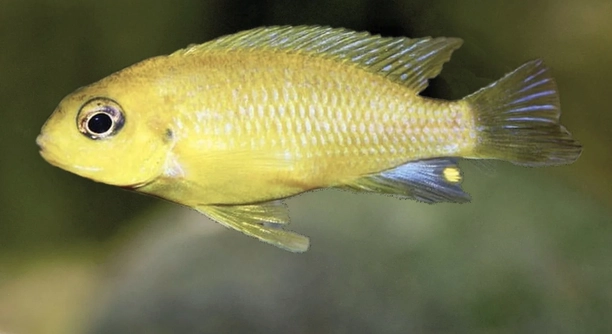
Electric yellow cichlids are vibrant and active fish that often catch the attention of aquarists. Their bright color and lively behavior make them a favorite for freshwater tanks. Observing their actions can reveal interesting habits.
Electric yellow cichlids use their mouths for various essential activities, including feeding, cleaning their territory, building nests, showing dominance, interacting socially, defending themselves, and exploring objects. These behaviors are crucial for survival and maintaining social structure within their environment.
Learning about these mouth behaviors provides insight into their natural instincts. By understanding these actions, you can better care for them and create a more engaging environment in your aquarium.
Feeding with Precision
Electric yellow cichlids use their mouths to capture and consume food. They often pick at flakes, pellets, or live food, carefully selecting pieces that suit their appetite. Their small, agile mouths allow them to grab food quickly, and their teeth help break down larger items. Observing how they feed can reveal their preferences and help you provide a balanced diet. In group tanks, feeding can also show social hierarchy, as dominant fish may eat first while others wait. Over time, you may notice each fish developing a routine or favorite feeding spot. This behavior ensures they get enough nutrients to stay healthy and maintain their bright coloration. Feeding also stimulates activity and interaction, keeping them active and alert. By paying attention to how your cichlids eat, you can adjust feeding amounts and schedules, preventing overfeeding and maintaining clean tank conditions. Watching their feeding patterns can be surprisingly informative about their overall health and well-being.
Feeding behaviors are not just functional; they indicate health. Observing appetite and technique can help identify potential issues early.
Regular observation during feeding strengthens your ability to notice changes in behavior. Feeding is more than nourishment—it reflects social dynamics, health, and natural instincts. Paying attention allows adjustments in diet and tank conditions, ensuring a thriving environment.
Territory Maintenance
Cichlids frequently use their mouths to clean and maintain their territory. They move gravel, rearrange decorations, and clear surfaces to create safe spaces. This behavior helps them establish dominance and feel secure, particularly during breeding.
Mouth-based territory behaviors are essential for both social order and stress reduction. By rearranging their environment, electric yellow cichlids assert control and protect their preferred spots, helping them feel confident.
Maintaining territory involves a mix of instinct and adaptation. Electric yellow cichlids often pick up small stones, sift through sand, and even nibble at objects to test suitability. This activity is more than decoration; it establishes clear boundaries in the tank. Fish that feel secure in their territory display less aggression and are more active. Understanding this behavior can guide tank setup, ensuring adequate hiding spots and space for rearrangement. Observing these patterns helps aquarists prevent conflicts and maintain harmony in community tanks. Creating an environment that allows natural mouth behaviors reduces stress and promotes healthy social interaction. Tank decorations, substrate choice, and the arrangement of plants can all influence how cichlids maintain their territory. Recognizing and supporting this instinctive activity is key to keeping these fish active, healthy, and balanced.
Nest Building
Electric yellow cichlids use their mouths to gather materials and shape nests. They move small stones and sand into patterns, creating a safe place for eggs. This behavior is instinctive and appears strongest during breeding periods. Nest building also signals readiness to mate.
Nests are carefully constructed with precision. Fish sift through substrate using their mouths, moving particles to form depressions or mounds. This activity is not random; it reflects both instinct and preference for suitable breeding sites. Both males and females participate in some aspects of preparation, with males often more visibly active. The nest’s structure provides protection from potential intruders and helps regulate water flow around eggs. Observing how your cichlids build nests can reveal breeding readiness and overall health. Maintaining clean, stable substrate encourages natural nest-building behavior and supports reproductive success. Nest building also helps reduce stress by giving fish a structured territory.
The act of nest construction strengthens pair bonds and reinforces social hierarchy. Fish that regularly build nests display confidence, health, and active engagement with their environment. Observing this behavior provides insight into their instincts and reproductive cycle.
Showing Dominance
Mouth behaviors are used to assert dominance in electric yellow cichlids. Biting, chasing, and displays of jaw movement communicate status within the tank, helping maintain social order and reduce prolonged conflicts.
Dominance behavior is consistent and observable. Fish often approach others slowly, opening their mouths wide or gently nipping to show authority. This behavior occurs in feeding situations, near preferred territories, or around breeding sites. Less dominant fish usually retreat or avoid confrontation, allowing stronger individuals to claim optimal locations. Recognizing these interactions helps manage community tanks by preventing unnecessary stress and injuries. Dominance displays are also linked to health; a fish showing consistent energy and strong mouth movements is usually in good condition. Tank size, hiding spots, and visual barriers can influence the intensity of these behaviors. Proper management ensures all fish feel secure while allowing natural social structures to form.
Social Interaction
Electric yellow cichlids use their mouths to communicate and interact. Gentle nips and mouth movements signal recognition, submission, or invitation to play. These behaviors help maintain bonds and reduce tension within the group.
Mouth contact is also part of courtship. Fish may lightly nibble fins or bodies to strengthen pair bonds, showing trust and connection.
Defense and Protection
Cichlids use their mouths as a first line of defense. They bite or chase intruders away from territory or fry. This instinctive behavior ensures safety for themselves and their offspring. Regular observation can reveal aggression patterns and help manage tank dynamics.
Exploration
Electric yellow cichlids investigate their surroundings by picking up objects with their mouths. This exploration helps them find food, test materials for nest building, or assess potential threats. Their curiosity drives much of their interaction with the environment, keeping them active and engaged.
Cleaning
Cichlids often use their mouths to remove algae or debris from surfaces. This cleaning behavior helps maintain a healthy tank environment and supports their own hygiene, benefiting both the fish and the aquarium ecosystem.
FAQ
Why do electric yellow cichlids bite each other sometimes?
Biting is a natural way for cichlids to establish hierarchy. Dominant fish may nip at subordinates to assert control over territory or food. This behavior is normal if it does not cause serious injury, but closely monitoring tank dynamics is important to prevent stress.
Can mouth behaviors indicate health issues?
Yes, changes in how a cichlid uses its mouth can signal problems. Reduced feeding, difficulty picking up food, or unusual nibbling may indicate illness, poor water conditions, or dental issues. Observing these behaviors early allows for timely intervention and care.
Do cichlids use their mouths for breeding?
Absolutely. During breeding, both males and females use their mouths to build nests, move substrate, and sometimes carry eggs or fry. This behavior is essential for reproductive success and reflects natural instincts in a controlled environment.
Why do they pick up objects with their mouths?
Picking up objects is part of exploration and environmental assessment. Cichlids test potential food, rearrange materials for nests, and investigate anything unfamiliar. This behavior helps them feel secure and stay active, which is vital for mental stimulation and overall health.
How can I encourage healthy mouth behaviors?
Providing a varied diet, adequate hiding spots, and clean substrate supports natural behaviors. Live or frozen foods, along with pellets or flakes, stimulate feeding instincts. Rearranging tank decorations occasionally encourages exploration and nest-building activities.
Is aggressive mouth behavior a problem?
Aggressive behavior is normal within limits. If biting becomes severe, results in visible injuries, or one fish dominates all resources, intervention is necessary. Adding visual barriers, enlarging the tank, or rearranging decorations can reduce aggression and help balance social dynamics.
Do electric yellow cichlids groom each other with their mouths?
They do, especially in social pairs or family groups. Gentle nips and mouth movements clean fins or scales, strengthen bonds, and reduce stress. Grooming is a positive sign of trust and healthy social interaction within the tank.
Can they harm decorations or plants with their mouths?
Occasionally, yes. Mouth exploration can lead to moving or nibbling at plants and decorations. Using sturdy plants and secure decorations helps minimize damage, while still allowing natural behaviors like digging and rearranging substrate.
How often should I observe their mouth behaviors?
Daily observation is ideal. Watching feeding, social interactions, and territory maintenance provides insight into their health, mood, and social structure. Noticing small changes early can prevent stress or illness and ensures the tank remains a safe environment.
Do they always use their mouths aggressively?
No, many mouth behaviors are harmless or positive. Feeding, nest building, grooming, and exploration are all normal, non-aggressive uses. Understanding context is key to distinguishing between natural activity and problematic aggression.
Can mouth behaviors indicate readiness to breed?
Yes, increased nest building, substrate movement, and selective nibbling often signal breeding readiness. Males may display more territorial mouth movements, while females prepare nesting sites. Recognizing these behaviors helps aquarists anticipate and support successful breeding.
How does tank size affect mouth behaviors?
Smaller tanks can increase aggression due to limited space for territory and exploration. Providing sufficient room, hiding spots, and visual barriers reduces stress and allows natural behaviors like feeding, nest building, and exploration to occur without conflict.
Do cichlids need special substrate for mouth behaviors?
A soft, manageable substrate supports digging, nest building, and exploration. Sand or fine gravel is preferred. Hard or sharp materials may harm the mouth and teeth, so choosing the right substrate improves safety while encouraging natural activities.
Can they use their mouths to communicate with me?
Indirectly, yes. Observing how they interact with you, such as nibbling fingers gently during feeding or showing interest in your presence, can indicate curiosity, trust, or expectation of food. These behaviors reflect their awareness and responsiveness to their environment.
What should I do if biting becomes harmful?
Separate injured fish if necessary, monitor closely, and adjust tank setup to provide hiding spaces. Ensuring balanced feeding and adequate territory reduces competition. Severe or repeated injuries may require removing the aggressor or increasing tank size.
How important are mouth behaviors for their mental health?
Extremely important. Exploration, social interaction, nest building, and foraging keep cichlids mentally stimulated. Lack of opportunities for natural mouth behaviors can lead to stress, lethargy, and increased aggression. Observing and supporting these activities promotes overall well-being.
Can juveniles and adults have different mouth behaviors?
Yes. Juveniles tend to explore more and may engage in playful nips, while adults focus on territory, feeding hierarchy, and breeding-related behaviors. Understanding these differences helps manage tank dynamics and prevent unnecessary stress.
How can I tell if a mouth behavior is unusual?
Compare behaviors to normal patterns in healthy fish. Sudden changes like constant aggression, refusal to eat, or excessive gnawing at tank objects may indicate stress, illness, or environmental issues requiring attention.
Do electric yellow cichlids ever use their mouths to interact with tank mates playfully?
Yes, gentle nipping and mouth movements among peers can be playful or exploratory. This behavior strengthens social bonds, provides stimulation, and is generally harmless when balanced with normal hierarchy dynamics.
Are all mouth-related digging behaviors instinctive?
Most digging and substrate movement are instinctive, linked to feeding, exploration, or nest preparation. Allowing this natural behavior helps cichlids feel secure and active, maintaining physical and mental health in captivity.
Electric yellow cichlids are fascinating fish that use their mouths for a wide range of behaviors, each serving an important purpose in their lives. From feeding and exploring to building nests and interacting socially, their mouths are essential tools for survival and communication. Understanding these behaviors helps aquarists provide better care and maintain a balanced, healthy tank environment. Observing them closely can reveal patterns in how they eat, interact with tank mates, and manage their territory, giving insight into their instincts and preferences. These mouth behaviors are not random; they reflect natural instincts that have evolved over generations and are crucial for their well-being. By paying attention to these patterns, you can ensure that your fish remain active, healthy, and comfortable in their aquarium home.
Maintaining an environment that supports natural mouth behaviors is essential. Providing a suitable substrate, secure decorations, and adequate space allows cichlids to dig, build nests, and explore safely. A varied diet that includes flakes, pellets, and occasional live or frozen food encourages proper feeding behavior and keeps them physically active. Observing interactions within the tank can also reveal social hierarchies, helping you manage aggression and ensure that all fish have access to food and territory. Even small adjustments, such as adding hiding spots or rearranging decorations, can encourage exploration and natural behaviors, reducing stress and promoting mental stimulation. Supporting these activities helps the fish develop confidence and stability in their environment, which directly impacts their overall health and longevity.
Electric yellow cichlids demonstrate that mouth behaviors are more than just simple actions; they are integral to social interaction, reproduction, and survival. Understanding these behaviors allows aquarists to meet the physical and emotional needs of their fish while minimizing conflicts and stress. Regular observation, proper tank setup, and attention to feeding and environmental enrichment help fish thrive. By recognizing the importance of these natural behaviors, you create a healthier, more balanced aquarium where the fish can express themselves fully. Supporting their instincts not only ensures better health but also makes the experience of keeping these vibrant cichlids more rewarding. Observing and appreciating these behaviors can deepen your connection to the fish and provide a greater understanding of their needs. This awareness helps create an environment that respects their natural instincts while keeping them safe and comfortable.

Hello,
If you enjoy the content that we create, please consider saying a "Thank You!" by leaving a tip.
Every little bit helps us continue crafting quality advice that supports the health, happiness, and well-being of pets around the world, for pets of all shapes, sizes, and species.
We really appreciate the kindness and support that you show us!