Are Cherry Barbs Sensitive to Loud Noises?
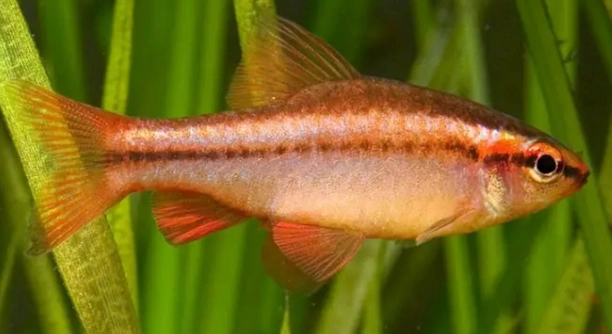
Cherry barbs are a popular choice among fishkeepers due to their vibrant colors and peaceful nature. Many people enjoy keeping them in home aquariums, but it’s important to consider various environmental factors that might affect their well-being. Cherry barbs can be sensitive to loud noises, which may cause stress. These fish are naturally shy and … Read more
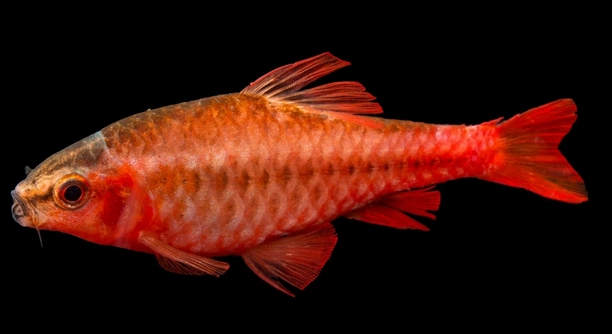
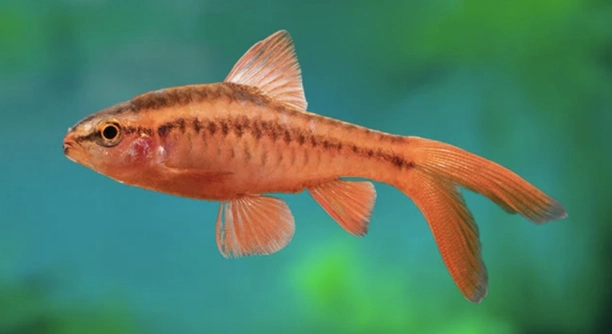
7 Ways to Tell If a Cherry Barb Is in Breeding Mode

Have you ever watched your cherry barbs swimming and wondered if they’re getting ready to breed? These small, active fish can show subtle signs that are easy to miss if you don’t know what to look for. Cherry barbs in breeding mode display brighter coloration, increased chasing behavior, and prefer heavily planted areas. Males become … Read more

Can Cherry Barbs Be Kept With Oscars?

Cherry barbs are peaceful and colorful freshwater fish that many hobbyists enjoy keeping. Oscars, on the other hand, are large, aggressive predators. Their personalities make it important to carefully consider their tank mates. Cherry barbs may not be the best choice for keeping with Oscars due to the Oscars’ aggressive nature. Oscars can prey on … Read more

7 Causes of Uneven Swimming in Cherry Barbs

Cherry barbs are lively and colorful fish, often favored by aquarium enthusiasts. However, some may notice that their swimming behavior is uneven, which can be concerning. Understanding why this happens is essential for providing the best care. Uneven swimming in Cherry Barbs can stem from various causes, including poor water quality, stress, illness, or tank … Read more

Do Cherry Barbs Like Music or Tank Vibration?

Cherry barbs are often admired for their active nature and peaceful demeanor. If you’re looking to enhance their environment, you may wonder how factors like music and tank vibrations influence them. Research suggests that fish, including cherry barbs, are sensitive to vibrations in their environment, including those caused by music. While the effects of music … Read more

7 Reasons Your Cherry Barb Is Glass Surfing

Cherry barbs are active fish that often display glass surfing, where they swim rapidly up and down the aquarium glass. Understanding why they do this can help you address the behavior and create a better environment for your fish. The main reasons for glass surfing in cherry barbs typically relate to stress, poor water conditions, … Read more

Can Cherry Barbs Feel Pain? (Science-Based Answer)

Cherry barbs are a popular freshwater fish, often admired for their vibrant colors and playful behavior. As with many aquatic species, questions about their ability to experience pain have sparked interest among researchers and aquarium enthusiasts alike. Recent studies indicate that fish, including cherry barbs, have the neurological mechanisms to sense noxious stimuli, suggesting they … Read more

7 Substrate Types Cherry Barbs Prefer

Cherry barbs are popular aquarium fish known for their vibrant colors and peaceful nature. If you’re looking to create the ideal environment for them, understanding their substrate preferences is crucial to their well-being and happiness. Cherry barbs generally prefer substrates that mimic their natural habitat, such as fine-gravel, sand, or soft, nutrient-rich substrates. These types … Read more

Do Cherry Barbs React to Tank Rearranging?

Have you ever rearranged your fish tank and noticed your cherry barbs acting a little different afterward, maybe swimming oddly or hiding more? Cherry barbs do react to tank rearranging due to changes in their environment. Disrupting their familiar layout can cause stress, alter their behavior, and temporarily impact their activity levels until they adapt … Read more

7 Tank Decorations Cherry Barbs Actually Use

Cherry barbs are popular aquarium fish, known for their vibrant colors and active nature. To keep them happy and healthy, it’s important to provide them with decorations that they can actually use and enjoy. Cherry barbs tend to appreciate tank decorations that offer hiding spots and swimming space. Plants, rocks, and driftwood can help replicate … Read more