
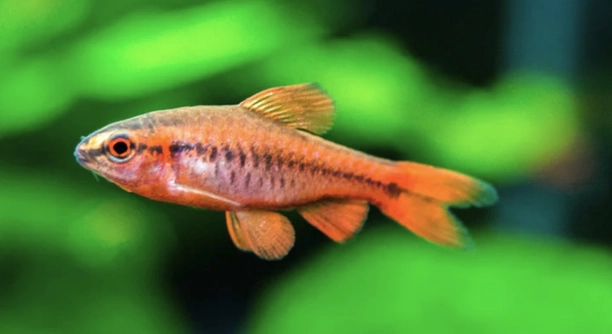
Cherry barbs are popular aquarium fish, known for their vibrant colors and active nature. To keep them happy and healthy, it’s important to provide them with decorations that they can actually use and enjoy.
Cherry barbs tend to appreciate tank decorations that offer hiding spots and swimming space. Plants, rocks, and driftwood can help replicate their natural environment, providing shelter and areas for exploration. They also enjoy plants with soft leaves and plenty of hiding spots.
Choosing the right decorations for your cherry barbs will enhance their well-being. The following options are ideal for both aesthetic appeal and functionality in your aquarium.
Plants: The Best Hideaways for Cherry Barbs
Cherry barbs are active swimmers, but they also appreciate spaces where they can rest or hide. Plants offer natural hiding spots, making them feel secure. Aquarium plants, such as Java fern, Amazon sword, or hornwort, provide excellent cover and also contribute to water quality. Live plants also mimic the cherry barbs’ natural habitat, providing them with an environment that feels comfortable and familiar.
Soft-leafed plants, in particular, are more inviting for cherry barbs. They offer places to rest and feel safe. These plants also help maintain water quality by absorbing excess nutrients. They create a more natural, balanced tank ecosystem.
When choosing plants for your cherry barbs, consider their growth habits. You’ll want plants that grow tall enough to provide plenty of cover but are not too large or invasive for the rest of the tank. Well-planted aquariums look beautiful and provide the fish with a sense of security.
Rocks and Driftwood: Creating Safe Zones
Rock structures and driftwood can be great additions to your cherry barb tank. These items provide natural hiding places and mimic the fish’s wild environment. Driftwood can also lower water hardness, which is beneficial for cherry barbs.
In addition to adding aesthetic value, driftwood and rocks help create safe zones within your tank. They are perfect for cherry barbs to explore and interact with. Keep in mind that driftwood can change water color, but this is harmless. Consider the size and shape of these items to ensure they don’t overcrowd your tank.
Substrate: The Foundation for Comfort
Choosing the right substrate is crucial for creating a comfortable environment for cherry barbs. Soft substrates like fine gravel or sand are ideal. They mimic the natural environment where cherry barbs are found, making them feel secure. It also helps with plant growth and overall tank stability.
A fine gravel or sand substrate prevents stress on the fish. Harder substrates like larger rocks can harm delicate barb fins, so avoiding those is essential. The softness allows cherry barbs to sift through the substrate without discomfort. If you’re planning on adding plants, these substrates will support their roots.
Another important aspect to consider is how easy it is to clean the substrate. A good substrate will prevent waste buildup, reducing the risk of water quality issues. Clean, healthy water helps keep your cherry barbs in top condition, allowing them to thrive in their environment.
Tank Size and Layout: Giving Them Space to Swim
The size and layout of the tank directly impact the behavior of your cherry barbs. They need ample space to swim freely. A tank that is too small can cause stress and limit their natural swimming patterns. Choose a tank that is at least 20 gallons to allow for proper movement.
When planning the layout, avoid overcrowding the tank with decorations. While hiding spots are essential, leaving plenty of open swimming space will give your cherry barbs room to explore and interact. A well-balanced layout also ensures the fish have easy access to food and water circulation.
Proper tank size and layout not only make the cherry barbs comfortable but also help maintain water quality. With the right setup, they’ll be less stressed and more active, which is essential for their overall health and happiness. Creating a comfortable, spacious environment is key to keeping them happy.
Lighting: Creating a Natural Day-Night Cycle
Proper lighting helps cherry barbs feel secure and active. A light cycle mimicking day and night keeps them healthy. Aim for about 10 to 12 hours of light per day. Too much light can stress them, while too little can affect their behavior.
Low to moderate lighting works best for cherry barbs. Bright lights can cause stress, especially if the tank has many plants. Use LED lights with adjustable settings to control intensity. A consistent lighting schedule helps regulate their biological rhythm, contributing to better overall health.
Filtration: Keeping the Water Clean
Good filtration ensures a healthy environment for cherry barbs. A reliable filter maintains water quality by removing waste and toxins. Choose a filter that provides gentle water flow to prevent disturbing your fish. Strong currents can cause stress for smaller species like cherry barbs.
In addition to keeping water clear, filtration prevents the buildup of harmful substances. Regular maintenance is important, including changing filter media and cleaning the tank. A clean tank supports healthy cherry barbs, ensuring they thrive in their aquatic home.
Tankmates: Choosing the Right Companions
When selecting tankmates for your cherry barbs, choose peaceful species that won’t intimidate or outcompete them for food. Fish like rasboras or small tetras are good companions. Avoid larger, aggressive species that may stress or harm your cherry barbs.
FAQ
What are the best tank decorations for cherry barbs?
The best tank decorations for cherry barbs include soft plants, driftwood, and rocks. They enjoy plants with soft leaves, like Java ferns and Amazon swords, as these provide hiding spots. Driftwood and rocks can create natural hideouts while maintaining a balanced environment.
Do cherry barbs like live plants?
Yes, cherry barbs enjoy live plants in their tank. Live plants not only provide them with hiding spots but also improve the water quality by absorbing nutrients. Plants like Java moss, hornwort, and anubias are great options because they offer cover while thriving in low to moderate light.
Can cherry barbs live with other fish?
Cherry barbs are peaceful and can live with many other species, especially small, non-aggressive fish. Consider tankmates like tetras, rasboras, or guppies. Avoid larger or aggressive fish that may stress the barbs or compete for food. Always monitor interactions to ensure compatibility.
How often should I clean the tank for cherry barbs?
Cleaning the tank for cherry barbs should be done regularly. Perform partial water changes (about 20-30%) every week to maintain water quality. Clean the substrate, remove debris, and rinse filter media monthly. This ensures the environment stays healthy for your fish.
What temperature is best for cherry barbs?
Cherry barbs thrive in temperatures between 74°F and 79°F (23°C to 26°C). Consistent temperatures within this range are crucial for their health. Avoid fluctuating temperatures, as it can stress the fish and affect their immune system.
Do cherry barbs need a filter?
Yes, a filter is essential for maintaining good water quality. Cherry barbs are sensitive to poor water conditions, so a reliable filter helps keep the water clean by removing debris and toxins. Ensure the filter doesn’t create strong currents, as cherry barbs prefer calm water.
What size tank do cherry barbs need?
A tank of at least 20 gallons is recommended for a small group of cherry barbs. A larger tank provides ample space for swimming and creates a more stable environment. More space helps prevent stress and promotes natural behavior.
How many cherry barbs should I keep together?
It’s best to keep cherry barbs in groups of at least 6 to 8. They are social fish and feel more comfortable when kept in groups. A larger group allows them to engage in natural behaviors like schooling and hiding together, reducing stress.
Do cherry barbs need a lot of light?
Cherry barbs don’t require intense lighting. A moderate lighting setup works best for them, ideally 10 to 12 hours a day. Too much light can cause stress or promote excessive algae growth, which may harm both plants and fish.
What pH level is best for cherry barbs?
Cherry barbs prefer slightly acidic to neutral water, with a pH range of 6.5 to 7.5. Keeping the water within this range helps prevent health problems and encourages natural behaviors. Regular water testing ensures the pH stays within the ideal range.
Are cherry barbs good for beginners?
Yes, cherry barbs are generally good for beginners. They are hardy, adaptable, and peaceful, making them easy to care for. As long as their basic requirements (temperature, water quality, tankmates) are met, they are low-maintenance and thrive in most setups.
Can cherry barbs live with shrimp?
Yes, cherry barbs can live with shrimp, such as cherry shrimp, in a peaceful tank. However, there is a slight risk of the barbs eating smaller shrimp or shrimp larvae. Ensure plenty of hiding spots for shrimp to escape from the barbs if necessary.
Do cherry barbs breed easily?
Cherry barbs can breed in an aquarium, but it requires specific conditions. A separate breeding tank with dense plants for cover can help. They lay eggs on plants or surfaces, and the eggs hatch within a few days. Raising the fry can be challenging, as they are tiny and require specialized care.
Can cherry barbs live in cold water?
Cherry barbs are tropical fish and should not be kept in cold water. They thrive in warmer temperatures between 74°F and 79°F (23°C to 26°C). Keeping them in cold water can cause stress and lead to health issues.
How can I tell if my cherry barbs are stressed?
Stressed cherry barbs may exhibit unusual behavior, like hiding for extended periods, erratic swimming, or loss of appetite. Stress can be caused by poor water quality, aggressive tankmates, or inappropriate tank conditions. Monitor their environment to reduce stress.
Do cherry barbs need a lot of space to swim?
While cherry barbs are small, they do require space to swim. A tank of at least 20 gallons gives them enough room to explore and exhibit natural behavior. A crowded tank can cause stress and limit their activity.
Are cherry barbs social fish?
Yes, cherry barbs are social and thrive in groups. They enjoy the company of other peaceful fish and engage in schooling behavior. Keeping them in a group of at least 6 will make them feel more secure and reduce stress.
What type of substrate do cherry barbs need?
Cherry barbs prefer a soft substrate, such as fine gravel or sand. This type of substrate mimics their natural environment and allows for easier plant growth. Avoid using sharp or rough substrates that could harm the barbs’ fins.
How can I prevent cherry barbs from jumping out of the tank?
To prevent cherry barbs from jumping, ensure your tank has a secure lid or cover. While they are not known for jumping frequently, they may do so if startled or stressed. A lid helps keep them safe and contained.
Final Thoughts
Cherry barbs make a wonderful addition to any aquarium. Their peaceful nature and vibrant colors brighten up any tank, making them a great choice for both beginners and experienced aquarists. With the right tank setup, they thrive and add a sense of movement and life to your aquarium. Proper care, including maintaining water quality, temperature, and tankmates, will keep your cherry barbs healthy and happy for years.
Understanding their basic needs is essential for keeping them in top condition. Cherry barbs do best in slightly acidic to neutral water, with a temperature range of 74°F to 79°F. They are social fish that should be kept in groups of at least six to reduce stress and allow them to interact naturally. Choosing appropriate tankmates, maintaining a consistent light cycle, and providing hiding spots through plants and decorations will create a comfortable environment for these fish to flourish. Regular water changes and cleaning will also help maintain a healthy space for them.
Overall, cherry barbs are hardy and low-maintenance, making them ideal for those looking to add colorful and lively fish to their tanks. While they do not require complex care routines, paying attention to their environment and social needs will ensure they thrive. Whether you are new to fishkeeping or a seasoned aquarist, these beautiful fish will certainly bring joy and serenity to your aquarium.

Hello,
If you enjoy the content that we create, please consider saying a "Thank You!" by leaving a tip.
Every little bit helps us continue crafting quality advice that supports the health, happiness, and well-being of pets around the world, for pets of all shapes, sizes, and species.
We really appreciate the kindness and support that you show us!