
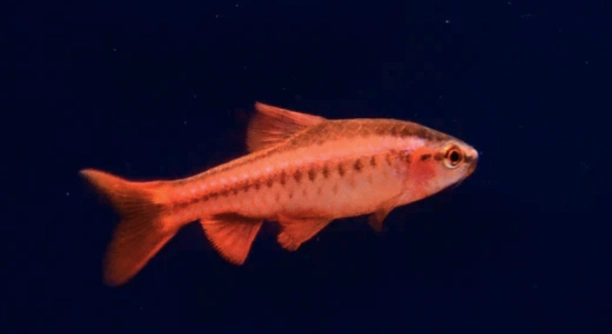
Cherry barbs are active fish that often display glass surfing, where they swim rapidly up and down the aquarium glass. Understanding why they do this can help you address the behavior and create a better environment for your fish.
The main reasons for glass surfing in cherry barbs typically relate to stress, poor water conditions, or insufficient space. They may also exhibit this behavior due to hunger or the presence of other aggressive tank mates.
Recognizing the causes of glass surfing allows you to make adjustments that promote a healthier and more peaceful aquarium for your cherry barbs.
Stress and Overcrowding
When cherry barbs feel stressed, they may start glass surfing. This stress can come from various sources, like overcrowding in the tank. Fish need enough space to swim freely, and if they are packed too tightly, they often feel uneasy. When the tank feels cramped, they will show signs like glass surfing, which is their way of trying to escape or find more room.
Overcrowding can lead to more than just glass surfing. It can cause aggression, poor water quality, and even health issues for your fish. Proper stocking levels are crucial to maintaining a healthy environment.
Making sure your cherry barbs have enough space to swim comfortably is key. The general rule is to provide one inch of fish per gallon of water. If you’ve noticed them glass surfing, consider rehoming some fish or upgrading to a larger tank to ensure everyone has room to thrive.
Water Quality Issues
Poor water quality is another leading factor behind glass surfing. Cherry barbs are sensitive to water changes, so if the conditions aren’t right, they will exhibit stress behaviors.
To prevent this, regularly test the water for ammonia, nitrites, and nitrates. Unstable pH levels or improper temperature can also trigger the behavior.
Maintaining clean and stable water conditions is vital for keeping your cherry barbs calm and healthy. Perform water changes as needed, and make sure your filtration system is working properly. This will go a long way in reducing stress and ensuring your fish remain content.
Hunger or Malnutrition
Sometimes, cherry barbs will exhibit glass surfing because they are hungry. If their diet is lacking or feeding times are inconsistent, they may become agitated and seek out food.
Cherry barbs thrive on a balanced diet that includes a variety of high-quality flakes, pellets, and occasional live or frozen foods like brine shrimp. Feeding them once or twice a day is usually sufficient.
If your cherry barbs are regularly glass surfing, check if they are being fed enough and offer a variety of foods to keep them satisfied. Regular feeding will help reduce their stress and curb the behavior.
Tank Mates and Aggression
Cherry barbs are peaceful fish but can become stressed if housed with overly aggressive tank mates. Fish that are constantly chasing or bullying them can cause anxiety, leading to glass surfing. This is their way of seeking escape or trying to avoid conflict.
In a community tank, it’s important to pair cherry barbs with peaceful species that won’t intimidate them. Fish that are overly territorial or aggressive may create an environment where your barbs feel threatened. If you’ve noticed increased glass surfing, it could be a sign that your fish are feeling unsafe due to their tank mates.
Monitor interactions between your fish and adjust the community if necessary. Adding more hiding spots, plants, or rearranging the tank can help reduce territorial disputes and ease the stress on your cherry barbs. Finding the right mix of peaceful tank mates can make a huge difference in their behavior.
Tank Size and Environment
The size of your tank plays a big role in how comfortable your cherry barbs feel. A smaller tank can lead to limited space and poor water quality, which are both stress triggers. A larger tank allows them to move freely and reduces the likelihood of glass surfing.
In addition to size, the environment itself can contribute to stress. Adding plants, rocks, or driftwood provides hiding spaces and visual barriers, helping to make your cherry barbs feel more secure. Cherry barbs are active fish, and providing them with a stimulating environment helps keep them engaged and calm.
If you’re noticing glass surfing, consider increasing the size of your tank or adding more decorations that give your fish the option to hide and explore. A well-set-up environment promotes healthy, less stressed fish that won’t engage in stress behaviors like glass surfing.
Water Temperature and Consistency
Cherry barbs prefer stable water temperatures. Sudden changes in temperature can cause them stress, leading to glass surfing. Keeping the water temperature within their preferred range, between 72°F to 78°F, helps keep them comfortable and less likely to exhibit this behavior.
Fluctuations in temperature can also weaken their immune system, making them more susceptible to illness. If you notice glass surfing, it could be due to temperature swings caused by equipment malfunctions or changes in room temperature. Use a reliable heater and thermometer to maintain a stable environment.
Lighting and Day-Night Cycle
Lighting can affect the behavior of cherry barbs. If the aquarium lights are too bright or on for too long, it can cause stress. Fish need a balanced day-night cycle to feel at ease.
Cherry barbs do well with lighting that mimics natural conditions. Ensure they get about 10-12 hours of light during the day, followed by darkness at night. Providing a consistent light schedule helps regulate their internal clock, reducing stress and preventing behaviors like glass surfing. Consider using a timer to maintain this balance.
Water Quality Testing
Regularly testing the water quality is essential to keeping your cherry barbs healthy and stress-free. Poor water conditions often lead to glass surfing and other signs of distress.
Test for ammonia, nitrites, and nitrates at least once a week to ensure the water is safe. If any of these levels are too high, perform a water change and address any underlying issues with the filter or equipment. Consistently monitoring water quality will help you prevent stress-related behaviors and maintain a peaceful aquarium environment.
FAQ
Why do my cherry barbs swim at the top of the tank?
Cherry barbs swimming at the top of the tank can indicate several things. It could be a sign of poor water quality or low oxygen levels. Fish may seek oxygen near the surface if the water is not properly aerated. If they are constantly at the top, check your filter to ensure it’s providing enough circulation. Additionally, check the water’s oxygen level by observing the bubbles and flow patterns. If you have a heavily stocked tank, the water may not be able to support the oxygen needs of all your fish.
Is glass surfing dangerous for cherry barbs?
Glass surfing itself is not necessarily harmful, but it is a sign that something is wrong. It’s often a result of stress, poor water conditions, or inadequate tank setup. While the behavior won’t immediately harm your fish, prolonged stress can lead to weakened immunity, making them more susceptible to disease. It’s important to address the root cause, such as overcrowding, poor water quality, or aggressive tank mates, to ensure your cherry barbs stay healthy in the long run.
Can cherry barbs live with other species?
Yes, cherry barbs can live with other species, but it’s important to choose their tank mates wisely. They are peaceful fish that do well in community tanks with similar temperaments. Avoid aggressive or territorial species that may cause stress. Other small, peaceful fish like rasboras, tetras, or other barbs are good companions. When selecting tank mates, always consider their size, temperament, and the needs of your cherry barbs to maintain a calm and balanced environment.
How often should I change the water for my cherry barbs?
Water changes are essential to keeping your cherry barbs healthy. Generally, you should change 20-30% of the water every 1-2 weeks. In heavily stocked tanks or those with poor filtration, more frequent water changes may be necessary to maintain good water quality. Always test the water before making changes to ensure that parameters like pH, ammonia, and nitrate levels are within safe ranges. Fresh, clean water will reduce stress and prevent glass surfing, especially if your fish are reacting to poor conditions.
Do cherry barbs need a filter?
Yes, a filter is essential for cherry barbs. A good filtration system helps maintain water quality by removing debris, toxins, and waste products. Without a filter, the water can become polluted quickly, which can lead to stress and health problems for your fish. Make sure your filter is suitable for the size of your tank and that it’s properly maintained. Regular cleaning and replacement of filter media will ensure the system works efficiently and keeps your cherry barbs in a healthy environment.
How do I reduce glass surfing in my tank?
To reduce glass surfing in your cherry barbs, start by addressing the possible causes. Ensure the tank is properly stocked and that your fish have enough space to swim. Consider upgrading to a larger tank if necessary. Maintain stable water quality by performing regular water tests and changes. Ensure that the tank’s environment is suitable by providing plants, hiding spots, and visual barriers. Minimize aggressive tank mates, and ensure that the fish are getting a balanced diet. Reducing stressors will help keep your cherry barbs calm and prevent glass surfing.
What temperature is best for cherry barbs?
Cherry barbs thrive in temperatures between 72°F and 78°F. Keeping the water temperature stable within this range helps prevent stress and ensures that your fish remain comfortable. Avoid large fluctuations in temperature, as rapid changes can be stressful for the fish. Using a heater with a reliable thermostat can help maintain a consistent temperature in your tank. Be sure to monitor the temperature regularly to ensure it stays within the ideal range for your cherry barbs.
Can cherry barbs breed in a community tank?
Yes, cherry barbs can breed in a community tank, but breeding is more likely in a separate breeding setup. In a community tank, other fish may eat the eggs or fry, making it harder for the cherry barbs to successfully reproduce. If you want to breed them, consider setting up a dedicated breeding tank with plants or spawning mops to help the eggs survive. Ensure that both male and female cherry barbs are present and in good health for successful breeding.
What size tank is best for cherry barbs?
Cherry barbs do best in tanks of at least 20 gallons. While they are small fish, they are active swimmers and need enough space to feel comfortable. A larger tank provides a more stable environment, better water quality, and space for other peaceful tank mates. When keeping cherry barbs in a community tank, be sure to account for the space needs of other species as well. Proper tank size will help reduce stress and prevent glass surfing.
Why is my cherry barb hiding all the time?
If your cherry barb is hiding, it could be due to stress, illness, or an unsuitable tank environment. Check the water quality for issues like high ammonia or nitrites, which can cause discomfort and stress. Also, ensure there are enough hiding spots in the tank, as some fish prefer to stay hidden, especially if they feel threatened. If the hiding behavior continues, check for signs of illness, such as lethargy or loss of appetite, and address any health concerns promptly.
Final Thoughts
Cherry barbs are generally peaceful and easy to care for, but like any fish, they can show signs of stress when their needs aren’t met. Glass surfing is one of the most noticeable signs that something isn’t right in the tank. Whether it’s poor water quality, incorrect tank conditions, or tank mates causing stress, it’s essential to address the issue as soon as possible. The behavior may not cause immediate harm, but over time, it can lead to weakened health and increased susceptibility to diseases. Understanding the causes behind this behavior can help you create a more balanced environment for your cherry barbs.
Maintaining stable water conditions is crucial to keeping your cherry barbs happy. Regular water testing, good filtration, and consistent water changes are all vital parts of keeping the tank in the best condition possible. Temperature fluctuations can be particularly stressful for these fish, so having a reliable heater and monitoring the water’s temperature regularly will help keep things in check. Similarly, ensuring that your tank is not overcrowded and that your fish have enough space to swim will reduce stress and minimize glass surfing.
Tank mates are also an important consideration when keeping cherry barbs. These fish are peaceful and do well with other non-aggressive species. However, if you add overly territorial or aggressive fish, they may feel threatened and more likely to engage in stress behaviors like glass surfing. Providing plenty of plants and hiding spots can give your cherry barbs a sense of security. By keeping their environment calm and healthy, you can reduce the chances of stress and keep your cherry barbs happy and active.

Hello,
If you enjoy the content that we create, please consider saying a "Thank You!" by leaving a tip.
Every little bit helps us continue crafting quality advice that supports the health, happiness, and well-being of pets around the world, for pets of all shapes, sizes, and species.
We really appreciate the kindness and support that you show us!