
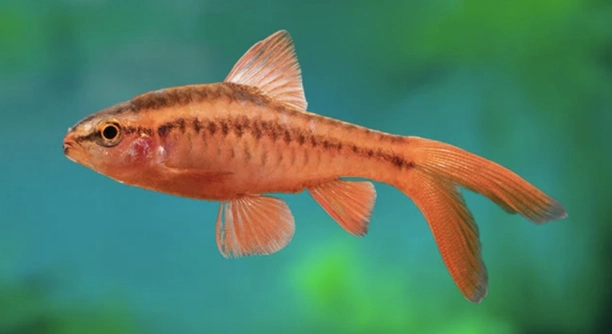
Cherry barbs are peaceful and colorful freshwater fish that many hobbyists enjoy keeping. Oscars, on the other hand, are large, aggressive predators. Their personalities make it important to carefully consider their tank mates.
Cherry barbs may not be the best choice for keeping with Oscars due to the Oscars’ aggressive nature. Oscars can prey on smaller fish like cherry barbs, especially if they are hungry or territorial, leading to potential harm.
Understanding the dynamics between these two species can help you create a harmonious tank environment.
Can Cherry Barbs Live with Oscars in the Same Tank?
Keeping cherry barbs with Oscars can be challenging. While cherry barbs are peaceful, small, and quick, Oscars are much larger and more aggressive. They have a reputation for being territorial and predatory, especially when they are hungry or stressed. Oscars are often kept alone or with other fish that can defend themselves, like large cichlids or robust species. Cherry barbs, with their smaller size and calm demeanor, are at risk of being bullied or eaten by Oscars in a shared tank.
The size difference between cherry barbs and Oscars is one of the main issues. Oscars can grow significantly larger, up to 12 inches or more, while cherry barbs typically stay under 2 inches. The size disparity makes cherry barbs vulnerable to being attacked, either as food or in territorial disputes.
When mixing fish, it’s crucial to consider their behavior and size. Even though cherry barbs can tolerate some aggression, they are not suited for aggressive tank mates like Oscars. If you’re considering mixing species, it’s better to choose other peaceful or slightly larger fish that can coexist with Oscars.
Alternatives for Mixing with Oscars
If you’re determined to add color to your Oscar tank, consider adding other robust fish, such as larger tetras, cichlids, or plecos. These species are more likely to hold their own against an Oscar. Oscars can coexist with other aggressive fish as long as there is enough space for all the tank inhabitants.
For a harmonious tank, ensure your fish have plenty of hiding spots and territories. This reduces stress and lowers the risk of aggression. With the right choices, your Oscar tank can be both diverse and peaceful.
Why Oscars Are Not Ideal Tank Mates for Cherry Barbs
Oscar fish are predatory and territorial. They are naturally aggressive, especially in smaller spaces. Their size and behavior make it hard for smaller, peaceful fish like cherry barbs to thrive. Even if they are not actively hunting, Oscars can stress out smaller fish, causing them harm.
When kept with Oscars, cherry barbs may find it hard to avoid aggression. Oscars can chase them around, peck at them, or even eat them. This constant stress will weaken cherry barbs over time. Additionally, Oscars require a lot of space to move around, and smaller fish, like cherry barbs, don’t usually fare well in such an environment.
For your cherry barbs to remain healthy, it’s important they live in a peaceful tank. Keeping them in an environment with non-aggressive tank mates allows them to feel secure, reducing stress and promoting their overall well-being.
Tank Size and Space Requirements
Tank size is another important factor when considering tank mates. Oscars need large tanks, often 75 gallons or more, due to their size and territorial nature. Cherry barbs, on the other hand, thrive in smaller tanks around 20 gallons. The difference in required space leads to a mismatch when trying to house these two fish together.
A large Oscar tank may leave cherry barbs with little space to escape or find shelter. This lack of space only heightens the chances of stress and aggression from the Oscars. If you’re determined to keep them in the same tank, ensure there are plenty of hiding spots for the cherry barbs. Even with this, the tank’s overall dynamic may not be ideal for the well-being of both species.
The setup of the tank also plays a role in reducing conflicts. More hiding places, plants, and decorations can create boundaries that help divide the tank into different territories. However, even with these adjustments, the difference in size and temperament makes it difficult for cherry barbs to live peacefully with Oscars.
Signs of Stress in Cherry Barbs When Kept with Oscars
When cherry barbs are stressed by Oscars, they will often display certain signs. These include erratic swimming, hiding, and a decrease in appetite. Stress can weaken their immune system, making them more vulnerable to disease.
If you notice your cherry barbs hiding for extended periods, it’s a clear sign they are not comfortable in the tank. They might also show signs of physical damage, such as nipped fins, from Oscar aggression. Any unusual behavior should be addressed immediately to ensure the health of your fish.
Stress can also manifest in a change of color. Healthy cherry barbs are vibrant, but when stressed, their colors may fade. This is a sign that something in their environment is causing them distress.
Feeding Considerations
Feeding Oscars and cherry barbs in the same tank can be challenging. Oscars are large, aggressive eaters that may snatch food away from smaller fish, like cherry barbs. This leads to the barbs not getting enough nutrition, which can negatively impact their health.
To minimize competition during feeding time, consider using a feeding ring or separate areas of the tank for each species. Oscars typically eat larger portions of food, so providing enough for both can be difficult. It’s important to feed your cherry barbs in an area where they feel safe, away from the Oscars.
Ideal Tank Mates for Cherry Barbs
If you’re looking for tank mates for your cherry barbs, consider peaceful fish that are similar in size. Tetras, rasboras, and smaller cichlids work well. These fish are non-aggressive and can thrive in the same environment as cherry barbs.
The key is to choose species that will not outcompete or threaten the barbs. Fish like Corydoras catfish or guppies are also good companions for cherry barbs. By selecting the right mix of fish, you can create a balanced tank that benefits all species involved.
FAQ
Can cherry barbs live with other aggressive fish?
Cherry barbs are peaceful fish and typically do best with similarly calm tank mates. While they may be able to tolerate minor aggression, they are not suited for aggressive fish like Oscars, cichlids, or large predatory species. In an aggressive environment, cherry barbs may become stressed or even injured. It’s crucial to choose tank mates that won’t overpower or harm them. Species like smaller tetras or peaceful gouramis work much better with cherry barbs, as they share similar temperaments and will not stress the barbs.
How can I tell if my cherry barbs are stressed?
Stressed cherry barbs may exhibit several signs, such as erratic swimming, excessive hiding, or a loss of appetite. Their colors may also fade, indicating they are not feeling safe in their environment. If your cherry barbs are staying hidden at the bottom of the tank or near the filter, it’s often a sign they are avoiding stressors like aggressive tank mates. Another common sign is if they become lethargic or stop interacting with other fish. Stress can lead to health problems, so it’s important to identify these symptoms early and adjust the tank setup if necessary.
What are the best tank conditions for cherry barbs?
Cherry barbs prefer calm waters with a temperature range of 72–80°F (22–27°C). They thrive in a tank with gentle filtration and soft, slightly acidic to neutral water (pH 6.5–7.5). Proper water parameters are essential to their health, so regular water changes and monitoring water quality are important. Cherry barbs also appreciate a well-planted tank, with enough space for them to swim comfortably. The addition of plants, driftwood, and rocks can help create hiding spots, reducing stress and allowing your cherry barbs to feel more secure.
Can I add cherry barbs to a tank with an Oscar if it’s large enough?
Even in a large tank, it’s not advisable to house cherry barbs with Oscars. Oscars are large and aggressive fish, and their behavior can be harmful to smaller species, no matter the tank size. They may see the cherry barbs as food or get territorial, stressing the barbs and potentially causing injury. If you wish to keep both in the same tank, it’s essential to create divisions within the tank and offer plenty of hiding places for the cherry barbs. However, even with these measures, the chances of long-term peace in the tank remain low.
What are some good tank mates for cherry barbs?
Cherry barbs thrive in peaceful community tanks with similar-sized, non-aggressive fish. Good tank mates include species like neon tetras, zebra danios, Corydoras catfish, and small peaceful cichlids. Gouramis, rasboras, and even some types of plecos also get along well with cherry barbs. The key is choosing fish that are not overly territorial or aggressive. Additionally, it’s important to have a proper balance in the tank to avoid overcrowding. Always research potential tank mates before introducing them to ensure compatibility with the cherry barbs.
How many cherry barbs should I keep together?
Cherry barbs are social fish that do best in groups of at least five or six. Keeping them in groups helps reduce stress, as they feel safer when surrounded by others of their kind. A larger group can also help minimize aggressive behavior among individual fish. However, it’s important not to overcrowd the tank, as this can lead to poor water quality and increased stress. When planning your tank, make sure there’s enough space for all your fish to swim freely, with plenty of hiding places.
Are cherry barbs hardy fish?
Yes, cherry barbs are relatively hardy fish, especially when kept in stable water conditions. They are more tolerant of slight fluctuations in water temperature and pH compared to other fish, making them a good option for beginner aquarists. However, they still require proper care, including regular water changes and a balanced diet. Stress from aggressive tank mates, poor water quality, or incorrect tank conditions can weaken their immune system, so it’s essential to maintain a healthy environment.
Can cherry barbs be bred in captivity?
Yes, cherry barbs can be bred in captivity under the right conditions. To breed cherry barbs, ensure the water temperature is between 75–80°F (24–27°C), with slightly acidic to neutral water. Adding plants for the fish to lay eggs on can help. Once the eggs are fertilized, they will hatch in about 24–36 hours. The fry are small and will require infusoria or other microscopic foods in the beginning stages. It’s important to separate the adults from the fry after breeding, as the adults may eat the eggs or young fish.
How do I feed cherry barbs?
Cherry barbs are omnivores and will accept a variety of foods, including flakes, pellets, and live or frozen foods like bloodworms or brine shrimp. Their diet should be balanced, with a mix of protein-rich foods and plant matter. They will also graze on algae and plants in the tank, which can help supplement their diet. Make sure to feed them small amounts several times a day to prevent overfeeding. A varied diet helps maintain their health and bright coloration.
Do cherry barbs need a heavily planted tank?
While cherry barbs don’t require a heavily planted tank, they do benefit from plants. Plants provide hiding places and help reduce stress by offering shelter. They also help maintain water quality by absorbing nitrates. Some plants, like Java moss or Anubias, can also help mimic their natural habitat. A well-planted tank is ideal for cherry barbs, as it gives them space to explore and feel more secure. However, ensure that the plants aren’t too dense, as cherry barbs still need open swimming areas.
What should I do if my cherry barbs are being bullied?
If your cherry barbs are being bullied by other fish, it’s essential to take action quickly. Start by observing the tank to identify the aggressors. If the bully is another fish, you may need to relocate that fish to a separate tank to prevent further stress. Adding more hiding spots or plants can help create safe spaces for the cherry barbs to escape from aggression. If possible, increase the number of cherry barbs in the tank, as they feel safer in larger groups. In some cases, separating the aggressive fish completely may be the best solution.
Final Thoughts
When it comes to keeping cherry barbs with Oscars, the general consensus is that it’s not an ideal match. Oscars are large, aggressive fish, and their behavior can stress or harm smaller, peaceful species like cherry barbs. Even though cherry barbs are hardy and adaptable, their peaceful nature makes them vulnerable to the more aggressive temperament of Oscars. No matter how large the tank is, these two species likely won’t coexist peacefully. It’s important to remember that both fish deserve an environment where they can thrive, and pairing incompatible species can lead to unnecessary stress or injury.
If you’re looking to keep cherry barbs in a community tank, it’s best to choose tank mates that have similar temperaments. Smaller, peaceful fish such as tetras, rasboras, and Corydoras catfish are much better options for cherry barbs. These species typically share similar water preferences and will coexist without causing stress to one another. When considering tank mates, always think about the fish’s size, temperament, and swimming habits. Cherry barbs are small, social fish that thrive in groups, so it’s important to maintain a balanced community to help them feel secure.
Overall, it’s possible to have a thriving aquarium with cherry barbs as long as the tank is properly set up and the right companions are chosen. Cherry barbs are beautiful, active fish that can brighten up any tank when given the right conditions. Ensuring that their tank mates are compatible and that their water parameters are maintained will lead to a healthy and peaceful environment. If you decide to keep cherry barbs, make sure they have enough space to swim and plenty of hiding spots to reduce stress. A well-planned community tank will not only benefit the cherry barbs but also the other species in your aquarium.

Hello,
If you enjoy the content that we create, please consider saying a "Thank You!" by leaving a tip.
Every little bit helps us continue crafting quality advice that supports the health, happiness, and well-being of pets around the world, for pets of all shapes, sizes, and species.
We really appreciate the kindness and support that you show us!