
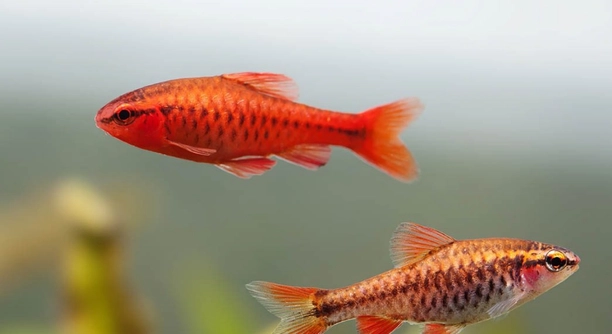
Cherry barbs are lively and colorful fish, often favored by aquarium enthusiasts. However, some may notice that their swimming behavior is uneven, which can be concerning. Understanding why this happens is essential for providing the best care.
Uneven swimming in Cherry Barbs can stem from various causes, including poor water quality, stress, illness, or tank overcrowding. Other factors, like water temperature fluctuations or nutritional imbalances, can also lead to these swimming issues.
Identifying the underlying cause will help you restore balance to your Cherry Barbs’ movements. A closer look at the different factors affecting their behavior can lead to a healthier, more comfortable aquarium environment for these active swimmers.
Poor Water Quality
Water quality is one of the most common reasons for uneven swimming in Cherry Barbs. Fish need clean, oxygenated water to swim properly. If the water is too dirty, or if harmful substances like ammonia or nitrites are present, Cherry Barbs will struggle to swim smoothly. They may become stressed, lethargic, or show irregular movement patterns.
Improper water changes or insufficient filtration can quickly lead to these problems. If the water isn’t regularly tested for important parameters, such as pH, ammonia, and nitrate levels, you might miss signs of poor water quality. This will negatively affect the Cherry Barbs’ health.
To avoid poor water quality, ensure the tank is properly filtered and that water changes are done regularly. Use a reliable water testing kit to monitor conditions. A clean tank promotes better swimming behavior, which in turn keeps your Cherry Barbs healthy and active. Keeping their environment stable is essential for their overall well-being and smooth swimming.
Stress and Overcrowding
Stress can also cause uneven swimming in Cherry Barbs. When they feel overcrowded or threatened by tank mates, their behavior can become erratic. Overcrowding in particular leads to limited space for movement, resulting in anxious and confused fish.
It’s important to maintain a proper stocking density in your tank. Cherry Barbs thrive in groups, but if there are too many fish in a small space, they can become stressed. Stress can also be caused by sudden changes in the environment or from aggressive tank mates. Fish need plenty of room to swim freely.
Providing ample space and a peaceful environment can help reduce stress in Cherry Barbs. If you notice erratic swimming behavior, it’s worth reassessing tank population and tank mate compatibility. A balanced, low-stress environment promotes healthy, active swimming. Ensuring your Cherry Barbs feel safe is key to maintaining their health.
Illness or Injury
Fish suffering from illness or injury often exhibit uneven swimming. Infected Cherry Barbs may swim erratically or stay at the tank’s surface. Illnesses like fin rot, swim bladder disease, or parasites can affect their ability to maintain balance in the water.
If you notice your Cherry Barb swimming in circles or leaning to one side, it could indicate an internal or external infection. Other symptoms like discoloration or loss of appetite should also be monitored. If your fish is injured, it might avoid using one of its fins, leading to an unbalanced swimming pattern.
Treating illness or injury requires prompt action. Isolate affected fish and treat them with the appropriate medication. Proper water quality, stress reduction, and a clean tank are essential for recovery. If the injury is severe, you may need to provide extra care or consult a vet.
Water Temperature Fluctuations
Temperature fluctuations can also cause swimming problems in Cherry Barbs. These fish prefer stable water temperatures between 72°F and 78°F. If the temperature in the tank changes too rapidly, it can cause stress and disorient the fish.
Sudden drops or rises in water temperature can affect the Cherry Barb’s metabolism and swimming abilities. They may swim erratically or become sluggish. Temperature stress can also lead to a weakened immune system, making them more prone to disease. It’s important to keep the temperature constant and avoid drastic shifts that could harm the fish.
Investing in a good heater and thermometer will help maintain a stable water temperature. Regularly check the temperature, especially during seasonal changes or when you perform water changes. Maintaining a consistent environment helps your Cherry Barbs stay healthy and swim naturally.
Nutritional Imbalance
A poor diet can lead to uneven swimming in Cherry Barbs. If they aren’t getting enough of the right nutrients, it can affect their muscle control and overall energy levels. This imbalance often results in sluggish or uncoordinated movements.
Feeding them a balanced diet with high-quality pellets or flakes and supplementing with live or frozen foods can help. Lack of vitamins or minerals may lead to poor muscle function, which impacts their swimming. An unhealthy diet also weakens their immune system, making them more susceptible to illness and stress.
Ensuring that your Cherry Barbs receive varied, nutrient-rich food will help them maintain smooth swimming behavior. A well-balanced diet supports their growth and energy levels. Regularly check the ingredients in their food to confirm it’s suitable for their needs.
Tank Decorations and Layout
Tank decorations and layout can also contribute to uneven swimming. If the setup is overcrowded or poorly arranged, it limits the space for Cherry Barbs to move freely. They may become disoriented or stressed when unable to navigate easily.
Ensure that decorations are spaced out, allowing enough room for the fish to swim without obstacles. Providing hiding spots and plants helps reduce stress but avoid overcrowding. A cluttered tank can confuse the fish, causing erratic movement.
Arranging your tank in a way that offers free swimming space and comfort will help maintain a healthy environment for your Cherry Barbs.
FAQ
What is the ideal tank size for Cherry Barbs?
The ideal tank size for Cherry Barbs is at least 20 gallons. This provides enough space for them to swim and interact comfortably. If you plan on keeping a small group, the more space you have, the better. A larger tank also helps maintain water quality, which is crucial for their health.
Cherry Barbs are active swimmers, so they benefit from plenty of room to explore. A well-sized tank reduces the risk of stress, which can cause erratic swimming behavior. Additionally, having enough space allows for proper water circulation, which helps keep the water clean and well-oxygenated. If you’re considering other fish species in the same tank, be mindful of stocking levels to avoid overcrowding.
A 20-gallon tank is a good starting point for a small group of Cherry Barbs, but if possible, going larger will give them more freedom and reduce the likelihood of swimming problems caused by a cramped environment. Always consider the long-term needs of the fish when setting up their habitat.
Can Cherry Barbs live with other fish?
Yes, Cherry Barbs are generally peaceful and can live with many other fish species. They are social fish and do well in community tanks with non-aggressive tank mates. However, it’s important to avoid fish that are too large or aggressive, as this can lead to stress.
Fish like tetras, mollies, and small gouramis are great companions for Cherry Barbs. They prefer being in groups of at least six or more, so make sure to keep them in schools for the best experience. Cherry Barbs are also not very territorial, so they are unlikely to cause problems with other peaceful species.
Avoid keeping them with fin-nipping or overly aggressive fish, as this could lead to them feeling stressed and unable to swim normally. Keeping your Cherry Barbs with compatible tank mates will create a more harmonious environment and ensure their well-being.
How can I improve the swimming of my Cherry Barbs?
Improving the swimming of your Cherry Barbs starts with addressing their environment. Make sure the water quality is optimal, with regular water changes and a good filtration system. A stable water temperature is also crucial, as fluctuations can lead to stress and irregular swimming.
If the tank is overcrowded, consider reducing the number of fish to allow more space. Overcrowding can cause stress, leading to erratic swimming patterns. Ensure that your Cherry Barbs are fed a balanced diet to keep their muscles and energy levels healthy. Providing plants and decorations in the tank helps them feel secure, which can encourage natural swimming behavior.
Pay attention to their health. If you notice any signs of illness, such as lethargy or erratic movement, take action quickly to prevent the problem from worsening. Addressing any issues early on will ensure your Cherry Barbs swim smoothly.
Why is my Cherry Barb swimming in circles?
Swimming in circles can be a sign of illness or stress. Cherry Barbs often swim in circles if they are affected by swim bladder disease or parasites. It can also indicate water quality issues, such as poor oxygen levels or toxins in the tank.
If your Cherry Barb swims in circles, check the water parameters immediately. Test for ammonia, nitrites, and nitrates, and ensure the temperature is stable. If the water quality is good, but the behavior persists, it might be a health issue. Common problems like swim bladder disease can cause disorientation and unusual swimming patterns. In such cases, a vet or fish specialist may be able to recommend treatments.
Addressing both the environmental and health factors that could contribute to this behavior is essential for improving their condition.
How do I prevent uneven swimming caused by poor water quality?
To prevent uneven swimming due to poor water quality, it’s important to maintain consistent and optimal water parameters. Test the water regularly for ammonia, nitrites, nitrates, and pH levels. Keep ammonia and nitrites at zero and nitrates below 20 ppm to avoid stress on the fish.
Ensure the tank is properly filtered and that the filtration system is adequate for the size of the tank. Perform regular water changes, typically 25-30% of the water every week, to keep the environment clean. Use a water conditioner to remove chlorine or chloramine from tap water.
By keeping the water quality stable, you reduce the chances of stress and health issues that can lead to uneven swimming in Cherry Barbs. Regular maintenance and monitoring are key to a healthy, thriving tank.
Can Cherry Barbs recover from swim bladder disease?
Yes, Cherry Barbs can recover from swim bladder disease if treated promptly and correctly. Swim bladder disease often results from an infection, constipation, or poor water quality. The fish may struggle to maintain buoyancy, causing it to swim upside down or with difficulty.
To treat swim bladder disease, first, check the water parameters to ensure the environment is stable and clean. If the water quality is fine, try feeding your Cherry Barb a diet of peas or other high-fiber foods to help with constipation. You can also isolate the affected fish in a quarantine tank and provide antibiotics if necessary, depending on the cause of the disease.
Recovery may take time, but with proper care, many Cherry Barbs can return to healthy swimming. If the problem persists, consider consulting with a vet who specializes in fish health.
Why is my Cherry Barb staying at the surface of the tank?
If your Cherry Barb is staying at the surface of the tank, it could be a sign of poor water quality, low oxygen levels, or illness. Fish instinctively seek the surface when they need more oxygen, so it’s important to check water parameters and address any issues.
Poor filtration or overcrowding can reduce oxygen levels in the tank, forcing your fish to spend more time near the surface. Another common cause could be an illness, such as parasites, that affects the fish’s ability to swim normally. Ensure that the water is well-oxygenated by using a proper filter and aerator, and avoid overcrowding the tank.
If the behavior persists despite improved water conditions, check for signs of illness and provide appropriate treatment.
Final Thoughts
Cherry Barbs are beautiful, peaceful fish that can make a great addition to your aquarium. However, if you notice uneven swimming, it’s important to address the issue quickly. Poor swimming behavior can be caused by various factors like poor water quality, stress, illness, or even overcrowding. By taking the time to assess their environment and health, you can help your Cherry Barbs swim freely and stay healthy.
Maintaining a clean tank, providing proper nutrition, and keeping the water parameters stable are key to preventing swimming problems. Regular water changes, good filtration, and monitoring water temperature all play an important role in ensuring that your fish thrive. Additionally, it’s essential to keep an eye on their behavior and look for signs of illness or stress. If you spot any irregularities, such as swimming in circles or staying at the surface, it’s best to address the issue right away to avoid further complications.
By creating a balanced and stress-free environment for your Cherry Barbs, you will not only improve their swimming but also promote their overall well-being. Whether it’s through providing enough space, proper tank mates, or a healthy diet, every little effort helps keep your fish happy. With the right care, your Cherry Barbs will continue to be lively and active swimmers, contributing to the beauty and serenity of your aquarium.

Hello,
If you enjoy the content that we create, please consider saying a "Thank You!" by leaving a tip.
Every little bit helps us continue crafting quality advice that supports the health, happiness, and well-being of pets around the world, for pets of all shapes, sizes, and species.
We really appreciate the kindness and support that you show us!