
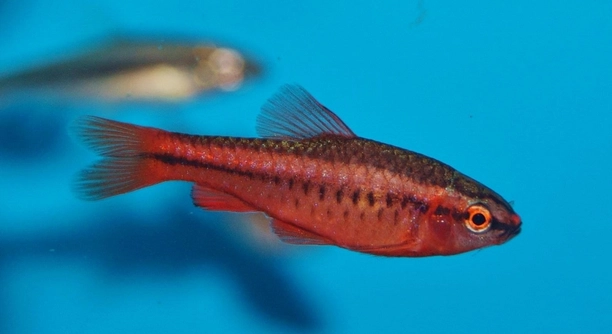
Have you ever rearranged your fish tank and noticed your cherry barbs acting a little different afterward, maybe swimming oddly or hiding more?
Cherry barbs do react to tank rearranging due to changes in their environment. Disrupting their familiar layout can cause stress, alter their behavior, and temporarily impact their activity levels until they adapt to the new setup.
Even the smallest changes in their space can influence how they behave, swim, and interact with each other for a while.
How Rearranging Impacts Cherry Barbs
Cherry barbs are sensitive to changes in their environment, even small ones. When you move decorations, plants, or rocks, their space no longer feels familiar. This can make them uneasy or stressed. You may notice them hiding more often, swimming less, or becoming more aggressive with each other. These behaviors are their way of coping. The tank layout gives them cues about safety, territory, and routine. When that layout changes, they need time to understand the new structure. It might take a few days for them to act normally again. If you rearrange often, they might stay stressed longer. Stable environments help cherry barbs feel more secure and active. To make changes easier, try moving things gradually rather than all at once. It helps them adjust without overwhelming them. Always watch for signs of distress, like clamped fins or lack of appetite. Those are signs to slow down.
If your cherry barbs seem restless after a tank update, that’s completely normal. They just need time to adjust.
Once they get used to the new setup, most cherry barbs return to their usual playful and calm behavior. Just be patient and give them a few days to feel at home again.
Helping Them Adjust Smoothly
Sudden, full rearrangements can be overwhelming. Smaller changes made over time are easier on your fish.
When making adjustments to a cherry barb tank, start by thinking about how the fish use the space. Try not to remove all hiding spots at once. Cherry barbs like cover, and taking it away can leave them feeling exposed. If you need to clean or change the decor, do it in sections. For example, move plants on one side, then wait a few days before touching the other. Adding something familiar—like a favorite decoration—into the new setup can help them feel more secure. It’s also a good idea to monitor water quality during this time. Stress can make them more sensitive to even minor water changes. Avoid handling or chasing them too much during the rearranging process. Let them explore slowly at their own pace. Over time, their comfort will return, and the tank will feel like home again.
Why Some Cherry Barbs React More Than Others
Not all cherry barbs respond the same way to tank rearranging. Some seem unaffected, while others become nervous or withdrawn. Their reactions depend on personality, age, and past experiences in the tank.
Cherry barbs that have been in the same setup for a long time tend to react more when things are moved around. They’re used to a certain structure and don’t adjust quickly to sudden change. Younger fish or those recently introduced might adapt faster because they’re still exploring and learning the space. Fish with more dominant behavior may also react stronger, defending areas they think are theirs. It’s helpful to keep an eye on how individuals respond after changes. If one hides more often or seems aggressive, it may need a bit more time or extra cover in the tank. Watching for subtle signs helps you make their space more comfortable.
Sometimes stress doesn’t show up right away. A cherry barb might swim normally the first day, then begin to hide or lose interest in food later. This delayed reaction can be easy to miss. To avoid problems, try observing behavior for a few days after any change. Keep the lights low and avoid tapping or sudden movements around the tank during this adjustment time.
Simple Steps That Make a Big Difference
Providing a consistent routine helps reduce stress after a tank update. Keeping feeding times and lighting the same gives cherry barbs a sense of stability while they get used to new surroundings.
Small actions like adding extra plants, driftwood, or shaded areas can help them feel safer while adjusting. If your cherry barbs are acting skittish, try placing something in the tank that blocks line of sight, such as a tall decoration or cluster of plants. This gives each fish a chance to claim space without too much competition. Avoid cleaning the tank too thoroughly at the same time as rearranging—it’s better to keep one change at a time. If you need to do both, space them out by a few days. Offer food on a routine schedule and turn lights on and off gradually. These simple habits reduce stress and help your cherry barbs feel settled more quickly.
Signs Your Cherry Barbs Are Stressed
Cherry barbs might show stress by hiding more, darting suddenly, or staying near the bottom. Their colors can fade slightly, and they may seem less social with each other. These are common signs when they feel unsettled.
Loss of appetite is another thing to watch. If they ignore food or eat much less than usual, they might still be adjusting. Stress can also show through clamped fins or slower swimming. These changes don’t always mean something serious, but they’re worth noticing.
When to Be Concerned
If your cherry barbs show stress signs for more than a week, or if their behavior worsens, it might be more than just a reaction to the rearranged tank. Long-term stress can weaken their immune system and make them prone to illness. Look for signs like white spots, rapid gill movement, or signs of injury from tank mates. If you notice these, test the water quality and ensure parameters like ammonia and nitrites are stable. Making the environment feel secure again, with hiding spots and consistent routines, can help reduce stress. If needed, isolate injured or very stressed fish for recovery.
Keep Rearrangements Minimal
Avoid changing too much at once. Try spacing out big tank updates so your cherry barbs can adjust little by little without getting overwhelmed.
FAQ
How long does it take for cherry barbs to adjust after a tank rearranging?
Cherry barbs typically take a few days to a week to adjust to a new tank setup. It’s normal for them to appear stressed or withdrawn during this time. Their behavior usually improves once they get used to the new environment. Giving them a stable routine, like consistent feeding times and light cycles, can help speed up the process. Keep an eye on their behavior during this period. If they still seem stressed after a week, it might be worth checking water quality or looking for other potential stressors.
Can rearranging the tank hurt my cherry barbs?
Rearranging the tank itself doesn’t usually hurt the cherry barbs, but it can cause stress if done too suddenly or frequently. Stress is not ideal, as it weakens their immune system and can lead to illness. However, a single rearrangement, followed by allowing the fish time to adjust, isn’t harmful. Just ensure you provide them with plenty of hiding spots and a stable environment to minimize discomfort. Regular tank maintenance, like cleaning or changing decor, should be spaced out to prevent causing too much stress at once.
Do cherry barbs need hiding spots after tank rearranging?
Yes, providing hiding spots is very important, especially after rearranging the tank. Cherry barbs, like many fish, feel safer when they have places to retreat to. If you rearrange the tank, try to keep at least some familiar structures in place, such as plants, rocks, or decorations that can serve as hiding spots. If you’re making significant changes, consider adding new hiding spots to help them feel secure. This can reduce stress and allow them to adjust more comfortably. Fish are creatures of habit, and providing comfort during transitions helps ease the process.
What should I do if my cherry barbs aren’t eating after a tank rearranging?
If your cherry barbs aren’t eating after you rearrange the tank, give them a little time. Stress from the changes can cause a temporary loss of appetite. Usually, they will start eating again once they adjust. Keep the tank environment stable, maintain water quality, and offer a variety of foods to entice them. If they still refuse to eat after a few days, check for signs of illness. Poor water quality or stress-related issues may be the cause. If their refusal to eat continues, consider testing the water and reducing any other stress factors in the tank.
How can I prevent stress during tank rearranging?
To prevent stress during tank rearranging, make small changes rather than big ones. If you need to move things around, try adjusting one area at a time instead of overhauling the entire tank. You can also move decorations gradually, allowing your cherry barbs time to adjust. Keep lighting consistent and avoid sudden temperature fluctuations during rearranging. Additionally, avoid handling the fish or tapping on the glass, as this can further stress them. If possible, perform rearrangements when the fish are less active, such as in the evening. By making minimal, slow adjustments and keeping their environment familiar, you can reduce the impact on their stress levels.
Will rearranging my tank affect my cherry barbs’ behavior permanently?
No, rearranging the tank should not affect your cherry barbs’ behavior permanently, as long as they are given time to adjust. Fish are quite adaptable, and once they get used to the new layout, they should return to their normal behavior. However, if rearranging is done too frequently, it can lead to prolonged stress, which can have long-term effects on their health. For the best results, avoid rearranging their tank often and make sure to observe their behavior for any signs of prolonged distress. As long as the changes are minimal and well-timed, your cherry barbs should regain their normal behavior.
How can I tell if my cherry barbs are stressed after rearranging the tank?
Signs of stress in cherry barbs include hiding more often, swimming erratically, or staying near the bottom of the tank. You might also notice faded colors, a decrease in social interaction with tank mates, or an increase in aggression. Additionally, some may exhibit abnormal behaviors like rapid gill movement or excessive scratching against objects. If they’re not eating or seem lethargic, these could also be signs of stress. It’s important to monitor their behavior closely for at least a week after any major changes. If these signs continue or worsen, it may be necessary to check the water parameters and consider if further changes to the environment are needed.
Is it better to rearrange the tank when the cherry barbs are sleeping?
Rearranging the tank while your cherry barbs are sleeping can be a good strategy. When fish are less active, they’re less likely to be stressed by the changes. However, they will still notice the differences once they wake up. Ideally, you should try to rearrange the tank in a way that doesn’t disturb their daily routine too much. If you choose to make changes while they’re sleeping, make sure you don’t accidentally disturb the water quality or tank temperature. Keep in mind that once they wake up, they’ll need time to get used to the changes.
Can rearranging the tank affect the water quality for cherry barbs?
Yes, rearranging the tank can temporarily affect water quality. When you move decorations, rocks, or substrate, it can stir up debris, which may affect water clarity and quality. Additionally, if you clean the tank or remove filters during the rearranging process, there may be a short-term spike in toxins like ammonia or nitrites. It’s essential to test the water parameters after rearranging and perform water changes if necessary. Keeping the filter running during the process can help maintain water quality, and regular water testing will help ensure that your cherry barbs are safe and comfortable.
How often can I rearrange my tank without stressing my cherry barbs?
It’s best to rearrange the tank as infrequently as possible. Once or twice a year is generally enough, though you may need to make adjustments for cleaning or improving the tank’s layout. Frequent rearranging can stress your cherry barbs and other fish, as they rely on a consistent environment to feel secure. If you do need to rearrange more often, try to limit the changes and give the fish time to adjust in between. Always monitor their behavior for signs of stress, and ensure water quality is maintained during each rearrangement.
Final Thoughts
Rearranging a tank can be a great way to refresh the look of your aquarium, but it’s important to consider how it might affect your cherry barbs. These fish, like many others, can get stressed when their environment changes, even if it’s just a simple adjustment. The good news is that the stress is usually temporary. Cherry barbs are adaptable, and with a bit of time, they can adjust to their new surroundings. It’s all about being patient and paying attention to their behavior during the transition. Once they settle in, they should return to their usual behavior.
To minimize stress, try to make small, gradual changes rather than big, sudden shifts. Moving decorations slowly or rearranging one area at a time gives the fish time to adapt. If you need to make more significant changes, be sure to provide plenty of hiding spots and keep the lighting, temperature, and water quality stable. A consistent routine for feeding and lighting can also help ease the adjustment period. Keeping track of their behavior during the days after rearranging will give you clues about how well they are adapting. If you notice signs of prolonged stress, like loss of appetite or aggression, it may be time to reassess how the changes are impacting them.
In the end, cherry barbs are hardy fish that can handle some disruption, but they thrive in a stable environment. Giving them the time and space to adjust is the key. When changes are done carefully, they’ll quickly get used to their new home and continue to be happy, healthy fish. Regular, minor rearrangements or updates to the tank are fine as long as you keep their needs in mind. With the right balance, you can enjoy both a beautiful tank and well-adjusted fish.

Hello,
If you enjoy the content that we create, please consider saying a "Thank You!" by leaving a tip.
Every little bit helps us continue crafting quality advice that supports the health, happiness, and well-being of pets around the world, for pets of all shapes, sizes, and species.
We really appreciate the kindness and support that you show us!