
Have you ever watched your cherry barbs swimming and wondered if they’re getting ready to breed? These small, active fish can show subtle signs that are easy to miss if you don’t know what to look for.
Cherry barbs in breeding mode display brighter coloration, increased chasing behavior, and prefer heavily planted areas. Males become more territorial, while females appear rounder. These visual and behavioral changes indicate they are preparing to spawn.
Noticing these details can help you create the best conditions for breeding and ensure the health of both adults and fry in your tank.
Bright, Bold Colors
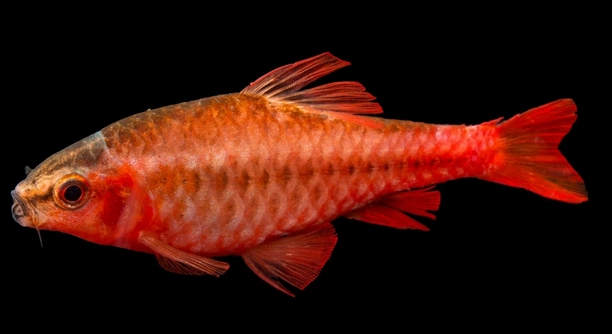
When cherry barbs are ready to breed, the first thing you might notice is a change in color. Males become a deeper red, almost glowing in the right lighting. This isn’t just for show—it’s how they attract females. Females stay paler, but they may look rounder due to carrying eggs. This color shift can be stronger if your tank has lots of plants and good water conditions. A clean and peaceful space helps bring out these changes. If your cherry barbs seem more colorful than usual, especially the males, it’s a good sign they’re entering breeding mode.
This brighter color can come on quickly. It often happens in the morning when lighting changes.
If you see the males glowing red and darting around plants, it’s a signal that they’re trying to impress. Keeping their environment stable will help these signs appear clearly. A well-lit tank also makes it easier to notice.
Increased Chasing Behavior
Chasing is another common behavior during breeding time. Males begin to follow females around more often, especially near dense plant areas or corners of the tank.
This chasing might seem aggressive, but it’s actually part of the breeding process. The male nudges or guides the female toward a preferred spot, usually a plant or secluded area, where she might lay her eggs. If you notice this type of chasing happening frequently and no other fish are being harmed, it’s likely due to breeding. You may also see several males chasing a single female. This is common in community tanks with more males than females. Keep the tank calm by avoiding sudden changes, and make sure there’s plenty of space and plants. This helps reduce stress and lets natural behavior continue. Watching for this chasing pattern can give you a clear signal that your cherry barbs are preparing to spawn.
Preference for Heavily Planted Areas
Cherry barbs tend to hang around thick plants more often when they’re ready to breed. They use the plants for shelter, egg laying, and to hide from other fish during this time. You might notice them lingering or swimming slowly through the vegetation.
Plants give breeding cherry barbs a sense of safety. The female often lays her eggs among leaves, where they can stick and stay hidden. Males may follow closely behind, fertilizing the eggs immediately after. If you keep live plants like Java moss or Anubias, you’ll likely see more activity around them. These areas become hotspots for interaction. A well-planted tank not only supports breeding but also keeps the fish calm. If your cherry barbs are spending more time in those dense plant areas than usual, it’s a good sign they’re preparing to breed.
Try to avoid disturbing these spots once activity starts. It helps everything go smoothly.
Fuller, Rounded Females
Females will start to look rounder when carrying eggs. This fullness is usually more visible when they’re calmly swimming or resting. Unlike bloating, it’s focused around the belly and doesn’t affect their behavior or swimming pattern. It’s one of the clearest physical signs of breeding readiness.
This change happens gradually. If you observe your female cherry barbs regularly, you’ll notice them slowly become plumper over a few days. This fullness is different from illness—it doesn’t cause them to float strangely or act stressed. They still eat normally and remain active. When close to spawning, they may pause often near plants, and their movement slows. Males might hover close by, showing interest. This shape change helps the eggs settle properly before being released. You don’t need to do much except maintain consistent water conditions. Feeding a balanced diet also supports this process and can help females produce healthy eggs more reliably.
Male Becomes More Territorial
During breeding, male cherry barbs may guard certain areas of the tank. They chase away other males and even other fish that get too close. This behavior is often focused near dense plants or corners they’ve claimed as their own.
The male’s movements become sharper and more direct. He may flare his fins more and swim in short, fast bursts. These actions help him establish dominance and secure a breeding space.
Subtle Shimmering Movements
Shimmering or vibrating movements are common signs during courtship. Males often display this motion near females, showing off their colors and energy. This fluttering motion looks like a quick shake and usually happens near plants.
Slight Decrease in Appetite
Some cherry barbs eat less during breeding. Their focus shifts to courtship, territory, or guarding eggs. If your usually active eater slows down at mealtime but still swims normally and shows color, breeding could be the reason.
FAQ
How long does cherry barb breeding behavior last?
Cherry barb breeding behavior usually lasts several days. Males will stay brightly colored and active as long as they sense a female is ready to spawn. The chasing, shimmering, and territorial behavior can continue for about 3 to 7 days, depending on conditions. Once spawning occurs, the activity often settles down within a day or two. If the eggs are not fertilized or if water conditions change, the fish may stop showing interest more quickly. Maintaining a steady tank temperature and a quiet environment can help extend the breeding behavior naturally without stress.
Do cherry barbs eat their eggs?
Yes, cherry barbs often eat their own eggs if given the chance. They don’t have parental instincts and won’t protect the eggs after spawning. That’s why it’s best to have plenty of hiding spots or to move the adults after spawning. Plants like Java moss help shield the eggs. If you want to raise the fry successfully, a separate breeding tank or breeding box is recommended. You can remove the adults right after spawning, which usually happens in the early morning hours. This increases the chance of keeping the eggs safe from being eaten.
What’s the best temperature for breeding cherry barbs?
The ideal temperature for breeding cherry barbs is around 78°F (25.5°C). Warmer water helps trigger spawning behavior and supports healthy egg development. Anything between 76°F and 80°F can work, but stability is more important than the exact number. Sudden drops or rises can interrupt the breeding cycle or stress the fish. If you’re trying to encourage spawning, slowly raising the temperature by 1–2 degrees over a couple of days can help. Make sure your tank has a reliable heater and thermometer to keep the environment consistent and safe throughout the breeding period.
Do I need a separate tank for breeding cherry barbs?
A separate breeding tank isn’t required, but it does make the process easier. It allows you to control the environment better and protects the eggs from being eaten. If you leave the adults in the community tank, you’ll need plenty of plants and hiding spots for the eggs to survive. In a breeding tank, you can remove the parents right after spawning and give the eggs the best chance to hatch. This also makes it simpler to monitor fry development and maintain clean water. A 10-gallon tank with a sponge filter and live plants works well.
How can I tell if eggs have been laid?
Cherry barb eggs are tiny, clear to slightly white, and round. They’re usually found stuck to plant leaves, substrate, or tank glass. After a breeding session, check low areas or dense plants for small clusters. The eggs don’t move, and they can be hard to see without a flashlight or close inspection. Once you know what to look for, spotting them becomes easier. If you notice the male’s behavior calming down and the female looking slimmer, chances are eggs have already been laid. Remove the adults if you plan to keep the eggs safe for hatching.
How long do the eggs take to hatch?
Cherry barb eggs hatch in about 24 to 36 hours, depending on water temperature. Warmer water (around 78°F) speeds things up. After hatching, the fry will remain near the bottom or hidden in plants for another couple of days while they absorb their yolk sacs. They won’t swim freely right away. After about 3–5 days post-hatch, they’ll start exploring. This is when you can begin feeding them with liquid fry food or infusoria. Maintaining clean water and avoiding strong filters helps the fragile fry survive. Keep the light dim during this early stage to reduce stress.
Final Thoughts
Cherry barbs are peaceful and active fish that can show clear signs when they’re ready to breed. If you pay close attention to their behavior and appearance, you can easily notice these changes. Bright colors, chasing, and time spent near plants are strong signs. The male will often look more vibrant, while the female may appear fuller. These signs help you know when breeding is likely happening. Once you’re able to recognize them, it becomes easier to prepare the tank and provide the best environment for them to spawn successfully. Even small changes in behavior can mean a lot during this time.
Creating the right conditions can make a big difference. Warm, stable water, lots of live plants, and a calm space can help your cherry barbs feel safe enough to breed. If you want to raise fry, using a separate breeding tank or removing the adults after spawning is a helpful step. Since cherry barbs do not protect their eggs, separating them increases the chances of the fry surviving. Watching your fish go through this process can be rewarding and also teaches you more about their needs. It’s not difficult once you understand the key signs and provide the right support.
There’s no need to rush or stress during this process. Cherry barbs may not breed right away, especially if they’re still getting used to their tank. As long as you’re keeping the tank clean, feeding them a healthy diet, and avoiding sudden changes, they will usually settle into a natural rhythm. Over time, you’ll become more familiar with how they act before and during breeding. Each fish may behave a little differently, so observing regularly helps. Breeding cherry barbs can be a smooth and positive experience if approached with patience. Whether you want to raise baby fish or simply enjoy seeing this natural behavior, knowing these signs will help you feel more confident.

Hello,
If you enjoy the content that we create, please consider saying a "Thank You!" by leaving a tip.
Every little bit helps us continue crafting quality advice that supports the health, happiness, and well-being of pets around the world, for pets of all shapes, sizes, and species.
We really appreciate the kindness and support that you show us!