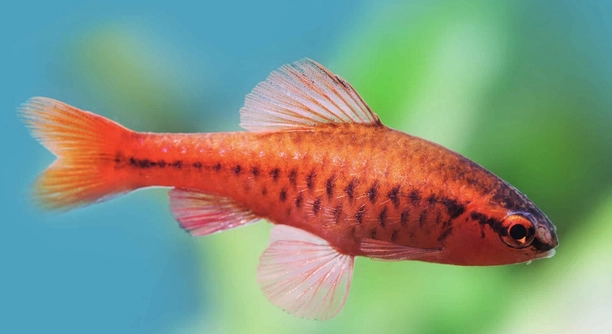
What Makes Cherry Barbs Change Color Quickly?

Do your cherry barbs sometimes turn pale or bright red without warning, leaving you wondering what’s happening in their tank? Cherry barbs change color quickly due to environmental changes, stress, mating behavior, or diet. Shifts in water parameters, tank mates, or breeding conditions can cause sudden pigment changes, which are often a natural and temporary … Read more
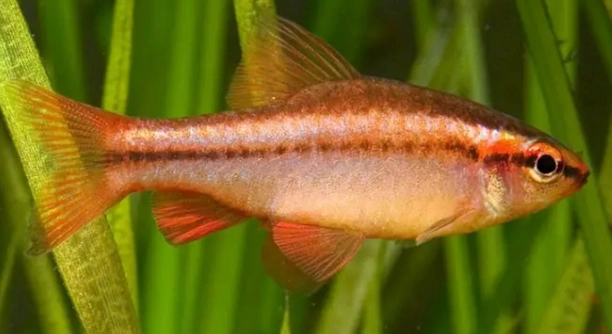
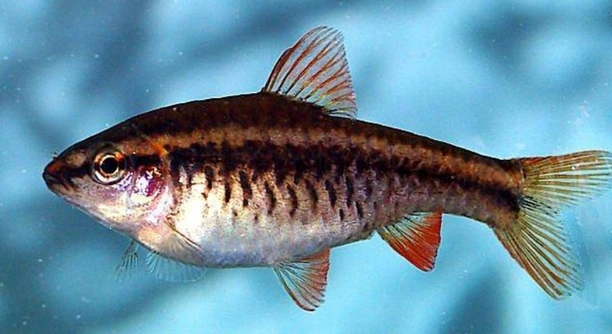
Can Cherry Barbs Live with Shrimp? (Tested Combos)

Cherry Barbs are a popular fish in freshwater aquariums, known for their vibrant colors and peaceful nature. When keeping them, many wonder if they can coexist with shrimp. This question is important for anyone planning a community tank. Cherry Barbs can generally live with shrimp, provided the tank is appropriately set up. They are peaceful, … Read more

7 Things Cherry Barbs Do When They’re Excited

Cherry barbs are known for their energetic personalities. When these small, colorful fish get excited, they exhibit unique behaviors that make them stand out in aquariums. Understanding these actions can enhance your appreciation for their lively nature. Cherry barbs display excitement through behaviors like rapid swimming, color intensification, fin displays, chasing, jumping, and increased interaction … Read more

Can Cherry Barbs Get Depression from Solitude?

Cherry barbs are active and social fish, often found swimming in groups in aquariums. However, you may wonder how their behavior changes when kept alone. Understanding the effects of solitude on cherry barbs can offer valuable insight into their well-being. Cherry barbs can experience stress and behavioral changes when isolated, as they are naturally social … Read more

7 Things You Didn’t Know About Cherry Barb Sleep

Have you ever watched your cherry barbs resting quietly and wondered what goes on during their sleep? These small fish have unique nighttime habits that often go unnoticed by even the most attentive aquarium owners. Cherry barbs enter a state of rest that mimics sleep, marked by reduced movement and lowered responsiveness. Unlike mammals, they … Read more

7 Questions to Ask Before Getting Cherry Barbs

Cherry barbs are colorful, peaceful fish that can be a great addition to a home aquarium. Before deciding if they’re right for you, there are several important aspects to consider. These factors will ensure they thrive in your tank. Before getting cherry barbs, it is essential to assess the size of your aquarium, water parameters, … Read more

Why Is My Cherry Barb Ignoring Food?

Cherry barbs are a popular choice for aquarium enthusiasts, but when they stop eating, it can be puzzling. Understanding why your cherry barb may be ignoring food is crucial to their care and well-being. The main reason why your cherry barb may be ignoring food is stress, illness, or an inappropriate environment. Factors like water … Read more

7 Tank Conditions Cherry Barbs Don’t Tolerate

Cherry Barbs are popular freshwater fish known for their peaceful nature and vibrant colors. However, there are certain tank conditions they don’t tolerate, which can affect their health and well-being. Understanding these factors can help you create a more suitable environment for your fish. Cherry Barbs are sensitive to poor water quality, drastic temperature changes, … Read more

Why Did My Cherry Barb Suddenly Stop Moving?

Cherry Barbs are known for their active and playful nature, so noticing a sudden halt in movement can be concerning. This behavior could stem from several possible factors affecting your fish’s health or environment. The most likely cause for your Cherry Barb’s sudden inactivity is stress or poor water quality. Factors such as high ammonia … Read more

7 Things to Know Before Buying Cherry Barbs

Have you ever walked past a tank of bright red fish and thought about bringing some home for your own aquarium? Cherry barbs are small, peaceful freshwater fish that thrive in well-maintained community tanks. They require stable water conditions, a balanced diet, and group companionship to remain healthy and active. Proper care is key to … Read more