
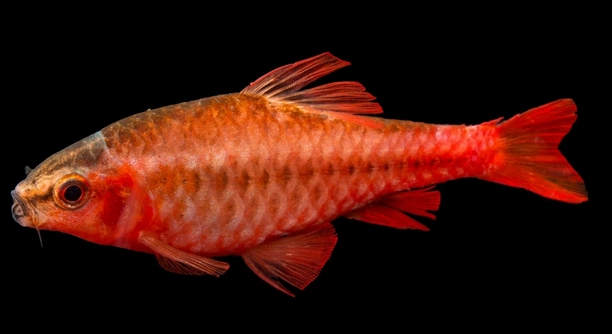
Cherry barbs are a popular freshwater fish, often admired for their vibrant colors and playful behavior. As with many aquatic species, questions about their ability to experience pain have sparked interest among researchers and aquarium enthusiasts alike.
Recent studies indicate that fish, including cherry barbs, have the neurological mechanisms to sense noxious stimuli, suggesting they can feel pain. However, the extent and nature of their experience remain debated in the scientific community.
Understanding how cherry barbs perceive pain can provide insights into their care and well-being in home aquariums. This article explores the scientific findings behind their sensory responses.
The Science Behind Fish Pain Perception
Fish have long been considered less sensitive to pain than other animals, but recent studies suggest that may not be the case. Cherry barbs, like many fish, possess nociceptors, which are sensory receptors that detect harmful stimuli. These receptors are part of their central nervous system, signaling the brain when something painful occurs. In addition to nociceptors, fish also produce natural painkillers, similar to mammals, which points to a more complex pain response system than previously thought.
While the idea that fish can feel pain has been controversial, accumulating evidence leans toward the idea that they can. Studies have shown that fish exhibit behaviors that suggest discomfort when injured, such as rubbing the affected area or avoiding certain environments. This challenges the outdated view of fish as simply reacting to stimuli without any real experience of pain.
Understanding how fish experience pain has implications for how they are treated in captivity and the wild. By recognizing their ability to feel pain, it becomes easier to make more informed decisions about their care and handling.
Behavioral Evidence of Pain in Fish
When a fish shows changes in behavior after an injury or stressful event, it often signals a pain response. Cherry barbs may act differently by staying near the bottom or avoiding contact with certain objects. These reactions suggest that the fish may be trying to protect themselves from further harm.
Fish also display distress through physical changes. For example, cherry barbs may swim in circles or show signs of agitation when exposed to extreme conditions. This could be their way of signaling pain or discomfort. Research shows that such behaviors are not purely instinctual but linked to a physiological response to harm.
These findings highlight the importance of creating environments that minimize harm to fish. Understanding their behavioral responses helps ensure that their habitats meet their physical and emotional needs, leading to healthier and happier fish.
Neurological Mechanisms in Fish
Fish brains are structured differently than mammals, but they still process sensory information. In cherry barbs, the brainstem plays a significant role in reacting to noxious stimuli. Their central nervous system can trigger a pain response, even though it’s not as advanced as in mammals. This suggests they experience something similar to pain.
Fish rely on their nervous systems to process pain, just as humans do. Although the fish brain lacks a neocortex, the area responsible for higher functions in humans, studies have shown that pain can be felt through other neural pathways. This indicates that cherry barbs may respond to pain in a way similar to simpler vertebrates.
It’s important to recognize that fish may not process pain exactly as humans do. However, the physiological mechanisms present in cherry barbs suggest they experience distress and discomfort when faced with harmful conditions. Recognizing this can lead to better care practices for aquarium fish.
How Pain Affects Fish Behavior
Pain responses in cherry barbs aren’t always obvious but can show up in their behavior. When injured, they may avoid certain areas of the tank or reduce activity levels. These signs of distress indicate they are trying to prevent further harm or escape from pain triggers.
Fish, like cherry barbs, also show abnormal swimming patterns when in pain. Studies have found that when exposed to painful stimuli, fish can react by circling or swimming erratically. This is their way of signaling discomfort or injury, pointing to the complexity of their nervous system. Such behaviors help them avoid dangerous situations and protect themselves in their environment.
The ability of fish to display behavioral responses to pain is essential for aquarium care. It reinforces the importance of keeping their environments safe and free of stressors that could cause harm or discomfort. Understanding this helps ensure that cherry barbs and other fish remain in healthier conditions.
Fish Sentience and Ethics
Fish, including cherry barbs, may have the ability to feel pain, which raises ethical concerns for their care in captivity. As sentient beings, they deserve to be treated with respect and consideration. Aquarium practices should be adjusted to minimize harm to these creatures.
The debate about fish sentience calls for a shift in how they are handled in tanks and during transportation. Avoiding unnecessary stress and harm is crucial for their well-being. Acknowledging their ability to experience pain can improve how we care for them, ensuring healthier, more comfortable lives for cherry barbs and similar species.
Pain Relief for Fish in Aquariums
To manage fish pain effectively, it’s important to minimize stressors in their environment. For cherry barbs, maintaining optimal water quality, temperature, and providing a safe, enriching habitat can help prevent injury and discomfort. Quick, gentle handling also reduces stress during necessary procedures.
Fish can benefit from pain relief strategies, such as the use of anesthetics during medical treatments. Research on effective pain management in fish is still ongoing. Ensuring proper care can reduce potential pain and promote better recovery, leading to a more comfortable life for cherry barbs in home aquariums.
FAQ
Can cherry barbs feel pain like humans?
Cherry barbs, like many other fish, have the neurological structures needed to sense noxious stimuli, indicating that they can feel pain. While their experience might differ from humans due to a simpler brain structure, evidence suggests they react to painful stimuli and exhibit behaviors that indicate distress, such as swimming erratically or avoiding certain areas.
How do fish process pain?
Fish, including cherry barbs, process pain through nociceptors—receptors that detect harmful stimuli. This sensory information is sent through their nervous system, leading to a pain response. Though fish brains are less complex than those of mammals, they still have the capacity to experience discomfort and stress.
Do cherry barbs show signs of pain?
Yes, cherry barbs do show signs of pain. They may reduce their activity level, swim erratically, or avoid specific areas in their tank when injured. These behaviors suggest that they are experiencing discomfort or trying to avoid further harm. These responses are similar to what is observed in other fish species when they are in pain.
Can you prevent pain in cherry barbs?
While it’s impossible to eliminate all potential sources of pain, you can reduce the likelihood of pain in cherry barbs by maintaining an optimal environment. Keeping water parameters stable, avoiding sudden temperature changes, and ensuring that there are no sharp objects or harmful substances in their tank can help prevent injury and reduce stress.
Are there ways to treat pain in fish?
Fish pain can be managed by creating a stress-free environment and, in some cases, using pain-relief methods such as anesthetics for medical treatments. It’s also important to address the root cause of the injury or stress, whether it’s a disease or environmental issue. For more severe cases, consult an aquatic vet to explore pain management options.
How can you tell if a cherry barb is stressed or in pain?
Cherry barbs may display signs of stress or pain through changes in behavior. For instance, they might swim erratically, rub against objects, or hide more frequently. They may also reduce their activity level and show a lack of interest in food. If you notice these behaviors, it’s important to assess their environment and check for potential stressors, such as poor water quality or overcrowding.
Can fish feel emotional pain or just physical pain?
The capacity for emotional pain in fish is still debated. However, research suggests that fish experience physical pain and have emotional responses to certain situations, such as changes in their environment or interactions with other fish. These emotional responses may not be as complex as those in mammals, but they can still impact a fish’s overall well-being.
What is the best way to care for a cherry barb to avoid pain?
To avoid causing pain to your cherry barb, focus on providing an ideal living environment. This includes maintaining clean water, the right temperature, and appropriate tank mates. Ensure the tank is free from sharp objects or aggressive fish that may harm them. Routine health checks and quick treatment for illnesses also help in preventing discomfort.
Do cherry barbs experience pain differently than other fish species?
While there is limited research comparing the pain experiences of different fish species, it’s likely that the pain response in cherry barbs is similar to that in other small fish species. They possess the necessary neurological mechanisms to feel pain and may exhibit similar behaviors when in distress.
How does stress affect cherry barbs’ health?
Stress can weaken a cherry barb’s immune system, making them more susceptible to diseases and infections. Prolonged stress can also lead to abnormal behavior, stunted growth, and even premature death. It’s important to minimize stress by providing a stable environment and avoiding sudden changes in water conditions, temperature, or tankmates.
Can cherry barbs recover from injuries?
Yes, cherry barbs can recover from injuries if treated properly. Ensuring clean water and a stress-free environment helps with healing. Minor injuries often heal over time, but more severe injuries may require medical attention. If a cherry barb is severely injured, it’s crucial to consult an aquatic veterinarian for proper treatment.
Is it safe to handle cherry barbs?
Handling cherry barbs should be avoided unless absolutely necessary, as it can cause stress and potential injury. If you need to handle them for medical treatment or tank maintenance, do so gently and quickly. It’s important to wet your hands before touching them to avoid damaging their sensitive skin and scales.
Can cherry barbs feel pain from water quality issues?
Yes, poor water quality can cause significant stress and discomfort for cherry barbs. When water parameters like pH, temperature, or ammonia levels are off, fish can experience physical discomfort, leading to stress or pain. Regular water changes and monitoring water quality are essential to prevent these issues and ensure the health of your fish.
How do environmental changes affect cherry barbs’ pain levels?
Environmental changes, like sudden shifts in temperature or poor water quality, can cause physical discomfort or stress to cherry barbs. These changes may trigger pain responses or heighten their existing discomfort. Consistent, stable conditions are key to preventing unnecessary stress and pain in your fish.
What should I do if I suspect my cherry barb is in pain?
If you believe your cherry barb is in pain, it’s important to first assess its environment. Check water quality and ensure there are no physical injuries or illness. If the fish shows persistent signs of distress, consider consulting an aquatic vet to discuss potential pain relief and treatment options.
Final Thoughts
Understanding whether cherry barbs can feel pain is an important consideration for fish owners. While it may not be as easy to measure their pain responses as it is with humans or other animals, the evidence suggests that fish do experience discomfort. Their ability to sense harmful stimuli through nociceptors points to a basic level of pain processing. This means that cherry barbs, like many other fish species, can feel physical pain. As a responsible fish owner, it’s essential to acknowledge this aspect of their well-being to provide them with the best care possible. Treating them with respect and care ensures they live in an environment that supports their health and happiness.
Aquarium practices must adapt to recognize the potential for pain in fish. Regular maintenance of the tank, such as monitoring water quality and temperature, becomes crucial for preventing situations that could cause harm to the fish. Along with providing a stress-free environment, keeping a watchful eye on the behavior of your cherry barbs is vital. If they exhibit signs of distress or injury, immediate action should be taken to address the issue. Keeping the tank environment clean and providing a variety of hiding places and comfortable spaces will help mitigate stress and minimize potential harm.
Ultimately, the focus should be on creating a healthy, stable habitat that supports the natural behavior of your cherry barbs. While research into fish sentience and pain continues to evolve, adopting a more compassionate approach to aquarium care is the best course of action. Providing appropriate care not only improves the quality of life for cherry barbs but also ensures that they thrive in their home. By being mindful of their needs and acting responsibly, you can maintain a thriving aquarium and promote the well-being of your fish.

Hello,
If you enjoy the content that we create, please consider saying a "Thank You!" by leaving a tip.
Every little bit helps us continue crafting quality advice that supports the health, happiness, and well-being of pets around the world, for pets of all shapes, sizes, and species.
We really appreciate the kindness and support that you show us!