Why Plecos Might Dig Holes in Your Substrate
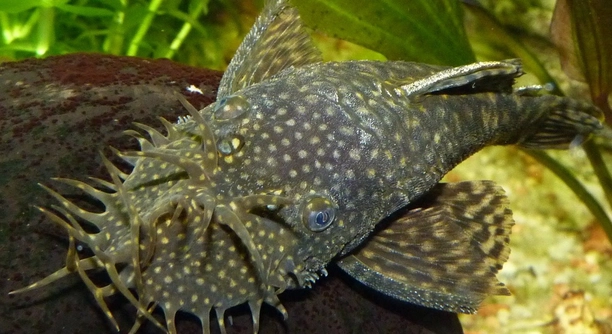
Plecos are fascinating fish that bring life and activity to aquariums. Many owners notice that their plecos spend a lot of time digging into the substrate. This behavior can be both puzzling and a little messy. Plecos dig holes in the substrate primarily to satisfy natural behaviors such as foraging, hiding, and territorial marking. This … Read more
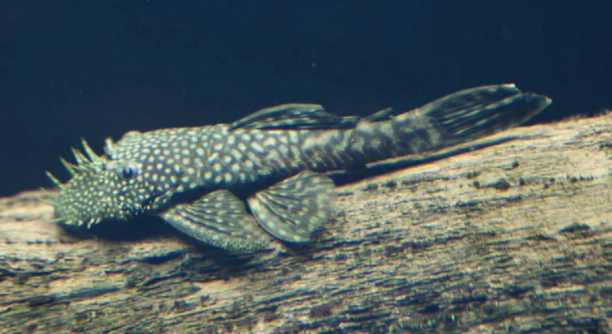
7 Ways to Spot a Dominant Bristlenose

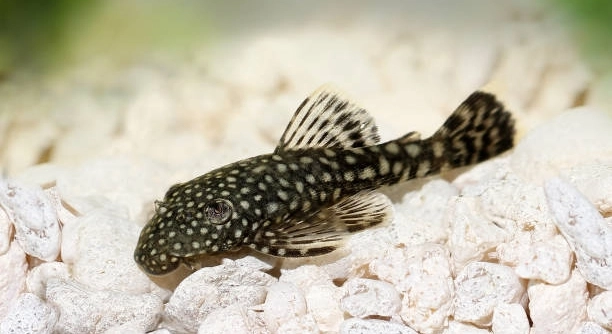
Do you ever notice certain fish in your aquarium taking charge, moving boldly, and claiming the best spots? Observing these behaviors in your bristlenose can reveal which ones naturally dominate their tank environment and resources. Dominant bristlenose plecos exhibit specific behaviors including territoriality, aggressive posturing, and preferential access to food and hiding spaces. These traits … Read more

7 Things to Avoid in a Pleco Breeding Tank

Do you ever find yourself setting up a pleco breeding tank but feeling unsure about what could go wrong? Many hobbyists make small mistakes that can affect the health and breeding success of their fish. Avoiding overcrowding, poor water quality, incorrect temperature, lack of hiding spots, improper diet, aggressive tank mates, and neglecting regular maintenance … Read more

Why Your Pleco Isn’t Interested in Algae Wafers

Your pleco may seem uninterested in algae wafers despite your efforts to feed it regularly. These fish have unique dietary habits and environmental preferences that influence their feeding behavior and overall appetite in captivity. A primary reason plecos avoid algae wafers is that their diet in the wild is more varied than just algae. They … Read more

Can Plecos Survive Minor Tank Spikes?

Have you ever noticed your pleco acting differently after a sudden change in water conditions? These gentle bottom-dwellers rely on stable environments to stay healthy and active in your aquarium. Plecos can survive minor tank spikes if the fluctuations are brief and not extreme. However, repeated or severe changes in ammonia, nitrite, or pH levels … Read more

Do Bristlenose Plecos Like Tankmates Around?

Have you ever noticed your Bristlenose Pleco quietly moving along the tank walls and wondered how it feels around other fish? These small, gentle fish have a calm presence that many aquarists find comforting. Observing them can be surprisingly rewarding. Bristlenose Plecos are generally peaceful and can coexist with many tankmates. They may show mild … Read more

7 Signs Your Pleco Is Suffering From Poor Water

Have you ever noticed your pleco behaving differently in its tank or appearing less active than usual? Observing small changes in your fish’s routine can indicate issues you might not immediately recognize. Regular care is essential. Poor water conditions can severely impact pleco health, leading to stress, weakened immunity, and physical damage. Maintaining proper water … Read more

Can You Train a Bristlenose Pleco?

Do you enjoy keeping aquariums but find yourself fascinated by the unique behaviors of your fish? Bristlenose plecos are popular for their algae-eating habits and interesting personalities, making them a favorite among hobbyists and beginners alike. Bristlenose plecos can be trained to recognize feeding routines and respond to simple cues, although their intelligence is limited … Read more

7 Foods That Can Cause Pleco Constipation

Do you ever notice your pleco struggling after mealtime, appearing less active or bloated than usual? Observing these changes can be concerning, especially when you want to ensure your fish stays healthy and comfortable. Certain foods can cause constipation in plecos due to their high starch, low fiber, or indigestible content. Staples like iceberg lettuce, … Read more

How to Pick the Right Driftwood for Plecos

Have you ever noticed how driftwood can completely change the look of your aquarium while giving your plecos a natural place to explore? Choosing the right type of wood can affect both aesthetics and fish health in subtle ways. Selecting suitable driftwood for plecos requires considering size, hardness, and tannin content. Properly prepared hardwoods like … Read more