
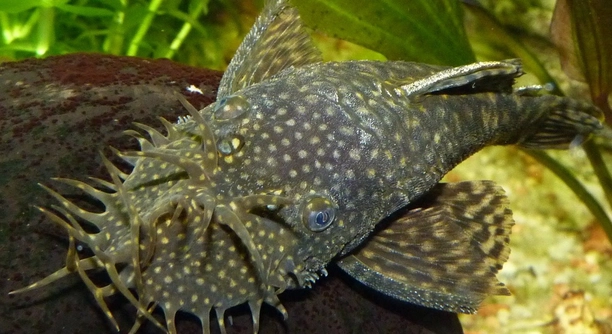
Plecos are fascinating fish that bring life and activity to aquariums. Many owners notice that their plecos spend a lot of time digging into the substrate. This behavior can be both puzzling and a little messy.
Plecos dig holes in the substrate primarily to satisfy natural behaviors such as foraging, hiding, and territorial marking. This digging helps them explore their environment, search for food, and create secure resting or breeding areas in their habitat.
Observing these behaviors closely can reveal a lot about your pleco’s needs and habits. Understanding why they dig will help you provide a more comfortable and enriching environment.
Natural Instincts Behind Digging
Plecos are bottom-dwelling fish that naturally explore their environment by digging and moving substrate. This behavior is instinctive, allowing them to uncover food particles, algae, or detritus buried in the substrate. Many plecos come from rivers with soft, sandy, or muddy beds, where digging is essential for survival. When placed in an aquarium, these instincts remain strong. Digging can also help plecos create hiding spots or resting areas. Observing the patterns of digging can reveal which areas of the tank your pleco prefers or feels safest. Sometimes, plecos dig around plants or decorations, moving substrate aside to improve comfort or access to shelter. Their actions may seem disruptive, but they are often a sign of a healthy, active fish. Adjusting tank layout or substrate type can accommodate this natural behavior while minimizing mess.
Digging is a natural and healthy activity for plecos. It allows them to forage, create shelters, and mark their space in the tank.
Providing proper substrate and decorations will support their behavior while keeping the tank functional and safe. Paying attention to these preferences helps maintain both their comfort and tank cleanliness.
Substrate Choices and Their Impact
A soft, sandy substrate is ideal for plecos that like to dig.
Using a soft substrate reduces the risk of injury to your pleco’s barbels and fins. Fine sand allows them to dig naturally without sharp edges causing harm. Hard gravel can discourage digging or lead to accidental scratches. The type of substrate also influences how much food or detritus gets trapped, which can either encourage or limit digging behavior. Aquatic plants can anchor soil or sand, giving plecos defined digging areas. Driftwood or smooth rocks provide additional shelter and surfaces for grazing, creating a more engaging tank environment. Choosing the right substrate ensures that digging is safe and satisfies their natural instincts.
When considering tank design, it’s important to balance aesthetics with functionality. A layered substrate with sand over small gravel can offer both visual appeal and comfort. Regular observation will help you see how your pleco interacts with different areas, allowing you to adjust placement of decorations or plants to reduce excessive digging. Rotating hiding spots or rearranging plants occasionally can keep your pleco stimulated and reduce substrate upheaval. Remember that their digging is not destructive but a reflection of instinctive behaviors. By selecting appropriate materials and maintaining a consistent tank layout, plecos remain active, healthy, and engaged while keeping the aquarium tidy.
How Feeding Affects Digging
The type of food plecos receive can influence how much they dig.
Plecos are primarily herbivores, but they enjoy a mix of algae, vegetables, and sinking pellets. Uneaten food often settles into the substrate, prompting them to dig while foraging. If feeding is inconsistent or the food sinks too quickly, they may dig more aggressively, searching for hidden nutrients. Offering slow-sinking or pre-soaked food can reduce excessive substrate disturbance. Feeding near hiding spots or specific areas can also channel digging behavior, keeping the rest of the tank cleaner.
Monitoring feeding patterns helps maintain a balance between nutrition and substrate disturbance. Adjusting portion sizes, frequency, and placement ensures plecos remain satisfied without over-excavating. Additionally, observing how your pleco interacts with different food types can reveal preferences and natural foraging instincts. Some plecos may prefer vegetables like zucchini or cucumber, which they scrape off surfaces instead of digging the substrate. Understanding these tendencies allows for smarter feeding strategies that support both health and tank maintenance.
Providing a consistent feeding routine minimizes stress and ensures your pleco’s digging is purposeful, not frantic. This can lead to a more stable tank environment and a content, active fish. By aligning feeding with natural behaviors, you create a smoother daily rhythm that benefits both your pleco and the aquarium ecosystem.
Environmental Factors and Substrate Behavior
Water flow and tank size can directly impact digging behavior.
Plecos in tanks with strong currents may dig to create stable resting areas, preventing themselves from being swept around. Smaller tanks can limit hiding spaces, causing plecos to dig more aggressively to establish secure spots. Temperature fluctuations or poor water quality may also trigger increased substrate movement as plecos attempt to find comfort. Maintaining stable, appropriate water conditions and providing enough space reduces stress-driven digging. Adding plants, driftwood, and smooth rocks can give them safe areas to explore and shelter while keeping the substrate controlled.
Environmental enrichment supports natural behaviors without excessive substrate disruption. Structured layouts with anchored plants and sheltered areas reduce the need for constant excavation. Ensuring the tank mimics natural habitats, with gentle water flow and soft substrate, encourages digging that is moderate and purposeful. Observing your pleco’s interaction with these features helps identify stress triggers or preferences. Proper tank lighting, water parameters, and space allocation all contribute to calmer, healthier digging behavior. By designing an environment that matches their instincts, plecos remain active, comfortable, and less likely to disturb the substrate unnecessarily.
Breeding and Digging
Plecos often dig when preparing a site for spawning.
Mature plecos may excavate small caves or depressions in the substrate to lay eggs. This behavior is instinctive, and it helps ensure the safety of their offspring. Recognizing these patterns can explain sudden increases in digging activity.
Providing caves, tubes, or hollow decorations can satisfy this behavior without disrupting the substrate too much. These structures give plecos a secure area to reproduce while keeping your tank organized and minimizing mess.
Signs of Stress
Excessive digging can indicate stress or discomfort in plecos.
Changes in water quality, overcrowding, or lack of hiding spots may trigger more aggressive substrate movement. Monitoring their environment and providing stable conditions helps reduce stress-induced digging and maintains healthier, calmer fish.
Tank Maintenance Tips
Regular substrate cleaning and rearranging can reduce excessive digging. Keeping the tank clean removes buried debris, while gentle rearrangements prevent boredom and provide stimulation.
FAQ
Why does my pleco dig so much even when it’s fed?
Digging is not always linked to hunger. Plecos have natural instincts to explore, forage, and create shelters. Even when well-fed, they may dig to rearrange the substrate, uncover hidden particles, or secure resting areas. This behavior is normal and indicates an active, healthy fish.
Can substrate type reduce digging?
Yes. Softer substrates like sand or fine gravel are easier for plecos to move, while harder gravel may discourage digging but can risk injury. Choosing a substrate that balances safety and natural behavior helps reduce mess while keeping your pleco comfortable.
Is digging a sign of illness?
Occasional digging is healthy, but sudden changes or excessive substrate disturbance could indicate stress or discomfort. Check water parameters, temperature, and tank conditions. Illness-related digging often comes with other symptoms like lethargy, loss of appetite, or unusual swimming patterns.
Should I provide caves or decorations?
Absolutely. Hiding spots like caves, tubes, or driftwood give plecos safe areas to rest and reproduce. These structures reduce the need to dig large holes in the substrate and satisfy their instinct to create secure spaces.
How often should I clean the substrate?
Regular maintenance is key. Weekly or biweekly cleaning removes trapped debris, uneaten food, and waste. A clean substrate encourages healthy digging without creating harmful buildup and keeps the tank environment safe for both the pleco and other inhabitants.
Can plants help manage digging behavior?
Yes. Anchored plants provide natural boundaries and areas for plecos to explore without uprooting the entire substrate. Hardy species like java fern or anubias work well. Plants also improve water quality, giving plecos a healthier, more stable environment.
Do all pleco species dig the same way?
No. Some species, like bristlenose plecos, are more active diggers, while others prefer grazing surfaces or hiding. Researching your pleco’s specific needs helps predict and manage digging behavior effectively.
Does tank size affect digging?
Smaller tanks can increase substrate digging due to limited space for hiding and exploring. Larger tanks with more decorations and soft substrate allow plecos to exhibit natural behavior with less stress and disruption.
How can I reduce stress-induced digging?
Maintain stable water parameters, provide sufficient hiding spots, and avoid overcrowding. A calm environment reduces frantic or excessive substrate movement caused by fear or discomfort. Observation is key—identifying stress triggers allows adjustments before digging becomes excessive.
Will digging damage my aquarium plants?
Some digging may disturb plants, especially soft-rooted species. Using anchored or hardy plants, or adding decorations like driftwood to create barriers, helps protect plants while allowing plecos to dig safely.
Can feeding location change digging habits?
Yes. Placing food in consistent spots or near decorations can focus their digging in safe areas. Avoid scattering food randomly, which can encourage digging across the entire substrate.
Are plecos happier with substrate or bare-bottom tanks?
Plecos prefer soft substrates for natural digging. Bare-bottom tanks make maintenance easier but limit natural behavior. A balance of soft substrate with some decorations supports health and reduces stress.
How do I know if digging is normal or excessive?
Normal digging involves small holes, short-term activity, and exploration. Excessive digging is constant, destructive, or paired with stress signs like hiding, rapid gill movement, or refusal to eat. Monitoring behavior regularly helps distinguish normal from concerning patterns.
Can multiple plecos cause more digging?
Yes. Territorial disputes or competition may increase substrate movement. Providing multiple hiding spots, ample space, and separate feeding areas reduces conflict-driven digging while keeping plecos active and healthy.
Does water current affect digging?
Strong currents may encourage plecos to dig to create stable resting spots. Adjusting water flow or adding driftwood and plants can provide shelter, reducing the need to dig continuously.
What role does breeding play in digging?
During breeding, plecos actively dig to create nests or caves. This behavior is temporary but can be intensive. Providing pre-made caves or tubes satisfies this instinct while limiting substrate disruption.
Can I train a pleco to dig less?
You cannot fully stop digging, but you can guide it. Providing soft substrate, anchored plants, hiding spots, and consistent feeding locations channels digging into manageable areas without suppressing natural instincts.
Are there signs that substrate is unsafe for digging?
Sharp gravel, jagged rocks, or coarse substrates can injure barbels, fins, or mouths. Watch your pleco for cuts or abrasions, and replace unsafe materials with smoother options. Safety is more important than controlling digging completely.
How long does digging behavior last each day?
Digging varies with species, age, and environment. Some plecos dig briefly after feeding, while others spend hours exploring or rearranging substrate. Monitoring their activity helps adjust tank setup and predict when they will be most active.
Does temperature influence digging?
Yes. Lower or fluctuating temperatures may make plecos dig more to find comfort. Stable, appropriate water temperature reduces unnecessary substrate disturbance and keeps plecos calm and healthy.
Can I prevent damage to tank decorations from digging?
Yes. Anchor lightweight decorations, use heavier rocks, or place them near plants to minimize movement. This allows plecos to dig naturally without constantly toppling items or uprooting ornaments.
Does lighting affect digging behavior?
Dim or moderate lighting encourages natural activity. Bright, harsh lighting can stress plecos, sometimes leading to frantic digging or hiding. Adjusting lighting to mimic natural conditions promotes calmer, purposeful behavior.
Is substrate depth important?
Yes. Too shallow prevents proper digging and can frustrate plecos, while too deep may trap debris and waste. A moderate depth of 2–3 inches allows safe and comfortable digging.
Do plecos dig at night or during the day?
Many plecos are nocturnal and prefer digging at night. Observing patterns helps identify their preferred activity periods, allowing you to accommodate their behavior while maintaining tank balance.
Can digging affect water quality?
Excessive substrate disturbance can release trapped debris, slightly increasing waste in the water. Regular cleaning and proper filtration prevent water quality issues while letting plecos dig naturally.
How can I balance natural behavior with tank cleanliness?
Providing safe substrates, anchored plants, decorations, and controlled feeding helps manage digging. Regular maintenance, observation, and enrichment ensure plecos remain active and healthy without creating excessive mess.
What should I do if digging becomes destructive?
Identify stressors, adjust tank layout, add hiding spots, and monitor water conditions. Extreme cases may require temporary substrate adjustments or relocation of plants to protect both plecos and tank aesthetics.
Can digging indicate boredom?
Yes. Lack of stimulation may lead plecos to dig excessively. Adding driftwood, rocks, or plants provides enrichment and channels their energy into safe and natural behaviors.
Do plecos stop digging as they age?
Not completely. While activity may decrease slightly, plecos retain digging instincts throughout life. Adjusting tank setup and substrate over time ensures ongoing comfort and engagement.
How do I know if my pleco enjoys digging?
Plecos that dig calmly, explore, and return to resting areas are exhibiting healthy behavior. Frantic or destructive digging may indicate stress or discomfort rather than enjoyment.
Does digging affect other fish in the tank?
Occasional substrate movement is usually harmless, but excessive digging can disturb plants or small fish. Proper tank layout and enrichment prevent conflict while allowing plecos to dig naturally.
Can I use a substrate protector or mat?
Yes. Soft mats or mesh under the substrate can reduce shifting while allowing plecos to dig safely. This protects the tank bottom and maintains natural behavior.
How often should I observe digging behavior?
Daily observation helps monitor health, activity, and potential stress. Tracking patterns allows timely adjustments to feeding, substrate, or decorations, keeping plecos comfortable and the tank organized.
Are certain pleco species better for tanks where digging is an issue?
Yes. Species like rubber lip plecos dig less than bristlenose or common plecos. Researching species traits helps choose a fish that matches your tank setup and maintenance preferences.
Can digging behavior indicate breeding readiness?
Yes. Increased digging, substrate rearrangement, and nesting in caves are strong signs that a pleco is preparing to spawn. Providing proper nesting areas supports safe and natural reproduction.
Does social interaction affect digging?
Presence of tank mates can influence substrate behavior. Territorial disputes or competition for food may increase digging, while compatible companions reduce stress and promote calmer activity.
Can feeding live food reduce digging?
Live food may stimulate natural foraging but can increase substrate disturbance if it sinks. Balancing live, frozen, or prepared foods allows engagement without excessive digging.
How important is tank layout for digging control?
Crucial. Thoughtful placement of plants, rocks, and hiding spots channels natural behavior into manageable areas. Rearranging periodically keeps plecos stimulated while preventing chaotic substrate disruption.
Can digging damage aquarium filters?
Loose substrate or debris may enter filters if not properly protected. Using pre-filters or spacing intake tubes reduces risk while allowing natural digging to continue safely.
Do plecos prefer digging alone or near companions?
Many prefer individual digging spaces, especially during breeding or territorial displays. Providing multiple hiding spots ensures all plecos can dig comfortably without conflict.
Will changing substrate type stop digging completely?
No. Changing substrate can reduce digging slightly, but instincts remain strong. Providing soft substrate and enrichment satisfies behavior while keeping disturbance manageable.
Can digging be a sign of happiness?
Yes. Calm, purposeful digging shows your pleco is comfortable, healthy, and expressing natural behaviors. Observing relaxed activity is a positive sign of well-being.
How can I monitor digging without disturbing the tank?
Use indirect observation, tank cameras, or watch during feeding. Minimizing interference allows plecos to dig naturally while you assess their behavior and preferences.
Is it normal for plecos to dig near plants or decorations?
Yes. Digging near structures helps create shelters, explore hiding spots, and forage for trapped food. Anchoring plants and arranging decorations can accommodate this behavior safely.
What if my pleco uproots plants repeatedly?
Consider more secure planting, heavier substrate, or relocating delicate plants. Providing additional hiding spots may redirect digging away from sensitive areas while supporting natural behavior.
Does substrate size affect digging depth?
Yes. Fine sand allows deeper and easier digging, while coarse gravel limits depth. Choosing the right size balances safety and natural instincts.
Can digging damage aquarium lighting or heaters?
Generally no, but loose decorations or substrate shifts may impact items near the bottom. Proper placement and anchoring prevent accidental damage while allowing digging.
How do I prevent excessive waste accumulation from digging?
Regular cleaning, proper filtration, and controlled feeding reduce waste buildup. Safe substrate choices allow natural digging without creating excessive debris or water quality issues.
Does tank decoration material matter for digging?
Yes. Smooth wood, rocks, and plastic caves are safer than sharp or brittle materials. Plecos can dig around these safely without risk of injury or breakage.
Can digging cause stress to other tank inhabitants?
Occasional movement is fine, but frequent substrate upheaval may disturb smaller or timid species. Proper tank layout minimizes conflict and keeps everyone comfortable.
Is digging more common in juvenile or adult plecos?
Both dig, but juveniles may dig more actively while exploring. Adults dig mainly for shelter, foraging, or breeding purposes. Monitoring age-related behavior helps anticipate and manage substrate activity.
Does water chemistry influence digging?
Yes. Unstable pH, hardness, or ammonia levels can increase stress, prompting more digging. Maintaining proper water chemistry ensures healthy, purposeful activity.
How do I know if my pleco is digging for food or comfort?
Food-related digging is brief and near feeding areas, while comfort digging involves creating shelters or rearranging substrate over longer periods. Observing patterns helps distinguish the cause.
Can digging help prevent algae buildup?
Indirectly. Substrate movement may disturb algae growth on surfaces, but primary control still requires cleaning and proper maintenance. Digging alone won’t replace regular care.
Are there alternative ways to satisfy digging instincts?
Providing caves, tubes, anchored plants, driftwood, or structured decorations allows plecos to dig safely. These alternatives fulfill natural behaviors without excessive substrate disruption.
Can digging affect water clarity?
Yes. Disturbed substrate may temporarily cloud water. Regular filtration and gentle substrate management minimize long-term effects while allowing natural digging.
Does digging increase during molting or growth periods?
Growth phases may lead to more exploration and digging as plecos seek food or comfort. Monitoring changes ensures their environment supports these behaviors safely.
How can I tell if digging is excessive?
Persistent, frantic, or destructive substrate movement, along with stress indicators, signals excessive digging. Adjust tank conditions, enrichment, and feeding strategies to restore balance.
Can tank mates learn from a digging pleco?
Some may mimic substrate activity, especially bottom-dwelling species. Ensuring adequate space and hiding spots reduces stress and competition while maintaining natural behavior.
Is digging influenced by season or light cycles?
Plecos may be more active with longer light periods or seasonal simulation. Stable, consistent conditions help maintain healthy digging patterns without sudden stress spikes.
How can I track digging behavior effectively?
Keep a log of timing, duration, and areas of substrate activity. Note feeding times, tank changes, or environmental factors to understand behavior patterns and adjust the tank accordingly.
Can excessive digging harm a pleco physically?
Yes, if the substrate is sharp or debris is present. Monitoring for injuries and providing safe, soft substrate prevents harm while supporting natural digging instincts.
Does diet variety influence digging?
Yes. A varied diet encourages natural foraging behavior but can increase substrate movement. Balancing nutrition and feeding methods minimizes excessive digging while keeping plecos healthy.
How do I integrate digging behavior into tank design?
Place soft substrate, plants, driftwood, and hiding spots strategically. Observe plecos’ preferences and adjust layout to channel digging into safe, contained areas. Regular cleaning and monitoring ensure a balanced and functional tank environment.
What is the safest substrate depth for digging plecos?
Two to three inches of soft sand or fine gravel allows natural digging while preventing trapped debris buildup. Depth should support comfort without creating maintenance challenges.
Does digging affect filter efficiency?
Loose substrate may enter intake areas. Use pre-filters, proper spacing, and controlled substrate depth to maintain filter function while allowing digging.
Can digging be a social behavior?
Sometimes. In multi-pleco tanks, digging may occur near companions for territory or exploration. Providing multiple hiding spots prevents conflict while allowing natural activity.
How do I prevent digging from damaging aquarium decorations?
Anchor or weigh items, use smooth rocks, and strategically place decorations. This allows natural digging while protecting plants, ornaments, and equipment.
Are certain pleco species more prone to stress digging?
Yes. Territorial or high-activity species like bristlenose plecos may dig more under stress. Knowing species traits helps anticipate and manage substrate behavior.
Does digging affect water circulation?
Substrate movement rarely impacts circulation directly but can cloud water temporarily. Proper filtration and tank setup maintain flow and clarity despite digging activity.
Can digging indicate boredom or lack of stimulation?
Yes. Adding plants, driftwood, hiding spots, and varied feeding opportunities channels energy positively and reduces unnecessary substrate disturbance.
Is digging always visible or mostly nocturnal?
Many plecos are nocturnal, making digging more noticeable at night. Observing patterns helps adjust feeding and enrichment for calmer daytime activity.
Does tank lighting impact digging intensity?
Dim, natural-like lighting encourages moderate activity, while overly bright or inconsistent lighting may stress plecos, leading to frantic or excessive substrate movement.
Can digging help aerate the substrate?
Yes. Moderate substrate movement prevents compaction, allowing better water circulation and oxygen exchange around roots and buried particles, benefiting overall tank health.
How can I maintain a balance between natural behavior and tank cleanliness?
Use soft substrate, anchored plants, decorations, controlled feeding, and regular maintenance. Observing patterns and adjusting environment ensures plecos dig naturally without creating excessive mess.
Is digging a temporary behavior during adjustment periods?
Often, yes. New tanks or relocated plecos may dig more while exploring or settling. Over time, activity usually becomes calmer as the fish adapts to its environment.
Can excessive digging disturb other bottom-dwelling fish?
Yes. Territorial or overly active plecos can upset small or timid bottom dwellers. Providing ample hiding spots and substrate space reduces conflict and stress for all inhabitants.
Does substrate texture influence digging patterns?
Fine, smooth substrates encourage deeper, more frequent digging. Coarse or jagged gravel limits movement but may risk injury. Choosing an appropriate texture balances safety with natural behavior.
Are there seasonal or hormonal factors that increase digging?
Yes. Breeding cycles and seasonal changes may trigger nesting or territorial digging. Providing caves or tubes accommodates this behavior while maintaining substrate stability.
How can I prevent digging from uprooting delicate plants?
Use heavier substrate, anchor plants with rocks, or place them near decorations. This allows natural digging without harming sensitive vegetation.
Can digging behavior indicate happiness or contentment?
Calm, purposeful substrate movement generally signals comfort, health, and satisfaction. Observing relaxed, controlled digging is a positive indicator of well-being.
Do plecos dig differently when alone versus in groups?
Yes. Solitary plecos may dig freely in preferred spots, while group settings can lead to territorial digging or competitive substrate movement. Multiple hiding spots reduce conflict.
Does digging increase after tank changes?
Yes. Rearranging plants, decorations, or substrate often triggers temporary increased activity as plecos explore and adapt. Gradual changes help minimize stress-driven digging.
Can digging disturb aquarium sensors or heaters?
Occasionally, loose substrate may shift around equipment. Proper placement, anchors, and substrate depth protect devices while allowing safe digging.
Does digging influence algae growth?
Indirectly. Disturbed substrate may reduce algae buildup on surfaces, but proper tank care is still necessary for algae control. Digging alone does not replace maintenance.
Can digging behavior be used as enrichment?
Yes. Providing appropriate substrates, plants, caves, and feeding strategies turns natural digging into positive stimulation, reducing boredom and supporting healthy activity.
How do I distinguish exploratory digging from stress digging?
Exploratory digging is calm, short-term, and focused. Stress digging is frantic, constant, or destructive, often paired with hiding, rapid gill movement, or refusal to eat. Observation helps differentiate causes.
Does digging frequency change with age?
Juveniles often dig more while exploring. Adults dig for shelter, comfort, or breeding. Monitoring activity across life stages ensures proper tank setup and enrichment.
Can digging cause injuries?
Yes, if substrate is sharp or debris is present. Monitoring health and using soft,
Final Thoughts
Plecos are interesting and active fish that bring life to an aquarium. Their digging behavior is a natural part of how they interact with their environment. While it can sometimes seem messy or disruptive, it is usually a sign that your pleco is healthy and engaging in instinctive behaviors. Digging allows them to explore the substrate, search for food, create hiding spots, and even prepare for breeding. Understanding these behaviors helps you create a tank environment that meets their needs while keeping the aquarium organized. Observing your pleco’s digging patterns can give insight into their comfort level and overall well-being.
Providing the right substrate, decorations, and hiding spots makes a big difference. Soft sand or fine gravel is safer and easier for plecos to move, reducing the chance of injury. Adding driftwood, rocks, or caves gives them areas to explore and shelter without uprooting plants or damaging the tank. Anchored plants provide natural boundaries, allowing plecos to dig in designated areas while still supporting their natural instincts. Adjusting feeding locations and food types can also guide digging behavior in a way that keeps the tank cleaner. Regular tank maintenance, including cleaning and rearranging substrate occasionally, keeps the environment healthy and reduces stress-related digging.
It is important to remember that digging is a normal part of pleco life. Rather than trying to stop it completely, the goal is to manage it safely and in a way that works for both the fish and the aquarium. Providing enrichment, monitoring water quality, and observing behavioral changes help ensure your pleco remains happy and healthy. Each pleco has unique habits, and paying attention to their preferences will help you design a tank that supports natural behaviors. When the right conditions are provided, digging becomes a manageable and even positive aspect of caring for your pleco, contributing to a lively and balanced aquarium ecosystem.

Hello,
If you enjoy the content that we create, please consider saying a "Thank You!" by leaving a tip.
Every little bit helps us continue crafting quality advice that supports the health, happiness, and well-being of pets around the world, for pets of all shapes, sizes, and species.
We really appreciate the kindness and support that you show us!