
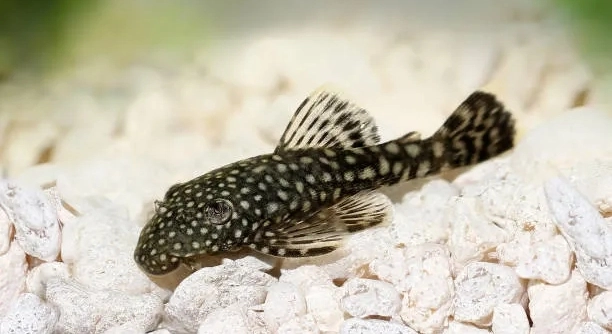
Have you ever noticed your pleco acting differently after a sudden change in water conditions? These gentle bottom-dwellers rely on stable environments to stay healthy and active in your aquarium.
Plecos can survive minor tank spikes if the fluctuations are brief and not extreme. However, repeated or severe changes in ammonia, nitrite, or pH levels can lead to stress, weakened immunity, and eventual health deterioration in these sensitive fish.
Understanding the effects of water instability will help you protect your pleco and maintain a balanced, thriving aquarium environment.
Understanding Tank Spikes and Their Impact on Plecos
Tank spikes happen when ammonia, nitrite, or nitrate levels suddenly rise, often due to overfeeding, poor filtration, or irregular maintenance. For plecos, these changes can be dangerous, as their health depends heavily on consistent and clean water conditions. Even minor spikes can irritate their skin and gills, causing them to breathe heavily, hide more than usual, or lose appetite. These warning signs often go unnoticed until stress takes a visible toll. Maintaining a balanced ecosystem helps prevent these issues, ensuring your pleco stays active and healthy. Regular testing, careful feeding, and cleaning routines go a long way toward preventing harmful spikes that could weaken your fish over time.
Plecos are resilient but not immune to water changes. If tank spikes persist, their ability to recover diminishes, making them more prone to infections and long-term health problems that can be difficult to reverse.
When a tank spike occurs, the first step is identifying the source. Check for leftover food, clogged filters, or decaying plants, as these release toxins into the water. Performing a partial water change can immediately reduce harmful levels. Using a quality dechlorinator also helps stabilize the environment. Afterward, monitor your pleco closely for signs of distress such as rapid gill movement or loss of color. It’s essential to maintain a stable temperature and ensure proper oxygen levels during this period. Once the water quality returns to normal, continue testing regularly to catch early fluctuations. Preventive care not only minimizes future spikes but also ensures your pleco thrives in a consistent, clean habitat.
Helping Plecos Recover from Minor Tank Spikes
After a spike, plecos need calm and stability. Clean water and steady parameters give their immune system the support it needs to recover naturally.
Begin by gradually restoring the tank’s balance without overcorrecting. Avoid drastic water changes, as sudden shifts can add further stress. Instead, change small portions daily while keeping the temperature consistent. Provide your pleco with hiding spots and limit lighting to reduce anxiety. Feeding should be light but consistent, ensuring leftover food doesn’t worsen the problem. Test the water daily until ammonia and nitrite levels return to zero. Adding beneficial bacteria can help stabilize biological filtration and support recovery. Keep an eye on your pleco’s behavior; increased movement or active feeding indicates improvement. Consistency is key—stable conditions prevent relapse. Over time, your pleco will regain energy, return to normal habits, and continue thriving in a well-maintained environment that promotes long-term health and balance.
Preventing Future Tank Spikes
Consistent maintenance is the most effective way to prevent tank spikes. Regular water testing, proper filtration, and careful feeding habits ensure your pleco’s environment remains clean and stable without sudden fluctuations that could cause harm or stress.
A well-maintained tank begins with routine observation. Check your filters weekly and replace or rinse them as needed to maintain proper water flow. Avoid overfeeding, as leftover food quickly decays and releases toxins. Perform partial water changes every week to keep ammonia and nitrite levels under control. Make sure to remove debris or uneaten food from the substrate to prevent buildup. Use a reliable testing kit to monitor changes and act before they become a problem. Stability, not perfection, keeps plecos healthy. Regular care helps prevent unexpected issues and provides your fish with a safe and consistent environment where they can thrive naturally.
Plecos rely on steady, clean water conditions to stay active and resilient. Maintaining balanced parameters not only prevents spikes but also strengthens their immune system. By keeping your tank clean, feeding moderately, and avoiding overstocking, you create a stable aquatic home that supports long-term health. Prevention always outweighs recovery in maintaining a peaceful aquarium.
Recognizing Early Warning Signs
Changes in behavior often signal that something is wrong. When plecos experience stress from water spikes, they may breathe faster, hide excessively, or lose interest in food. These small signs are important and should never be ignored.
Monitoring your pleco’s behavior helps identify issues before they worsen. If you notice sluggish movement or surface gasping, test the water immediately for ammonia or nitrite spikes. Early detection allows quick correction and minimizes harm. Dull coloration or clamped fins also indicate discomfort. Ensure your filtration system is functioning properly, and reduce feeding if waste is visible. Observing these cues daily helps you respond faster and prevents severe conditions from developing. By learning your pleco’s normal habits, you’ll quickly notice when something changes, giving you time to act before small fluctuations turn into serious water quality problems that threaten your fish’s well-being.
Best Water Parameters for Plecos
Plecos thrive best in stable conditions, with temperatures between 74°F and 80°F and a pH level of 6.5 to 7.5. Maintaining these parameters prevents stress and supports proper digestion, growth, and immune function in their daily life.
Regular testing ensures these values remain consistent. Using a reliable thermometer and liquid test kit helps detect subtle fluctuations before they become harmful. Avoid sudden temperature changes during water changes, as plecos react poorly to rapid shifts. Stability in temperature and pH plays the biggest role in keeping them healthy long term.
Importance of Filtration and Oxygen
A strong filtration system keeps the water clean by removing waste, uneaten food, and toxins. For plecos, this is essential since they produce a fair amount of waste due to their size and eating habits. A good filter promotes water circulation and balances beneficial bacteria.
Choosing the Right Tank Mates
Plecos do well with peaceful fish that share similar water needs. Avoid aggressive or fin-nipping species that may cause stress. Calm companions like tetras, mollies, and corydoras make suitable choices, keeping the aquarium environment harmonious and safe for your pleco’s comfort and well-being.
FAQ
Can plecos survive minor ammonia spikes?
Plecos can tolerate very small ammonia spikes for a short time, but their health quickly declines if levels remain high. Even slight exposure can irritate their gills and make breathing difficult. Prolonged ammonia presence damages tissue and increases vulnerability to infection. Immediate partial water changes help reduce toxicity and prevent lasting harm.
How long does it take plecos to recover from a tank spike?
Recovery time depends on how severe the spike was and how quickly it was corrected. In mild cases, plecos can regain normal behavior within a few days once water quality stabilizes. However, if the spike caused stress or infection, full recovery may take one to two weeks. During this time, maintaining clean water and providing proper nutrition are crucial for healing.
Can poor filtration cause tank spikes?
Yes, inefficient filtration is one of the main causes of sudden water spikes. When the filter fails to remove debris or support beneficial bacteria, waste begins to break down into harmful ammonia and nitrite. Plecos produce heavy waste, making strong filtration especially important. Cleaning or replacing filter media regularly ensures smooth water flow and stable conditions.
Do plecos help keep tanks clean?
Plecos are often considered “tank cleaners,” but their cleaning abilities are limited. They eat algae and some leftover food, but they cannot replace proper maintenance. In fact, plecos themselves add to the bioload, meaning their waste contributes to ammonia levels. Routine cleaning and water changes remain necessary for a healthy tank.
What are the first signs that a pleco is stressed?
A stressed pleco may hide more often, breathe rapidly, or refuse food. You might also notice faded color or sluggish behavior. These are early warnings that something is off with the water or environment. Testing the water immediately helps identify the cause before the issue becomes serious.
Can temperature changes cause stress in plecos?
Yes, sudden temperature shifts can cause significant stress. Plecos thrive in stable temperatures between 74°F and 80°F. A rapid drop or rise in temperature affects their metabolism and weakens their immune system. Gradual changes and consistent monitoring prevent shock and help them stay healthy and active.
Is it safe to use chemicals to fix water spikes?
While some products temporarily neutralize toxins, relying on them too often can mask underlying problems. The safest approach is to address the cause, such as overfeeding or poor filtration. Using chemicals occasionally is fine, but maintaining balance through routine care ensures long-term stability and better fish health.
Do plecos need special care after a tank spike?
After a spike, plecos benefit from stable conditions and reduced stress. Keep lighting soft, water clean, and feeding minimal until they act normally again. Adding extra oxygen through an air stone can help them recover faster. Stability during recovery ensures they regain strength and resist future fluctuations.
Can tank size affect water spikes?
Absolutely. Smaller tanks are more prone to rapid chemical changes because waste builds up faster in limited water volume. Plecos need spacious tanks—at least 30 gallons for smaller species—to dilute waste and maintain stable parameters. A larger tank makes it easier to manage and prevent dangerous spikes.
How often should I test my tank to prevent spikes?
Testing once a week is usually enough for stable tanks, but more frequent testing is ideal for newer setups or after adding new fish. Regular monitoring helps catch small changes before they become dangerous. Keeping a simple log of results can also help track trends and maintain balance.
Can overfeeding lead to minor tank spikes?
Yes, overfeeding is one of the most common causes of spikes. Uneaten food decomposes quickly, producing ammonia that disrupts balance. Plecos only need what they can consume within a few minutes. Controlled feeding keeps the water cleaner and prevents sudden chemical increases that could harm your fish.
Are certain pleco species more sensitive to tank spikes?
Some species, like the Bristlenose Pleco, are slightly more tolerant of fluctuations, while others, such as the Royal Pleco, require very stable conditions. Larger species generally produce more waste and are more affected by poor water quality. Knowing your pleco’s specific needs helps prevent stress and illness.
Can frequent water changes harm plecos?
Frequent water changes are beneficial as long as they’re done correctly. Changing small amounts regularly helps maintain balance without shocking the fish. However, large or sudden changes can alter temperature and pH too quickly. Gradual, consistent maintenance keeps your pleco safe and the water clean.
What should I do if my pleco becomes lethargic after a spike?
If your pleco seems sluggish, test the water immediately to ensure parameters are stable. Perform a partial water change and increase aeration if oxygen levels are low. Keep lighting dim and avoid unnecessary stress. With consistent care, your pleco will usually regain its energy within a few days.
Why do spikes happen even in well-maintained tanks?
Even stable tanks can experience spikes from unexpected issues, such as a dead fish, filter malfunction, or sudden temperature shift. These changes quickly impact water chemistry. Regular inspections, quick response, and balanced feeding help prevent such problems and ensure your pleco’s environment stays healthy and consistent.
Final Thoughts
Caring for plecos requires patience, consistency, and awareness of how sensitive they are to changes in their environment. Even minor tank spikes can cause stress that affects their health over time. Maintaining stable conditions helps them thrive, showcasing their peaceful nature and unique role in the aquarium. These fish rely on balance more than many others, and while they may seem hardy, their tolerance has limits. Clean water, stable temperatures, and proper filtration are the foundations of a healthy tank. With steady care and observation, your pleco will remain active, strong, and display its natural behavior without signs of distress or illness. Stability is what keeps them comfortable and ensures they live long, fulfilling lives.
Many aquarists underestimate how small imbalances can build up quietly. A slight rise in ammonia or a missed water change may not seem serious at first, but plecos notice the difference quickly. Their quiet nature makes it easy to overlook subtle signs of discomfort, such as hiding more than usual or reduced appetite. Understanding these behaviors helps you take early action before the situation worsens. Regular maintenance, controlled feeding, and gentle adjustments to the water are key habits that make a lasting difference. Preventing spikes is far easier than treating their effects later, and consistency is always more valuable than large, irregular efforts. Watching your pleco remain calm and healthy is a reward that comes from simple, steady attention to detail.
In the end, caring for plecos is about balance and awareness. They are resilient but depend on you to provide a safe, clean space free from sudden changes. Monitoring your water regularly, choosing suitable tank mates, and ensuring proper oxygen flow all contribute to their well-being. When their environment stays stable, plecos become more active and show their full beauty, from their peaceful grazing to their calm movements along the tank floor. Maintaining these conditions benefits not only your pleco but also every other creature sharing the same water. With time, caring for them becomes second nature—an easy, satisfying routine built on understanding and consistency. Providing a stable, balanced habitat is the greatest way to ensure your pleco continues to thrive in comfort and health for many years to come.

Hello,
If you enjoy the content that we create, please consider saying a "Thank You!" by leaving a tip.
Every little bit helps us continue crafting quality advice that supports the health, happiness, and well-being of pets around the world, for pets of all shapes, sizes, and species.
We really appreciate the kindness and support that you show us!