Can Bristlenose Plecos Handle Large Fish?
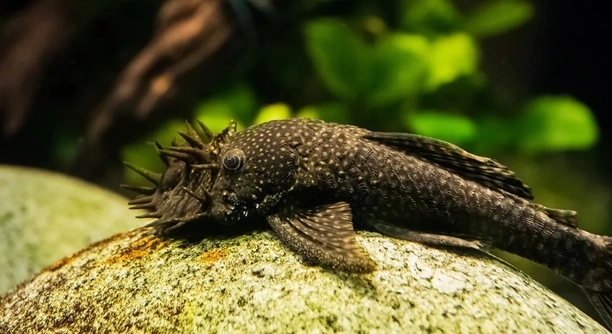
Have you ever found yourself wondering if your Bristlenose Pleco can peacefully share a tank with much larger fish species? Many aquarium keepers face this situation when balancing size differences and tank harmony among their aquatic pets. Bristlenose Plecos can handle living with large fish under proper conditions, mainly due to their calm temperament, armored … Read more
How Often Should You Change Pleco Water?

Do you ever find yourself admiring your pleco as it glides across the tank, yet wondering if the water around it is clean enough? Caring for these fish means keeping their environment healthy and balanced. Pleco water should typically be changed weekly, with about 25–30% of the water replaced each time. Frequent monitoring of water … Read more

7 Ways to Tell Your Pleco Is Underfed

Have you ever noticed your pleco acting differently and started wondering if it might not be eating enough? These peaceful bottom dwellers often hide their health issues until they become more serious. A pleco is underfed when it shows visible signs such as a sunken belly, reduced activity, and increased scavenging behavior. Weight loss, dull … Read more

7 Tips for Keeping Plecos in Shared Aquariums

Keeping plecos in shared aquariums can be a rewarding experience, but it requires attention to their unique needs. Many fishkeepers enjoy the peaceful presence of plecos alongside other species in a community tank. Proper management of plecos in shared aquariums involves monitoring tank size, water parameters, hiding spaces, diet, and tankmates. Ensuring environmental stability and … Read more

7 Things to Know Before Breeding Plecos

Breeding plecos can be a rewarding experience, but it requires careful preparation and attention to detail. Many aquarists underestimate the time and effort needed to successfully breed these unique fish. Understanding their needs is essential. Before attempting to breed plecos, aquarists should consider water quality, tank size, diet, temperature, hiding spaces, breeding behavior, and species-specific … Read more

Why Is My Pleco Climbing the Aquarium Glass?

Have you ever looked into your aquarium and noticed your pleco scaling the glass as if it were exploring a new world? This behavior might seem strange, but it’s actually quite common among pleco owners. Plecos often climb the aquarium glass due to natural instincts, environmental factors, or stress. This behavior helps them search for … Read more

What to Do If Plecos Seem Less Active

Have you ever noticed your pleco resting in the same spot for long hours, barely moving around the tank? Sometimes their inactivity can be worrying, especially when you expect them to explore or feed more actively. Reduced activity in plecos is often linked to water quality, temperature fluctuations, or inadequate diet. Ensuring optimal tank conditions, … Read more

7 Signs of a Peaceful Bristlenose Tank

Have you ever wondered if your bristlenose tank is truly calm and well-balanced? Observing your fish regularly can reveal subtle behaviors and interactions that indicate a peaceful and healthy environment for them to thrive. A peaceful bristlenose tank is characterized by minimal aggression, stable water conditions, sufficient hiding spots, and well-fed fish. Fish demonstrate calm … Read more

Can Plecos Get Injured From Sharp Decor?

Do you ever find yourself arranging your aquarium, making sure every decoration looks just right, while also thinking about the little plecos swimming around? These bottom-dwelling fish explore everything and can sometimes come into contact with sharp objects. Plecos can indeed get injured from sharp decor in their tanks. Cuts, scrapes, and fin damage may … Read more

7 Signs Your Pleco Isn’t Getting Enough Iron

Do you ever notice your pleco swimming slower or looking a little dull in color? Sometimes these signs point to nutritional gaps. Iron is an important mineral for their health, and missing it can affect their wellbeing. A pleco that isn’t getting enough iron may show symptoms such as pale gills, slow growth, weakened fins, … Read more