
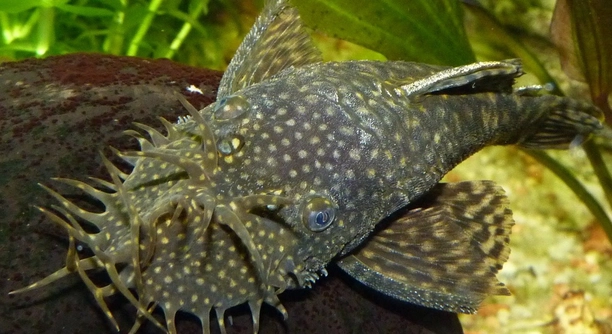
Do you ever notice your pleco struggling after mealtime, appearing less active or bloated than usual? Observing these changes can be concerning, especially when you want to ensure your fish stays healthy and comfortable.
Certain foods can cause constipation in plecos due to their high starch, low fiber, or indigestible content. Staples like iceberg lettuce, cucumbers, and starchy vegetables may slow digestion, leading to discomfort and potential health issues if fed excessively.
Knowing which foods may impact your pleco’s digestion will help you maintain a healthier, more balanced diet for your aquatic companion.
Iceberg Lettuce
Iceberg lettuce is often offered to plecos because it is easy to handle and floats well in tanks. However, it contains very little fiber and has a high water content, which makes it difficult for plecos to digest properly. Feeding iceberg lettuce regularly can lead to bloating and constipation. Unlike darker leafy greens, iceberg lettuce provides almost no nutritional value, so relying on it can leave your pleco with deficiencies over time. Many owners notice their fish struggling to process this type of lettuce, especially when fed in large quantities. While it can be given occasionally, it should never be a staple in their diet. Replacing iceberg lettuce with more fibrous greens ensures your pleco can digest food efficiently and maintain good health. Observing your fish’s behavior after introducing new vegetables will help you gauge how well they are handling their diet. Choosing the right vegetables supports digestion and prevents discomfort.
In addition to low fiber, iceberg lettuce can swell in a pleco’s stomach, worsening constipation.
For a healthier alternative, consider vegetables like spinach, romaine, or kale. These greens have higher fiber content and more nutrients, supporting digestion and overall well-being. Gradually introducing these vegetables allows your pleco to adjust without upsetting their digestive system. Preparing greens properly, such as blanching or lightly steaming, can make them easier to eat. Removing any uneaten portions promptly prevents water quality issues in the tank, which can also affect your pleco’s health. By carefully selecting vegetables and monitoring feeding habits, you can reduce the risk of constipation and ensure your pleco thrives. Regularly observing stool and behavior will help identify dietary issues early, allowing adjustments before problems worsen.
Starchy Vegetables
Starchy vegetables like potatoes and squash are dense and harder for plecos to digest.
These vegetables contain high carbohydrate content that slows digestion.
Feeding starchy vegetables occasionally is fine, but overfeeding can lead to bloating and constipation. Plecos naturally consume algae and fibrous plant matter, so their digestive systems are not adapted to process large amounts of starch efficiently. Over time, repeated feeding of starchy vegetables can cause chronic constipation, affecting your pleco’s mobility and overall health. Owners often notice reduced activity and swollen abdomens when plecos are struggling with these foods. If you choose to include starchy vegetables, it is important to cook them thoroughly and offer them in small portions. Pairing these vegetables with high-fiber greens can help your pleco digest the food more effectively. Consistent monitoring and adjusting portion sizes will ensure your fish remains healthy and free from digestive discomfort. Understanding how starchy foods interact with a pleco’s diet helps maintain a balanced and safe feeding routine.
Cucumbers
Cucumbers are mostly water and low in fiber, making them difficult for plecos to digest. Feeding them regularly can result in bloating and constipation, even though they are easy to place in the tank and seem appealing.
Despite being a common choice, cucumbers provide little nutritional benefit to plecos. Their high water content can cause digestive issues when offered in large amounts, leading to swelling and discomfort. While plecos may nibble on cucumbers, relying on them as a primary vegetable is not advisable. Substituting with more fibrous greens will support digestion and keep your pleco active and healthy. Observing your fish after feeding cucumbers is important to ensure they are not struggling.
To make cucumbers safer, offer them sparingly and combine with fibrous vegetables. Slicing them thinly or lightly blanching can aid digestion. Always remove uneaten portions to prevent water contamination. Balancing cucumbers with nutrient-rich greens ensures your pleco receives proper fiber and vitamins, minimizing digestive problems. Tracking your pleco’s behavior and stool can help identify early signs of constipation, allowing you to adjust feeding habits promptly and maintain overall health.
Zucchini
Zucchini contains more fiber than cucumbers but can still slow digestion if overfed. It should be offered in moderation to avoid constipation.
Feeding zucchini occasionally is acceptable, but it is essential to monitor portion sizes. Plecos may eat zucchini quickly, but too much can create bloating or digestive blockage. Pairing zucchini with leafy greens like romaine or spinach balances fiber intake and improves digestion. Preparation matters—slicing or lightly steaming zucchini softens it and makes it easier to consume. Removing leftovers promptly prevents water quality issues that could stress your pleco. Keeping track of stool and activity ensures your fish remains healthy and digestive problems are minimized.
Zucchini can be a good supplement when balanced correctly. Offering it alongside fibrous vegetables supports your pleco’s natural diet and reduces constipation risks. Cooking or softening the zucchini helps break down cell walls, making nutrients more accessible while easing digestion. Avoid giving it in large chunks or frequently, as this increases the chance of bloating. Observing your pleco after feeding allows you to adjust portions if needed. Combining zucchini with leafy greens and occasional protein sources provides a balanced, nutrient-rich diet that encourages healthy digestion and activity levels in your pleco.
Iceberg Lettuce Alternatives
Iceberg lettuce alternatives like romaine, kale, and spinach provide more fiber and nutrients, helping plecos digest food properly. These greens support gut health and reduce the risk of constipation when fed regularly in appropriate portions.
Switching to fibrous greens keeps your pleco active and prevents bloating. They digest more efficiently and gain essential vitamins, improving overall health and energy levels.
Sweet Potatoes
Sweet potatoes are high in starch and can be difficult for plecos to digest. Feeding them occasionally is safe, but overfeeding can cause bloating, constipation, and sluggishness in your fish. Careful portion control is essential when including them in their diet.
Frozen Peas
Frozen peas are often used to relieve mild constipation, but they can cause issues if overfed. Always thaw and prepare properly before offering to your pleco to avoid digestive discomfort.
FAQ
What are the signs of constipation in plecos?
Constipation in plecos often shows as bloating, reduced swimming activity, or difficulty moving. You may notice your pleco resting at the bottom of the tank more than usual or producing little to no waste. Swollen abdomens are a common visual indicator.
Can diet alone prevent constipation?
Yes, diet plays a major role in preventing constipation. Feeding high-fiber vegetables and avoiding excessive starchy or watery foods helps maintain proper digestion. Variety in vegetables and occasional protein supplements ensures a balanced diet that reduces the risk of digestive problems.
Are frozen vegetables safe for plecos?
Frozen vegetables like peas, spinach, and zucchini are safe if prepared properly. Thaw them and remove skins if necessary. Freezing may reduce nutrient levels slightly but can make vegetables easier to digest and serve as a helpful supplement for fiber intake.
How often should plecos be fed vegetables?
Feeding vegetables two to three times a week is sufficient for most plecos. Overfeeding, even with healthy greens, can cause bloating or constipation. Portion control is important—offer amounts they can consume in a few hours and remove leftovers to maintain water quality.
Is it necessary to cook vegetables for plecos?
Some vegetables benefit from light cooking or blanching, especially starchy ones like sweet potatoes. Softening them helps break down fibers, making them easier to digest. Leafy greens can generally be fed raw, but always monitor your pleco’s response to new foods.
Can constipation be treated at home?
Mild constipation can sometimes be managed at home by feeding high-fiber vegetables like peas, spinach, or romaine. Ensuring proper water quality and adjusting diet can help your pleco recover. In severe cases, consulting a veterinarian with experience in fish health is recommended.
Are some fish more prone to constipation than others?
Yes, plecos and other herbivorous or omnivorous fish are more prone to constipation because their digestive systems rely on fiber-rich diets. Fish that consume primarily algae or plant matter may struggle with watery or starchy foods that do not provide enough fiber.
How can I monitor my pleco’s digestion?
Observing stool consistency, abdominal size, and activity levels provides insight into digestive health. Healthy plecos produce thin, firm waste and swim actively. Any prolonged changes in these patterns can signal constipation or other digestive issues.
Can treats cause constipation?
Occasional treats like zucchini, cucumber, or starchy vegetables are fine in moderation, but overfeeding can lead to bloating and slowed digestion. Treats should never replace high-fiber vegetables that form the foundation of a pleco’s diet.
What is the best overall diet to prevent constipation?
A balanced diet with high-fiber leafy greens, occasional starchy vegetables, and supplemental protein supports healthy digestion. Rotating vegetables and monitoring portions ensures plecos get nutrients without risking constipation or bloating. Regular observation of your fish helps adjust feeding habits effectively.
Are there any signs that indicate urgent care is needed?
If a pleco stops eating entirely, has extreme bloating, or produces no waste for several days, these can be signs of severe constipation or underlying illness. Immediate consultation with a veterinarian experienced in fish care is recommended to prevent complications.
Can live plants help with digestion?
Live plants can offer some grazing material and mild fiber but should not replace a balanced diet. They can support natural feeding behavior and contribute to tank enrichment, but relying solely on them may not provide enough fiber to prevent constipation.
How important is water quality for digestion?
Water quality is crucial for digestion. Poor water conditions can stress your pleco, slow metabolism, and worsen constipation. Maintaining proper filtration, regular water changes, and stable temperature helps your pleco process food efficiently and remain healthy.
Do all vegetables need the same preparation?
No, some vegetables require blanching or peeling, while others can be fed raw. Leafy greens are typically safe raw, while starchy or thick-skinned vegetables benefit from softening to improve digestibility and prevent bloating.
Final Thoughts
Maintaining a healthy diet for your pleco is essential to prevent constipation and ensure overall well-being. Many common vegetables, though easy to feed, can cause digestive problems if offered too often or in large amounts. Foods like iceberg lettuce, cucumbers, and starchy vegetables may seem harmless, but their low fiber or high starch content can slow digestion and lead to bloating. Observing your pleco’s behavior and abdominal size after meals can help you identify early signs of digestive issues. Small adjustments in diet, such as introducing higher-fiber vegetables like romaine, spinach, and kale, can make a noticeable difference in your pleco’s health. Providing a variety of vegetables and monitoring portion sizes ensures that your pleco receives the nutrients it needs without overloading its digestive system.
Preparation of vegetables is also an important factor in maintaining digestive health. Some vegetables benefit from light cooking, blanching, or slicing to make them easier to consume and digest. Starchy vegetables, such as sweet potatoes or squash, should be softened before feeding to reduce the risk of constipation. Leafy greens, on the other hand, are usually safe to feed raw but should still be offered in appropriate amounts. Combining different types of vegetables in small portions allows your pleco to enjoy a balanced diet that mimics its natural eating habits. Removing uneaten portions from the tank is also critical to avoid water quality issues, which can further impact digestion and overall health. Consistent observation and adjustments based on your pleco’s reactions are key to preventing digestive problems and ensuring your fish remains active and comfortable.
Finally, keeping track of your pleco’s overall health is as important as the diet itself. Signs of constipation, such as reduced activity, bloating, or minimal waste production, should not be ignored. Addressing these issues early by adjusting the diet, offering fiber-rich vegetables, and maintaining proper tank conditions can prevent more serious complications. Occasional use of supplements, like thawed peas, can help relieve mild constipation, but should not replace a balanced diet. Water quality, temperature, and tank maintenance all contribute to healthy digestion, so it is essential to maintain stable and clean conditions. A thoughtful approach to feeding and regular monitoring of your pleco will promote long-term health, activity, and comfort in its environment, reducing stress and digestive problems over time.

Hello,
If you enjoy the content that we create, please consider saying a "Thank You!" by leaving a tip.
Every little bit helps us continue crafting quality advice that supports the health, happiness, and well-being of pets around the world, for pets of all shapes, sizes, and species.
We really appreciate the kindness and support that you show us!