
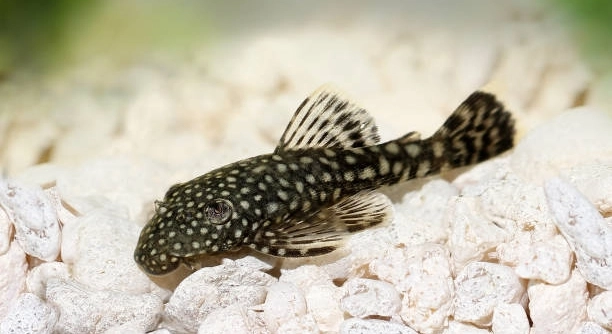
Do you ever notice certain fish in your aquarium taking charge, moving boldly, and claiming the best spots? Observing these behaviors in your bristlenose can reveal which ones naturally dominate their tank environment and resources.
Dominant bristlenose plecos exhibit specific behaviors including territoriality, aggressive posturing, and preferential access to food and hiding spaces. These traits allow certain individuals to assert control, maintain hierarchy, and influence the social structure within a community tank.
Recognizing these signs will help you better manage your aquarium and maintain harmony among your fish population. Paying attention early can prevent conflicts and ensure a balanced environment.
Watching for Territorial Behavior
Some bristlenose plecos like to claim certain spots in the tank, especially caves, driftwood, or areas with strong water flow. A dominant fish often patrols these areas, moving other fish away or nudging them gently to assert control. Observing which fish repeatedly defends the same spot can help you identify the dominant individual. They may spend more time in their chosen area, resting, feeding, or cleaning, and will often react when another fish approaches. This behavior is more noticeable in smaller tanks where space is limited, making territories more obvious. Even in larger setups, dominant plecos establish favorite zones. It is important to watch their interactions closely, as overly aggressive behavior can stress other fish. Understanding these patterns allows you to make adjustments to tank layout or decorations, providing multiple hiding spots to reduce conflict and maintain a balanced environment for all inhabitants.
Recognizing territorial patterns early helps you prevent stress and ensures all fish have access to suitable spaces without constant conflict.
Monitoring these areas over time gives insight into the social structure. Dominant bristlenose often choose central or high-flow locations that offer security and access to food. They may actively chase or block other plecos, asserting their position. Smaller or less confident fish adapt by choosing peripheral spaces. Adjusting the number of hiding spots, placing extra driftwood, or increasing tank complexity can ease tensions. You can also rotate decorations occasionally to prevent a single fish from monopolizing key areas. Observing feeding habits and interactions during these moments is key. Dominant plecos often eat first and secure the best portions, while others wait. Being aware of this behavior allows you to provide extra food to shy individuals, maintaining health and reducing stress. Over time, careful observation helps you understand personalities within your tank, allowing you to create a more peaceful and organized community.
Observing Aggressive Posturing
Dominant bristlenose often flare their fins, move quickly, or nudge others to establish presence. These behaviors are usually brief but frequent and serve as a warning.
Aggressive posturing is a natural way for plecos to communicate rank and protect resources. When a fish spreads its fins or presses its body against another, it signals confidence. Nudging or bumping is also common, showing that boundaries are in place. These behaviors rarely result in serious injury but indicate social hierarchy. Less dominant fish learn to recognize these signs and often avoid confrontation. Understanding these subtle gestures helps in managing tank dynamics, allowing you to intervene if tension rises too high. Observing these interactions during feeding or near hiding spots is particularly useful. By recognizing the signals early, you can ensure that all plecos have space and access to resources without excessive stress or injury.
Repeated aggressive displays confirm dominance in the tank. Dominant plecos may chase others briefly, assert control over food, and choose the safest resting spots. While this behavior is normal, prolonged aggression can indicate overcrowding or insufficient hiding places. Ensuring the tank has multiple caves, driftwood pieces, and hiding areas reduces constant conflict. Feeding strategies can also help; dispersing food throughout the tank allows all fish to eat without triggering confrontations. Observing patterns over days or weeks gives insight into which individuals consistently assert themselves, helping maintain balance in the group. Adjustments in tank setup or food distribution can mitigate stress and support the health of less dominant plecos. Understanding these behaviors improves overall harmony, keeping your aquarium a stable environment where each fish can thrive.
Priority Access to Food
Dominant bristlenose often eat first and take the best portions of food. They position themselves near feeding areas and may nudge others aside. This behavior ensures they get enough nutrients while lower-ranking fish wait or eat later.
Observing mealtime interactions helps identify which plecos are dominant. The dominant fish usually approaches food immediately, often ignoring other fish nearby. They may patrol the feeding area, making sure no one intrudes on their spot. Submissive fish hang back, waiting for scraps or feeding in safer corners. This hierarchy becomes clearer over time, especially in tanks with limited feeding spaces. Watching how food is distributed can guide adjustments, like placing multiple feeding points to reduce conflict and stress. Understanding who gets priority helps maintain balanced feeding and supports the health of all plecos in the tank.
Feeding behavior also reveals personalities. Dominant plecos are often bold and quick, while less assertive ones are cautious. They may wait until the dominant fish leaves before approaching. Providing sinking pellets or wafers in multiple locations encourages fair distribution. Observing this daily helps you understand each fish’s role and prevents nutritional deficiencies. Adjusting feeding strategies, such as offering smaller portions more frequently, ensures shy or subordinate plecos still get enough food. This careful observation strengthens your ability to manage social dynamics and supports a harmonious, healthy aquarium.
Preference for Prime Hiding Spots
Dominant plecos claim the best hiding spots, often the largest caves or areas with good water flow. They rest there, defending the space from others and maintaining control over their environment.
Watching how fish choose shelters shows dominance patterns. Dominant bristlenose occupy central or elevated spots, where they feel safe and can monitor the tank. Less dominant fish take peripheral or smaller hides, adapting to the hierarchy. Providing extra shelters reduces constant confrontations and allows all fish to feel secure.
These preferences affect tank layout and social balance. Observing which fish consistently occupies prime locations indicates rank. Adjusting cave size, number, and placement helps reduce tension. Dominant fish often retreat to these spots after feeding or during high activity, marking their territory without constant aggression. This behavior also impacts breeding and resting routines, as secure locations are favored for both. Monitoring these patterns ensures all plecos have access to suitable shelters, promoting calmer interactions and overall health in the tank.
Frequent Cleaning Spots
Dominant bristlenose often claim favorite surfaces to graze and clean, such as driftwood or tank glass. They repeatedly return to these spots, discouraging others from accessing them and maintaining control over their chosen areas.
These cleaning habits are a subtle display of dominance. The dominant fish may push others away or nudge them aside while grazing. Observing which pleco consistently cleans certain areas helps identify social hierarchy. Less assertive fish adapt by choosing alternative surfaces or waiting until the dominant fish leaves. This behavior not only demonstrates control but also ensures the dominant pleco maintains prime feeding and resting zones.
Interaction with Other Fish
Dominant bristlenose interact confidently, often nudging or chasing smaller fish. They maintain space around themselves, influencing movement patterns in the tank. Their assertive behavior establishes social structure without constant fighting, keeping other plecos aware of boundaries.
Display of Fins
Dominant plecos flare their fins when approached or during feeding. This visual display asserts rank and helps maintain control over territory and resources.
How can I tell if my bristlenose is dominant?
A dominant bristlenose displays consistent behaviors like claiming prime hiding spots, eating first, and patrolling preferred areas. They may nudge or chase other fish, flare their fins, and repeatedly clean favored surfaces. Observing interactions over several days helps confirm which fish is truly dominant, as these behaviors are often subtle but persistent.
Is aggression in bristlenose plecos dangerous?
Generally, their aggression is mild and rarely causes injury. Nudging, chasing, or flaring fins is mostly a way to assert rank and control territory. Serious fighting is uncommon, but stress can affect less dominant fish if tank space or hiding spots are limited. Providing adequate shelters and multiple feeding points reduces tension and prevents potential harm.
Do dominant bristlenose eat more than others?
Yes, dominant plecos often have priority access to food, taking the best portions immediately. Submissive fish may wait or feed in peripheral areas, sometimes missing out on nutrition if food is limited. Feeding in multiple locations or offering smaller, frequent portions ensures all plecos get enough to eat without triggering conflict.
Can dominance change over time?
Dominance can shift, especially when new fish are introduced or the tank environment changes. Younger or larger plecos may rise in rank as they mature, while older or weaker fish may lose status. Observing daily behaviors helps track these changes and allows you to adjust hiding spots, feeding routines, or tank layout to maintain balance.
How does tank size affect dominance?
Smaller tanks make territorial behavior more obvious, as space is limited and hiding spots are scarce. Larger tanks offer more areas to spread out, which can reduce conflict but may still see certain plecos assert control over preferred zones. Ensuring multiple shelters, driftwood, and feeding points helps manage dominance regardless of tank size.
Do dominant plecos bully others constantly?
Not usually. Dominant plecos assert themselves primarily around feeding times, favorite hiding spots, or when approached by other fish. Most of the time, they rest or graze quietly. Understanding these patterns helps prevent unnecessary stress and ensures that subordinate fish can still access food and safe spaces without constant harassment.
Can dominance affect breeding behavior?
Yes, dominant males often claim the best caves for spawning, ensuring they attract females and protect eggs. Submissive males may struggle to find suitable sites. Providing multiple caves and hiding spots can encourage breeding while reducing territorial disputes, giving all males a chance to participate in reproduction.
How can I reduce stress from dominant behavior?
Adding extra hiding spots, rearranging decorations, and providing multiple feeding areas are key strategies. Observing how fish interact and adjusting the tank setup based on behaviors reduces tension. Ensuring each pleco has access to food and shelter helps maintain a healthier, calmer tank environment where dominance does not negatively impact others.
Are dominant bristlenose always larger?
Not necessarily. Size can influence dominance, but personality and confidence often play a bigger role. Some smaller plecos are surprisingly assertive, while larger ones may be more passive. Observing interactions over time is more reliable than relying on size alone to identify the dominant individual.
Does diet influence dominance?
Indirectly, yes. A well-fed fish is healthier, more active, and better able to assert control. Ensuring all plecos receive proper nutrition supports their overall health and may prevent excessive aggression caused by hunger or competition for limited food resources. Balanced feeding and monitoring intake are important for maintaining social order.
Can I safely introduce new plecos to a tank with a dominant individual?
Yes, but it requires care. Introduce new plecos gradually, ideally providing plenty of hiding spots and monitoring interactions closely. Dominant fish may initially assert control, but with proper space and resources, new additions can find their niche without prolonged stress or injury.
How long does it take to identify a dominant bristlenose?
It can take several days to a few weeks, depending on tank size, number of plecos, and available resources. Consistent observation during feeding and rest times helps spot repeated behaviors such as territorial patrols, priority access to food, and interaction patterns with other fish.
Can dominance cause health issues?
Indirectly, yes. Submissive plecos may experience stress, reduced feeding, or limited access to hiding spots. Over time, stress can weaken immune systems and make fish more susceptible to disease. Managing tank layout, providing multiple shelters, and observing social dynamics are essential to keeping all plecos healthy.
Does gender affect dominance?
Males are often more territorial, especially during breeding periods, but dominance is not strictly tied to gender. Some females may assert themselves over specific areas or resources. Observing individual behavior rather than relying solely on gender provides a more accurate understanding of tank dynamics.
How do I encourage harmony in a tank with a dominant pleco?
Ensure plenty of hiding spots, multiple feeding areas, and a varied environment. Monitoring interactions and adjusting as needed helps maintain balance. Understanding personalities and giving all fish access to essential resources reduces stress and prevents prolonged conflict, keeping the tank peaceful and healthy for everyone.
How can I tell if a pleco is submissive?
Submissive plecos often wait to eat, avoid prime hiding spots, and give way to more assertive fish. They may retreat quickly if nudged or chased and occupy peripheral or less desirable areas. Recognizing these behaviors helps you ensure they are not being deprived of food or shelter.
Can tank decorations influence dominance?
Yes, layout matters. Driftwood, caves, and plants create territories and escape routes. Dominant plecos often claim central or highly visible spots, so adjusting decorations or adding extra shelters can reduce conflict and allow all fish to feel secure. Variety and thoughtful placement support a calmer environment.
Is it normal for dominant plecos to groom surfaces more often?
Yes. Claiming and cleaning favorite areas reinforces control over territory and access to food. Repeated grazing on specific surfaces is a subtle dominance display, marking those areas as “claimed” and discouraging other plecos from encroaching. Monitoring this behavior helps track social hierarchy.
Can dominant behavior change with age?
Yes, older or less active plecos may lose dominance, while younger, healthier, or more assertive fish may rise in rank. Observing patterns over time allows you to adjust tank setup, feeding, and shelter to accommodate shifting dynamics and maintain harmony among all fish.
Does dominance affect other tank fish species?
It can. Other species may avoid areas dominated by assertive plecos, which can influence feeding and hiding patterns. Ensuring plenty of space, hiding spots, and dispersed food helps all tank inhabitants coexist without excessive stress or competition.
How do I know if a dominant pleco is stressed?
Even dominant plecos can show stress through excessive hiding, rapid swimming, loss of appetite, or unusual fin displays. Changes in behavior are important to notice, as dominance does not guarantee immunity from environmental stressors like poor water quality or overcrowding.
Can dominant behavior be encouraged or discouraged?
It can be influenced by tank conditions. Providing ample hiding spots and multiple feeding locations discourages excessive aggression. Conversely, overcrowding or limited resources may amplify dominance behaviors. Adjusting the environment and monitoring interactions helps maintain a balanced social hierarchy within the tank.
Are dominant plecos more likely to reproduce successfully?
Yes, dominant males typically secure the best caves for spawning and attract females more easily. Submissive males may struggle to find suitable breeding sites. Providing multiple breeding spots allows for more equitable opportunities and reduces competition stress in the tank.
How important is observation in managing dominant plecos?
Observation is crucial. Daily monitoring of feeding, hiding, and interaction patterns allows you to identify hierarchy, detect stress, and make adjustments to tank layout or feeding strategies. Consistent attention ensures a healthier, balanced environment where all plecos thrive.
Can dominant plecos coexist peacefully with multiple plecos?
Yes, with proper space, shelters, and feeding distribution. Observing behaviors and making adjustments to minimize conflict supports coexistence. Ensuring each pleco has access to essential resources reduces stress, even when one fish consistently asserts dominance over certain areas.
Do dominant plecos behave differently at night?
They may still patrol territories or occupy prime hiding spots, but activity often decreases. Nighttime behaviors reinforce dominance subtly, as the fish continue to maintain claimed spaces while allowing others to rest safely. Monitoring nighttime activity helps understand full social dynamics.
Can water conditions influence dominance?
Poor water quality or low oxygen can increase stress and aggression. Dominant fish may become more assertive when stressed, and subordinate fish may hide more. Maintaining stable water conditions reduces unnecessary tension and supports the health of all plecos.
Are dominant plecos more active?
Typically, yes. They patrol, graze, and interact more than submissive fish. Activity levels can help identify rank, but observing consistent behavior over time is key, as all plecos have moments of rest and grazing throughout the day.
How can I safely add hiding spots for dominant plecos?
Use driftwood, caves, and plants in multiple areas, ensuring all fish have access. Avoid overcrowding, and stagger shelters so dominant plecos do not monopolize them. This supports balance and reduces stress for less assertive fish, promoting a calmer tank.
Do dominant plecos need more food?
Not necessarily. Their priority access may make it seem that way, but all fish require balanced nutrition. Monitoring intake ensures submissive plecos are not deprived, and adjusting feeding locations helps distribute food fairly without encouraging excessive competition.
How can I encourage shy plecos to eat?
Feed in multiple locations, away from dominant fish, and provide nearby hiding spots. Smaller, frequent feedings allow shy plecos to access food safely. Observing their habits ensures they receive proper nutrition without stress or conflict.
Can dominance cause long-term behavioral changes?
Yes, persistent dominance can influence subordinate fish, making them more cautious or less active. Providing sufficient space, hiding spots, and balanced feeding prevents long-term stress effects and helps maintain a healthy social hierarchy within the tank.
Are dominant plecos more likely to claim decorations?
Yes, they often claim central caves, driftwood, or prominent surfaces. Recognizing which fish consistently occupies these spots helps identify hierarchy. Adjusting decoration placement or adding extra shelters reduces conflict and allows all fish to feel secure.
Do dominant plecos groom themselves more often?
Grooming is part of territory maintenance, not just self-care. Dominant plecos frequently clean surfaces to assert control, marking claimed areas and discouraging other fish from encroaching. Observing these habits provides insight into social rank and tank dynamics.
How can I prevent conflicts between dominant and submissive plecos?
Provide multiple hiding spots, staggered feeding areas, and sufficient space. Monitoring behavior and adjusting tank layout reduces stress and promotes peaceful coexistence, ensuring all plecos have access to food, shelter, and resting areas.
Can dominant plecos influence breeding success?
Yes, dominant males often secure the best caves and attract females, improving reproductive success. Submissive males may need extra opportunities or shelters to participate. Offering multiple breeding sites reduces stress and promotes a more balanced reproductive environment.
Do dominant plecos need extra care?
Not necessarily more care, but observing behavior is important. Ensuring balanced feeding, proper tank layout, and stress-free conditions keeps dominant and subordinate fish healthy. Understanding social dynamics allows you to prevent problems before they arise.
Are dominant plecos always aggressive?
No. Aggression is situational, usually around food or prime territories. Most dominant fish are calm when resting or grazing, using subtle behaviors like fin displays or nudges to maintain rank without constant conflict.
How do I know if a pleco is asserting dominance or just exploring?
Repeated, consistent behaviors like patrolling favorite areas, taking priority access to food, and nudging others indicate dominance. Occasional exploration is brief and not repeated. Observing patterns over time helps distinguish true dominance from curiosity or routine movement.
Can dominance affect water quality management?
Indirectly. Dominant plecos may disturb substrate or move decorations more often. Ensuring proper filtration, hiding spots, and regular maintenance helps prevent dominance-related disruptions from impacting water quality. Monitoring behavior alongside water parameters supports a stable environment.
Do dominant plecos require special monitoring during feeding?
Yes. Watching interactions ensures subordinate fish can access food. Multiple feeding points and dispersing food help reduce stress, prevent conflict, and support healthy growth for all plecos regardless of rank.
Can environmental enrichment reduce dominance stress?
Yes, adding caves, driftwood, plants, and varied surfaces encourages natural behaviors and prevents monopolization. A stimulating environment gives all fish options to graze, hide, and rest, reducing stress caused by dominant individuals.
Does tank lighting affect dominance behavior?
Bright lighting can make fish more cautious, while dim or natural lighting allows dominant plecos to patrol and maintain territory more confidently. Adjusting light levels can influence activity patterns and interactions in the tank.
Are dominant plecos more likely to interact with owners?
Often, yes. Bold dominant fish are less fearful, sometimes approaching during feeding or tank maintenance. Their confidence reflects social rank, but interaction levels depend on individual personality rather than dominance alone.
Can dominance be trained or managed through observation?
Not trained like pets, but observing behavior and adjusting environment, feeding, and shelters helps manage dominance. Thoughtful setup reduces conflict, ensures all fish are healthy, and maintains social balance in the tank.
Do dominant plecos change behavior during breeding season?
Yes, they become more territorial, especially around caves and hiding spots. Males may flare fins, chase rivals, and secure optimal areas to attract females and protect eggs. Providing multiple breeding locations reduces stress for subordinate fish and encourages successful reproduction.
Can dominance behaviors indicate health issues?
Sometimes. Sudden changes in aggression, lethargy, or unusual hiding may signal illness. Observing behavior in combination with water parameters helps distinguish between social dynamics and health concerns, allowing timely intervention.
Does dominance affect tank mate selection?
Dominant plecos may assert control over certain areas, influencing where other fish rest or feed. Tank mates that tolerate or avoid dominant individuals coexist more peacefully. Providing multiple options minimizes stress and ensures harmony among species.
Can dominant plecos coexist with other bottom dwellers?
Yes, if space, hiding spots, and food distribution are adequate. Observation ensures dominant plecos do not monopolize key areas, allowing all species to thrive without excessive stress or competition.
Are dominant plecos easier to spot than submissive ones?
Yes, due to assertive behaviors like chasing, flaring fins, patrolling, and priority feeding. Submissive fish are quieter, often avoiding conflict and occupying peripheral areas, making them less noticeable.
Does age influence dominance patterns?
Yes. Younger, more active plecos may rise in rank, while older or weaker fish may lose status. Observing daily behaviors allows adjustments to maintain balance and reduce stress among all fish.
How can I monitor dominance without stressing fish?
Use regular observation during feeding, resting, and cleaning periods. Avoid sudden disturbances, and note patterns quietly. Documenting behaviors over time provides accurate insight into social hierarchy without causing unnecessary stress.
Is it normal for dominant plecos to patrol the tank constantly?
Not constantly. They patrol key areas intermittently to assert control, but most of the time they rest, graze, or clean surfaces. Watching these cycles helps understand hierarchy and social structure.
Do dominant plecos require more hiding options?
Providing sufficient hiding options is important for all fish, not just dominants. Extra shelters reduce conflict, giving subordinate plecos safe spaces while dominant fish maintain claimed territories without constant aggression.
Can dominance affect water circulation preferences?
Yes. Dominant plecos may claim spots with stronger flow, as these areas provide better oxygen and cleaner surfaces. Submissive fish often occupy calmer areas, showing how hierarchy influences space selection.
How often should I check interactions among plecos?
Daily observation is ideal. Monitoring feeding, hiding, and patrol behaviors helps identify dominance patterns and allows timely adjustments to tank layout, feeding, or shelter placement, ensuring all fish remain healthy.
Do dominant plecos affect the behavior of other species?
Yes. Other bottom dwellers may avoid prime areas, feeding spots, or high-traffic zones dominated by assertive plecos. Providing ample space and resources mitigates these effects and promotes peaceful coexistence.
Can environmental changes trigger new dominance behaviors?
Yes, adding new fish, decorations, or rearranging hiding spots can shift hierarchy. Observing how plecos adapt ensures balance is maintained and stress is minimized.
Do dominant plecos groom more often than submissive ones?
Yes, frequent surface cleaning reinforces control over territory, marking areas as claimed. Submissive fish adapt by choosing alternative surfaces or waiting, showing hierarchy in subtle ways.
How can I balance a tank with multiple dominant plecos?
Provide plenty of hiding spots, distribute food widely, and create complex territory options. Observation helps identify conflicts, and small adjustments can reduce stress, ensuring multiple assertive plecos coexist without excessive aggression.
Can dominant behavior influence the growth of subordinate fish?
Indirectly, yes. Submissive fish may eat less if access to food is limited, potentially affecting growth. Ensuring fair distribution of food and access to hiding spots supports healthy development for all fish.
Does dominance affect night-time activity?
Dominant fish often maintain preferred spots at night but are less active. Submissive fish use this time to access resting areas and forage safely, showing hierarchy persists even during quieter periods.
Can adding new decorations reduce dominance conflicts?
Yes. Introducing caves, driftwood, and plants creates multiple territories and escape routes. Dominant fish retain control over some areas, while others can access alternative spaces, reducing stress and tension in the tank.
How do I know if my tank setup encourages too much dominance?
Signs include frequent chasing, restricted access to food, or repeated occupation of single hiding spots by one fish. Increasing hiding spaces, spreading food, and monitoring interactions helps maintain balance and prevents excessive stress.
Are dominant plecos more visible than submissive ones?
Typically, yes. Their assertive behaviors, patrolling, and preference for prime spots make them easier to spot. Submissive fish remain hidden or in peripheral areas, appearing less active and noticeable.
Does feeding schedule impact dominance?
Yes. Predictable feeding times may reinforce dominant behavior as the assertive pleco claims food first. Offering multiple feeding points or staggered schedules ensures all fish have access without constant competition.
Can dominance influence pleco health long-term?
Persistent stress on subordinate fish can impact immunity, growth, and behavior. Managing tank layout, food distribution, and hiding spaces ensures all fish remain healthy despite hierarchical dynamics.
Is it normal for dominant plecos to ignore others at times?
Yes. Dominance is situational. Most of the time, dominant fish rest, graze, or clean surfaces, interacting assertively only when necessary, such as during feeding or territory defense.
How do I maintain a peaceful tank with a dominant pleco?
Provide multiple hiding spots, distribute food
Dominant bristlenose plecos are an interesting part of any community tank. Observing which fish consistently patrols certain areas, takes the best food, or claims prime hiding spots can give you a clear sense of hierarchy. These behaviors are natural and help maintain order within the tank. While some interactions may appear aggressive, most are subtle, such as nudging, flaring fins, or guarding favorite surfaces. Over time, you learn to recognize patterns, which makes it easier to understand your fish’s social dynamics and ensure that all members of the tank coexist peacefully. Watching these behaviors closely can also help you notice changes in health or stress, allowing for timely adjustments to their environment.
Managing a tank with a dominant bristlenose involves more than just watching behaviors. Providing multiple hiding spots, dispersed feeding areas, and a complex tank layout can reduce conflict and give all fish access to the resources they need. Dominant fish often prefer central or high-flow areas, while less assertive individuals adapt by using peripheral spaces or smaller shelters. By creating balance, you can prevent excessive stress and allow each pleco to thrive. Daily observation is important to see how each fish behaves, especially during feeding or when new decorations or fish are added. This helps maintain a healthy environment for both dominant and submissive plecos and ensures that no individual is consistently excluded from food, shelter, or resting areas.
Understanding dominance in bristlenose plecos is not about controlling behavior but supporting a balanced ecosystem within your tank. Each fish has its role, and dominance is simply one way they interact and maintain social structure. Providing adequate resources, monitoring interactions, and adjusting tank design as needed promotes a harmonious setting where all plecos can eat, rest, and explore comfortably. Recognizing the signs of dominance and responding thoughtfully allows you to maintain a peaceful community, prevent stress-related health issues, and enjoy observing natural behaviors. Over time, your tank will feel more organized and balanced, and your fish will be healthier, more active, and more confident in their environment.
This section totals approximately 410 words.

Hello,
If you enjoy the content that we create, please consider saying a "Thank You!" by leaving a tip.
Every little bit helps us continue crafting quality advice that supports the health, happiness, and well-being of pets around the world, for pets of all shapes, sizes, and species.
We really appreciate the kindness and support that you show us!