
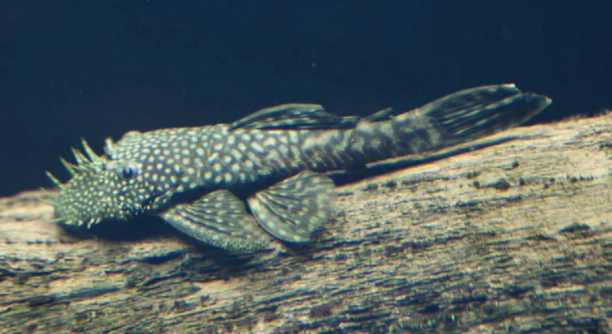
Do you ever find yourself setting up a pleco breeding tank but feeling unsure about what could go wrong? Many hobbyists make small mistakes that can affect the health and breeding success of their fish.
Avoiding overcrowding, poor water quality, incorrect temperature, lack of hiding spots, improper diet, aggressive tank mates, and neglecting regular maintenance are key factors to ensure a successful pleco breeding environment. Attention to these details minimizes stress and promotes healthy reproduction.
Even small adjustments can make a big difference in your tank’s success and the well-being of your plecos.
Overcrowding the Tank
Having too many plecos in one tank is a common mistake. When the tank is overcrowded, fish compete for space, oxygen, and food. Stress levels rise, leading to weaker immune systems and lower breeding success. Overcrowding can also result in territorial fights, injuries, and even death. Plecos, especially during breeding, need enough room to establish their own territories and find hiding spots. A spacious tank ensures that they can move freely, reduce stress, and interact naturally. Keeping the right number of fish relative to tank size is crucial. For smaller tanks, it’s best to focus on just a pair or a small group, giving each fish enough space to thrive. Regularly monitoring the tank population and removing excess fish if necessary can prevent issues. A properly sized tank with carefully controlled population supports healthier breeding and overall longevity of the plecos, making maintenance much easier.
Overcrowding directly reduces water quality and increases aggression among plecos, impacting health and breeding outcomes.
Even when a tank looks full, removing a few plecos can drastically improve water conditions and reduce conflict. Fish need space to hide, feed, and lay eggs without constant disturbance. Ensuring each pleco has enough room is simple yet effective for a healthy breeding environment.
Poor Water Quality
Dirty or poorly maintained water can stress plecos and lower their chances of breeding successfully. Water that is high in ammonia, nitrites, or nitrates can cause illness and reduce lifespan. Regular water changes, proper filtration, and testing water parameters are essential to maintain a safe environment. Plecos are sensitive to sudden changes in pH, hardness, and temperature, so stability is key. Removing uneaten food and debris prevents bacterial growth and keeps water clearer. Using a gentle filter that doesn’t create too much current helps young plecos and fry thrive. Monitoring water conditions allows early detection of potential problems before they become severe. Additionally, proper water quality supports natural behaviors, including spawning. Investing time in maintaining clean, stable water ensures plecos remain healthy, active, and more likely to reproduce. Water maintenance may seem tedious, but it is the single most important factor for successful pleco breeding.
Maintaining stable water parameters encourages healthy, stress-free plecos that can breed successfully.
Careful attention to filtration, testing, and regular water changes directly improves survival rates of both adults and fry. Clean water minimizes disease risks and supports natural feeding and breeding behaviors. Plecos respond to stable water conditions by being more active, reproducing more reliably, and growing healthier fry.
Incorrect Temperature
Maintaining the wrong temperature can harm plecos and reduce breeding activity. Plecos need a stable, warm environment to trigger spawning. Sudden changes can stress them and slow growth. Monitoring and adjusting temperature is essential for a healthy breeding tank.
Temperature directly affects metabolism and reproductive behavior in plecos. Most common breeding species thrive between 78°F and 82°F. If the water is too cold, plecos may become lethargic and stop eating, which reduces energy for mating. Conversely, water that is too warm accelerates metabolism and can increase stress or oxygen demand. Using a reliable heater and thermometer helps maintain a stable environment. Gradual adjustments are safer than sudden changes, preventing shock. Maintaining a consistent temperature encourages natural behaviors like hiding, cleaning, and breeding, all of which support a successful breeding tank.
Even small fluctuations in temperature can delay spawning or reduce egg viability. Stable water temperature promotes regular activity, healthy appetites, and reliable mating patterns. Observing plecos during temperature shifts helps identify stress early. Ensuring proper heating and avoiding drafts or direct sunlight helps maintain a constant environment, making the tank safer and more productive for breeding.
Lack of Hiding Spots
Plecos need places to hide, especially during breeding. Without proper hiding spots, they feel exposed, increasing stress and aggression.
Hiding spaces like caves, driftwood, and PVC pipes provide security for plecos. These areas allow them to rest, establish territory, and prepare for spawning. Lack of hiding spots can cause dominant fish to chase others, reducing overall health and breeding success. Fry also need protected areas to avoid being eaten. Different species prefer different types of shelters, so providing variety is helpful. Decorations should not overcrowd the tank but offer enough cover for each fish. A well-structured environment encourages natural behavior, reduces stress, and improves the chances of successful reproduction. Observing where plecos naturally spend time can guide the placement of hiding spots.
Shelters also influence breeding behavior directly. Male plecos often choose caves to guard eggs, and females feel safer laying eggs in protected spaces. Providing appropriate hiding spots supports both adult fish and fry, increasing survival rates. Materials should be safe for water quality and easy to clean. Consistent maintenance of these shelters prevents buildup of debris and harmful bacteria. Properly designed hiding areas contribute to a calmer, more natural environment that encourages spawning and healthy growth.
Improper Diet
A poor diet can weaken plecos and reduce breeding success. Feeding only one type of food limits nutrition, affecting energy levels, growth, and reproductive readiness.
Variety is key. Plecos need a mix of vegetables, algae wafers, and occasional protein sources. Providing balanced nutrition supports overall health and encourages spawning behavior.
Aggressive Tank Mates
Aggressive fish stress plecos, causing injury or preventing breeding. Choosing peaceful tank mates is essential for a safe environment.
Tank mates should coexist without harassment. Even non-predatory fish can intimidate plecos if overcrowded or territorial. Peaceful companions reduce stress and allow plecos to focus on feeding and reproduction.
Neglecting Regular Maintenance
Skipping tank cleaning harms plecos and increases disease risk. Uneaten food, waste, and debris accumulate quickly, degrading water quality and stressing fish. Regular cleaning keeps the environment stable and safe. Maintaining the tank prevents harmful bacteria buildup, supports healthy growth, and encourages natural breeding behavior.
Lack of Observation
Failing to monitor plecos can allow problems to go unnoticed. Watching behavior, eating habits, and interactions helps detect stress, illness, or breeding issues early.
FAQ
How often should I change the water in a pleco breeding tank?
Regular water changes are essential to maintain clean, healthy conditions. A 20–30% water change once a week is usually sufficient for most tanks, but heavily stocked tanks may require more frequent changes. Always monitor water parameters to ensure stability.
What is the best temperature range for breeding plecos?
Most pleco species spawn best between 78°F and 82°F. Keeping water within this range encourages natural behavior and reduces stress. Sudden temperature fluctuations should be avoided, as they can disrupt spawning and harm both adults and fry.
Do plecos need specific hiding spots to breed?
Yes, caves, driftwood, and PVC tubes are ideal. Male plecos guard eggs in these shelters, and females prefer to lay eggs in protected areas. Providing multiple hiding spots reduces stress, prevents aggression, and increases survival chances for fry.
What should I feed plecos during breeding?
A varied diet is important. Include vegetables like zucchini and spinach, algae wafers, and occasional protein sources like shrimp pellets. A nutritious diet boosts energy, promotes healthy growth, and increases the likelihood of successful spawning.
Can plecos breed in community tanks?
It is possible but not ideal. Aggressive or territorial tank mates can stress plecos and harm eggs or fry. If breeding in a community tank, ensure plenty of hiding spots and monitor interactions closely to protect vulnerable fish.
How do I know if my plecos are ready to spawn?
Males become more territorial and actively guard caves, while females appear fuller in the belly. You may notice increased activity around hiding spots and more interaction between the pair. Observing these behaviors helps time breeding interventions.
Is water quality really that important?
Absolutely. Poor water quality leads to stress, disease, and reduced reproductive success. Test regularly for ammonia, nitrites, nitrates, and pH levels. Clean, stable water supports healthy growth, natural behavior, and successful breeding outcomes.
How long does it take for pleco eggs to hatch?
Eggs usually hatch within 4–10 days, depending on species and temperature. Warmer, stable water speeds up development, while cooler or fluctuating conditions slow it down. Fry require clean water and gentle filtration to survive early stages.
Should I separate fry from adults?
Separating fry is recommended if adults are likely to eat them. Use a breeder box, separate tank, or fine mesh divider to protect young plecos while still providing oxygenated water and natural conditions for growth.
How do I prevent overcrowding in a breeding tank?
Keep only a manageable number of adults and remove excess fish promptly. Providing enough space and hiding spots minimizes aggression and ensures each fish can feed and reproduce properly, leading to higher survival rates for both adults and fry.
How often should I observe my plecos?
Daily observation is ideal. Monitoring behavior, feeding, and interactions allows early detection of stress, illness, or breeding issues. Quick interventions can prevent major problems, ensuring a healthier tank and more successful breeding results.
What is the best way to maintain hiding spots?
Clean caves and tubes regularly but gently to remove debris and prevent harmful bacteria buildup. Avoid harsh chemicals that can alter water quality. Properly maintained hiding spots encourage natural behavior and protect eggs and fry during breeding.
Can plecos breed without a specific pair selection?
They can, but selective pairing increases success. Choosing compatible males and females with healthy traits improves egg quality, reduces aggression, and boosts survival rates. Observing compatibility before breeding saves time and reduces stress on the tank.
How do I encourage plecos to spawn?
Maintain stable water conditions, provide proper hiding spots, feed a varied diet, and control tank population. Gentle adjustments to temperature or water flow can trigger spawning behavior naturally without adding stress.
What common mistakes should I avoid in a breeding tank?
Overcrowding, poor water quality, wrong temperature, lack of hiding spots, improper diet, aggressive tank mates, and neglecting maintenance are the main issues. Addressing these factors ensures healthier fish and higher chances of successful breeding.
How long does it take for fry to grow?
Growth rates vary by species and diet. Consistent feeding, clean water, and stable conditions allow fry to develop faster. Regular observation helps track growth and ensures each fry receives adequate nutrition.
Can I breed plecos in small tanks?
Small tanks are possible but challenging. Limited space increases stress and reduces breeding success. Fewer fish, optimal hiding spots, and careful maintenance are necessary to maintain healthy conditions in a smaller setup.
How do I prevent disease during breeding?
Maintain clean water, avoid overcrowding, provide a balanced diet, and quarantine new fish. Observing behavior daily helps catch illness early. Healthy, stress-free plecos are less likely to contract disease, ensuring better breeding outcomes.
Is it necessary to remove uneaten food?
Yes, leftover food decomposes quickly, increasing ammonia and bacteria. Regularly removing uneaten food maintains water quality, reduces stress, and prevents harm to both adults and fry.
How can I tell if a breeding attempt failed?
Signs include eggs being eaten or infertile, lack of spawning behavior, or stressed adults. Review water conditions, diet, and tank setup to identify and correct issues before attempting breeding again.
This FAQ covers common concerns and practical tips, providing detailed guidance for successful pleco breeding. Consistent care, observation, and maintenance are key to keeping fish healthy and promoting natural reproductive behavior.
Final Thoughts
Breeding plecos can be a rewarding experience, but it requires attention to detail and consistent care. Maintaining a healthy environment is the foundation of success. Clean water, proper temperature, and a stable pH are essential to keep fish healthy and stress-free. Overcrowding, poor water quality, or sudden changes can quickly reduce breeding success and even harm adults or fry. Plecos respond well to a tank that mimics their natural habitat, so providing hiding spots, gentle water flow, and suitable tank mates makes a significant difference. Observing behavior regularly allows early detection of potential problems, giving you the chance to adjust conditions before they escalate.
Nutrition plays an equally important role in breeding success. Plecos need a varied diet that includes vegetables, algae wafers, and occasional protein to maintain health and support reproduction. A proper diet increases energy levels and helps fish reach their full breeding potential. Neglecting feeding or providing only one type of food can weaken them and reduce egg production. Even small changes, like introducing fresh vegetables or high-quality pellets, can improve spawning activity. Monitoring feeding habits also gives insight into health issues or stress. Ensuring that both adults and fry have access to proper nutrition helps reduce mortality rates and encourages natural behavior, including territorial guarding and egg-laying.
Finally, patience and consistency are key. Breeding plecos is not an instant process; it takes time for fish to adjust, spawn, and for fry to develop. Regular maintenance, observation, and careful management of tank conditions lead to higher survival rates and healthier fish. Avoiding common mistakes like overcrowding, aggressive tank mates, or neglecting water quality ensures that your plecos have the best possible chance to thrive. A well-maintained tank encourages natural behavior, reduces stress, and ultimately results in a more successful and enjoyable breeding experience. By combining proper care, attention, and patience, you can create an environment where plecos grow, reproduce, and remain healthy for years to come.

Hello,
If you enjoy the content that we create, please consider saying a "Thank You!" by leaving a tip.
Every little bit helps us continue crafting quality advice that supports the health, happiness, and well-being of pets around the world, for pets of all shapes, sizes, and species.
We really appreciate the kindness and support that you show us!