
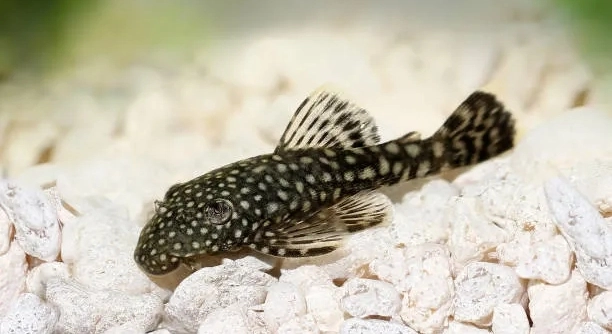
Have you ever noticed your pleco behaving differently in its tank or appearing less active than usual? Observing small changes in your fish’s routine can indicate issues you might not immediately recognize. Regular care is essential.
Poor water conditions can severely impact pleco health, leading to stress, weakened immunity, and physical damage. Maintaining proper water parameters, including pH, ammonia, nitrite, and temperature, is crucial for their survival, growth, and overall well-being in captivity.
Recognizing early warning signs is important for timely intervention. Addressing water quality problems can prevent long-term health issues and ensure your pleco thrives in its environment.
Lethargy and Reduced Activity
When plecos experience poor water quality, one of the first signs is lethargy. You may notice your fish resting more than usual or moving sluggishly across the tank. Healthy plecos are usually active at night, exploring surfaces and grazing on algae. When their environment deteriorates, their energy levels drop, making them less responsive. This behavior is often subtle at first, appearing as small pauses in their normal activity or slower swimming patterns. Over time, if the water issues persist, the pleco may spend most of its time hiding under decorations or staying at the tank bottom. Observing your fish regularly helps identify these changes early. Water conditions such as high ammonia, nitrites, or sudden pH fluctuations can contribute to these symptoms. Even slight deviations from optimal parameters can stress your pleco, affecting both its behavior and overall health. Consistent monitoring and adjustments are key to maintaining a safe and stimulating habitat.
Lethargy is a clear signal that your pleco may be struggling with its environment. Immediate action is needed to prevent further health decline.
Addressing lethargy involves testing water parameters and ensuring filtration is effective. Regular partial water changes can stabilize the environment, while removing uneaten food reduces harmful waste. It’s also important to observe feeding behavior, as stressed plecos may eat less, worsening their condition. Providing hiding spaces can reduce stress, giving them areas to feel secure. Monitoring these changes daily allows you to act before symptoms worsen. Over time, improvements in water quality should restore normal activity levels, helping your pleco regain strength and confidence. Maintaining a stable, clean tank is the most reliable way to prevent recurring lethargy and keep your pleco healthy.
Changes in Skin Color
Discoloration or fading of your pleco’s skin can indicate poor water quality. These changes are often noticeable along the body or fins and may worsen over time if ignored.
Color changes often result from stress caused by high ammonia, nitrite spikes, or improper pH levels. Poor lighting or nutritional deficiencies can also play a role. When water quality declines, pigments in the skin may dull, giving your pleco a washed-out appearance. Sometimes, these changes accompany other symptoms such as clamped fins, slow movement, or unusual hiding patterns. Observing the skin regularly provides early insight into health issues.
Treating discoloration starts with testing water parameters. Correcting ammonia and nitrite levels through partial water changes and proper filtration is crucial. Maintaining stable pH levels within the recommended range supports skin health. Diet also plays a role; plecos require a balanced intake of vegetables and protein sources, which influence pigmentation. Stress reduction through adequate hiding spots and gentle handling encourages recovery. Persistent discoloration despite optimal conditions may indicate illness, requiring consultation with an aquatic veterinarian. Early detection and consistent care usually reverse fading, restoring vibrant colors and promoting overall well-being.
Gasping at the Surface
Gasping at the water surface is a sign your pleco may be struggling with oxygen levels. Poor water quality can reduce dissolved oxygen, forcing the fish to seek air at the top more often than usual.
This behavior usually indicates that ammonia or nitrite levels are too high, or that there is insufficient water circulation. Plecos naturally spend time near the bottom, grazing on surfaces, so frequent trips to the surface are abnormal. High water temperature can also reduce oxygen solubility, making it harder for the fish to breathe. Observing the frequency and duration of surface gasping can help determine the severity of the problem. Immediate steps like testing water parameters, improving aeration, and performing partial water changes can alleviate stress. Over time, restoring proper water conditions should reduce this behavior and allow the pleco to resume normal activity.
Ignoring surface gasping can lead to serious health issues. Regular monitoring and timely intervention are essential to prevent oxygen deprivation and long-term stress in your pleco.
Torn or Frayed Fins
Torn or frayed fins are often caused by poor water conditions, stress, or aggression from tank mates. Maintaining clean water and avoiding overcrowding helps prevent fin damage.
When water quality declines, plecos’ fins become more susceptible to bacterial and fungal infections, leading to fraying or deterioration. High ammonia or nitrite levels can irritate the skin and fins, weakening tissue and making it prone to tears. Sharp decorations or rough substrate can exacerbate the problem. Promptly identifying damaged fins allows for early treatment, preventing infections from spreading and affecting overall health. Removing sharp objects and monitoring water parameters regularly reduces the risk of further injury.
Treatment involves improving water quality through partial water changes and proper filtration. Adding aquarium salt or medicated treatments may support healing, depending on the severity. Keeping stress low by minimizing handling and maintaining compatible tank mates aids recovery. Over time, healthy fins will regrow if conditions remain stable and clean. Consistent care and vigilance ensure your pleco maintains its natural appearance and avoids recurring fin issues.
Unusual Swimming Patterns
Unusual swimming, such as floating sideways or upside down, often signals poor water quality. Imbalances in ammonia, nitrite, or pH levels can disrupt your pleco’s buoyancy and coordination. Immediate attention is necessary to prevent worsening health.
Erratic movement can also result from oxygen deficiency or stress. Watching for repetitive patterns helps identify environmental issues. Adjusting filtration and performing partial water changes can stabilize conditions, allowing the pleco to regain normal swimming behavior.
Loss of Appetite
A pleco that stops eating or eats less than usual may be affected by poor water conditions. High ammonia or nitrite levels can irritate the digestive system, making feeding uncomfortable or stressful.
Excessive Mucus Production
Excess mucus on your pleco’s body is a protective response to stress or poor water conditions. This layer can indicate irritation from toxins, bacterial infections, or ammonia spikes in the tank. Monitoring water parameters is crucial to reduce the stress that triggers mucus buildup.
Visible Sores or Lesions
Visible sores or lesions on the body or fins often appear when water quality is suboptimal. These open wounds are vulnerable to infections and indicate that your pleco’s environment needs immediate improvement.
FAQ
How often should I test my pleco’s water?
Testing water at least once a week is ideal. Regular checks for ammonia, nitrite, nitrate, and pH help catch problems early. If levels are unstable, increase testing frequency until conditions stabilize. Keeping a log can help track trends and prevent recurring issues.
What is the safest way to perform a water change?
Perform partial water changes of 20–30% weekly. Use dechlorinated water at the same temperature as the tank. Avoid sudden large changes, which can stress the pleco and worsen health problems. Always remove uneaten food and debris before adding fresh water.
Can poor water quality cause disease?
Yes. Ammonia, nitrite, and high nitrate levels weaken the immune system, making plecos more susceptible to bacterial, fungal, and parasitic infections. Stress from poor water conditions also slows healing and can make minor injuries worse. Promptly improving water quality is essential for disease prevention.
Why is my pleco hiding constantly?
Excessive hiding can indicate stress caused by poor water conditions, aggressive tank mates, or sudden changes in the environment. Plecos naturally hide, but constant seclusion suggests the tank may be uncomfortable. Improving water parameters and providing safe spaces can reduce stress and restore normal activity.
How can I improve oxygen levels in the tank?
Increase aeration with an air pump, adjust the filter to create more surface agitation, or add live plants that produce oxygen. Maintaining cooler water within the appropriate temperature range can also improve dissolved oxygen levels. Avoid overcrowding, which reduces oxygen availability for all fish.
Is cloudy water dangerous for my pleco?
Cloudy water often signals excess waste or bacterial bloom, which can elevate ammonia and nitrite levels. Poor water clarity stresses your pleco and may lead to illness. Performing partial water changes, cleaning the substrate, and checking filtration can restore clarity and maintain a healthy environment.
How long does it take for a pleco to recover from poor water conditions?
Recovery time depends on the severity of the stress and water issues. Minor problems can resolve within a few days to a week after water improvements. Severe or prolonged exposure may take several weeks, and persistent symptoms may require medical attention. Monitoring behavior and feeding helps track progress.
What diet supports pleco health in poor water conditions?
A varied diet with vegetables like zucchini, cucumber, and spinach, along with occasional protein such as shrimp pellets, supports health. Proper nutrition strengthens the immune system, making plecos more resilient to water stress. Avoid overfeeding, which increases waste and further harms water quality.
How do I prevent recurring water issues?
Consistent maintenance is key: weekly partial water changes, monitoring water parameters, avoiding overfeeding, and cleaning the filter regularly. Maintaining proper stocking levels and avoiding sudden changes in temperature or pH reduces stress and prevents repeated problems that can harm your pleco.
When should I seek professional help?
If your pleco shows persistent lethargy, unusual swimming patterns, discoloration, sores, or loss of appetite despite stable water conditions, consult an aquatic veterinarian. Professional guidance ensures accurate diagnosis and treatment for underlying health issues that cannot be resolved by water adjustments alone.
This FAQ provides practical guidance for preventing and addressing water-related stress in plecos. Regular observation, consistent maintenance, and quick intervention are essential to keep your pleco healthy and active, ensuring it thrives in its environment.
Word count: 519
Maintaining your pleco’s health largely depends on keeping its water clean and stable. Poor water quality affects nearly every aspect of their well-being, from activity levels to feeding habits and even physical appearance. Observing your pleco’s behavior daily can help you notice small changes before they develop into serious health problems. Lethargy, surface gasping, faded colors, or frayed fins are all clear indicators that the water needs attention. Addressing these issues quickly can prevent stress from escalating and reduce the likelihood of disease. Even minor improvements, like regular partial water changes, consistent filtration, and monitoring key parameters such as ammonia, nitrite, nitrate, and pH, make a significant difference in how your pleco feels and behaves.
A stable and clean environment also encourages natural behavior. Healthy plecos are usually more active at night, exploring surfaces, grazing on algae, and moving with purpose. When water quality is poor, they may hide excessively, swim erratically, or lose interest in food. These changes can be subtle at first, which is why regular observation and testing are so important. Paying attention to even small details, like changes in fin condition or mucus production, can alert you to underlying problems. Ensuring the tank is well-oxygenated, removing uneaten food promptly, and providing a balanced diet supports recovery and prevents future issues. Creating a consistent routine for tank care not only helps your pleco thrive physically but also reduces stress, allowing it to display natural behaviors and maintain overall health.
Long-term care is about prevention as much as response. Once you identify signs of poor water quality, acting promptly helps the pleco recover faster and prevents chronic issues. Consistency is key: maintaining proper temperature, avoiding overcrowding, and performing regular maintenance prevents fluctuations that can harm your fish. Understanding the connection between water conditions and health ensures that you can respond to warning signs effectively. Over time, this careful approach will make your tank a safe and stable environment, giving your pleco the best chance to live a long, healthy life. By observing changes, adjusting care practices, and staying informed, you provide an environment where your pleco can thrive without unnecessary stress or illness, ensuring it remains a strong and vibrant member of your aquarium.
Word count: 408

Hello,
If you enjoy the content that we create, please consider saying a "Thank You!" by leaving a tip.
Every little bit helps us continue crafting quality advice that supports the health, happiness, and well-being of pets around the world, for pets of all shapes, sizes, and species.
We really appreciate the kindness and support that you show us!