
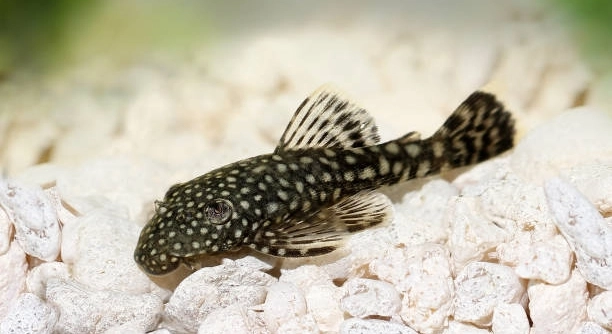
Your pleco may seem uninterested in algae wafers despite your efforts to feed it regularly. These fish have unique dietary habits and environmental preferences that influence their feeding behavior and overall appetite in captivity.
A primary reason plecos avoid algae wafers is that their diet in the wild is more varied than just algae. They naturally consume vegetables, driftwood, and biofilm, so relying solely on wafers may not meet their nutritional needs.
Learning more about your pleco’s natural feeding behavior and habitat preferences can help you provide a more balanced diet and improve its appetite over time.
Understanding Pleco Feeding Preferences
Plecos are often seen as algae eaters, but their feeding habits are more complex. In the wild, they graze on biofilm, decaying plant matter, and small invertebrates. Algae wafers may not fully replicate this diverse diet, which can make them less appealing. Water quality also affects feeding behavior. Stressed plecos or those living in tanks with high nitrate levels may ignore wafers. Temperature plays a role as well; plecos are more active and likely to eat when water is within their ideal range. Tank setup, including hiding spots and substrate type, influences comfort and feeding willingness. Plecos are nocturnal, so they may not eat during the day. If wafers are placed while they are inactive, they may go untouched. Rotating foods like zucchini, cucumber, and driftwood can encourage natural grazing behavior. Understanding these factors allows for better feeding strategies and ensures your pleco remains healthy and active in its environment.
Plecos often prefer fresh vegetables over processed wafers, which better match their natural diet and stimulate consistent feeding.
By offering a mix of natural foods and observing behavior, you can gradually increase your pleco’s interest in algae wafers. Combining vegetables with wafers, adjusting feeding times to nighttime, and maintaining clean water can significantly improve acceptance. Some plecos may need repeated exposure to wafers before recognizing them as food. Driftwood is also an important part of their diet, providing fiber and aiding digestion. Small changes in environment and diet often make the largest difference, and paying attention to these details ensures your fish thrives. Maintaining variety helps prevent selective feeding and promotes overall health, giving your pleco the nutrients it would naturally seek in the wild.
Adjusting Tank Conditions
Poor tank conditions can discourage plecos from eating algae wafers. Even minor water imbalances or lack of hiding spaces affect appetite.
Plecos require clean, well-oxygenated water with stable parameters to feel comfortable. Temperature, pH, and hardness should mimic natural habitats. Providing hiding spots reduces stress, encouraging feeding. A tank with gentle water flow and appropriate lighting can also help. Observing your pleco’s behavior and adjusting conditions gradually ensures it adapts without harm. Regular monitoring of water quality, along with the right tank decor, supports feeding consistency. Plecos are sensitive to sudden changes, so patience is key. Overcrowding or aggressive tank mates can reduce their willingness to eat. Tank enrichment like driftwood, rocks, and plants helps create a safe, familiar environment. Keeping a consistent feeding schedule alongside environmental adjustments increases the likelihood of wafer consumption. Long-term care, combining proper nutrition and optimal tank setup, is essential for maintaining a healthy and active pleco.
Improving Algae Wafer Acceptance
Plecos may need time to recognize algae wafers as food. Gradually introducing wafers alongside vegetables can encourage interest. Soaking wafers in tank water softens them, making them easier to consume. Patience and consistency often lead to better acceptance.
Offering wafers with familiar foods increases the chance your pleco will eat them. Start by placing a small piece near its usual feeding area alongside zucchini or cucumber slices. Monitor how long it takes for the pleco to approach and nibble. Avoid overfeeding, as excess uneaten food can decay and harm water quality. Over time, wafers become a recognizable food option without forcing the fish to rely solely on them. Small, consistent steps make the transition smoother and reduce stress, ensuring your pleco gradually adapts to a more varied diet that includes algae wafers.
Observation is key. Note which foods your pleco prefers and at what time it is most active. Place wafers strategically and adjust quantity based on feeding patterns. Consistency helps your fish associate wafers with mealtime, improving acceptance.
Alternative Food Options
Fresh vegetables are often more appealing than wafers. Zucchini, cucumber, and peas provide essential nutrients while mimicking natural feeding habits.
In addition to vegetables, driftwood is crucial for plecos. They rasp on it to aid digestion and obtain fiber. Leaf litter, such as Indian almond leaves, offers both nutrition and shelter. Mixing these natural foods with occasional wafers ensures variety and supports health. Feeding during evening hours aligns with their nocturnal tendencies, encouraging better consumption. Some plecos enjoy blanched vegetables more, as softened texture is easier to graze. Providing a combination of natural foods and wafers gradually teaches plecos to accept processed options without causing stress. Consistent care and observation help maintain proper nutrition while keeping the fish active and healthy.
Timing and Feeding Schedule
Plecos are most active at night. Offering algae wafers in the evening aligns with their natural habits and increases the likelihood they will eat. Daytime feeding often goes unnoticed.
Keeping a consistent schedule helps your pleco recognize mealtime. Irregular feeding can reduce interest in new foods, including wafers.
Observing Pleco Behavior
Pay attention to how your pleco interacts with its environment and food. Signs of stress or inactivity can indicate issues beyond diet. Changes in appetite, hiding more than usual, or rubbing against surfaces may signal discomfort or illness. Adjusting water parameters, tank layout, and feeding routines often resolves these problems. Regular observation ensures your pleco remains healthy and responsive to both natural foods and algae wafers, allowing you to adapt care strategies promptly. Understanding behavior provides insight into feeding preferences and helps maintain overall well-being.
Experimenting with Flavors
Some wafers include added flavors or spirulina that plecos may find more appealing. Experimenting can help identify preferences.
Avoiding Overfeeding
Excess food can harm water quality and discourage proper feeding habits. Limit wafer portions and remove uneaten pieces.
FAQ
Why isn’t my pleco eating algae wafers at all?
Plecos may ignore wafers if they are stressed, bored with the food, or their environment isn’t suitable. Water quality issues, improper temperature, or lack of hiding spots can affect appetite. Introducing wafers alongside familiar vegetables and maintaining a stable, comfortable tank often encourages them to eat.
Can plecos survive without algae wafers?
Yes, plecos can thrive on a diet that includes fresh vegetables, driftwood, and occasional protein sources. Algae wafers are convenient but not essential. Providing a balanced diet that mimics natural feeding habits ensures proper nutrition and digestive health without relying solely on processed foods.
How can I make algae wafers more appealing?
Soaking wafers in tank water softens them, making them easier to graze. Offering them during evening hours when plecos are most active increases acceptance. Combining wafers with small pieces of zucchini, cucumber, or peas helps them associate wafers with other familiar foods.
How often should I feed my pleco algae wafers?
Feeding once per day in small amounts is generally sufficient. Overfeeding can lead to uneaten wafers decaying and harming water quality. Observe how much your pleco consumes and adjust portion sizes accordingly. Variety in diet is key, so do not rely solely on wafers.
What vegetables work best for plecos?
Zucchini, cucumber, peas, and spinach are excellent choices. Blanching vegetables softens them, making them easier for plecos to eat. Driftwood and leaf litter, like Indian almond leaves, also provide fiber and nutrients while encouraging natural grazing behavior. Rotating vegetables ensures balanced nutrition.
Can tank conditions affect wafer consumption?
Absolutely. Plecos prefer clean, stable water with proper temperature, pH, and hardness. Overcrowding or aggressive tank mates can reduce feeding. Providing hiding spots, gentle water flow, and low lighting helps plecos feel secure, increasing their willingness to eat wafers and other foods.
Is it normal for plecos to ignore wafers sometimes?
Yes, plecos are selective feeders. Appetite can fluctuate based on stress, illness, or environmental changes. Observing behavior and offering a mix of natural foods alongside wafers can help them regain interest. Patience is important, as repeated exposure often leads to acceptance.
Do plecos prefer fresh food over wafers?
Many plecos respond better to fresh vegetables and driftwood than processed wafers. Natural textures and flavors mimic their wild diet and stimulate feeding behavior. Gradually introducing wafers with fresh foods helps bridge the gap and encourages consistent consumption.
What should I do if my pleco still refuses wafers?
Focus on providing a varied diet that meets nutritional needs. Ensure water quality, proper temperature, and secure hiding spots. Experiment with softened wafers or different brands. Some plecos may never fully accept wafers, and that’s normal as long as their overall diet remains balanced.
Can I feed too many wafers?
Yes, overfeeding wafers can cause water pollution, digestive issues, and reduced interest in natural foods. Offer small portions, remove uneaten pieces, and balance with fresh vegetables to maintain health. Monitoring consumption ensures proper feeding without risking tank conditions or pleco well-being.
How do I know if my pleco is healthy despite ignoring wafers?
Healthy plecos remain active during evening hours, show consistent grazing behavior, and maintain good body condition. Smooth skin, clear eyes, and steady swimming are positive signs. Regular observation and a varied diet allow plecos to thrive even if they avoid algae wafers entirely.
Can I combine wafers with protein sources?
Yes, small amounts of bloodworms, brine shrimp, or other protein-based foods can complement wafers. This introduces variety and mimics natural feeding habits. Avoid overfeeding and rotate protein sources with vegetables and wafers to ensure balanced nutrition and proper digestion.
How long should I give plecos to accept wafers?
Patience is crucial. Some plecos take weeks to recognize wafers as food. Offer small pieces alongside vegetables and monitor for interest. Consistent feeding times and gradual exposure usually lead to eventual acceptance without stressing the fish.
Are there special types of wafers plecos prefer?
Wafers with spirulina, algae blends, or added flavors often attract plecos more effectively than plain wafers. Testing different brands and types allows you to see which one your pleco favors, while still ensuring nutritional needs are met.
What signs indicate my pleco is stressed and refusing food?
Frequent hiding, rubbing against tank surfaces, erratic swimming, or color changes suggest stress. Check water parameters, reduce aggressive tank mates, and provide more hiding spots. Stress can significantly reduce wafer consumption and overall feeding interest.
How important is tank lighting for feeding?
Plecos prefer dim lighting and are more active at night. Bright tanks can discourage feeding. Offering wafers during evening hours or in shaded areas encourages natural grazing and improves acceptance of processed foods.
Is it okay to feed plecos only vegetables?
Vegetables form the foundation of a pleco’s diet, but some protein or algae supplementation ensures complete nutrition. Offering variety prevents deficiencies and encourages natural feeding behavior, even if wafers are occasionally ignored.
Can age affect wafer acceptance?
Younger plecos may adapt more easily to new foods, while older fish can be more selective. Gradual exposure and combining wafers with preferred foods helps older plecos adjust without stress.
How do I store algae wafers to maintain freshness?
Keep wafers in a cool, dry place away from moisture. Proper storage prevents mold or degradation, ensuring they remain palatable and safe for your pleco.
Is it safe to offer multiple wafer brands?
Yes, rotating brands or formulations can provide variety and stimulate interest. Ensure all options meet nutritional standards and avoid overfeeding to maintain water quality.
How quickly should plecos eat wafers once offered?
Most plecos nibble within a few hours if conditions and timing are suitable. Uneaten wafers should be removed to prevent decay and maintain water quality. Observation helps determine feeding patterns and portion sizes.
Can stress from tank mates reduce wafer consumption?
Yes, aggressive or fast-moving tank mates can prevent plecos from eating comfortably. Providing hiding spaces and monitoring interactions ensures plecos have safe areas to feed and graze naturally.
Should I try homemade wafers?
Homemade wafers allow control over ingredients and texture. Blending vegetables, algae, and fiber sources can create appealing wafers. Softening before offering increases acceptance, especially for selective eaters.
Is it normal for plecos to switch food preferences?
Yes, plecos can change preferences over time. Seasonal changes, growth, or health can influence appetite. Offering variety and observing behavior ensures they continue receiving proper nutrition.
Can plecos eat wafers during the day?
Some may nibble during daylight, but most are nocturnal. Evening feeding aligns with natural behavior and increases the likelihood of consistent wafer consumption.
What is the best approach to introduce wafers to new plecos?
Offer small pieces alongside vegetables during evening hours. Monitor response and adjust gradually. Providing a stable environment with hiding spots and proper water quality encourages acceptance without forcing the fish.
Are there signs that wafers are spoiled or unappealing?
Mold, discoloration, or a hard, dry texture indicates spoilage. Softening wafers in water can improve texture, but ensure freshness to maintain palatability and safety for your pleco.
Can diet affect pleco coloration?
Yes, a varied, nutrient-rich diet supports vibrant coloration. Wafers with spirulina and vegetables help maintain natural patterns, while poor nutrition may dull colors over time.
Is it necessary to remove uneaten wafers immediately?
Yes, leftover wafers can decompose, affecting water quality and encouraging algae overgrowth. Removing uneaten pieces protects both the fish and the tank environment.
How do I balance wafers with natural foods?
Offer wafers as a supplement to vegetables, driftwood, and occasional protein. Observing consumption patterns and adjusting portions ensures proper nutrition without relying solely on processed food.
Can stress from water changes affect wafer consumption?
Yes, sudden changes in temperature, pH, or hardness can reduce appetite. Gradual adjustments help plecos adapt and maintain interest in wafers and other foods.
Are some plecos more selective than others?
Yes, individual variation is common. Some plecos readily accept wafers, while others prefer vegetables or driftwood. Patience and gradual introduction improve acceptance over time.
How important is texture in wafer acceptance?
Soft, easily grazed wafers are more likely to be eaten. Soaking wafers in tank water before offering can make them more appealing, especially for selective or older plecos.
Can I feed wafers along with live foods?
Yes, combining wafers with occasional live foods adds variety and stimulates natural feeding behavior. Avoid overfeeding to maintain tank health and ensure proper digestion.
Do plecos need fiber from driftwood even if they eat wafers?
Yes, driftwood provides essential fiber for digestion. Even if wafers are consumed, including driftwood in the tank supports gastrointestinal health and natural grazing behavior.
Is it normal for some plecos to never accept wafers?
Yes, some plecos may refuse wafers entirely. Providing a balanced diet with vegetables, driftwood, and occasional protein ensures proper nutrition even if wafers are ignored.
How can I tell if a pleco likes a particular wafer brand?
Quick, consistent nibbling and repeated visits to the wafer indicate preference. Observing which types are eaten first helps identify favored brands or formulations.
Does tank size affect wafer consumption?
Larger tanks with plenty of hiding spots and low-stress environments encourage feeding. Smaller, crowded tanks can reduce interest in wafers due to competition or discomfort.
Can plecos eat frozen wafers?
Yes, frozen wafers can be thawed and offered. Ensure they are softened if necessary and not overfed to maintain water quality.
How long can plecos go without wafers?
Plecos can survive for weeks without wafers if provided with vegetables, driftwood, and other nutritious foods. Consistent care ensures health and activity even without processed wafers.
Are there signs that wafers are helping nutrition?
Healthy growth, active behavior, and vibrant coloration suggest wafers complement the diet. Combine with vegetables and driftwood for a complete, balanced feeding plan.
Should I rotate wafer flavors?
Yes, rotating flavors prevents boredom and encourages consistent feeding. It also helps ensure nutritional variety while keeping your pleco engaged with the diet.
Can disease affect wafer acceptance?
Yes, illness can reduce appetite and interest in wafers. Monitor for signs like lethargy, discoloration, or abnormal swimming. Address health issues promptly to restore proper feeding habits.
Do plecos need calcium from wafers or other sources?
Calcium is important for bone and fin health. Driftwood, certain vegetables, and mineral supplements can provide necessary calcium if wafers are not consumed.
How do I combine multiple feeding strategies effectively?
Offer vegetables, driftwood, occasional protein, and wafers in small portions. Observe preferences, adjust timing, and maintain consistent tank conditions to encourage balanced nutrition and natural grazing behavior.
Can seasonal changes affect feeding habits?
Yes, plecos may eat less during cooler months or periods of stress. Adjust feeding schedules and offer preferred foods to maintain intake and health.
Is monitoring pleco behavior more important than forcing wafers?
Yes, observing appetite, activity, and interaction with food helps guide dietary adjustments. Patience and understanding individual habits are more effective than forcing consumption.
Can plecos become aggressive over food?
Yes, competition for wafers or vegetables can cause stress. Offering multiple feeding areas and hiding spots reduces conflict and encourages peaceful grazing.
How often should I check water quality for feeding success?
Regularly monitor temperature, pH, hardness, and nitrates. Stable conditions directly influence feeding behavior and wafer acceptance. Consistency supports overall health and diet compliance.
Are there long-term effects if plecos avoid wafers?
Not if their diet remains balanced with vegetables, driftwood, and occasional protein. Proper care ensures health, growth, and activity without relying on wafers exclusively.
Can plecos eat wafers with other tankmates around?
Yes, but shy or nocturnal plecos may wait until tankmates are less active. Providing secluded feeding spots helps ensure consumption without stress.
Is it better to hand-feed or drop wafers in the tank?
Dropping wafers near hiding spots during evening hours is most effective. Hand-feeding may work for acclimated or tame plecos, but consistency is more important than method.
How can I tell if my pleco is getting enough nutrition?
Active behavior, healthy weight, smooth fins, and vibrant coloration indicate adequate nutrition. A varied diet, even without wafers, supports overall health and natural grazing habits.
Are all wafer brands nutritionally equal?
No, quality and nutrient content vary. Choose wafers with balanced ingredients, including algae, fiber, and protein. Rotate brands carefully to ensure dietary variety and health.
Can plecos be trained to accept wafers?
Yes, gradual exposure with familiar foods, consistent timing, and patience often lead to acceptance. Some plecos may never fully eat wafers, which is normal if diet remains balanced.
Does feeding location matter?
Yes, placing wafers near hiding spots or quiet areas encourages feeding. Avoid open, busy tank areas where plecos feel exposed or threatened.
How long should wafers stay in the tank?
Remove uneaten wafers after a few hours to prevent water contamination and maintain hygiene. Observing feeding patterns helps adjust timing and portion sizes for future meals.
Can plecos eat wafers if the tank is cloudy or dirty?
Poor water quality discourages feeding. Clean, clear water improves appetite and encourages wafer consumption alongside natural foods.
Should I adjust wafer size for small plecos?
Yes, smaller wafers or broken pieces are easier for juvenile plecos to eat. Size adjustment ensures proper feeding and reduces waste.
Do plecos prefer floating or sinking wafers?
Most plecos prefer sinking wafers, as they graze along surfaces and substrate. Floating wafers may be ignored or uneaten.
Can plecos develop a preference for one type of wafer?
Yes, individual tastes vary. Observation helps identify favored types, while rotation ensures variety and balanced nutrition.
Are wafers necessary for breeding plecos?
No, breeding success relies more on water quality, tank conditions, and overall diet. Wafers can supplement nutrition but are not required.
Can flavored wafers mask poor water conditions?
No, flavors may encourage nibbling, but poor water quality will still reduce appetite and health. Maintaining proper tank conditions is more important than flavor alone.
Do wafers provide enough fiber?
Some wafers contain fiber, but driftwood and vegetables are essential for proper digestion. Relying solely on wafers may not meet fiber needs.
Is it normal for plecos to nibble and leave wafers?
Yes, partial nibbling indicates curiosity or selective feeding. Over time, repeated exposure usually increases consumption as familiarity grows.
Can changing wafer brands suddenly upset plecos?
Yes, abrupt changes may reduce interest. Gradual introduction alongside familiar foods helps transition without stress.
How can I tell if my pleco is underfed?
Signs include weight loss, lethargy, faded coloration, and lack of activity. Adjust portion sizes and observe response to ensure proper feeding.
Are homemade wafers more effective than store-bought?
They can be, depending on ingredients and texture. Homemade wafers allow control over nutrition and softness, improving acceptance for picky plecos.
Do plecos share wafers with tankmates?
Some may, but competition can limit access. Offering multiple pieces or feeding in separate areas reduces conflict and ensures proper intake.
Can plecos refuse wafers temporarily?
Yes, illness, stress, or environmental changes can reduce interest. Maintaining a varied diet ensures continued nutrition during these periods.
How can I encourage picky eaters?
Gradually introduce wafers with favorite vegetables, offer them at night, and ensure tank conditions are optimal. Patience and observation improve success.
Are wafers a complete diet?
No, wafers are a supplement. A varied diet including vegetables, driftwood, and occasional protein ensures complete nutrition and supports natural feeding behavior.
Can plecos eat too many wafers at once?
Yes, overfeeding can cause digestive issues and water quality problems. Small, controlled portions alongside natural foods are ideal.
Do plecos ever prefer live food over wafers?
Some plecos may choose live or frozen foods. Offering variety ensures balanced nutrition and prevents selective feeding habits.
Is it okay to leave wafers in the tank overnight?
Generally, no. Uneaten wafers can decay, pollute water, and attract unwanted bacteria. Remove leftovers and offer fresh portions as needed.
Can plecos learn to eat wafers from observation?
Yes, they may mimic the feeding behavior of other plecos. Watching tankmates eat can encourage shy or hesitant individuals to try wafers.
Do wafers impact water hardness or pH?
Most wafers have minimal impact, but uneaten pieces can degrade and slightly alter water chemistry. Regular monitoring prevents problems and maintains a healthy environment.
Can overripe vegetables affect wafer consumption?
Yes, overly soft or decaying vegetables may reduce interest in wafers. Fresh, blanched vegetables encourage consistent feeding alongside wafers.
Is fiber content in wafers enough for digestion?
Wafers contribute fiber, but driftwood and vegetables remain essential. Providing both ensures proper gut health and prevents digestive issues.
Can plecos become dependent on wafers?
Not typically, but relying solely on wafers limits nutritional variety. A balanced diet with fresh foods and driftwood is always preferable.
How long does it take for a pleco to accept wafers consistently?
It can take days to weeks, depending on individual preferences, environmental comfort, and feeding strategy. Gradual introduction improves success.
Are wafers suitable for all pleco species?
Most species can eat wafers, but dietary needs vary. Research specific species requirements and supplement with vegetables, driftwood, or protein as needed.
Do plecos prefer wafer placement on substrate or decorations?
Sinking wafers placed near hiding spots or surfaces they graze on are preferred. Placement impacts consumption success.
How does stress affect wafer acceptance?
Stress reduces appetite. Ensuring quiet, secure spaces, stable water conditions, and minimal disturbances improves feeding response and overall health.
Can plecos be trained to eat wafers daily?
Yes, consistent timing, placement, and pairing with familiar foods encourage daily consumption over time. Patience is essential.
**Are there signs of
Final Thoughts
Understanding your pleco’s feeding habits is key to keeping it healthy and active. Plecos are often labeled as “algae eaters,” but their natural diet is much more varied. In the wild, they graze on biofilm, vegetables, and small invertebrates rather than focusing solely on algae. This explains why some plecos may ignore algae wafers in captivity. It is not unusual for a pleco to reject certain foods initially, especially processed options that do not fully resemble their natural diet. Observing your fish’s behavior and preferences can help you provide a more balanced diet that encourages regular feeding and promotes overall well-being. Small adjustments, like offering softened wafers alongside fresh vegetables, can make a significant difference in acceptance.
Maintaining the right tank conditions plays a major role in feeding behavior. Plecos prefer stable, clean water with appropriate temperature, pH, and hardness. Overcrowded or aggressive tank environments can reduce interest in food, while adequate hiding spots and a comfortable setup encourage natural grazing. Feeding during their active hours, usually at night, aligns with their nocturnal habits and improves the chances of wafer consumption. Even if your pleco avoids wafers entirely, providing a varied diet with vegetables, driftwood, and occasional protein ensures they receive proper nutrition. Monitoring water quality, observing daily behavior, and making incremental changes to the tank environment will help your pleco feel secure and more willing to eat.
Patience and observation are essential when caring for plecos. Some individuals take time to adjust to new foods, while others may never fully accept wafers. This is normal and does not indicate a problem as long as their overall diet remains balanced. Offering a mix of vegetables, driftwood, and protein alongside wafers allows plecos to graze naturally while meeting their nutritional needs. Consistency in feeding schedules, careful attention to environmental factors, and providing foods that appeal to their senses will ensure your pleco stays healthy, active, and vibrant. Over time, these efforts create a stable routine that supports both the fish’s physical health and behavioral comfort. Understanding their natural tendencies and adjusting care accordingly allows plecos to thrive, even if they remain selective about certain foods. By focusing on variety, proper tank conditions, and gradual exposure to new foods, you can meet your pleco’s dietary needs while keeping it happy and healthy in captivity.
Would you like me to also create a short closing paragraph that connects naturally with the rest of the article?

Hello,
If you enjoy the content that we create, please consider saying a "Thank You!" by leaving a tip.
Every little bit helps us continue crafting quality advice that supports the health, happiness, and well-being of pets around the world, for pets of all shapes, sizes, and species.
We really appreciate the kindness and support that you show us!