Can You Mix Arowana With Other Predators?
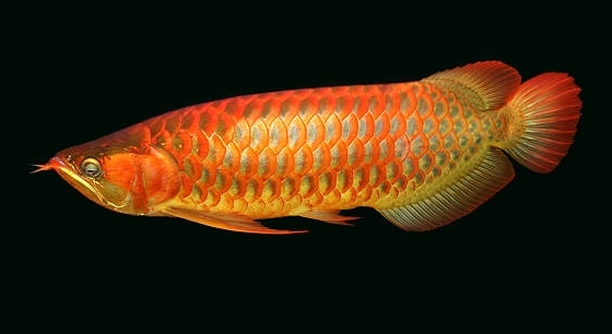
Do you ever find yourself thinking about how different predator fish might coexist in one aquarium, especially when an arowana is involved, and you hope to create a peaceful environment that supports more healthy interactions. Arowanas can live with select predator species when tank size, territorial space, and behavioral compatibility are carefully controlled, but risks … Read more
Why Does My Arowana Seem to Watch Me?

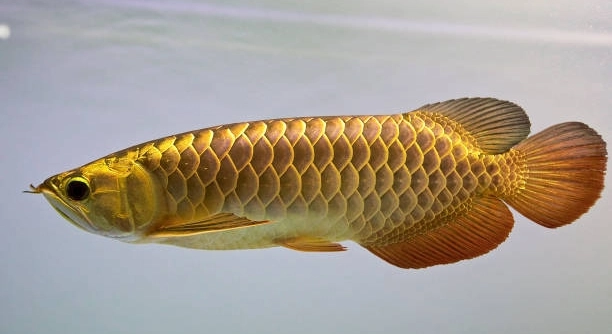
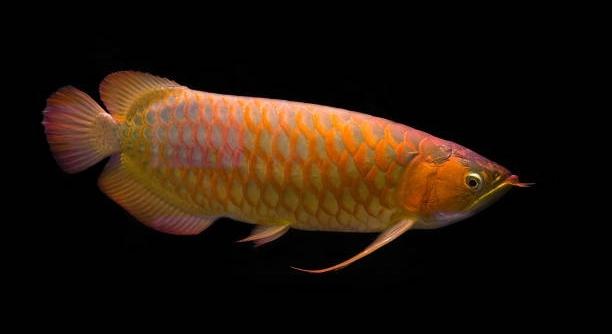
Arowanas are captivating fish that often display striking behaviors in aquariums. Many owners notice that their fish seems to follow movements and watch them closely throughout the day. This behavior can feel both curious and engaging. Arowanas observe their owners primarily due to their natural predatory instincts and high intelligence. This attentive behavior allows them … Read more

7 Cleaning Mistakes That Stress Out Arowana

Many aquarists enjoy keeping Arowanas because of their beauty and elegance. Ensuring their tank is clean can seem simple, but small mistakes during cleaning can easily create stress for these sensitive fish. Arowanas are highly sensitive to environmental changes, and improper cleaning can cause stress. Common errors include over-cleaning, using harsh chemicals, neglecting water quality, … Read more

What Happens If You Skip a Feeding Day?

Many pet owners worry about their animals’ routines and how skipping a day of feeding might affect them. Meals are part of a daily rhythm that helps pets feel secure and maintain healthy habits. Skipping a feeding day can cause temporary hunger, mild stress, and possible digestive upset, depending on the animal. Most healthy pets … Read more

7 Water Flow Mistakes That Stress Out Arowana

Have you ever noticed your arowana swimming restlessly, bumping into the tank walls, or struggling to stay in one spot? These small signs can often point to stress caused by improper water flow in their aquarium. Arowanas are highly sensitive to water movement, and improper flow can lead to chronic stress, poor appetite, and even … Read more

What Does It Mean If Your Arowana Is Always Still?

Is your arowana spending most of its time motionless, floating gently in the water instead of gliding around like usual? It can be worrying to see such a graceful fish remain still for long periods. Arowanas often stay still due to stress, illness, or unsuitable water conditions. Factors such as poor water quality, sudden temperature … Read more

How Do Arowana React to Thunderstorms?

Do you ever notice how your arowana swims differently when the sky darkens and thunder rumbles? Many aquarium owners observe subtle changes in their fish’s behavior during storms, which can be both fascinating and surprising to watch. Arowanas often become more cautious and less active during thunderstorms. Sudden changes in barometric pressure, lightning flashes, and … Read more

7 Times to Avoid Handling Your Arowana

Do you ever find yourself wondering when it is safe to handle your arowana without causing stress or injury? These beautiful fish are sensitive, and knowing the right times to interact with them can keep them healthy and calm. Arowanas should not be handled during feeding, illness, molting, immediately after moving to a new tank, … Read more

7 Triggers That Make Arowana Defensive

Arowanas are beautiful and powerful fish that many hobbyists love to keep. They can sometimes act out in ways that seem sudden or aggressive, leaving owners unsure of what triggers these defensive behaviors. Arowanas become defensive due to environmental stressors, sudden changes in their habitat, overcrowding, unfamiliar tankmates, improper handling, poor water quality, and perceived … Read more

How to Calm a Nervous Arowana Fast

Have you ever noticed your arowana acting restless or darting around its tank for no clear reason? Watching a nervous fish can be stressful, especially when you want it to stay calm and healthy in its environment. The most effective method to calm a nervous arowana quickly is by minimizing sudden movements and loud noises … Read more