
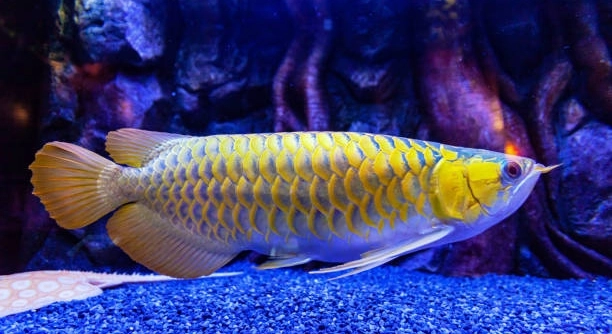
Is your arowana spending most of its time motionless, floating gently in the water instead of gliding around like usual? It can be worrying to see such a graceful fish remain still for long periods.
Arowanas often stay still due to stress, illness, or unsuitable water conditions. Factors such as poor water quality, sudden temperature changes, or lack of oxygen can cause lethargic behavior. Identifying the root cause is essential for restoring normal activity.
Learning what influences your arowana’s behavior can help you keep it healthy, active, and comfortable in its environment.
Common Reasons Your Arowana Stays Still
Arowanas are sensitive fish that easily react to changes in their surroundings. When they stay still, it often points to stress or discomfort. Poor water conditions, such as high ammonia or nitrate levels, can make them lethargic and unwilling to swim. Temperature changes also play a big role; if the water becomes too cold or too warm, their metabolism slows down. Inadequate oxygen levels may cause them to hover near the surface, trying to breathe more easily. Other times, they might be reacting to loud noises, sudden movements, or the presence of other aggressive tank mates. Observing your fish closely helps you spot unusual behavior early.
Always check your tank’s water parameters first, as this is the most common reason behind stillness. Maintaining stable, clean water conditions helps your arowana regain its energy and return to normal swimming patterns.
Sometimes, stillness might be linked to internal parasites or bacterial infections. Sick arowanas tend to rest more, lose their appetite, or breathe heavily. If your fish shows these symptoms, it’s best to separate it and monitor closely. Treating infections early with appropriate medication can make a big difference. Keeping the water temperature consistent, around 78–82°F, also helps reduce stress. A calm, steady environment encourages your arowana to become more active again.
How to Help Your Arowana Become Active Again
Start by cleaning the tank and testing the water for ammonia, nitrate, and pH balance. Unstable water quality causes the most stress. Make sure the filter works properly, and add an air stone if oxygen levels are low. Adjust the temperature gradually, never making sudden changes that can shock your fish.
Once the water is stable, consider the tank’s environment. Arowanas need enough space to swim freely and feel secure. Avoid overcrowding and choose peaceful tank mates. Adding soft lighting and some floating plants can help them feel more comfortable. Feed your arowana a varied diet of high-quality pellets and live or frozen foods to boost energy and overall health. If it still remains still, observe closely for physical signs like discoloration, fin damage, or breathing difficulties. Consulting an aquatic specialist may be necessary. With consistent care and attention, your arowana should recover its strength and resume its graceful, steady swimming behavior.
Signs Your Arowana May Be Stressed
Stress in arowanas often shows through subtle behavioral changes. You may notice your fish refusing food, hiding more often, or suddenly darting across the tank. Faded colors and drooping fins are also common signs that your arowana feels uncomfortable or unsafe in its environment.
When an arowana feels stressed, its immune system weakens, making it more prone to infections. Rapid gill movement can indicate poor oxygen levels or rising ammonia. Sometimes, they may swim erratically or even jump, trying to escape discomfort. Noise, bright lighting, or frequent tank disturbances can also trigger stress. It’s important to maintain consistent lighting and avoid tapping on the glass. Creating a calm, stable environment encourages your fish to feel secure and behave normally again. Over time, with steady care, stress-related behaviors should gradually disappear.
Keeping a consistent routine can reduce stress significantly. Feed at the same times each day, and limit sudden changes in water temperature or flow. Using a reliable filter helps maintain clean water, which is essential for your fish’s comfort. Small, steady improvements make a noticeable difference in how relaxed your arowana appears and moves in its tank.
Creating a Comfortable Environment for Your Arowana
Arowanas thrive in calm, spacious tanks with plenty of swimming room. Their habitat should resemble their natural environment, which means stable water conditions and gentle lighting. Decorations like driftwood or smooth rocks add comfort without crowding their space. Keeping noise around the tank minimal helps them stay relaxed.
Tank size plays a major role in your arowana’s overall comfort. These fish need large tanks—ideally 150 gallons or more—to move freely without bumping into the glass. Always use a secure lid, as arowanas can jump when startled. Maintain clean water with regular partial changes and monitor parameters weekly. Avoid mixing them with aggressive species that may cause stress. Using soft, indirect lighting reduces anxiety, especially during feeding times. By maintaining consistency and offering a peaceful setting, your arowana will feel more at ease, display natural behaviors, and stay active longer.
When Stillness Becomes a Health Concern
If your arowana stays still for long periods even after improving its environment, it may indicate a health issue. Watch for signs like clamped fins, pale color, or labored breathing, which often suggest bacterial or parasitic infections developing internally.
Loss of appetite, bloating, or cloudy eyes are also warning signs that shouldn’t be ignored. These symptoms may point to internal infections or digestive problems. Acting quickly with proper treatment and isolating the affected fish can prevent the illness from spreading and give your arowana a better chance of recovery.
Feeding Tips to Encourage Activity
Feeding plays a big role in your arowana’s behavior and energy levels. Offer a balanced diet that includes pellets, live insects, and frozen fish to keep them interested. Overfeeding can cause sluggishness, while underfeeding leads to weakness. Feed small portions two to three times daily. Monitor how your fish reacts to each meal and adjust portions accordingly. Maintaining variety and consistency encourages natural hunting instincts and helps your arowana stay active and alert in its tank.
Maintaining a Calm Atmosphere
Avoid placing the tank in high-traffic areas or near loud noises. Vibrations and sudden movements can frighten your arowana and make it withdraw. A calm, stable environment helps it feel secure and promotes more natural, graceful swimming behavior over time.
FAQ
Why is my arowana always still even when the tank looks fine?
Even if your tank appears clean, hidden issues like fluctuating water temperature, low oxygen levels, or high nitrate and ammonia can stress your arowana. Subtle stressors, like nearby vibrations or strong light, may also cause it to remain motionless. Regular monitoring of water parameters is key.
Can arowanas be naturally calm sometimes?
Yes, some arowanas have calmer personalities and may spend longer periods resting or hovering in one spot. However, sudden or prolonged stillness is usually linked to stress, illness, or environmental factors rather than their natural temperament.
Could my arowana be sick if it’s not moving much?
Yes, illness is a common reason for persistent stillness. Signs like clamped fins, faded color, bloating, or labored breathing often indicate infections, parasites, or digestive problems. Observing closely and seeking treatment quickly improves recovery chances.
Does diet affect how active my arowana is?
Absolutely. Poor nutrition can make arowanas lethargic. Feeding a balanced diet with high-quality pellets, live or frozen foods, and occasional variety encourages energy and natural swimming behaviors. Overfeeding can cause sluggishness, while underfeeding weakens them.
How often should I check water conditions?
Testing water parameters weekly is recommended. Keep an eye on ammonia, nitrite, nitrate, pH, and temperature. Small changes can have a large impact on your arowana’s comfort and activity. Consistent care reduces stress and promotes normal movement.
Can tank mates cause my arowana to stay still?
Yes, aggressive or overly active tank mates can intimidate your arowana, making it hide or remain motionless. Peaceful, similarly sized fish or keeping the arowana alone can improve its confidence and encourage regular swimming.
Does tank size affect stillness?
Definitely. Arowanas need ample space to swim freely. A cramped tank can make them feel trapped and stressed, leading to prolonged stillness. Large tanks with clear swimming areas help them exercise naturally and stay healthy.
Is temperature really that important?
Temperature is crucial. Arowanas are sensitive to cold or sudden temperature swings. Keep water between 78–82°F and make gradual changes if adjustments are needed. Stable warmth helps metabolism and keeps your fish active.
Can stress from handling cause stillness?
Yes. Frequent tapping, moving decorations, or physically handling the fish can increase stress, causing them to stay still for hours or even days. Minimizing disturbances is essential for comfort and normal behavior.
How long should an arowana stay still before I worry?
Short periods of resting are normal, but if your arowana remains motionless for more than a day or shows other symptoms like poor appetite, clamped fins, or unusual breathing, it’s time to investigate and address possible causes.
Will lighting affect my arowana’s activity?
Yes. Harsh or very bright lighting can stress them, making them hover in one area or hide. Use soft, indirect light and maintain a consistent day-night cycle to support natural behavior and activity.
Can water flow make a difference?
Strong currents may tire or stress an arowana, causing it to remain still. Gentle water movement mimics natural conditions and encourages swimming without overwhelming the fish. Adjust filter output if necessary to balance oxygenation and comfort.
Are there signs of recovery I should watch for?
Increased appetite, smoother swimming, brighter colors, and more interaction with the tank indicate your arowana is recovering. These small changes mean your adjustments to diet, water quality, or environment are effective.
Should I use medication if my arowana is still?
Only if illness is suspected and you can identify the condition. Avoid unnecessary treatment, as improper use can stress the fish further. Consult an aquatic specialist for accurate diagnosis and proper medication when needed.
Can stress cause long-term inactivity?
Yes. Chronic stress weakens immunity, slows metabolism, and can lead to long-term lethargy. Addressing environmental factors, diet, and health promptly prevents lasting effects and keeps your arowana active.
Is it normal for older arowanas to be still more often?
Some aging arowanas may slow down, but prolonged stillness paired with health decline is not typical. Older fish still need clean water, stable conditions, and proper nutrition to maintain activity.
How can I make my arowana feel safe?
Provide plenty of swimming space, quiet surroundings, stable water, and gentle lighting. Avoid aggressive tank mates and disturbances. Comfort and predictability in their environment encourage movement, feeding, and natural behavior.
Can water changes make arowanas more active?
Yes. Clean water improves oxygen levels, reduces toxins, and refreshes the environment. Partial water changes can make a noticeable difference, stimulating activity and overall health.
What’s the best way to monitor activity at home?
Observe your arowana at consistent times daily. Note swimming patterns, feeding behavior, breathing, and color changes. Keeping a simple log helps track improvements or identify problems early.
How long does it take for an arowana to recover from stillness?
Recovery depends on the cause. Minor stress or water issues may improve within hours to a few days. Health issues may take longer, and consistent care is key. Patience and steady maintenance usually restore normal activity.
Are there environmental changes that help instantly?
Increasing oxygen, stabilizing temperature, and reducing disturbances often have immediate positive effects. Small adjustments like soft lighting and adequate space can encourage your arowana to resume normal movement quickly.
Can arowanas communicate discomfort through stillness?
Yes. Remaining motionless is often their way of coping with stress or illness. It’s their signal to the caretaker that something in the environment or health needs attention. Watching for patterns and triggers helps prevent future problems.
Is stillness always a negative sign?
Not always. Short periods of resting or hovering are normal, especially after feeding or during low activity times. Persistent or unusual stillness combined with other symptoms is the real concern.
How do I prevent future inactivity?
Maintain stable water conditions, consistent feeding, gentle lighting, and a calm environment. Regular health checks, proper tank size, and careful monitoring of tank mates help your arowana stay energetic and comfortable in the long term.
This FAQ section covers multiple aspects of arowana stillness, helping you identify causes, take action, and support your fish’s health while encouraging normal activity. Consistent care and observation are essential for maintaining a happy, active arowana.
Final Thoughts
Arowanas are beautiful and delicate fish that respond quickly to their environment. When they stay still for long periods, it usually signals that something in their surroundings or health isn’t right. Paying close attention to their behavior, water quality, diet, and tank setup is essential. Even small changes, like slightly altered temperature or a new tank mate, can make a noticeable difference in how active they are. Observing your arowana every day helps you recognize normal patterns and identify any unusual behavior early. This awareness allows you to act quickly, whether that means adjusting the tank conditions, improving diet, or seeking treatment for potential illnesses. Understanding these signals is not only helpful for keeping your fish healthy but also strengthens your ability to provide a stable and comfortable home.
Maintaining consistent water quality is one of the most important steps in keeping an arowana active and healthy. Monitoring parameters such as ammonia, nitrite, nitrate, pH, and temperature ensures that the environment is stable. Regular partial water changes help remove waste and keep oxygen levels sufficient. Using a good filter and avoiding sudden changes in water flow or temperature reduces stress and promotes normal swimming behavior. Arowanas also benefit from a carefully planned feeding routine. Providing a balanced diet of high-quality pellets, live or frozen foods, and occasional variety keeps them energized and encourages movement. Avoiding overfeeding or underfeeding is equally important, as either can lead to lethargy or health issues. By keeping their tank clean, stable, and well-stocked with proper nutrition, you support both their physical health and overall comfort.
Creating a calm and secure environment is just as important as proper feeding and water care. Arowanas are sensitive to noise, bright lighting, and sudden disturbances. Minimizing stress by placing the tank in a quiet area, providing enough space to swim, and using gentle lighting can significantly improve their activity levels. Tank decorations, such as smooth rocks or driftwood, offer hiding spots without crowding the swimming space, which helps them feel safe. Monitoring your arowana for changes in color, appetite, breathing, and swimming patterns can alert you to potential health issues before they become serious. With consistent attention to water quality, diet, and environmental comfort, your arowana is more likely to remain healthy, active, and display its natural graceful movements. Taking these steps ensures a balanced life for your fish and allows you to enjoy the presence of a strong, lively arowana in your home.

Hello,
If you enjoy the content that we create, please consider saying a "Thank You!" by leaving a tip.
Every little bit helps us continue crafting quality advice that supports the health, happiness, and well-being of pets around the world, for pets of all shapes, sizes, and species.
We really appreciate the kindness and support that you show us!