
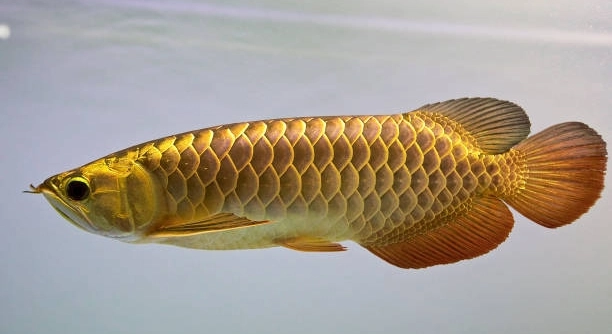
Arowanas are captivating fish that often display striking behaviors in aquariums. Many owners notice that their fish seems to follow movements and watch them closely throughout the day. This behavior can feel both curious and engaging.
Arowanas observe their owners primarily due to their natural predatory instincts and high intelligence. This attentive behavior allows them to monitor their environment, recognize familiar individuals, and respond to perceived movement or potential food sources within their habitat.
Understanding this behavior can improve the bond between you and your fish. Observing your arowana’s gaze may reveal more about its habits and well-being.
Understanding Your Arowana’s Attention
Arowanas are naturally alert and aware of their surroundings. Their eyes are positioned to observe movement efficiently, which helps them detect food and threats. Over time, they learn to recognize patterns in their environment, including the presence of their owner. This awareness can make them appear to be watching you closely. Many aquarists notice that even small gestures, like moving near the tank or tapping the glass, draw their attention immediately. The behavior is not random; it reflects their intelligence and their need to monitor potential sources of food or changes around them. Arowanas are also territorial. They keep track of their space and may follow movement to ensure their environment remains secure. By observing your fish’s patterns, you can better understand when it is active, alert, or resting. This attentiveness can deepen the connection you feel when interacting with your aquarium. Watching them can be both calming and informative.
Their attentive behavior is a sign of intelligence and environmental awareness, not mere coincidence.
Knowing why your arowana watches you helps improve care routines and habitat management. By recognizing their natural alertness, feeding patterns, and territorial instincts, you can create a more comfortable environment. For example, consistent feeding schedules reduce stress, while careful tank placement ensures they feel secure. Observing their reactions allows you to notice subtle changes in health or mood, which might indicate water quality issues, illness, or discomfort. Engaging with your fish in a consistent, calm manner strengthens their recognition of you and reduces erratic or nervous behavior. The more you understand their behavior, the easier it becomes to predict their needs. Over time, these observations foster a sense of routine and stability for both you and the fish. Maintaining proper water conditions, diet, and enrichment activities enhances their natural behaviors, including following movements or watching intently. Your attentiveness ensures a thriving, alert, and healthy arowana in your care.
Interaction and Enrichment
Regular interaction can stimulate your arowana mentally and physically.
Providing enrichment such as floating objects, gentle water currents, and varied feeding methods encourages natural behaviors. Rotating toys or rearranging decorations keeps the fish engaged and reduces boredom. Arowanas respond positively to consistent visual cues and familiar movements, which reinforces their attentiveness. Feeding from different locations or using feeding tongs encourages exercise and mental stimulation. Over time, this creates a more dynamic aquarium environment that mirrors aspects of their natural habitat. Enrichment is not just about entertainment; it supports overall well-being. Active fish are less prone to stress-related illnesses and exhibit stronger immune responses. Watching them interact with their environment also allows you to assess behavior changes and adjust care routines. Incorporating enrichment strategies strengthens the connection between the fish and its surroundings, keeping your arowana alert, healthy, and mentally stimulated without overwhelming it.
Feeding and Observation
Arowanas quickly associate movement with feeding time. They watch closely when you approach the tank, anticipating food. This behavior is a combination of instinct and learned routine, reflecting both their intelligence and adaptability in a home environment.
Regular feeding at consistent times helps reinforce this behavior while maintaining the fish’s health. Arowanas are visual feeders, so they rely on sight to locate and capture food. Using feeding tongs or floating pellets encourages natural hunting instincts and provides mental stimulation. Varying the diet with live, frozen, or prepared foods ensures proper nutrition and keeps them engaged. Observing your arowana during feeding offers insight into its preferences and activity levels. You can adjust portion sizes and feeding techniques based on their responsiveness. This practice not only strengthens recognition but also supports physical well-being, preventing overfeeding or lethargy. Over time, these routines create a predictable, comfortable environment that reduces stress and encourages alert behavior.
Watching your arowana during feeding highlights their intelligence and responsiveness. Their attentiveness increases when meals are approached consistently, reflecting learning and memory.
Environmental Factors
Lighting and tank placement influence how your arowana observes its surroundings. Bright light can enhance visibility, while dim or shaded areas provide comfort and reduce stress.
Tank decor, such as plants or hiding spots, affects their behavior. Arowanas prefer open swimming areas but need secure spaces to retreat if startled. Water quality also plays a critical role in alertness; clean, well-filtered water encourages activity, while poor conditions can reduce observation and movement. Maintaining consistent temperature and pH levels ensures their sensory systems function properly, supporting natural behaviors like following movements. Noise and vibrations near the tank can make them more cautious, while calm surroundings promote relaxed attentiveness. Monitoring how environmental changes affect their gaze can inform adjustments, creating a stable, engaging habitat that keeps them mentally and physically stimulated. Proper environment management strengthens their natural curiosity while supporting overall health and comfort.
Signs of Curiosity
Arowanas show curiosity through movement and posture. They follow objects, track shadows, and observe changes in their tank. This attentiveness demonstrates mental engagement and awareness of their surroundings.
Repeated observation of a single individual reflects recognition. Arowanas can distinguish familiar figures from strangers, indicating memory and learning ability within their environment.
Health and Alertness
Arowanas that actively watch and respond to movement are usually healthy. Lethargy or lack of attentiveness can signal stress, illness, or poor water conditions. Monitoring these behaviors is important for early detection of problems. Healthy, alert fish maintain steady swimming, regular feeding, and consistent reactions to stimuli, demonstrating proper physical and mental function.
Social Interaction
Arowanas may interact visually with other tank inhabitants. Observing these dynamics can help identify stress or dominance issues. Recognizing how they engage with both people and other fish supports better care.
FAQ
Why does my arowana seem to follow my movements?
Arowanas are naturally alert and intelligent. They track movement as part of their instinct to monitor their environment. In a home aquarium, this behavior often extends to observing their owner. The fish may associate movement with feeding or changes in the tank, making them appear attentive and focused on you. Over time, repeated interactions strengthen their recognition and response to familiar patterns.
Is it normal for an arowana to stare at me for long periods?
Yes, it is normal. Arowanas are highly observant and use vision to understand their surroundings. Long periods of attention indicate curiosity, recognition, or anticipation of activity, such as feeding. They are not necessarily stressed or aggressive; attentive staring is part of their natural behavior and intelligence.
Does my arowana watch me because it is hungry?
Hunger can be a factor, especially if you feed at regular times. Arowanas quickly learn to associate your presence near the tank with food. However, attentive behavior also occurs outside feeding periods. Their intelligence and instinct to monitor potential sources of food or changes in the environment contribute to this constant observation.
Can arowanas recognize their owners?
Yes, they can. Arowanas are capable of distinguishing familiar figures from strangers. They may respond differently depending on who approaches the tank. Recognition develops over time with consistent interaction, feeding routines, and calm handling, making your presence familiar and less stressful to the fish.
Should I be concerned if my arowana follows my movements too closely?
Generally, this behavior is harmless and shows attentiveness. However, sudden or obsessive following could indicate stress, boredom, or improper tank conditions. Ensuring the tank has adequate space, hiding spots, and enrichment can reduce excessive focus on your movements and support natural behaviors.
How does tank size affect this behavior?
Arowanas need ample space to swim and maintain natural behaviors. Smaller tanks may limit movement and increase stress, making them hyper-aware of your presence. Providing a large, well-structured tank allows them to explore and reduces over-fixation on external activity, promoting a healthier, balanced environment.
Do arowanas watch other fish the same way they watch humans?
They do observe other fish, but the behavior differs. Observation of tank mates relates to territory, dominance, and curiosity rather than recognition. Interactions can indicate social hierarchy, stress, or aggression. Watching humans, by contrast, is often linked to recognition, anticipation, and environmental awareness.
Can watching behavior indicate health problems?
Yes, changes in attentiveness may signal health issues. A sudden decrease in observation, lethargy, or erratic movement can indicate stress, illness, or poor water quality. Monitoring normal behavior patterns helps identify potential problems early, allowing timely intervention to maintain health and well-being.
Does enrichment reduce obsessive watching?
Providing enrichment, such as floating objects, rearranged decorations, or varied feeding methods, encourages natural activity. Stimulating their mind and body reduces boredom and decreases excessive attention toward external movement, creating a more balanced and engaging environment. Enrichment also supports mental and physical health.
How can I strengthen the bond with my arowana?
Consistent routines, calm interactions, and observing their behavior are key. Feeding at predictable times, using gentle gestures, and maintaining stable tank conditions foster familiarity. Over time, the fish becomes more comfortable, responsive, and engaged with your presence, strengthening the connection naturally.
Do arowanas ever get bored of watching humans?
Yes, without environmental stimulation or variation in routine, they may lose interest. Introducing enrichment, adjusting feeding methods, and providing space for exploration help maintain curiosity. A well-maintained tank with a balance of routine and novelty keeps their attention active and behavior healthy.
Can watching be a form of entertainment for arowanas?
In a sense, yes. Observing movement or changes provides mental stimulation. Arowanas are intelligent and require engagement to prevent boredom. Watching familiar figures or objects helps them interact with their environment and stay alert, supporting overall well-being in captivity.
How can I tell if watching is due to stress or curiosity?
Stress-related watching is often accompanied by rapid swimming, hiding, or aggression. Curiosity-driven observation is calm, measured, and focused. Understanding their normal behavior, tank conditions, and recent changes helps distinguish the cause and guide adjustments to environment and care.
Does lighting affect their watching behavior?
Yes, proper lighting enhances visibility and can increase attentiveness. Bright areas may stimulate observation, while shaded areas provide comfort and reduce stress. Maintaining a balanced light schedule ensures they can observe their environment without overstimulation, supporting natural behavior patterns.
How often should I interact with my arowana?
Regular, consistent interaction is beneficial but should be calm and controlled. Daily engagement through feeding, gentle gestures, or visual observation reinforces recognition without causing stress. Over-interaction may startle or overwhelm them, so balance is important to maintain comfort and attentiveness.
Can arowanas watch me at night?
Arowanas are diurnal, meaning they are most active during the day. Reduced activity at night is normal, and their observation decreases. Providing dim lighting or avoiding disturbance during night hours supports their natural sleep cycle and overall health.
Does water temperature influence attentiveness?
Yes, water temperature affects metabolism and activity. Proper temperature ranges keep the fish alert and responsive, while water that is too cold or hot can reduce movement and attentiveness. Maintaining stable temperature ensures consistent behavior, including observational habits.
Is it safe to tap the glass to get their attention?
Tapping the glass is not recommended. Sudden vibrations can startle arowanas, causing stress or aggressive behavior. Instead, gentle visual cues or routine presence near the tank encourage safe interaction and maintain a calm, attentive response.
How can I monitor if their watching behavior changes over time?
Keeping notes on activity patterns, feeding responses, and visual engagement helps track changes. Consistent monitoring reveals deviations caused by stress, health issues, or environmental factors. Timely adjustments based on observations support continued well-being and natural attentiveness in your arowana.
Can multiple arowanas watch each other and humans simultaneously?
Yes, but dynamics vary. Each fish may observe others for territory or social hierarchy while also responding to human presence. Monitoring interactions ensures compatibility, reduces stress, and helps maintain a peaceful, engaging tank environment for all inhabitants.
What role does feeding type play in attentiveness?
Using varied feeding methods, such as live, frozen, or pellet foods, encourages natural hunting behavior. Visual cues from feeding increase attentiveness and engagement. Variety prevents boredom, supports health, and reinforces recognition of your presence as a source of nourishment.
Do older arowanas watch less than younger ones?
Older arowanas may be slightly less active but still attentive. Aging can slow reflexes and reduce curiosity, yet recognition and environmental monitoring remain. Adjusting enrichment and providing adequate space ensures continued engagement and mental stimulation at all life stages.
Can watching behavior be used to train arowanas?
Yes, attentive behavior can support training, such as feeding routines or following visual cues. Consistent, calm interactions, combined with predictable rewards, allow the fish to learn patterns. Positive reinforcement strengthens recognition and responsiveness, making routine care smoother and more predictable.
How important is consistency in maintaining this behavior?
Consistency is critical. Regular feeding times, stable water conditions, and predictable interactions reinforce attentiveness and recognition. Inconsistent care can create stress, reduce engagement, and affect overall health, highlighting the value of structured routines for maintaining natural observational behavior.
Can arowanas become aggressive while watching humans?
Observational behavior alone is typically not aggressive. However, if combined with territorial stress, hunger, or poor tank conditions, they may show aggression. Understanding their environment, managing space, and monitoring body language helps prevent conflict while maintaining healthy attentiveness.
Does tank location in the room affect watching behavior?
Yes, proximity to activity can influence attention. Tanks in high-traffic areas may increase alertness, while quiet spots may reduce constant observation. Balancing interaction and privacy supports a comfortable environment that encourages natural attentiveness without overstimulation.
Are there signs that watching behavior is linked to discomfort?
Yes, signs include rapid darting, clamped fins, hiding, or refusal to eat. Observing these patterns alongside attentiveness indicates stress or discomfort. Immediate evaluation of water quality, tank conditions, and health status is essential to address the underlying cause.
Does decoration density impact how often they watch humans?
Yes, a cluttered tank may reduce visibility, limiting observation, while an open, well-structured tank allows clear sightlines. Balanced decoration ensures security, stimulation, and visibility, supporting natural attentiveness without causing stress or overexposure.
Can watching be part of natural hunting instincts?
Absolutely. Arowanas are predatory fish, and following movement is part of their instinct to detect potential prey. Even in captivity, this behavior manifests as attentiveness to humans, objects, or other tank inhabitants, reflecting natural instincts rather than random observation.
Is it normal for watching intensity to vary daily?
Yes, changes in energy levels, feeding schedules, or environmental conditions can influence attentiveness. Periods of rest or reduced interest are normal, and monitoring patterns over time helps identify what is typical versus signs of stress or health concerns.
Can I use watching behavior to detect water issues early?
Yes, deviations from normal attentiveness may indicate poor water quality, temperature shifts, or other environmental issues. Early detection through observation allows timely adjustments, supporting health, comfort, and natural behavior in your arowana.
Does watching humans help with cognitive stimulation?
Yes, attentive observation engages mental faculties. Recognizing familiar figures, predicting actions, and responding to movement stimulates their brain, supporting alertness, reducing boredom, and promoting overall cognitive well-being in captivity.
Can watching behavior indicate bonding with the owner?
Yes, repeated recognition and calm observation reflect comfort and familiarity. While not emotional attachment in human terms, attentive behavior indicates trust, recognition, and adaptation to a consistent, predictable presence in their environment.
Do different arowana species watch humans differently?
Yes, species vary in temperament, intelligence, and attentiveness. Some are more interactive or reactive, while others remain cautious. Understanding species-specific traits helps manage expectations and care routines, ensuring observation behavior remains healthy and natural.
Is watching linked to lifespan or vitality?
Indirectly, yes. Attentive, active fish are generally healthy, well-fed, and living in optimal conditions. Reduced attentiveness can signal aging, stress, or illness. Maintaining proper care supports vitality and encourages continued engagement with their environment and human presence.
Can watching help in detecting aggression between fish?
Yes, observing attentiveness can reveal territorial disputes or dominance behaviors. Changes in focus, chasing, or defensive posture indicate social tension. Monitoring these behaviors allows timely intervention to reduce stress and maintain harmony within the tank.
How can I safely increase interaction without causing stress?
Use gentle, predictable gestures, consistent feeding routines, and visual cues. Avoid sudden movements or tapping the tank. Gradual exposure and routine support recognition while maintaining calm, attentive behavior without overwhelming the fish.
Does the age of the tank influence watching behavior?
Yes, established tanks with stable conditions foster predictable patterns, encouraging attentiveness. Newly set-up tanks may cause stress, reducing engagement or causing erratic observation. Patience and stability support natural behavior as the fish adjusts to its environment.
Can watching behavior indicate readiness to breed?
Indirectly, yes. Alertness, increased attention to surroundings, and heightened response to other fish or environmental changes can accompany breeding readiness. Observation must be combined with other indicators, such as physical changes and territorial behaviors, to confirm reproductive behavior.
Does water flow affect their observation?
Yes, water movement can attract attention or cause caution. Moderate flow encourages activity and mental engagement, while strong currents may reduce attentiveness or cause stress. Balanced flow supports natural swimming patterns and observation habits.
Can watching be used to enrich feeding routines?
Yes, using visual cues, target feeding, or moving food items encourages interaction and hunting instincts. Engaging their observational skills during feeding provides mental stimulation, supports health, and reinforces recognition of your presence.
Are arowanas more attentive to certain types of movement?
Yes, quick, deliberate movements catch attention more than slow or static ones. Their predatory instincts respond to motion, making dynamic activity more engaging and stimulating for both mental and physical activity.
Does tank lighting schedule impact long-term attentiveness?
Yes, consistent day-night cycles support natural activity and alertness. Disruptions in lighting can reduce attentiveness, affect feeding behavior, and stress the fish. Stable lighting schedules maintain natural observation patterns and overall health.
Can watching behavior be modified through training?
Yes, through consistent visual cues, feeding routines, and gentle interaction, attentiveness can be directed or reinforced. Positive reinforcement encourages engagement, recognition, and predictable responses without causing stress.
How can I distinguish between curiosity and stress in watching behavior?
Curiosity is calm, measured, and focused, often accompanied by normal swimming and feeding. Stress-driven observation includes rapid darting, clamped fins, or hiding. Monitoring overall behavior helps distinguish the cause and guides adjustments to care or environment.
Does watching behavior change with seasonal conditions?
Yes, environmental changes like temperature shifts or light variations may influence activity levels and attentiveness. Seasonal adjustments to tank conditions help maintain consistent behavior and support overall health.
Are there risks if I misinterpret their watching behavior?
Yes, assuming attention always indicates hunger or friendliness may overlook stress, illness, or territorial issues. Accurate observation, routine monitoring, and attention to other behaviors are essential for proper care and well-being.
Can watching behavior indicate readiness for environmental changes?
Indirectly, yes. Increased alertness or focus on new objects or movements often reflects assessment of changes in the tank. Providing stable, gradual adjustments helps them adapt while maintaining comfort and attentiveness.
Is it normal for watching intensity to vary between individuals?
Yes, personality, age, and species differences affect attentiveness. Some arowanas are naturally more observant or cautious. Recognizing individual behavior patterns supports personalized care and ensures each fish remains healthy and engaged.
Does diet impact observational behavior?
Yes, proper nutrition supports energy levels and alertness. Malnutrition or imbalanced diets can reduce activity and attentiveness. Providing a varied, high-quality diet ensures they remain responsive, healthy, and mentally stimulated.
Can watching behavior help in recognizing health decline early?
Yes, deviations from normal attentiveness, such as reduced focus or erratic observation, often signal stress, illness, or environmental issues. Regular observation allows early intervention to maintain health and prevent further complications.
Are there signs that watching behavior is linked to territorial instincts?
Yes, arowanas may track movements of other fish or objects near their space. Defensive postures, chasing, or circling indicate territorial awareness. Recognizing these cues helps manage tank dynamics and prevent aggression.
Can watching humans be a form of environmental enrichment?
Yes, attentive observation provides mental stimulation and engagement. Watching humans adds predictable activity to the tank, supporting curiosity and reducing boredom. Combined with physical enrichment, it contributes to overall well-being.
Does water clarity influence their observation?
Yes, clear water enhances visibility and attentiveness. Murky or cloudy water reduces ability to track movement, limiting natural behaviors. Maintaining good filtration and water quality ensures consistent observation patterns and supports health.
Is it normal for watching behavior to increase during feeding preparation?
Yes, arowanas recognize cues associated with feeding, such as movement near the tank or handling food. This anticipatory behavior is natural and demonstrates recognition, learning, and mental engagement.
Can observing behavior indicate compatibility between multiple fish?
Yes, attentiveness to tank mates can reveal social dynamics, dominance, or stress. Monitoring interactions helps ensure compatibility and manage tank layout to reduce conflict and maintain harmony.
Does tank orientation affect their observation of humans?
Yes, a tank placed at eye level or in a high-traffic area increases visual engagement. Adjusting tank placement can influence attentiveness, comfort, and interaction with humans.
Can watching behavior indicate excitement or anticipation?
Yes, alert posture, focused gaze, and active swimming often signal anticipation for feeding or interaction. Recognizing these cues helps provide timely enrichment and maintain a positive environment.
Is it possible for watching behavior to become a habit?
Yes, consistent exposure to humans and predictable routines can make observation habitual. This behavior reflects learning, recognition, and adaptation, reinforcing engagement without requiring constant stimuli.
Does tank cleanliness affect attentiveness?
Yes, clean tanks promote comfort, activity, and normal observation. Poor water quality can reduce energy, cause stress, and limit attentiveness. Regular maintenance supports health and natural behaviors.
Can watching behavior be linked to reproductive cycles?
Indirectly, increased alertness and attention may accompany reproductive readiness, particularly in response to environmental or social cues. Observing behavior alongside physical changes provides insight into breeding patterns.
Does tank vibration or external noise influence watching?
Yes, vibrations or sudden sounds can increase alertness or stress. Calm surroundings encourage safe observation and reduce unnecessary agitation, supporting consistent attentiveness.
Can watching humans be part of their learning process?
Yes, attentive observation helps them recognize patterns, anticipate food, and understand their environment. This learning supports mental stimulation and improves adaptation to routine care.
Are there differences in attentiveness between captive-bred and wild-caught arowanas?
Yes, captive-bred fish may be more accustomed to human presence, showing calmer, consistent observation. Wild-caught individuals may be cautious, reactive, or slower to recognize humans due to natural instincts and prior experiences.
Does watching intensity correlate with activity levels?
Yes, more active fish tend to observe more, as alertness is linked to metabolism, curiosity, and engagement. Lethargic or stressed fish may reduce observation, signaling potential care issues.
Can watching behavior be used to improve training techniques?
Yes, attentive fish respond better to visual cues and routines. Incorporating feeding or target training leverages their observation skills, reinforcing learning and engagement while supporting mental stimulation.
Does the number of people near the tank affect attentiveness?
Yes, multiple people can increase focus or stress depending on the fish’s temperament. Gradual exposure and consistent routines help them adapt and maintain healthy observation behaviors.
Can watching humans reduce boredom in solitary tanks?
Yes, attentive observation provides mental engagement. In the absence of tank mates, watching humans can serve as a form of stimulation, supporting cognitive activity and preventing inactivity or stress.
Are there signs that attentiveness is linked to comfort rather than food?
Yes, calm, steady watching without agitation, rapid movement, or signs of hunger indicates interest in the environment rather than feeding. Recognizing posture and context helps interpret behavior correctly.
Does water temperature fluctuation impact watching?
Yes, sudden changes can reduce attentiveness or induce stress. Stable temperatures maintain activity, alertness, and consistent observation, supporting healthy behavior patterns.
Can watching behavior indicate stress from overcrowding?
Yes, in crowded tanks, fish may watch constantly due to territorial concerns or anxiety. Providing adequate space reduces stress
Final Thoughts
Observing an arowana watch you can be both fascinating and insightful. This behavior reflects the fish’s natural instincts, intelligence, and awareness of its surroundings. Arowanas are highly visual and alert creatures, using sight to monitor potential food sources, changes in their environment, and the movements of other animals or humans. Over time, they can recognize familiar figures, including their owners, and respond accordingly. Watching them closely allows you to gain a better understanding of their habits, routines, and personality traits. Attentiveness is not random; it is a combination of instinct, learning, and adaptation to the home environment. By taking note of their behavior, you can learn when your fish is active, relaxed, or showing early signs of stress or discomfort. Understanding these patterns strengthens the connection between you and your arowana, making care more predictable and tailored to their needs.
Providing a suitable environment plays a critical role in encouraging natural observational behavior. Tank size, water quality, temperature, and lighting all impact how alert and responsive your fish will be. Arowanas need space to swim freely and open areas to observe, along with hiding spots for security. Consistent care routines, such as regular feeding times and calm interactions, help them recognize patterns and reduce stress. Enrichment, including floating objects, varied feeding methods, or rearranged tank decorations, supports mental and physical stimulation. These small changes can increase engagement and maintain healthy attentiveness without causing stress or overexcitement. Over time, this attentive behavior can also act as a subtle indicator of your fish’s overall well-being. Observing how your arowana interacts with its environment and responds to visual cues helps detect early signs of health issues, stress, or environmental discomfort. By creating a stable, stimulating habitat, you encourage both curiosity and comfort, allowing your arowana to thrive.
Watching your arowana can become a routine part of caring for it, providing insight into its personality, preferences, and needs. Attentive behavior is a sign of intelligence and environmental awareness, and it demonstrates that your fish is engaged with its surroundings. Recognizing the difference between curiosity, hunger, stress, and social observation ensures that you interpret their behavior correctly. Over time, observing their patterns enhances your ability to maintain optimal water quality, appropriate feeding schedules, and a safe, comfortable habitat. Attentiveness can also be used to encourage interaction and enrich the fish’s daily life, supporting mental stimulation and reducing boredom. Paying attention to these behaviors allows for a deeper understanding of the fish’s natural instincts and helps ensure its health and well-being. Ultimately, appreciating the reasons behind their focused observation improves care, strengthens the connection between owner and fish, and provides a more enriching experience for both. Observing your arowana can be a quiet, rewarding activity, offering insights into behavior, personality, and overall happiness while helping you maintain a healthy and balanced aquarium environment.

Hello,
If you enjoy the content that we create, please consider saying a "Thank You!" by leaving a tip.
Every little bit helps us continue crafting quality advice that supports the health, happiness, and well-being of pets around the world, for pets of all shapes, sizes, and species.
We really appreciate the kindness and support that you show us!